

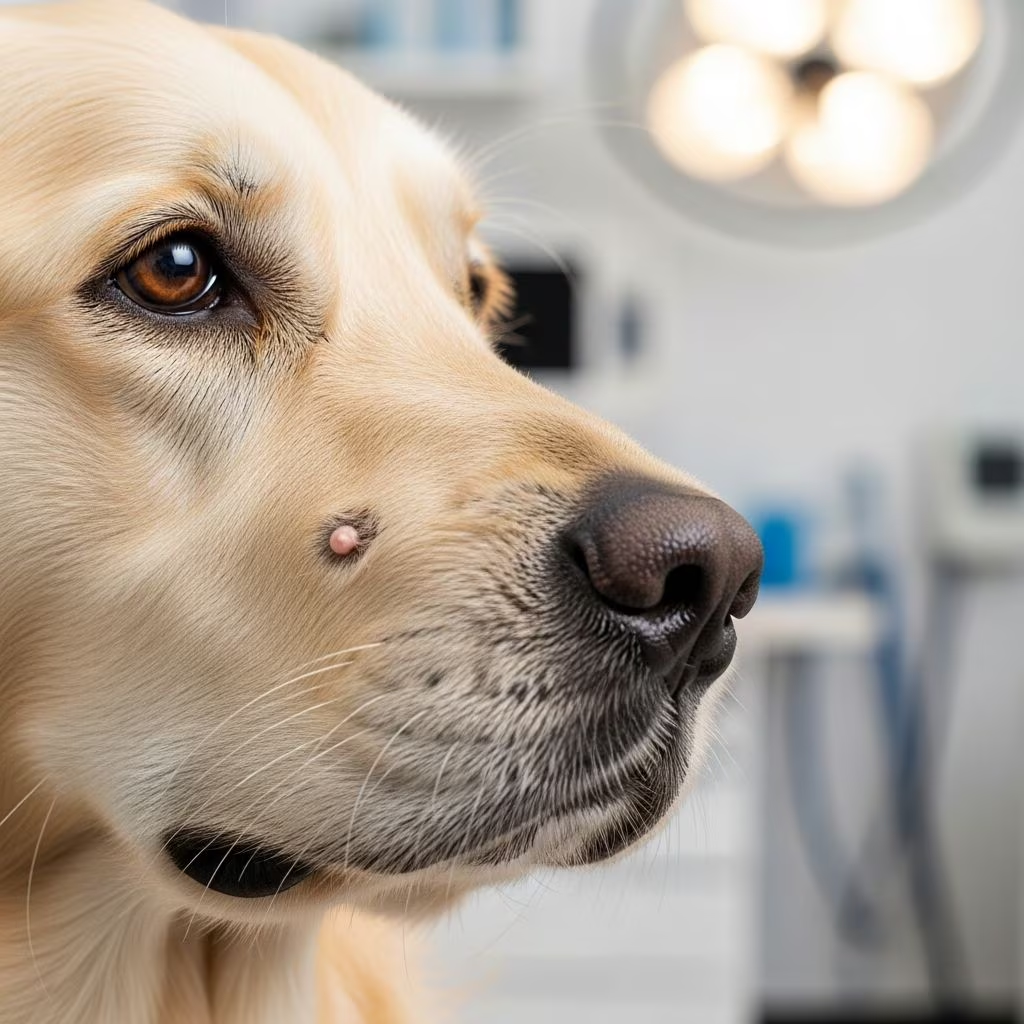
Tumors in dogs represent a significant health concern, affecting millions of pets annually. These abnormal growths can be benign or malignant, with early detection playing a crucial role in successful management. This comprehensive guide delves into the nature of canine tumors, highlighting prevalent forms, recognition strategies, diagnostic approaches, and contemporary treatment protocols.
Understanding Tumors in Dogs
Tumors arise when cells multiply uncontrollably, forming masses that may remain localized or spread throughout the body. In dogs, factors such as age, breed predispositions, and genetics influence susceptibility. Older dogs, particularly those over seven years, face heightened risks, though younger ones can also be affected. Benign tumors grow slowly and stay confined, while malignant ones, or cancers, invade nearby tissues and metastasize via blood or lymph systems.
Distinguishing between these requires professional evaluation, as appearances can deceive. Routine veterinary check-ups facilitate early intervention, potentially transforming prognoses from dire to manageable.
Prevalent Tumor Types Affecting Dogs
Dogs encounter various tumors, each with unique characteristics and implications. Awareness of common variants empowers owners to act swiftly.
- Mast Cell Tumors (MCTs): The most frequent skin tumors, MCTs originate from mast cells involved in allergic responses. They manifest as lumps varying in firmness and size, often on the trunk, legs, or head. Grading from low to high determines aggressiveness; low-grade types seldom metastasize, while high-grade ones demand aggressive intervention. Breeds like Boxers, Bulldogs, and Retrievers show predispositions.
- Lymphoma: This systemic cancer targets lymph nodes, spleen, and other lymphoid tissues. Symptoms include swollen nodes under jaws, lethargy, appetite loss, and coughing. Multicentric lymphoma, impacting multiple nodes, predominates. Though rarely curable, treatments extend quality life.
- Osteosarcoma (Bone Cancer): Aggressive bone tumors, prevalent in large breeds like Great Danes and Greyhounds. Lameness from limb pain signals onset. Rapid metastasis to lungs complicates management.
- Hemangiosarcoma: Vascular tumors frequently in spleen or heart, causing sudden weakness, pale gums, and collapse due to internal bleeding. Emergency surgery followed by chemotherapy offers temporary relief.
- Melanoma and Soft Tissue Sarcomas: Melanomas appear in mouth or toes, sarcomas in connective tissues. Both can spread quickly if untreated.
Recognizing Early Warning Signs
Timely identification hinges on observing subtle changes. Key indicators include:
- Persistent lumps or bumps that grow or change texture.
- Unexplained weight loss or appetite decline.
- Lethargy, limping, or mobility issues.
- Swollen lymph nodes, especially peripheral ones.
- Non-healing wounds, abnormal bleeding, or breathing difficulties.
- Persistent coughing, vomiting, or oral masses[10].
Owners should palpate their dogs weekly for anomalies and note behavioral shifts. Breeds with predispositions warrant vigilant monitoring.
Diagnostic Processes for Canine Tumors
Veterinarians employ multi-step diagnostics for accuracy. Initial physical exams assess lumps and lymph nodes. Fine-needle aspirates extract cells for cytological review by pathologists.
Advanced imaging like X-rays, ultrasounds, or CT scans evaluate spread. Blood tests check organ function and detect paraneoplastic syndromes, such as high calcium in lymphoma. Biopsies provide definitive histology, staging the cancer from I (localized) to V (widespread).
Staging informs prognosis and tailors therapies, ensuring targeted efficacy.
Treatment Strategies for Dog Tumors
Treatments vary by tumor type, stage, and patient health. Multimodal approaches often yield optimal results.
Surgical Interventions
Surgery remains foundational, excising tumors with margins of healthy tissue to prevent recurrence. For MCTs and skin tumors, wide excision suffices for low-grade cases. Limb-sparing for osteosarcoma or splenectomy for hemangiosarcoma exemplifies site-specific adaptations.
Chemotherapy Protocols
Chemotherapy targets systemic spread, using drugs like doxorubicin, vincristine, and cyclophosphamide for lymphoma, achieving remission in 80-90% of cases. MCTs and sarcomas respond to vinblastine or lomustine. Side effects are milder in dogs than humans, with most tolerating well.
Radiation Therapy Applications
Radiation shrinks inoperable tumors, notably nasal ones, combining with surgery for palliation. Precise delivery minimizes damage to healthy tissues.
Emerging and Targeted Therapies
Targeted drugs like toceranib (Palladia) inhibit MCT growth by blocking key proteins. Tigilanol tiglate disrupts tumor blood supply. Immunotherapies, including vaccines and checkpoint inhibitors, harness immune responses, showing promise in trials.
| Tumor Type | Primary Treatment | Adjunct Options | Prognosis (Months) |
|---|---|---|---|
| Mast Cell Tumor (Low Grade) | Surgery | Radiation/Chemo | 24+ |
| Lymphoma | CHOP Protocol | Immunotherapy | 12-18 Remission |
| Osteosarcoma | Amputation + Chemo | Limb-Sparing | 10-12 |
| Hemangiosarcoma | Splenectomy + Chemo | Palliative Care | 3-6 |
Prognosis and Quality of Life Factors
Outcomes depend on grade, stage, and response. Low-grade MCTs post-surgery offer excellent long-term survival, while advanced hemangiosarcoma limits to months. Palliative care emphasizes comfort via pain management, nutrition, and supportive meds like antihistamines for MCT degranulation.
Holistic support, including diets rich in antioxidants, maintains vitality during treatment.
Prevention and Risk Reduction
While genetics play roles, spaying/neutering reduces certain tumors, e.g., 95% cure rate for testicular tumors via castration. Sun protection prevents skin cancers in light-coated dogs. Environmental toxins avoidance and healthy weights mitigate risks.
FAQs on Dog Tumors
What causes tumors in dogs?
Genetic mutations, age, breed, and environmental factors contribute, though exact triggers often remain unclear.
Can all dog tumors be cured?
Benign ones frequently resolve with surgery; malignant types vary, with some achieving long remissions via multi-therapy.
How much does tumor treatment cost for dogs?
Ranges from $1,000 for surgery to $5,000+ for chemo protocols; consult vets for estimates.
Is chemotherapy painful for dogs?
Rarely; side effects like mild nausea occur but are manageable with supportive care.
When to euthanize a dog with cancer?
Decisions center on quality of life, pain levels, and owner-pet bond; vets guide assessments.
References
- Common Types of Cancer in Dogs — UW Veterinary Care. 2023. https://uwveterinarycare.wisc.edu/common-types-of-cancer-in-dogs/
- Types of Tumors Seen In Dogs & How They Are Treated — Springhouse Animal Hospital. 2021-11-18. https://www.springhouseanimalhospital.com/site/blog/2021/11/18/tumors-in-dogs
- Tumors of the Skin in Dogs — Merck Veterinary Manual. 2024. https://www.merckvetmanual.com/dog-owners/skin-disorders-of-dogs/tumors-of-the-skin-in-dogs
- Mast Cell Tumors in Dogs — VCA Animal Hospitals. 2024. https://vcahospitals.com/know-your-pet/mast-cell-tumors-in-dogs
- Cancer in Dogs: Common Types, Symptoms, Diagnosis, and … — OncoDaily. 2024. https://oncodaily.com/oncolibrary/cancer-in-dogs
- Common Cancers In Dogs — CSU Animal Cancer Center. 2019-11-14. https://www.csuanimalcancercenter.org/2019/11/14/common-cancers-in-dogs/
- My Dog Has Cancer: What Do I Need to Know? — FDA. 2023. https://www.fda.gov/consumers/consumer-updates/my-dog-has-cancer-what-i-need-know



