

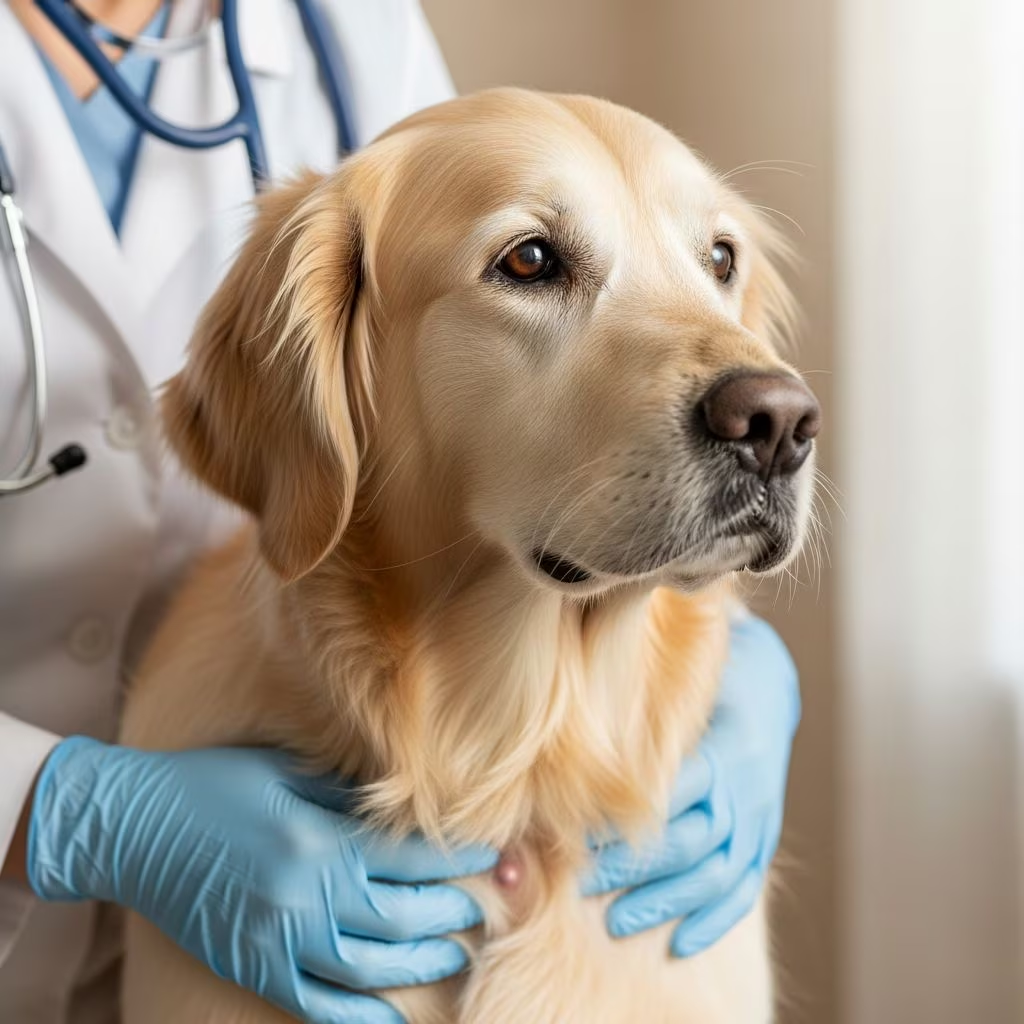
When a dog receives a cancer diagnosis, pet owners face an overwhelming array of medical decisions. Veterinary oncology has advanced significantly, offering multiple therapeutic pathways that can extend survival times and improve quality of life. Understanding the mechanisms and applications of each treatment modality empowers owners to make informed choices alongside their veterinary team.
Defining Success in Canine Oncology
The veterinary oncology field employs specific benchmarks to measure treatment success. While human medicine defines remission as five years without disease recurrence, veterinary practitioners use different standards. A dog achieving a disease-free period exceeding two years demonstrates meaningful long-term control, though individual cases vary considerably based on cancer type, stage at diagnosis, and patient factors.
Treatment objectives extend beyond curative intent. Many therapeutic interventions aim to reduce pain, slow tumor progression, and enhance quality of life rather than achieve complete remission. This palliative approach recognizes that comfort and longevity often matter more to owners than cure rates.
Surgical Intervention as Primary Therapy
Surgical tumor removal remains the cornerstone of modern veterinary cancer treatment, particularly for solid tumors. The procedure accomplishes multiple objectives simultaneously: it removes visible disease, allows pathological examination to confirm diagnosis and assess aggressiveness, and can prevent metastatic spread when performed early.
Surgical effectiveness depends on several critical factors:
- Tumor location and accessibility for safe removal
- Whether complete resection is technically feasible without damaging vital structures
- Tumor type and propensity for local invasion or distant spread
- Patient age and overall anesthetic risk
- Stage of disease at the time of surgery
Surgeons often employ wide margin removal techniques, taking surrounding normal tissue to eliminate microscopic disease. In some cases, complete surgical cure is achievable with a single intervention. In others, surgery reduces tumor burden and enhances the effectiveness of subsequent chemotherapy or radiation therapy.
Radiation Therapy for Localized Disease Control
Radiation therapy exploits a fundamental biological principle: cancer cells divide rapidly and are therefore more vulnerable to DNA damage than most normal tissues. High-energy radiation damages the genetic material of rapidly dividing cells, preventing their reproduction and triggering cell death.
Modern veterinary radiation oncology utilizes equipment similar to human cancer centers, delivering precisely calibrated doses to target tissues while minimizing exposure to surrounding structures. The therapy proves particularly effective for specific cancer types:
- Mast cell tumors in the skin or subcutaneous tissues
- Soft tissue sarcomas with poorly defined margins
- Squamous cell carcinomas of the oral cavity or digits
- Melanomas affecting oral tissues
- Primary brain tumors and nasal cavity masses
- Localized tumors without evidence of systemic spread
Treatment protocols typically span three to four weeks, with small daily doses administered to maximize cancer cell destruction while allowing normal tissue recovery. This fractionated approach reduces serious side effects, though some patients experience temporary discomfort from inflammation in treated areas.
Advanced radiation techniques have emerged in specialty veterinary facilities. Stereotactic radiation therapy concentrates high doses in minimal sessions, while tomotherapy rotates the beam source around the patient, targeting tumors from multiple angles to maximize dose conformality. Brachytherapy implants radioactive seeds directly into difficult-to-treat tumors, concentrating radiation where needed while reducing systemic exposure.
Chemotherapy and Cytotoxic Drug Protocols
Chemotherapy involves administering medications that kill rapidly dividing cells or inhibit their proliferation. Unlike targeted therapies, conventional chemotherapy lacks specificity, affecting both malignant and normal cells that divide quickly. However, advances in veterinary oncology have refined protocols to maximize efficacy while minimizing toxicity.
Dogs tolerate chemotherapy better than human patients, experiencing fewer severe side effects and maintaining better quality of life during treatment. Drug administration occurs through multiple routes depending on the specific agent and clinical situation:
- Intravenous injection or infusion into a central catheter
- Oral tablets or capsules for certain agents
- Intramuscular or subcutaneous injection
- Direct instillation into body cavities for localized disease
Treatment schedules follow carefully calculated protocols, typically administering drugs at intervals that allow normal tissue recovery between doses. The goal balances therapeutic benefit against acceptable side effects, recognizing that some toxicity is inevitable but manageable.
Innovative Multi-Targeted Approaches
The development of **anti-angiogenic therapies** represents a significant paradigm shift in veterinary oncology. These medications target the blood vessel network that tumors require for growth and nutrient delivery, disrupting the tumor’s vascular support system.
A landmark case—now known as the “Navy Protocol”—demonstrated the potential of multi-targeted drug combinations. This approach combined three FDA-approved medications (a nonsteroidal anti-inflammatory, an estrogen receptor antagonist, and an antibiotic with immune-modulating properties) to inhibit blood vessel proliferation and tumor invasion. The dramatic result showed complete cancer elimination without adverse side effects, validating the principle of targeting multiple cancer pathways simultaneously.
Contemporary anti-angiogenic drugs demonstrate promise across multiple cancer types in dogs, including:
- Central nervous system malignancies
- Pulmonary tumors and metastases
- Mammary gland cancers
- Mast cell tumors
- Oral malignancies including melanomas
- Osteosarcoma and bone tumors
- Prostate cancers
- Lymphomas affecting multiple organs
These medications are often combined with conventional chemotherapy or radiation therapy, creating comprehensive treatment strategies that attack cancer through multiple mechanisms.
Precision Medicine and Targeted Molecular Therapies
The emergence of **precision oncology** in veterinary medicine represents the frontier of cancer treatment. This approach identifies specific genetic mutations or molecular alterations driving individual tumors, then matches patients with therapies designed to attack those precise targets.
Targeted molecular drugs differ fundamentally from conventional chemotherapy. Rather than broadly damaging rapidly dividing cells, they specifically inhibit molecular pathways essential for cancer cell survival and proliferation. This specificity translates into several clinical advantages:
- Significantly reduced side effects compared to conventional chemotherapy
- Superior efficacy in many cancer types when appropriately matched to tumor genetics
- Potential for oral administration at home, eliminating frequent clinic visits
- Greater tolerability, allowing dogs to maintain normal activity and appetite
- Research demonstrates survival extensions up to three times longer than conventional treatments for matched cases
Implementing precision medicine requires molecular profiling of individual tumors—analyzing genetic alterations, protein expression patterns, and other biomarkers that guide therapy selection. While this increases initial diagnostic costs, it often reduces overall treatment expenses and improves outcomes substantially.
Immunotherapy and Immune System Activation
Immunotherapy harnesses the dog’s own immune system to recognize and eliminate cancer cells. Unlike traditional modalities that directly destroy cancer, immunotherapy enhances the body’s natural defense mechanisms.
A particular advantage of immunotherapy resides in its specificity: it targets abnormal cells while leaving normal tissues unaffected. This contrasts sharply with chemotherapy’s indiscriminate cellular destruction. For dogs with certain cancers, particularly when tumors are surgically resectable, veterinarians can create personalized cancer vaccines derived from individual tumors.
Immunotherapeutic approaches continue to evolve, with clinical trials at academic veterinary institutions exploring novel combinations and applications. The National Cancer Institute supports comparative oncology research, including canine cancer clinical trials that advance both veterinary and human cancer medicine.
Combination Strategies and Individualized Treatment Planning
Modern veterinary oncology rarely relies on single-modality treatment. Combining surgery, chemotherapy, radiation, targeted therapy, and immunotherapy creates synergistic effects that often exceed what individual treatments achieve alone.
Individualized treatment planning considers multiple variables:
- Cancer type and biological behavior — some cancers respond preferentially to specific modalities
- Disease stage — localized tumors versus metastatic disease require different strategic approaches
- Patient age and health status — comorbidities and physiologic reserve influence treatment tolerance
- Tumor genetics and molecular characteristics — specific mutations guide precision therapy selection
- Owner preferences and circumstances — treatment intensity, duration, and cost considerations
- Quality of life factors — balancing disease control against treatment burden
Veterinary oncologists work collaboratively with primary care veterinarians, surgeons, radiotherapists, and other specialists to design protocols tailored to individual cases. This multidisciplinary approach optimizes outcomes while maintaining the pet’s well-being throughout the treatment journey.
Managing Treatment Side Effects and Quality of Life
All cancer treatments carry potential adverse effects. Recognizing and managing these complications promptly maintains treatment compliance and preserves quality of life.
Radiation therapy commonly causes localized inflammation in treated areas, manifesting as temporary redness, hair loss, or mild discomfort. These effects generally resolve after treatment completion and are rarely life-threatening.
Chemotherapy side effects in dogs typically prove milder than in humans, but some patients experience decreased appetite, mild gastrointestinal upset, or temporary bone marrow suppression. Veterinarians monitor bloodwork and adjust protocols as needed to prevent serious complications.
Targeted and immunotherapies generally demonstrate superior tolerability compared to conventional agents, though individual responses vary. Open communication between pet owners and veterinarians ensures early detection and management of any emerging problems.
Frequently Asked Questions About Canine Cancer Treatment
How long does typical cancer treatment last?
Treatment duration varies considerably based on cancer type, stage, and therapeutic approach. Radiation therapy typically spans three to four weeks with daily treatments. Chemotherapy protocols often extend several months with treatments spaced weeks apart. Targeted therapies may continue indefinitely if tolerated well and proving effective. Surgical treatments are typically single-event interventions, though combination approaches may extend overall treatment duration.
What is the difference between curative and palliative treatment?
Curative treatment aims to eliminate cancer entirely and achieve long-term disease-free survival. Palliative treatment focuses on reducing symptoms, slowing progression, and enhancing quality of life without necessarily achieving cure. Many cancer cases employ palliative strategies, recognizing that comfort and extended survival often represent realistic and meaningful goals.
Can multiple treatment modalities be combined safely?
Yes, combination therapy is standard in modern veterinary oncology. Surgery, chemotherapy, radiation, targeted therapy, and immunotherapy are frequently used together strategically. Veterinary oncologists carefully sequence and coordinate treatments to maximize synergistic effects while managing cumulative side effects.
How do veterinarians determine which treatment is best?
Treatment selection depends on cancer type, stage, location, patient health status, tumor genetics, and owner preferences. Veterinary oncologists review diagnostic imaging, pathology reports, bloodwork, and molecular profiling to design individualized plans. Consultation with specialists ensures access to all available options.
References
- Conventional Cancer Care for Canine — Whole Dog Journal. Accessed March 2026. https://www.whole-dog-journal.com/health/conventional-cancer-care-for-canine/
- Understanding Dog Cancer Treatment Options: Surgery, Chemotherapy, Radiation, Targeted Therapy — FidoCure. Accessed March 2026. https://blog.fidocure.com/fidocure-blog/understanding-dog-cancer-treatment-options-surgery-chemotherapy-radiation-targeted-therapy
- Pet Cancer Treatment Options — Flint Animal Cancer Center, Colorado State University. 2021-10-29. https://www.csuanimalcancercenter.org/2021/10/29/pet-cancer-treatment-options/
- Immunotherapy Treatment — Cornell University College of Veterinary Medicine, Riney Canine Health Center. Accessed March 2026. https://www.vet.cornell.edu/departments-centers-and-institutes/riney-canine-health-center/canine-health-information/immunotherapy-treatment
- Helping Dogs—and Humans—with Cancer — National Cancer Institute, National Institutes of Health. 2019. https://www.cancer.gov/news-events/cancer-currents-blog/2019/comparative-oncology-dogs-cancer-clinical-trials



