Canine Tumor Classification and Management
Understanding benign and malignant growths in dogs for early detection
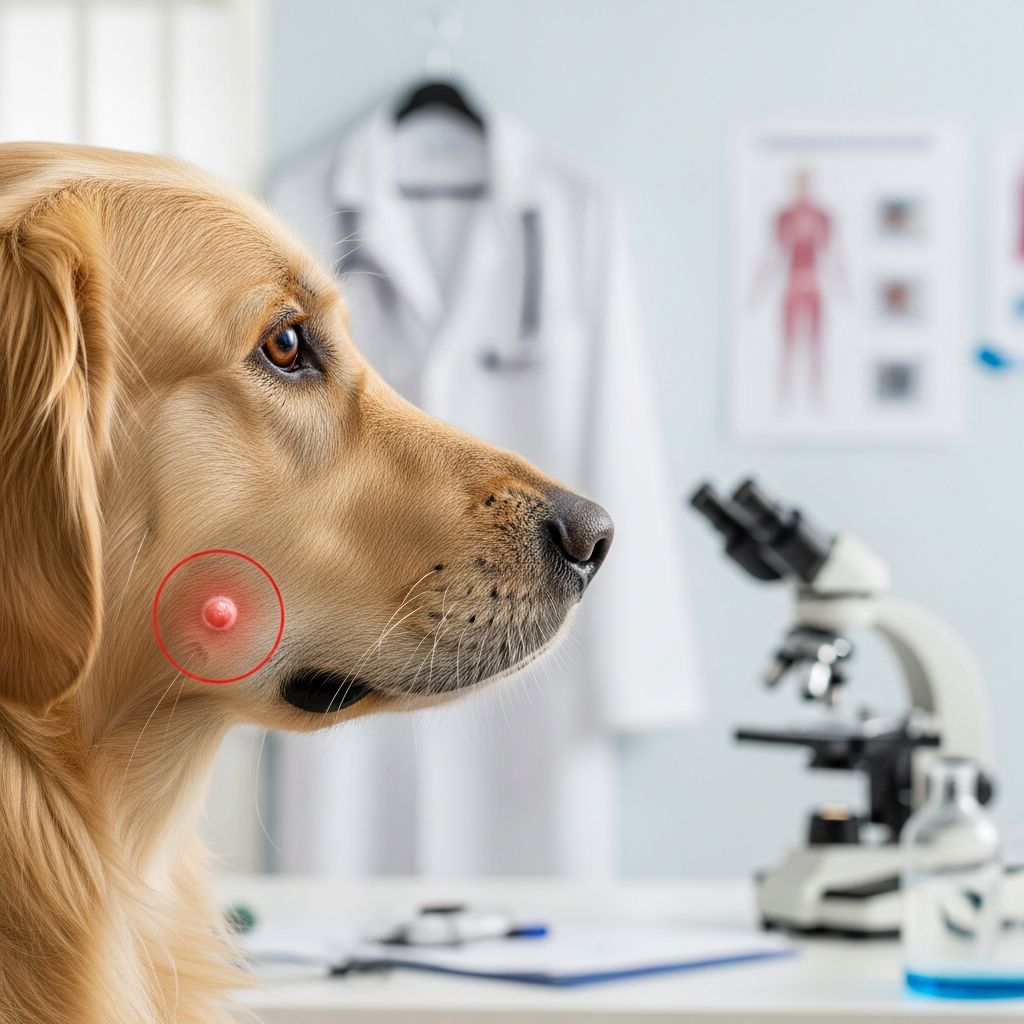
Abnormal tissue growth in dogs represents one of the most significant health challenges facing pet owners today. When cells multiply uncontrollably, they form lumps or masses that can range from harmless to life-threatening. Understanding the distinction between different tumor types, recognizing early warning signs, and knowing when intervention becomes necessary are critical skills for responsible dog guardianship. This guide explores the landscape of canine neoplasias, their characteristics, treatment approaches, and the importance of early detection.
Distinguishing Benign from Malignant Growth Patterns
The fundamental classification of canine tumors divides growths into two categories based on their biological behavior and potential for harm. Benign tumors grow slowly, remain localized to their original site, and do not spread to distant body regions. These growths, while sometimes requiring removal for comfort or cosmetic reasons, typically do not threaten a dog’s life. Malignant tumors, conversely, demonstrate aggressive growth patterns, invade surrounding tissues, and possess the capacity to metastasize—spreading cancerous cells throughout the body via the lymphatic system or bloodstream.
The distinction between these categories has profound implications for treatment planning and prognosis. A benign lipoma might warrant observation for years, whereas a malignant hemangiosarcoma demands immediate surgical intervention and chemotherapy. Veterinary professionals use grading systems, particularly for tumors that can present as either benign or malignant, to determine the appropriate treatment intensity and monitor disease progression accurately.
Subcutaneous and Superficial Tumors
Lipomas: The Most Common Benign Growth
Lipomas represent fatty tissue tumors that occur with remarkable frequency in middle-aged and older dogs. These soft, movable masses typically develop on the trunk and near the legs, particularly in obese females. Certain breeds, including Labrador Retrievers, Doberman Pinschers, and Miniature Schnauzers, demonstrate increased predisposition. While benign in nature, lipomas can occasionally interfere with movement or become cosmetically bothersome. Weight management and exercise may slow their development, though surgical removal remains the only definitive treatment when tumors cause functional impairment.
Skin Surface Manifestations
Tumors affecting the skin and subcutaneous tissues present variable appearances. These growths may present as traditional lumps or bumps, hairless patches with abnormal pigmentation, inflammatory rashes, or ulcerated areas that fail to heal normally. Fibromas, which resemble skin tags, occur across all breeds but predominate in aged dogs, particularly Doberman Pinschers and Boxers. These benign lesions develop raised, often hairless growths beneath the skin surface, feeling either firm and rubbery or soft and mushy depending on their composition.
Hemangiomas and Hemangiopericytomas
Hemangiomas represent benign vascular tumors arising from blood vessel tissue. These appear as single or multiple red to black lumps resembling blood blisters, most commonly on legs and trunk regions. Breeds including Gordon Setters, Boxers, and various terrier types show elevated risk. Though benign, hemangiomas frequently develop ulceration and can grow quite large, necessitating removal to confirm their non-cancerous status and prevent complications.
Hemangiopericytomas, sarcomas arising from blood vessel supporting tissue, typically develop on lower legs and chest of older dogs, occurring more frequently in females. Siberian Huskies, Irish Setters, German Shepherds, and mixed-breed dogs face increased risk. These firm, solitary tumors with irregular borders require professional evaluation and typically necessitate surgical removal.
Mast Cell Tumors: The Most Prevalent Skin Cancer
Mast cell tumors represent the most frequently diagnosed skin malignancy in dogs. Arising from immune cells involved in allergic responses and inflammation, these tumors demonstrate highly variable behavior and appearance. Some remain small, slow-growing, and localized, while others progress aggressively, invading surrounding tissues and metastasizing to distant organs. This unpredictability necessitates biopsy-based grading to determine treatment intensity and prognosis.
Clinical manifestations include itchy skin, localized swelling, and redness at the tumor site. Dogs may obsessively lick or bite at the mass. Diagnosis requires tissue biopsy, which assigns the tumor a grade affecting treatment decisions. Low-grade tumors often respond well to surgical excision alone, while higher-grade lesions typically require surgery combined with chemotherapy to prevent recurrence and metastasis. Some dogs experience systemic reactions, including vomiting and diarrhea, as mast cells release inflammatory mediators throughout the body.
Melanomas and Pigmented Lesions
Melanomas develop from pigment-producing cells and can occur as either benign or malignant variants. Oral melanomas, occurring within the mouth, represent particularly aggressive malignancies requiring immediate intervention. Breeds predisposed to melanoma include Boxers, Labrador Retrievers, and various other types, with certain genetic lineages showing elevated risk.
Cutaneous melanomas appear as dark, pigmented growths on the skin surface. Early detection dramatically improves treatment outcomes, as localized tumors respond better to surgical removal. Advanced oral melanomas present significant challenges due to the complexity of mouth anatomy and the tumor’s propensity for rapid spread to lungs and lymph nodes. Treatment typically combines aggressive surgical resection with radiation therapy or immunotherapy when applicable.
Bone and Skeletal Malignancies
Osteosarcoma: The Primary Bone Cancer
Osteosarcoma represents the most common malignant bone tumor in dogs, occurring predominantly in large and giant breed dogs. Limb tumors present the most frequent location, causing lameness, limb swelling, and pain that worsens with activity. Boxers, Rottweilers, Great Danes, Doberman Pinschers, Labrador Retrievers, and Saint Bernards demonstrate particularly high incidence rates. The aggressive nature of osteosarcoma necessitates prompt diagnosis and intervention.
Without treatment, osteosarcomas progress rapidly, causing pathological fractures and metastasizing to lungs within weeks. Modern treatment protocols employ limb amputation combined with chemotherapy, which substantially extends survival times compared to amputation alone. Many dogs adapt remarkably well to three-legged mobility, maintaining excellent quality of life. Early surgical intervention before metastasis occurs provides the most favorable outcomes.
Lymphoid and Hematopoietic Malignancies
Lymphoma: A Complex Cancer Group
Lymphoma encompasses an exceptionally diverse group of cancers affecting lymphocytes, the white blood cells crucial for immune function. More than 30 distinct lymphoma types affect dogs, with four primary presentations identified: multicentric (affecting multiple lymph nodes), alimentary (involving gastrointestinal tissue), mediastinal (affecting chest lymph nodes), and extranodal (developing in specific organs). This diversity creates complex diagnostic and treatment scenarios.
Multicentric lymphoma, the most common form, presents with enlarged lymph nodes throughout the body detectable by palpation. Dogs may display lethargy, decreased appetite, and vomiting. Treatment typically employs chemotherapy protocols combining multiple medications administered over weeks or months. While not universally curative, chemotherapy induces remission in the majority of dogs, substantially improving quality of life and extending survival times. Some breeds, including Boxers, Basset Hounds, Bulldogs, Scottish Terriers, and Saint Bernards, demonstrate elevated lymphoma risk.
Urinary System Malignancies
Transitional cell carcinoma affects the urinary bladder, occurring most commonly in older dogs, particularly Scottish Terriers and West Highland White Terriers. Clinical signs include frequent urination, hematuria (blood in urine), urinary straining, and incontinence. These symptoms often mimic urinary tract infections, potentially delaying diagnosis. Imaging studies and cystoscopy (direct visualization of bladder interior) confirm diagnosis. Treatment approaches combine surgical tumor removal with chemotherapy or palliative care focused on symptom management and comfort.
Oral Cavity Malignancies
Tumors developing within the mouth, including melanomas, squamous cell carcinomas, and fibrosarcomas, present unique diagnostic and therapeutic challenges. Bad breath, excessive drooling, difficulty eating, oral bleeding, and facial swelling indicate potential oral malignancies. Early surgical intervention, involving tumor removal and affected bone resection, provides the best outcomes. Radiation therapy and immunotherapy may supplement surgery, particularly for advanced cases. Many dogs tolerate oral surgery well and maintain adequate nutritional intake despite partial jaw removal.
Sebaceous Gland and Sweat Gland Tumors
Sebaceous gland adenomas occur frequently in older dogs, particularly Coonhounds, Cocker Spaniels, and Alaskan Malamutes. These tumors typically appear as discrete nodules larger than one centimeter on the skin surface. While usually benign, removal may be recommended if they become infected, ulcerate, or cause cosmetic concerns. Apocrine gland tumors developing near the anal sacs present as deep, firm masses. As these tumors enlarge, they may compress the rectum, causing constipation and straining. Surgical removal becomes necessary when tumors compromise normal function.
Breed-Specific Cancer Predispositions
| Breed | Primary Cancer Risks |
|---|---|
| Boxer | Hemangiosarcoma, lymphoma, mast cell tumors, melanoma, osteosarcoma |
| Rottweiler | Osteosarcoma, lymphoma, mast cell tumors, hemangiosarcomas |
| Labrador Retriever | Hemangiosarcoma, osteosarcoma, melanoma |
| German Shepherd | High general cancer incidence, multiple types |
| Great Dane | Osteosarcoma, shortened lifespan due to cancer |
| Basset Hound | Lymphoma, squamous cell carcinoma |
| Scottish Terrier | Lymphoma, melanoma, transitional cell carcinoma |
| Bernese Mountain Dog | Mast cell tumors |
Early Detection and Clinical Signs
Vigilant observation enables pet owners to detect tumors during early, more treatable stages. New lumps or bumps warrant immediate veterinary evaluation. Rapid growth, color changes, ulceration, or bleeding from existing masses suggest malignancy. Systemic signs including unexplained weight loss, lethargy, decreased appetite, vomiting, or changes in urinary or bowel habits may indicate internal malignancies or metastatic disease. Lameness or reluctance to bear weight suggests possible bone tumors or metastatic spread. Early reporting of any abnormalities substantially improves treatment outcomes and prognosis.
Diagnostic Approaches and Staging
Definitive tumor diagnosis requires tissue examination, typically through fine needle aspiration cytology or excisional biopsy. These procedures determine tumor type and, for applicable cancers, assign grade or stage. Imaging studies including radiographs and ultrasound evaluate local invasion and detect distant metastases. Complete staging guides treatment planning and helps establish realistic prognosis. Blood work assesses overall health status and identifies organ involvement.
Treatment Modalities
Surgical Intervention
Surgery represents the primary treatment for most localized tumors, aiming to achieve complete tumor removal with adequate margins of normal tissue. Early surgical intervention before metastasis occurs dramatically improves outcomes. Post-operative complications and recovery vary depending on tumor location and surgical extent.
Chemotherapy and Medical Management
Systemic chemotherapy addresses microscopic disease and metastatic tumors. Many dogs tolerate cancer chemotherapy remarkably well, experiencing fewer and less severe side effects than humans. Chemotherapy protocols are customized based on tumor type, grade, and individual patient factors. Palliative care focuses on comfort and quality of life, particularly in advanced cancer stages.
Radiation Therapy
Radiation therapy targets tumors that cannot be completely surgically removed or have high recurrence risk. This localized treatment destroys cancer cells while sparing surrounding healthy tissue when possible. Radiation often combines with surgery and chemotherapy for optimal outcomes.
Frequently Asked Questions
What is the difference between a tumor and cancer? All cancers are tumors, but not all tumors are cancers. Benign tumors do not spread and do not invade surrounding tissues, while malignant tumors (cancers) demonstrate both capabilities.
How quickly do dog tumors grow? Growth rates vary dramatically by tumor type. Some benign tumors grow imperceptibly over years, while malignant tumors like hemangiosarcoma progress rapidly over weeks. Biopsy and grading help predict individual tumor behavior.
Can dog tumors be prevented? While genetic predisposition cannot be altered, maintaining healthy weight, providing appropriate exercise, and minimizing environmental carcinogens may reduce cancer risk. Early spaying of females significantly reduces mammary cancer risk.
What is the prognosis for dogs with tumors? Prognosis depends on tumor type, grade, stage at diagnosis, and patient age and overall health. Early detection consistently improves outcomes across all tumor types.
References
- Dog Tumors: Symptoms, Types, and Treatment — PetMD. Accessed March 2026. https://www.petmd.com/dog/conditions/cancer/dog-tumors
- Cancer In Dogs: What You Should Know — PetCure Oncology. https://petcureoncology.com/canine-tumors-and-cancer-in-dogs-what-you-should-know/
- Tumors of the Skin in Dogs – Dog Owners — Merck Veterinary Manual. https://www.merckvetmanual.com/dog-owners/skin-disorders-of-dogs/tumors-of-the-skin-in-dogs
- Types of Cancer in Pets — American Animal Hospital Association (AAHA). https://www.aaha.org/resources/types-of-cancer-in-pets/
- Common types of cancer in pets and what to watch for — University of Wisconsin School of Veterinary Medicine. https://www.vetmed.wisc.edu/common-types-of-cancer-in-pets/
Similar Articles








Read full bio of medha deb