

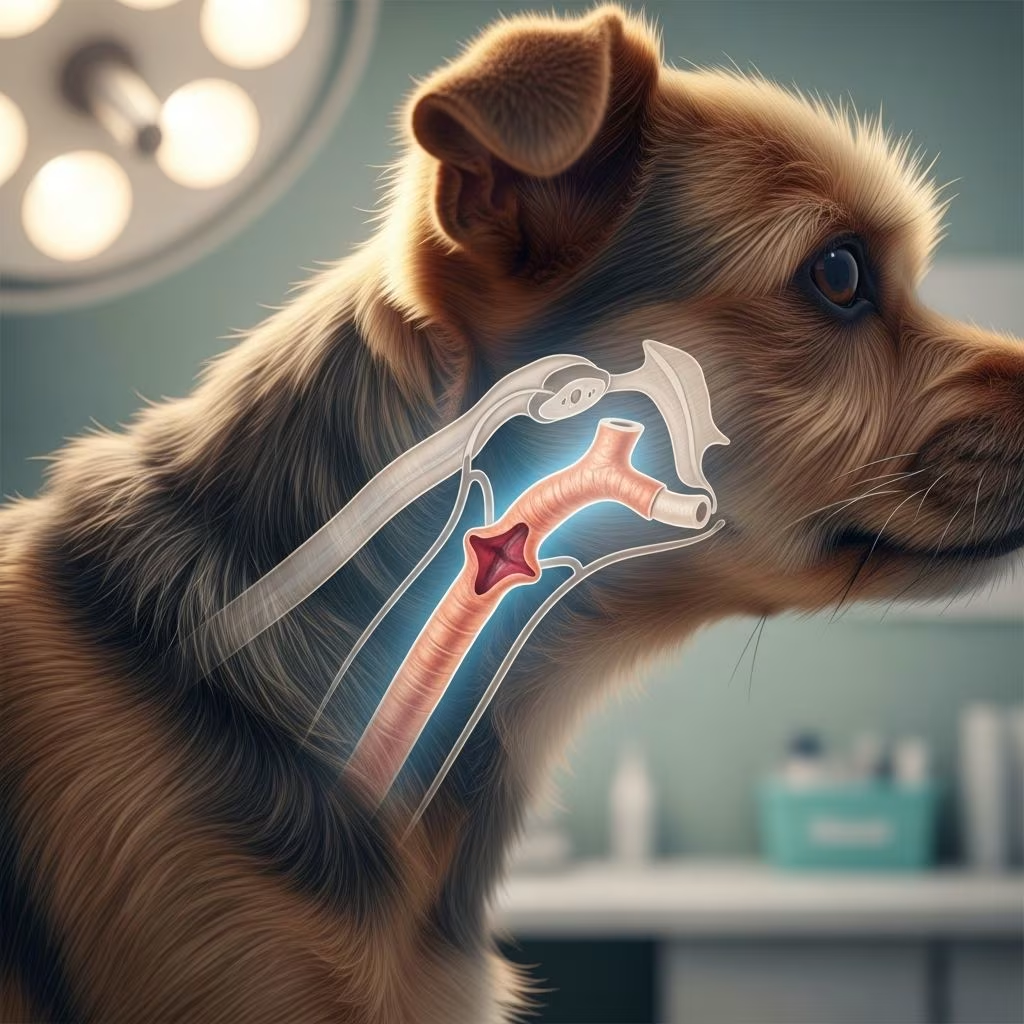
Tracheal collapse represents a significant respiratory challenge primarily affecting small dog breeds, where the windpipe’s supportive cartilage weakens, leading to airway obstruction during breathing. This condition manifests as a chronic, progressive disorder that demands prompt recognition and tailored management to safeguard a dog’s comfort and longevity.
Understanding the Anatomy and Pathology
The trachea, or windpipe, consists of C-shaped cartilage rings that maintain its openness, allowing air to flow freely to the lungs. In affected dogs, these rings soften—a process termed chondromalacia—causing the trachea to flatten, particularly during inhalation. This dynamic narrowing impedes airflow, triggering irritation and a hallmark coughing reflex.
Pathologically, the disorder can be congenital, with dogs born with inherently fragile cartilage, or acquired through degenerative changes over time. Factors like chronic inflammation from repeated coughing exacerbate the issue, creating a vicious cycle of airway trauma and further weakening.
Predisposed Breeds and Risk Factors
Small and toy breeds bear the brunt of this ailment, with Yorkshire Terriers, Pomeranians, Toy Poodles, and Chihuahuas showing heightened susceptibility. Middle-aged to senior dogs, typically around 6-7 years, commonly exhibit initial signs, though younger cases occur.
- Genetic predisposition: Inherited cartilage defects in miniature breeds.
- Obesity: Excess weight exerts pressure on the trachea, accelerating collapse.
- Environmental triggers: Smoke, dust, high humidity, and heat intensify symptoms.
- Concurrent conditions: Heart disease, elongated soft palate, or bronchitis compound respiratory distress.
A table summarizing high-risk breeds and their prevalence:
| Breed | Relative Risk | Typical Onset Age |
|---|---|---|
| Yorkshire Terrier | High | 6-8 years |
| Pomeranian | High | 5-7 years |
| Toy Poodle | Moderate-High | 6-7 years |
| Chihuahua | Moderate | 7+ years |
Recognizing the Warning Signs
The signature symptom is a harsh, dry cough resembling a goose honk, often provoked by exertion, excitement, eating, or collar pressure. This sound arises from airway vibration during partial obstruction.
Progressive indicators include:
- Rapid or labored breathing, especially post-activity.
- Wheezing or abnormal respiratory noises.
- Reduced stamina and lethargy.
- Cyanosis (blue gums/tongue) signaling oxygen deprivation.
- Collapse or fainting in acute episodes.
Owners frequently mistake these for kennel cough or allergies, delaying intervention. Triggers like humidity or irritants worsen bouts, potentially leading to pneumonia if unchecked.
Diagnostic Approaches
Veterinarians rely on history and physical exams first, noting breed, age, and cough characteristics. Definitive confirmation involves imaging:
- Radiographs (X-rays): Reveal tracheal narrowing, often fluoroscopy for dynamic views during breathing cycles.
- Endoscopy: Visualizes internal collapse directly.
- Echocardiography: Rules out cardiac contributions.
Severity is graded from I (mild, 25% collapse) to IV (severe, near-total obstruction), guiding therapy selection.
Comprehensive Treatment Strategies
Management blends medical, lifestyle, and occasionally surgical interventions, aiming to alleviate symptoms and avert crises. No cure exists, but many dogs thrive long-term.
Medical Therapies
Pharmacologic options target inflammation, spasms, and infections:
- Cough suppressants: Hydrocodone, butorphanol, or tramadol break the irritation cycle.
- Bronchodilators: Theophylline, terbutaline, or albuterol (oral/inhaled via AeroDawg) dilate airways.
- Anti-inflammatories: Prednisone or inhaled corticosteroids reduce swelling.
- Sedatives: Acepromazine or butorphanol calms excitement-induced flares.
- Antibiotics: Doxycycline for secondary infections, common due to aspiration risks.
Lifelong medication is standard, with adjustments based on response.
Lifestyle Modifications
Non-drug measures are foundational:
- Weight reduction via diet/exercise to lessen tracheal strain.
- Harness over collars to eliminate neck pressure.
- Avoidance of smoke, dust, pollen, and extreme weather.
- Elevated food/water bowls to minimize swallowing-related coughs.
- Humidifiers for dry air relief.
Surgical Interventions
For grades III-IV unresponsive to meds:
- Extraluminal rings: Plastic prosthetics encircle the trachea for support.
- Intraluminal stents: Mesh inserts prop open the lumen, though complication-prone (fracture, migration).
Surgery offers palliation, not normalization; cough may persist, and medical therapy continues. Success rates vary, with stents suiting cervical trachea best.
Emergency Care Protocols
Acute distress—marked by stridor, cyanosis, or collapse—necessitates immediate veterinary attention. Oxygen therapy, heavy sedation, and cooling stabilize patients. Delays risk fatality from asphyxiation.
Prognosis and Long-Term Outlook
Mild cases often stabilize with conservative care, granting years of good quality. Severe instances may progress, requiring intervention. Comorbidities like obesity or heart issues worsen forecasts. Regular vet check-ups monitor progression.
Preventive Measures for At-Risk Dogs
Though not fully preventable, strategies mitigate onset/deterioration:
- Maintain ideal body weight from puppyhood.
- Use harnesses exclusively.
- Minimize exposure to respiratory irritants.
- Early screening for high-risk breeds via imaging.
Holistic monitoring ensures timely action.
Frequently Asked Questions (FAQs)
Is tracheal collapse fatal in dogs?
Not typically, with proper management; however, untreated severe cases can lead to life-threatening crises.
Can diet help a dog with tracheal collapse?
Yes, weight loss diets reduce abdominal pressure on the trachea, easing symptoms significantly.
How effective is surgery for tracheal collapse?
It improves breathing in 70-90% of candidates but doesn’t eliminate cough and carries risks.
Does tracheal collapse affect large breeds?
Rarely; it’s overwhelmingly a small/toy breed issue.
Can medications cure tracheal collapse?
No, they control symptoms lifelong; surgery addresses structure.
Monitoring Your Dog’s Progress
Track cough frequency, exercise tolerance, and respiratory rate daily. Video episodes for vets. Annual radiographs assess changes. Adjust plans collaboratively with your veterinarian for optimal outcomes.
References
- Collapsing Trachea in Dogs – PetMD — PetMD. 2023. https://www.petmd.com/dog/general-health/collapsing-trachea-dogs-everything-you-need-know
- Tracheal Collapse | Today’s Veterinary Practice — Today’s Veterinary Practice. 2022. https://todaysveterinarypractice.com/respiratory-medicine/tracheal-collapse/
- Tracheal Collapse in Dogs | VCA Animal Hospitals — VCA Animal Hospitals. 2024. https://vcahospitals.com/know-your-pet/tracheal-collapse-in-dogs
- Tracheal Collapse in Dogs: Everything You Need to Know – MedVet — MedVet. 2023. https://www.medvet.com/tracheal-collapse-in-dogs/
- Tracheal Collapse in Dogs: Signs, Causes, and Treatment – WebMD — WebMD. 2023. https://www.webmd.com/pets/dogs/tracheal-collapse-dogs
- Tracheal collapse | Cornell University College of Veterinary Medicine — Cornell University College of Veterinary Medicine (.edu). 2024. https://www.vet.cornell.edu/departments-centers-and-institutes/riney-canine-health-center/canine-health-topics/tracheal-collapse
- Tracheal Collapse In Dogs: What It Is, Symptoms To Look For, And How To Treat It — Trudell Animal Health. 2023. https://trudellanimalhealth.com/blogs/blog/tracheal-collapse-in-dogs-what-it-is-symptoms-to-look-for-and-how-to-treat-it



