

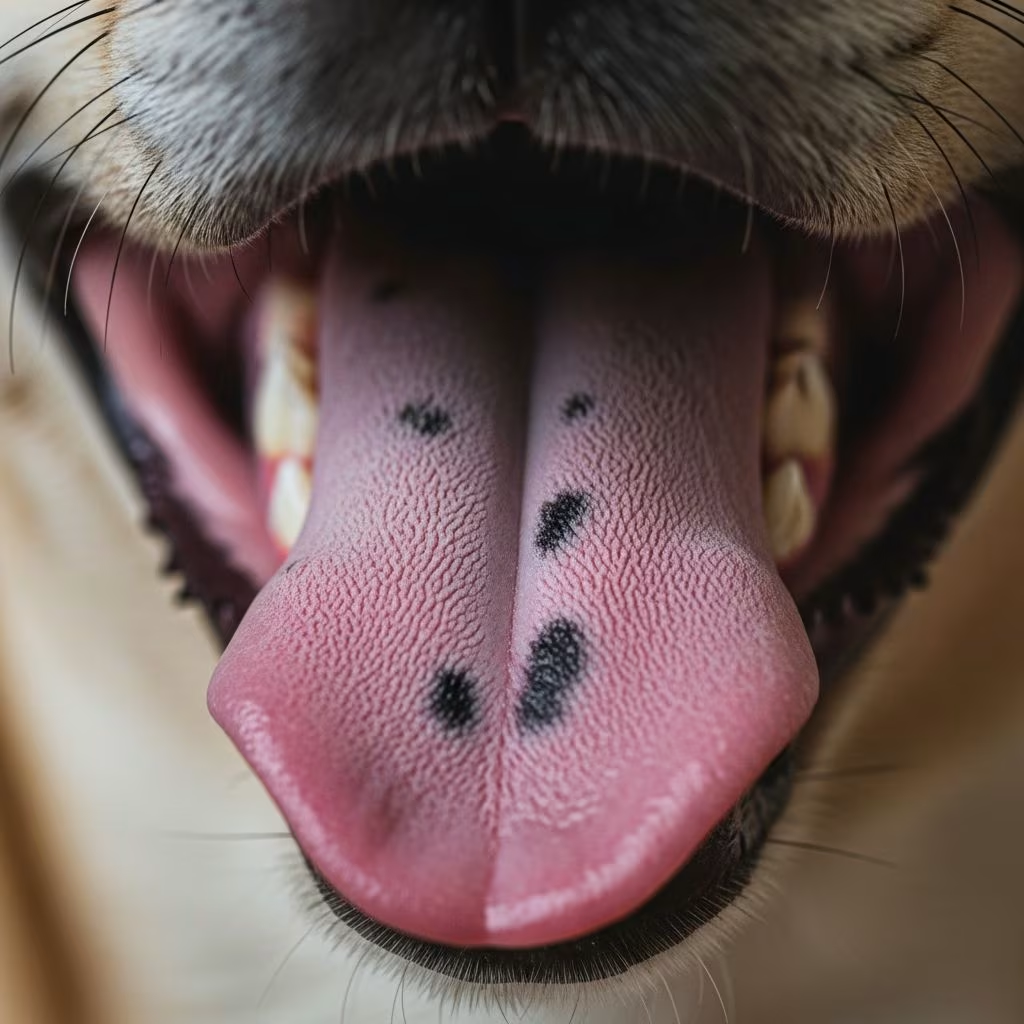
A dog’s tongue serves as a window into their overall health status. Pet owners often notice unusual coloration on their dog’s tongue and wonder whether this represents a normal variation or a sign of an underlying health concern. Black or darkly pigmented tongues are particularly common observations that warrant understanding, as they can range from completely benign hereditary traits to potential indicators of medical conditions requiring veterinary intervention.
The Science Behind Pigmented Dog Tongues
Understanding why some dogs develop dark tongues begins with comprehending how pigmentation works in canine biology. Melanin, the same compound responsible for determining eye color, fur coloration, and skin tone in dogs, also influences tongue appearance. When excess melanin accumulates in the tongue tissues, it creates the characteristic dark patches or complete darkening that many pet owners observe.
The biological process driving this pigmentation involves an enzyme called tyrosinase, which catalyzes melanin production within cells. In dogs with naturally pigmented tongues, this enzyme functions at elevated levels compared to breeds without this trait. This hyperpigmentation typically becomes visible around the eighth week of a puppy’s life, though all puppies are born with pink tongues regardless of their breed.
It’s important to note that pigmented areas of the tongue should maintain the same texture and flatness as unpigmented portions. Normal pigmentation creates a smooth surface with no raised bumps, lumps, or textural irregularities. The pigmented sections should appear as flat patches similar to freckles or birthmarks on human skin.
Genetic Predisposition in Specific Breeds
Certain dog breeds exhibit a significantly higher likelihood of developing black or bluish tongues due to their genetic heritage. Chow Chows and Shar Peis are the most commonly recognized breeds associated with this trait, though numerous other breeds can also display pigmented tongues.
For these breeds and others predisposed to tongue pigmentation, the dark coloration represents a normal variation that requires no medical intervention. Many dog owners of these breeds may observe spots that are so extensive they cover nearly the entire tongue surface. This widespread pigmentation remains completely harmless and poses no health risks to the animal.
The genetic tendency for tongue pigmentation can persist and even intensify as dogs age. Some dogs may experience changes in the pigmented areas over time, including deepening of color or subtle shifts in the shape and size of spots. These age-related changes, when they occur in genetically predisposed animals, remain entirely normal and do not indicate disease.
Distinguishing Normal Pigmentation from Concerning Changes
The most critical skill for pet owners involves recognizing the difference between benign inherited pigmentation and abnormal changes that warrant veterinary evaluation. Regular inspection of your dog’s mouth during routine teeth brushing provides an excellent opportunity to monitor tongue appearance and identify any worrying developments.
Several characteristics help distinguish normal pigmentation from potentially problematic conditions:
- Normal spots maintain consistent size and do not enlarge over time
- Pigmented areas remain completely flat with smooth texture
- No open sores, ulceration, or bleeding occur
- The affected areas cause no apparent discomfort or pain
- No accompanying symptoms such as difficulty eating or excessive drooling
When observing your dog’s tongue, watch for warning indicators that suggest something more serious than innocent pigmentation. Rapid growth of spots, uneven or irregular edges, raised, wart-like appearance, or development of open sores all represent red flags requiring immediate veterinary attention.
Oral Melanoma: Serious Malignant Conditions
While most dark tongue pigmentation represents harmless variations, oral melanoma represents a serious malignant tumor that can develop on the tongue, gums, and roof of the mouth. This condition differs fundamentally from benign pigmentation in both appearance and health implications.
Oral melanoma typically presents with multiple warning signs that should prompt immediate veterinary evaluation:
- Swelling and pain in the mouth and surrounding lymph nodes
- Noticeably foul-smelling breath
- Excessive panting unrelated to exercise or temperature
- Bleeding or discolored gums
- Drooling that contains blood or blood-tinged saliva
- Tooth loss or mobility
- Difficulty chewing or complete loss of appetite
- Reluctance to allow head or mouth touching
When melanoma develops, the malignant tissues create visible redness alongside the pigmented areas, resulting from the active growth of cancerous cells. This redness, combined with textural changes and other symptoms, distinguishes malignant growths from simple pigmentation.
Early detection dramatically improves treatment outcomes. If caught in the early stages, veterinarians may surgically remove the tumor and potentially recommend chemotherapy protocols. However, delayed diagnosis significantly reduces treatment effectiveness and prognosis.
Nutritional Deficiency and Black Tongue Disease
Niacin deficiency, also known as vitamin B3 deficiency, represents a rare but serious condition that can cause darkening of the tongue in dogs. This condition develops exclusively when dogs receive inadequate niacin in their diet, making it primarily a concern for dogs eating poor-quality commercial foods or improperly formulated homemade diets.
Niacin exists naturally in several food sources, particularly in protein-rich ingredients. Animal proteins including fish, red meat, and poultry contain abundant tryptophan, an amino acid that the body converts to niacin. Plant-based sources including legumes, seeds, and nuts also provide niacin, though in lower concentrations than animal sources.
Dogs lacking sufficient animal protein in their diet become vulnerable to niacin deficiency development. As the deficiency progresses, tongue darkening occurs alongside other systemic symptoms. Without dietary intervention and correction, prolonged niacin deficiency can result in severe health consequences, potentially culminating in death.
This condition emphasizes the importance of feeding dogs nutritionally complete diets formulated by veterinary nutritionists. Commercial dog foods meeting established nutritional standards contain appropriate niacin levels, making this deficiency increasingly uncommon in well-fed companion dogs.
Recognizing Urgent Tongue Color Changes
Beyond black pigmentation, other tongue color variations indicate serious health conditions requiring prompt veterinary intervention. Pet owners should recognize that sudden, unexpected changes in tongue color represent medical emergencies rather than normal variations.
| Tongue Color | Potential Health Concern | Associated Conditions |
|---|---|---|
| Pale Pink to White | Reduced Red Blood Cells | Anemia from internal bleeding, parasites, immune disorders, toxic ingestion |
| Dark Red, Purple, or Blue-Tinged | Oxygen Deprivation (Cyanosis) | Heatstroke, heart disease, electrical shock, severe burns, respiratory failure |
Pale tongues suggest anemia, a condition where red blood cell counts drop dangerously low. Multiple underlying causes can trigger anemia, from parasitic infections to internal bleeding to exposure to toxic substances. Any dog displaying sudden tongue pallor requires immediate veterinary examination to identify the underlying cause.
Purple, dark red, or blue-tinged tongues indicate cyanosis, a critical emergency where insufficient oxygen circulates through the bloodstream. This dangerous condition results from heart disease, heatstroke, respiratory compromise, or severe trauma. Cyanosis demands emergency veterinary care to restore adequate oxygenation and stabilize the dog’s condition.
When tongue color changes occur alongside additional concerning symptoms—such as struggling to breathe, difficulty eating, bleeding from the mouth, or visible distress—emergency veterinary care becomes essential.
Other Oral Conditions Affecting Tongue Appearance
Beyond melanin-related changes, several other oral conditions can alter tongue color or appearance. Stomatitis, inflammation of the mouth tissues, can change tongue appearance and create discomfort during eating. Papillomas, benign wart-like growths, sometimes develop on the tongue surface and require differentiation from malignant conditions.
Dehydration can subtly affect tongue appearance, while thermal burns from eating extremely hot food or objects cause visible tongue damage. Each of these conditions requires specific veterinary assessment to determine appropriate treatment and prevent complications.
Practical Monitoring and Prevention
Pet owners can implement several simple practices to maintain awareness of their dog’s oral health and identify potential problems early:
- Incorporate mouth inspection into regular teeth brushing routines
- Note the baseline appearance of your dog’s tongue to recognize changes
- Photograph tongue appearance for reference when discussing concerns with veterinarians
- Monitor for behavioral changes related to eating or mouth sensitivity
- Maintain a consistent nutritional diet meeting your dog’s complete dietary requirements
- Schedule regular veterinary examinations that include oral health assessment
Establishing these habits allows early detection of problems before they progress to serious stages, significantly improving treatment outcomes when medical intervention becomes necessary.
When to Seek Veterinary Consultation
Pet owners should schedule veterinary appointments for tongue-related concerns when they observe any of the following:
- Rapid growth or change in existing pigmented spots
- Development of new spots or color changes
- Texture changes from smooth to bumpy or raised appearance
- Open sores, ulceration, or bleeding
- Foul-smelling breath without other obvious causes
- Difficulty eating or loss of appetite
- Excessive or blood-tinged drooling
- Apparent pain when the mouth is touched
- Any sudden change in tongue color unrelated to breed characteristics
While many tongue pigmentation variations prove completely harmless, erring on the side of caution ensures prompt identification and treatment of any conditions requiring intervention.
Frequently Asked Questions
Is a black tongue always a sign of poor health in dogs?
No. Many dogs, particularly Chow Chows, Shar Peis, and mixed breeds carrying these genetics, naturally develop black or pigmented tongues. These markings represent harmless variations unrelated to health status. However, sudden appearance of black spots in dogs without this hereditary trait warrants veterinary evaluation.
Can tongue pigmentation change as dogs age?
Yes. In genetically predisposed dogs, pigmented areas may deepen, lighten, expand, or shift slightly in shape as the dog ages. These age-related changes remain normal. However, rapid or dramatic changes accompanied by other symptoms require veterinary assessment.
What breeds most commonly have black tongues?
Chow Chows and Shar Peis are most famously associated with black tongues, though numerous other breeds and mixed dogs can display this trait. Any breed can potentially have a dog with tongue pigmentation.
How can I differentiate between normal pigmentation and oral melanoma?
Normal pigmentation appears flat and smooth, never changing size or texture. Melanoma presents as raised, bumpy areas that grow rapidly, have irregular edges, develop open sores, and cause obvious discomfort or eating difficulties. Veterinary examination provides definitive diagnosis.
Does diet affect tongue pigmentation in dogs?
While normal pigmentation depends on genetics rather than diet, severe niacin deficiency can cause tongue darkening. Feeding a nutritionally complete, high-quality diet prevents nutritional deficiency-related tongue changes.
References
- Why Is My Dog’s Tongue Black? Vet-Approved Canine Health Facts — Dogster. 2024. https://www.dogster.com/dog-health-care/why-is-my-dogs-tongue-black
- Black Spots on Dogs’ Tongues — Cobb er Dog King. 2024. https://www.cobberdogking.com/en/blog/article/black-spots-on-dogs-tongues
- Dogs Tongue Colour: What It Reveals About Their Health — Barf India. 2024. https://barfindia.com/blogs/blog/dogs-tongue-colour-and-illness
- Cyanosis in Dogs: What It Looks Like and How It’s Treated — Vetster. 2024. https://vetster.com/en/wellness/cyanosis-in-dogs-what-it-looks-like-and-how-it-s-treated
- Black Spot on Dog Tongue: When It’s Normal and When to Worry — Furry Green. 2024. https://furrygreen.hk/blogs/blog/black-spot-on-dog-tongue-normal-or-not



