

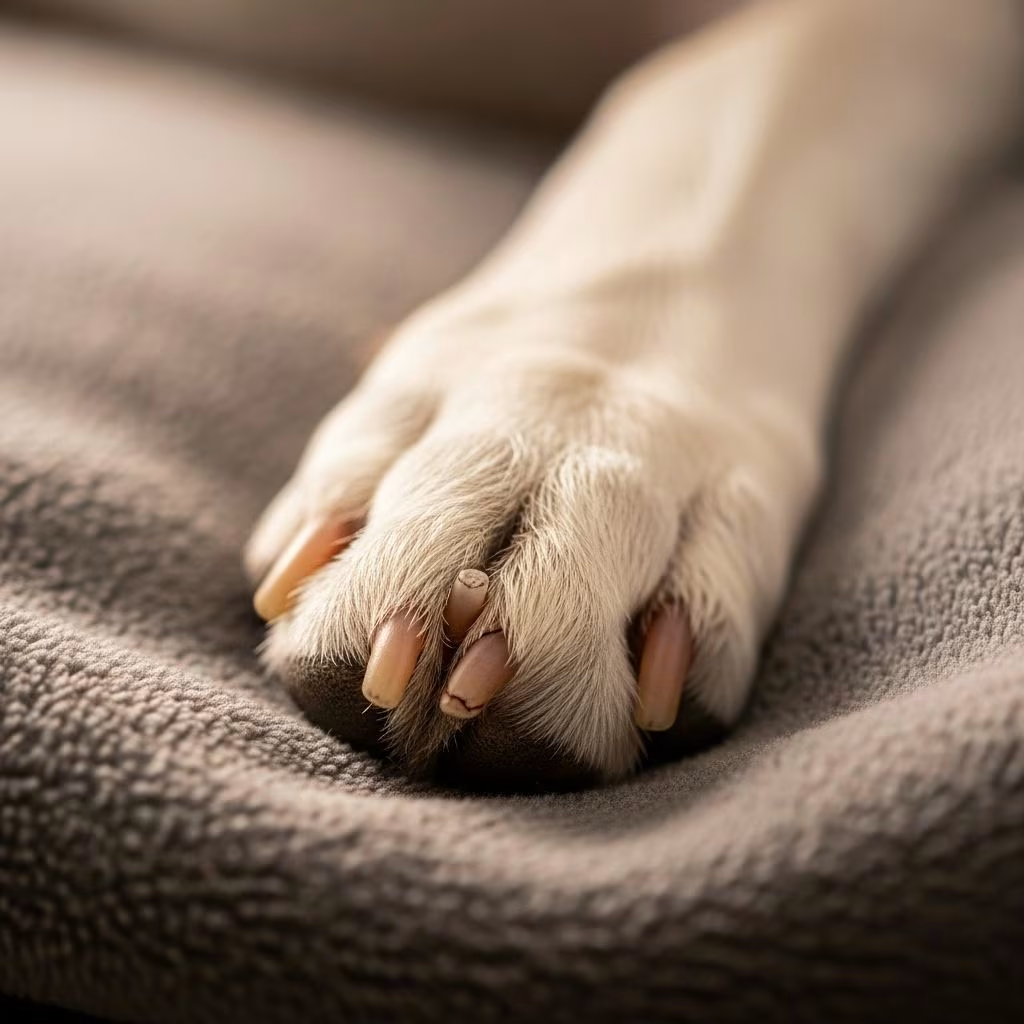
Dogs rely heavily on their paws for mobility, comfort, and daily activities. When a toenail becomes injured, it can significantly impact your pet’s quality of life and overall health. Unlike human nails, canine toenails are directly attached to the bone structure at the end of the phalanges, making them particularly vulnerable to complications if an injury occurs. Understanding the types of injuries that commonly affect dog toenails, recognizing warning signs, and knowing how to respond can help you protect your furry companion and prevent serious complications.
The Anatomy of a Dog’s Toenail and Why Injuries Matter
The structure of a dog’s toenail differs fundamentally from a human nail. Dog toenails are attached directly to the end bone of each toe, creating a direct pathway for infection to spread into the bone itself if the nail becomes damaged. This anatomical difference explains why even what appears to be a minor toenail injury can quickly become serious. The nail bed, also called the quick, contains blood vessels and nerve endings that are highly sensitive. When the quick is exposed through a break or tear, your dog experiences significant pain and faces risk of infection, particularly bone infection (osteomyelitis), which requires aggressive treatment.
Because toenails bear weight during movement and jumping, they endure considerable stress throughout the day. This constant pressure makes them susceptible to breaking, cracking, and tearing, particularly in active dogs or those with naturally brittle nails.
Common Types of Toenail Injuries in Dogs
Broken and Torn Nails
Broken and torn toenails represent the most frequently occurring toenail injury in dogs. These injuries typically happen when a dog’s nail becomes caught in carpeting, tangled in rough surfaces, or traumatized during vigorous play and exercise. The severity can range from a small chip to a complete separation of the nail from the nail bed.
When a toenail breaks or tears, especially if the break extends below the surface, the sensitive quick becomes exposed. This exposure causes immediate pain and creates an entry point for bacterial or fungal pathogens. The longer the broken nail remains attached but damaged, the greater the risk of ongoing trauma and infection.
Nail Bed Infections
Infections of the nail bed develop when bacteria or fungi enter through an injury site, improper grooming technique, or as a secondary complication of other health conditions. Signs of infection include swelling, redness, discharge that may appear purulent, and odor around the nail area. Your dog may also exhibit excessive licking or chewing of the affected paw.
Fungal infections are particularly problematic because they can spread to surrounding tissue and become chronic if not treated promptly and thoroughly. Bacterial infections may progress to bone involvement, which dramatically complicates treatment and recovery.
Bleeding Nails
Bleeding from a toenail indicates that the injury has penetrated deep enough to damage the vascular supply within the nail bed. While minor bleeding may stop on its own, persistent or heavy bleeding suggests significant trauma requiring veterinary evaluation. Continued bleeding can lead to blood loss, pain, and increased infection risk as the wound remains open.
Recognizing Injury Symptoms
Early identification of toenail problems allows for prompt intervention and better outcomes. Watch for these indicators that your dog may have a toenail injury:
- Lameness or limping: Your dog avoids putting normal weight on the affected paw, which is often the first noticeable sign.
- Pain response: Yelping, whining, or pulling away when the paw is touched indicates significant discomfort.
- Visible nail damage: Broken, split, bleeding, or misshapen nails are obvious indicators of injury.
- Excessive licking: Dogs frequently lick injured paws, which can introduce additional bacteria and prevent healing.
- Swelling or redness: Inflammation around the nail bed suggests either the injury itself or developing infection.
- Discharge or crusting: Any oozing, pus, or crusty material around the nail base indicates possible infection.
- Behavioral changes: Reluctance to play, jump, or engage in normal activities may reflect pain or discomfort.
Immediate First Aid Steps
Restraint and Safety
Before attempting any treatment, safely restrain your dog to prevent further injury and ensure your safety. Even the most docile dog may bite when experiencing pain. Ask another person to hold your pet securely or consider using a soft muzzle if necessary. A calm approach that provides reassurance will help reduce your dog’s stress during treatment.
Controlling Bleeding
If bleeding is present, your first priority is to stop it:
- Wrap the foot gently in clean gauze or a soft towel
- Apply steady, gentle pressure to the injured toe
- Maintain pressure for five to ten minutes while checking for continued bleeding
- If bleeding persists beyond ten minutes, apply a styptic pencil, silver nitrate stick, or cauterizing powder (available at pet stores or human first aid sections)
- Alternative options include baking powder, flour, or cornstarch pressed onto the nail tip
- Another technique involves inserting the nail tip into a bar of soap to help seal the wound
Avoid wrapping the paw too tightly, as excessive pressure can cause swelling and further compromise circulation.
Removing Loose Nail Fragments
Once bleeding is controlled, examine the nail for loose or hanging pieces. If part of the nail is dangling, use sharp, clean nail trimmers to gently remove the loose portion above the break line. This prevents the nail from snagging on surfaces and causing additional trauma. Be gentle during this step, as the nail bed remains sensitive.
Wound Cleaning and Protection
After removing any loose fragments and confirming bleeding has stopped, gently clean the nail area with warm water. Dry the paw thoroughly, then apply a clean gauze bandage or non-adherent pad to protect the wound from contamination. A light dog bandage can hold the protective dressing in place without restricting circulation.
When to Seek Veterinary Care
While minor nail injuries may heal with basic first aid, certain situations require professional veterinary evaluation:
| Condition | Urgency Level | Action Required |
|---|---|---|
| Persistent bleeding after 10-15 minutes of pressure | Urgent | Contact veterinarian immediately or visit emergency clinic |
| Completely torn off nail with exposed quick | Urgent | Seek emergency veterinary care |
| Signs of infection (swelling, redness, discharge) | High | Schedule veterinary appointment within 24 hours |
| Severe pain or lameness lasting more than a few hours | High | Contact veterinarian for evaluation |
| Minor break or chip with controlled bleeding | Routine | Contact veterinarian within 12-24 hours |
Professional Veterinary Treatment Approaches
Nail Trimming and Repair
Your veterinarian will assess the extent of damage and determine whether the nail can be salvaged or must be removed entirely. If part of the nail is still viable, the veterinarian carefully trims away the damaged portion above the break line, creating a clean edge that promotes proper regrowth. This procedure may cause discomfort, and depending on the severity and location of the break, your veterinarian may recommend sedation or local nerve blocks to manage pain during the procedure.
Infection Prevention and Management
Protecting the nail bed from infection is critical because the quick’s attachment to bone creates a direct pathway for pathogens to reach skeletal tissue. Your veterinarian may apply antibiotic ointment or antimicrobial powder to the exposed nail bed and apply a protective bandage. In many cases, oral or injectable antibiotics are prescribed to prevent or treat developing infections. The specific antibiotic chosen depends on the type of infection suspected, as only certain medications effectively penetrate bone tissue.
Pain Management and Follow-Up
Pain medications help your dog remain comfortable during the healing process, which typically takes several weeks for the nail to regrow completely. Your veterinarian will schedule follow-up visits to monitor healing progress, change bandages if necessary, and assess for signs of complications. During recovery, you’ll receive specific instructions for home care, including how to keep the bandage clean and dry and when to restrict your dog’s activity.
Prevention Strategies for Toenail Health
Regular Nail Maintenance
The most effective prevention strategy involves maintaining appropriate nail length through regular trimming. Short nails are significantly less likely to break than long nails because they experience less leverage stress and are less prone to catching on surfaces. Establish a routine trimming schedule appropriate for your dog’s breed, age, and activity level. Most dogs benefit from nail trims every three to six weeks.
Environmental Modifications
Reduce your dog’s exposure to situations that increase toenail injury risk. This may include limiting access to rough concrete surfaces, providing padded areas for jumping and running, and trimming or removing carpeting that can catch nails. For active dogs, consider protective booties during outdoor play in rough terrain.
Underlying Health Management
Some dogs develop brittle or weak nails due to nutritional deficiencies, allergies, or systemic health conditions. If your dog experiences recurrent nail problems, discuss dietary modifications, allergy management, or screening for underlying health issues with your veterinarian.
Frequently Asked Questions
How long does it take for a dog’s broken toenail to heal?
Complete healing and regrowth of a dog’s toenail typically takes four to six weeks, depending on the severity of the injury and whether complications develop. During this period, the nail gradually grows out from the base, and the damaged portion is shed as new growth pushes it forward.
Can a dog’s toenail fall off completely?
Yes, severely damaged nails may detach completely. This is actually beneficial in many cases, as it removes the source of ongoing trauma and allows a healthy new nail to grow. The nail bed will be tender during this period and requires protective bandaging and monitoring for infection.
Is limping always a sign of a serious toenail injury?
While limping often indicates a significant injury, mild cases may not cause noticeable lameness, especially if the break is at the tip of the nail. However, any visible nail damage warrants evaluation, even without obvious lameness, because infection can develop without dramatic initial symptoms.
What’s the difference between a vet trimming the nail and my dog’s nail breaking?
A controlled veterinary trim creates a clean edge and stops above the quick to prevent bleeding. A traumatic break is irregular, uncontrolled, and often exposes the sensitive quick, causing pain and creating an infection risk that a careful trim would not produce.
Conclusion: Prioritizing Paw Health
Toenail injuries in dogs range from minor to serious, but all warrant attention and appropriate care. By understanding the unique vulnerability of canine toenails, recognizing injury symptoms early, and knowing how to provide initial care, you can help protect your dog from complications. Regular nail maintenance remains the most powerful prevention tool, reducing the likelihood of injury and supporting overall paw health. When injuries do occur, prompt veterinary evaluation ensures proper treatment and prevents the development of painful, costly infections that could affect your dog’s mobility and quality of life for weeks or months.
References
- Why a Vet Visit is Needed if Your Dog’s Toenail is Bleeding — Parrish Veterinary Clinic & Urgent Care. 2024. https://parrishvetclinic.com/blog/dogs-toenail-is-bleeding/
- First Aid for Broken Nails in Dogs — VCA Animal Hospitals. 2024. https://vcahospitals.com/know-your-pet/first-aid-for-broken-nails-in-dogs
- Broken Nails (& other paw injuries) — Pawtown Veterinary Care. 2024. https://pawtownvet.com/broken-nails-other-paw-injuries/
- What to Do if Your Dog Breaks or Tears a Nail — MedVet. 2024. https://www.medvet.com/what-to-dog-if-your-dog-breaks-or-tears-a-nail/
- Dog Nail Problems You Should Know About — VetDERM Clinic. 2024. https://www.vetdermclinic.com/dog-nail-problems-you-should-know-about/
- First Aid for Broken Nails on Dogs — PetMD. 2024. https://www.petmd.com/dog/care/first-aid-broken-nails-dogs



