

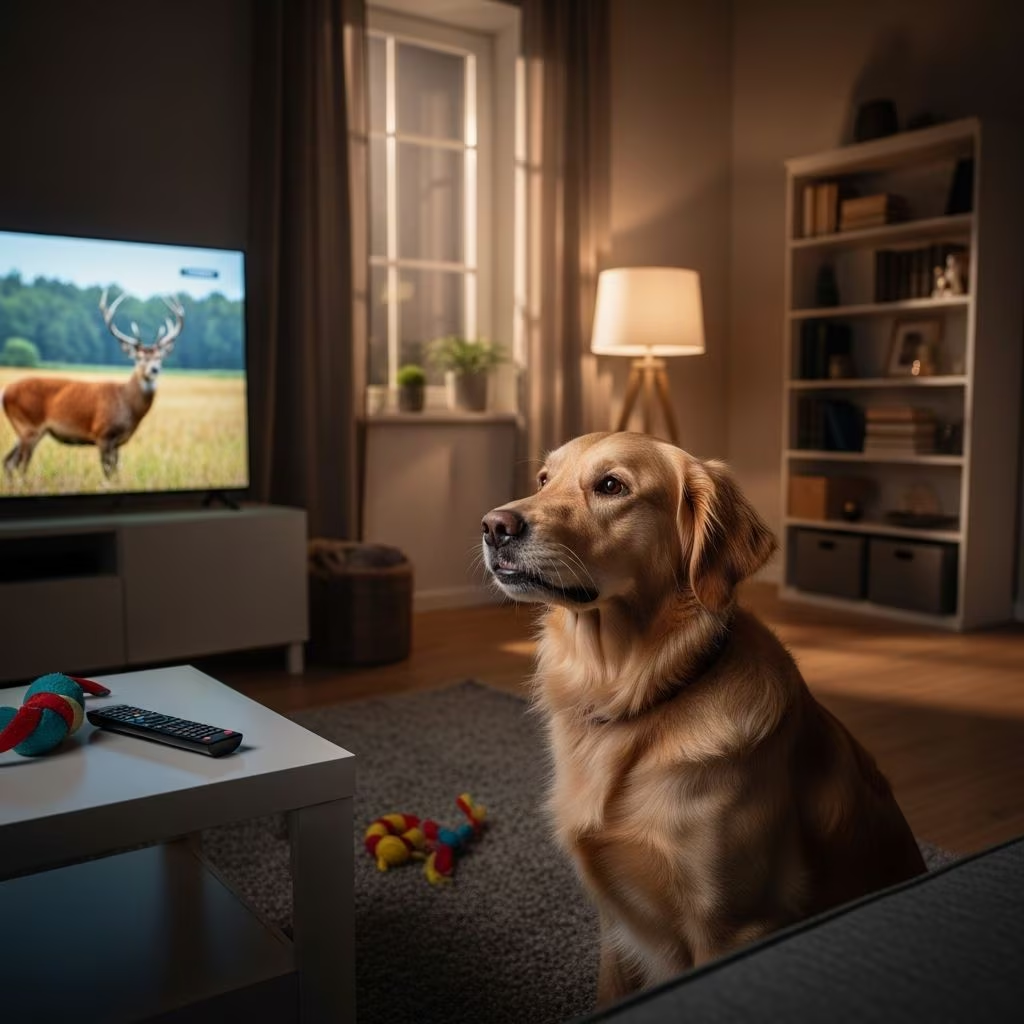
Many dog owners experience the frustration of their pets barking, lunging, or becoming overly excited when the television is turned on. This behavior, commonly referred to as television reactivity, is a widespread issue that can disrupt household peace and create stress for both the dog and its family members. While it may seem like an unusual or problematic behavior, television reactivity in dogs is actually a fairly common response rooted in canine instincts and perception. Understanding the underlying causes of this behavior is the first step toward implementing effective management strategies.
The Natural Instincts Behind Television Reactivity
Dogs have evolved with a keen sensitivity to movement and sound, traits that served them well as hunters and pack animals. When a dog watches television, the moving images and accompanying audio can trigger these natural instincts. The flickering images on screen mimic the movement of prey or other animals, which can activate your dog’s predatory drive or social curiosity. Additionally, the sounds emanating from the television—whether they are barking, growling, or the sounds of animals in their natural environments—can trigger a dog’s territorial or defensive responses.
The evolution of television technology has made this issue more prevalent in recent years. Modern high-definition televisions produce clearer, sharper images that are more easily recognizable to dogs compared to older television models. The increased visual clarity and smooth motion in contemporary broadcasting means that dogs are now more likely to perceive television content as a genuine threat, opportunity, or social interaction rather than as abstract images on a screen.
Identifying the Root Causes of Your Dog’s TV Behavior
Television reactivity in dogs manifests for several distinct reasons, and identifying the specific cause behind your dog’s behavior is crucial for developing an effective intervention strategy.
Excitement and Stimulation Response
Many dogs bark at the television due to heightened excitement rather than aggression or fear. When dogs recognize familiar animals or experience the sensory stimulation of moving images and sounds, they may become emotionally aroused. This excitement can manifest as barking, jumping, lunging toward the screen, or attempts to interact with the television. Dogs experiencing excitement-based reactivity often display playful body language and seem eager to engage with what they perceive on screen.
Cognitive Confusion
Some dogs struggle to understand the nature of television. They may perceive the animals and objects on screen as real entities that exist in their living space but are somehow inaccessible. This confusion can lead to frustration, anxiety, or attempts to locate the source of the images and sounds. The dog’s inability to reach or interact with what appears to be real can trigger stress responses and reactive barking.
Sound Sensitivity
Dogs possess hearing capabilities that far exceed human ability, and they can detect frequencies and intensity levels that we cannot perceive. Television soundtracks, barking, high-pitched noises, or sudden loud sounds can be particularly triggering for sound-sensitive dogs. These auditory stimuli may cause discomfort, alertness, or defensive reactions that manifest as barking or other reactive behaviors.
Threat Perception
For some dogs, television content triggers protective or defensive instincts. A dog may perceive barking from the television as a territorial threat or view animals on screen as intruders in their environment. Anxious or fearful dogs may bark as a defensive mechanism, attempting to warn their family members or protect their territory from the perceived threat.
Practical Strategies for Managing Television Reactivity
Environmental Modification Techniques
One of the most straightforward approaches to reducing television reactivity involves modifying the viewing environment to decrease the intensity of stimulation your dog receives. By making the television less engaging or less triggering, you can create a foundation upon which to build more advanced training techniques.
Volume Adjustment: Begin by reducing the television volume to the lowest comfortable level for human viewers. Lower volume significantly decreases the auditory stimulation that triggers reactive responses in many dogs. This simple modification often results in immediate improvements in behavior.
Viewing Angle and Distance: Position your dog at an angle to the television rather than directly in front of it. The steeper the angle, the less clearly your dog can see the screen, which reduces the likelihood of triggering a reaction. Additionally, increasing the physical distance between your dog and the television diminishes the intensity of visual stimulation.
Content Selection: Not all television content triggers equal reactivity in dogs. Real animals and actual dogs tend to provoke stronger responses than cartoon animals or abstract imagery. Start with programming featuring animated animals or non-representational content to establish a baseline where your dog can remain calm.
Desensitization and Counter-Conditioning
Desensitization and counter-conditioning represent the most effective long-term strategies for addressing television reactivity. These behavioral modification techniques work by gradually changing your dog’s emotional and physiological response to television stimuli.
The Desensitization Process: Desensitization involves exposing your dog to the triggering stimulus—in this case, television—at such a low intensity that no reactive response occurs. Over time, you gradually increase the intensity of the stimulus while maintaining your dog’s calm state. This process essentially teaches your dog that television is not a threat or source of extreme excitement.
Begin by turning on the television at minimal volume while your dog is at a distance that prevents reactive behavior. Simultaneously, engage in a positive activity such as feeding your dog his regular meal or providing high-value treats. The association between calm behavior and positive outcomes begins to reshape your dog’s emotional response to the presence of television.
Gradually increase the television volume over multiple sessions, monitoring your dog’s behavior carefully. If your dog begins to react, you have increased the intensity too quickly. Return to a lower volume level where your dog remains calm and progress more slowly. Once your dog tolerates normal television volume without reactive behavior, begin moving his feeding location incrementally closer to the television.
Counter-Conditioning Application: Counter-conditioning builds upon desensitization by actively rewarding calm behavior in the presence of television triggers. Rather than simply allowing your dog to acclimate to television passively, you actively reinforce moments when your dog chooses not to react.
Select videos or television content that mildly triggers your dog’s reactivity. Position yourself with high-value treats readily available. Begin playing the content and observe your dog carefully. The moment before your dog begins to bark or react, immediately offer a treat and verbal praise. By consistently rewarding the calm behavior that precedes reactivity, your dog learns that remaining quiet and composed results in positive consequences.
Over multiple training sessions, gradually transition to television content that previously triggered strong reactions. The repeated association between calm behavior and rewards effectively changes your dog’s emotional response from excitement or anxiety to anticipation of treats and praise.
Implementing a Structured Training Protocol
Effective management of television reactivity requires a systematic, progressive approach. Rather than exposing your dog to the full intensity of normal television watching immediately, follow this graduated protocol:
- Begin with the television on at level one volume, your dog positioned ten feet away at a steep viewing angle, while cartoon animals play on screen
- Maintain this baseline for multiple sessions until your dog remains completely calm
- Gradually increase television volume in small increments over subsequent sessions
- Progressively move your dog closer to the television as he demonstrates continued calm behavior
- Transition from cartoon animals to real animals as your dog’s tolerance improves
- Shift from steep viewing angles to more direct viewing positions
- Eventually progress to normal volume, close proximity, and realistic animal content
Alternative Management Approaches
While desensitization and counter-conditioning address the root causes of television reactivity, alternative management strategies can provide immediate relief and support the training process.
Physical Separation: During periods when you don’t have time for active training, manage the behavior through physical separation. Place your dog in a separate room, crate, or behind a baby gate where he cannot see or hear the television. Provide appropriate enrichment such as chew toys, puzzle feeders, or long-lasting treats to keep him occupied and prevent him from self-rewarding through barking.
Leash Management: When you are present and can actively train, keep your dog on a leash during television time. If barking begins, gently guide your dog away from the television and toward you. Present a treat and wait for him to quiet down before offering the reward. This technique teaches your dog that calmness and proximity to you—rather than reactivity toward the television—results in positive outcomes.
Redirect to Alternative Behavior: Train your dog to settle on a designated bed or mat while the television is on. This provides an alternative focus and physical location that becomes associated with calm, controlled behavior. Rewarding settlement on the bed redirects your dog’s attention away from the television and establishes a positive behavioral pattern.
Frequently Asked Questions
How long does it take to resolve television reactivity?
The timeline for improvement depends on the severity of your dog’s reactivity, his individual temperament, and the consistency of your training efforts. Some dogs show improvement within two to three weeks of consistent desensitization, while others may require several months. Regular, frequent training sessions accelerate progress more effectively than sporadic or inconsistent efforts.
Will my dog ever be able to watch TV calmly?
Yes, most dogs can learn to remain calm during television viewing through systematic desensitization and counter-conditioning. However, some dogs may always show mild interest in television content. The goal is to reduce reactivity to manageable levels where barking and lunging cease.
Should I punish my dog for barking at the TV?
Punishment is counterproductive and can exacerbate the problem by creating additional anxiety. Focus instead on rewarding calm behavior and gradually reducing the triggering intensity through environmental modification and desensitization.
Does breed influence television reactivity?
While individual temperament varies more than breed tendencies, dogs with strong prey drives or heightened alertness may show increased reactivity to television content. However, any dog can develop television reactivity regardless of breed.
Creating Long-Term Success
Successfully managing your dog’s television reactivity requires patience, consistency, and realistic expectations. The techniques outlined in this article—environmental modification, desensitization, counter-conditioning, and behavioral redirection—work synergistically to address both the symptoms and underlying causes of this common behavior.
By taking a thoughtful, graduated approach rather than simply restricting your dog’s access to the television or attempting to suppress the behavior through punishment, you can fundamentally change how your dog perceives and responds to television stimuli. The investment in proper training now will result in a more relaxed household and a calmer, more confident canine companion.
References
- How to Stop Your Dog From Barking at the TV (Step-by-Step Guide) — SpiritDog Training. 2024. https://www.youtube.com/watch?v=my2wsPThU-4
- How I Stopped My Dog From Barking at the TV — Puppy Leaks. 2024. https://www.puppyleaks.com/barking-at-tv/
- Ask Our Trainers: How Do I Stop My Dog From Barking at the TV? — American Kennel Club. 2024. https://www.akc.org/expert-advice/training/ask-our-trainers-dog-barking-at-tv/
- How To Fix Your Dog’s TV Barking: The Simple Plan for TV Reactivity — Terrie Hayward Training. 2024. https://www.youtube.com/watch?v=Imflnrd7TGI
- How to Stop Your Dog From Lunging at the TV — Loving Pets Products. 2024. https://lovingpetsproducts.com/blog/dog-lunges-at-tv/



