

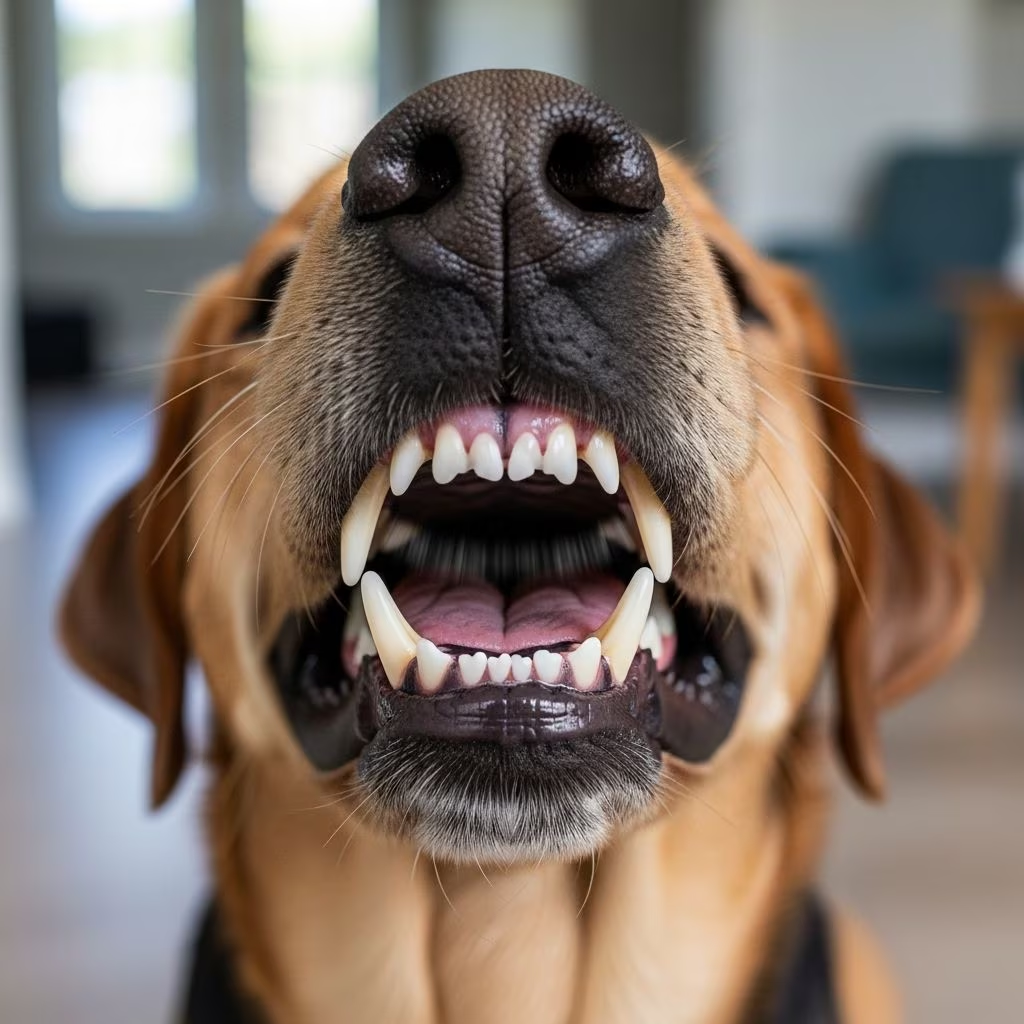
If you’ve noticed your dog’s teeth clicking or chattering together, you’re not alone in observing this peculiar behavior. Teeth chattering in dogs is a relatively common phenomenon that can occur for a variety of reasons, ranging from completely harmless to potentially serious health concerns. Understanding what triggers this behavior and when it requires professional attention is essential for responsible pet ownership.
Distinguishing Between Normal and Abnormal Chattering
Teeth chattering in dogs can manifest differently depending on the underlying cause. In some instances, it represents a normal response to environmental or emotional stimuli, while in other cases, it may indicate an underlying health condition that demands veterinary intervention. The key to determining which category your dog’s chattering falls into lies in observing the frequency, duration, and context in which the behavior occurs.
When your dog chatters their teeth occasionally and the behavior stops quickly once the trigger is removed, it’s generally not a cause for concern. However, persistent chattering that occurs multiple times throughout the day, intensifies over time, or happens without any obvious trigger warrants a closer examination by a qualified veterinarian.
Physical Discomfort and Oral Pain as Primary Causes
One of the most significant reasons dogs exhibit teeth chattering relates to physical pain or discomfort, particularly within the oral cavity. Dental and oral health problems represent one of the most common culprits behind this behavior. Dogs experiencing dental pain often chatter their teeth as an involuntary response to discomfort, much like humans might clench their jaws when experiencing stress or pain.
Dental Disease and Tooth-Related Issues
Periodontal disease stands as one of the leading causes of teeth chattering in dogs. This progressive condition affects the tissues supporting the teeth and can cause significant pain and inflammation. Additional dental problems that may trigger chattering include:
- Fractured or broken teeth that expose the sensitive inner structure
- Dental abscesses, which are localized infections at the tooth root
- Rotten or decayed teeth
- Cavities or cavitation
- Loose or missing teeth
- Excessive plaque and tartar accumulation
Identifying dental disease early can prevent progression and associated pain. Common signs that your dog may be suffering from dental problems include foul-smelling breath, visible bleeding from the gums, reluctance to eat or favoring one side of the mouth when chewing, and reduced interest in playing with toys that require chewing.
Temporomandibular Joint Dysfunction
The temporomandibular joint (TMJ) is the connection point where the upper and lower jaws meet, and dysfunction in this area can produce teeth chattering as a symptom. TMJ disorder causes pain in the jaw joint itself, which the dog may express through involuntary jaw movements. Conditions affecting this joint include arthritis, jaw fractures, or structural abnormalities that interfere with proper jaw alignment and movement. A veterinarian can evaluate the TMJ by gently opening and closing the dog’s mouth while feeling for grinding sensations or resistance to movement.
Gastrointestinal Contributors
The connection between gastrointestinal distress and teeth chattering may seem unexpected, but several digestive conditions can trigger this behavior. When dogs experience nausea, they often exhibit jaw clenching or chattering. Other gastrointestinal issues associated with teeth chattering include:
- Vomiting or the sensation of impending vomiting
- Gastroesophageal reflux disease
- Stomach ulcers
- General intestinal discomfort
When the jaw remains clenched due to nausea, the teeth naturally rub together, producing the characteristic chattering sound. Your veterinarian may recommend laboratory work and imaging such as ultrasound or endoscopy to diagnose gastrointestinal causes.
Emotional and Behavioral Triggers
Beyond physical pain, dogs frequently chatter their teeth in response to emotional stimuli and psychological states. These behavioral manifestations are usually temporary and cease once the emotional trigger is removed.
Excitement and Positive Anticipation
Dogs may display teeth chattering when anticipating something pleasurable, such as an approaching meal, the promise of playtime, or the prospect of a walk. This excitement-related chattering typically occurs alongside other indicators of enthusiasm, including tail wagging, jumping, or playful body language. This type of chattering is harmless and reflects your dog’s enthusiasm about an upcoming positive event.
Anxiety and Stress Responses
Conversely, teeth chattering frequently accompanies anxiety and stress in dogs. Situations that commonly trigger anxious chattering include veterinary visits, thunderstorms, loud noises, separation from owners, or other stressful circumstances. When anxiety-driven, you may observe additional stress indicators such as panting, pacing, whining, or attempts to hide. Understanding your dog’s anxiety triggers and noting patterns helps you communicate effectively with your veterinarian about the behavior.
Sensory Responses and the Flehmen Reaction
Dogs possess a highly developed olfactory system, and teeth chattering sometimes results from their natural sensory processing of specific scents. This behavior is connected to the Flehmen response, a specialized sensory mechanism. When dogs encounter certain odors—particularly pheromones from other animals such as another dog’s urine—they may chatter their teeth while simultaneously curling back their upper lips. This response involves drawing scent molecules toward the vomeronasal organ, located in the roof of the mouth, which processes pheromone information. This type of chattering is typically brief and harmless, representing normal canine behavior rather than a health concern.
Temperature Regulation and Physical States
In some cases, teeth chattering occurs as a thermoregulatory response when dogs experience cold temperatures. Small breeds or dogs with minimal coat coverage may be more prone to displaying this shivering-like behavior in chilly environments. Additionally, teeth chattering can result from general nervousness or tension, which causes muscle contractions throughout the body, including the jaw muscles.
Neurological Conditions and Systemic Disorders
While less common than the previously discussed causes, neurological issues can produce teeth chattering as a symptom. Persistent teeth chattering warrants investigation into potential neurological involvement, particularly when accompanied by other behavioral or physical changes.
Seizure Activity
Teeth chattering can indicate focal or partial seizures in dogs. Unlike generalized seizures that affect the entire body, focal seizures may present as isolated jaw movements or teeth chattering. If you suspect seizure activity, observe and document the frequency, duration, and any other accompanying signs to share with your veterinarian.
Generalized Tremor Syndrome
Also known as Shaker Syndrome or idiopathic cerebellitis, this neurological disorder causes involuntary tremors throughout the dog’s entire body, sometimes manifesting as teeth chattering. This condition involves inflammation of the cerebellum, the brain region responsible for coordinating and regulating voluntary muscle movement. While the exact cause remains unknown, this syndrome is treatable with appropriate medical management.
When to Seek Veterinary Guidance
Determining whether your dog’s teeth chattering requires professional evaluation depends on several factors. The following situations warrant scheduling a veterinary appointment:
- Chattering occurs multiple times daily or shows increasing intensity or frequency
- The behavior persists even when environmental triggers are absent
- Teeth chattering accompanies additional symptoms such as bad breath, drooling, bleeding, swelling, lethargy, fever, vomiting, or weight loss
- Your dog shows reluctance to eat or difficulty chewing
- The behavior represents a sudden change from your dog’s normal patterns
- Associated signs of neurological involvement appear, such as dilated pupils or unusual movement patterns
Diagnostic Procedures Your Veterinarian May Recommend
When you bring your dog to the veterinarian for persistent teeth chattering, expect a comprehensive diagnostic approach to identify the underlying cause.
Initial Oral Examination
Your veterinarian will begin with a thorough examination of your dog’s mouth, looking for broken teeth, inflamed or receding gums, oral ulcers, growths, and signs of abscesses or infections. This initial assessment often identifies dental issues as the source of chattering.
Imaging and Advanced Diagnostics
If dental examination proves inconclusive, additional imaging may include X-rays or computed tomography (CT) scans to evaluate the TMJ and jaw structure. For suspected gastrointestinal causes, your veterinarian might recommend ultrasound imaging or endoscopy, which involves inserting a small camera to visualize internal organs. Laboratory work, including blood tests, may help identify systemic issues or infections.
Neurological Assessment
If neurological involvement is suspected, your veterinarian will assess your dog’s gait, pupil response, and reflexes. Additional neurological testing or specialist referral may become necessary depending on initial findings.
Prevention and Management Strategies
Maintaining Optimal Dental Health
Preventing dental disease represents one of the most effective ways to avoid teeth chattering related to oral pain. Regular tooth brushing, professional dental cleanings when recommended by your veterinarian, and avoiding excessively hard chews or toys that could fracture teeth all contribute to maintaining healthy teeth and gums.
Managing Anxiety and Stress
For anxiety-related chattering, identifying and minimizing stressors when possible proves beneficial. Creating safe spaces during stressful events, using calming supplements or medications when appropriate, and maintaining consistent routines help reduce anxiety-driven behaviors.
Regular Veterinary Care
Establishing a relationship with your veterinarian and maintaining regular wellness visits allows for early identification of developing health issues before they progress to cause problematic symptoms like teeth chattering.
Frequently Asked Questions
Is teeth chattering always a sign of illness?
No. While teeth chattering can indicate health issues, it also occurs normally in response to excitement, cold, or sensory stimulation. Context and frequency help determine whether investigation is necessary.
Should I be concerned if my dog chatters when eating?
Chattering during eating may indicate dental pain or TMJ issues and warrants veterinary evaluation, especially if accompanied by reluctance to eat or favoring one side of the mouth.
Can stress alone cause persistent teeth chattering?
While stress can trigger chattering, persistent daily chattering usually indicates an underlying physical cause rather than stress alone. Your veterinarian can help differentiate between behavioral and medical causes.
What should I monitor if my dog is chattering?
Note the frequency, duration, triggers, and any accompanying symptoms. Share detailed observations with your veterinarian to facilitate accurate diagnosis.
References
- Teeth Chattering in Dogs: Causes and Treatment — American Kennel Club (AKC). 2024. https://www.akc.org/expert-advice/health/teeth-chattering-in-dogs/
- Dog Teeth Chattering: Causes and What To Do — PetMD. 2024. https://www.petmd.com/dog/symptoms/dogs-and-teeth-chattering-what-you-need-know
- Chattering Teeth in Dogs: Possible Causes — Your Pet Dentist. 2024. https://yourpetdentist.com/why-do-my-dogs-teeth-chatter/
- Why are My Dog’s Teeth Chattering in Boxborough, MA? — Veterinary Dental Services. 2024. https://veterinarydental.com/blog/dog-teeth-chattering/
- Why is My Dog Chattering Its Teeth? — Pewaukee Veterinary Service. 2024. https://pewaukeeveterinaryservice.com/blog/dog-chattering-teeth/
- Dog Teeth Chattering: Why It Happens & What It Means — Spot and Tango. 2024. https://www.spotandtango.com/blog/dog-teeth-chattering
- Why are my Dog’s Teeth Chattering? — Little Silver Animal Hospital. 2024. https://littlesilveranimalhospital.com/blog/why-are-my-dogs-teeth-chattering/



