Canine Tear Duct And Nasal Issues: Expert Dog Eye Care Guide
Discover common disorders affecting dogs' tear ducts and nasal passages, from excessive tearing to blockages, with expert insights on symptoms, diagnosis, and treatments.
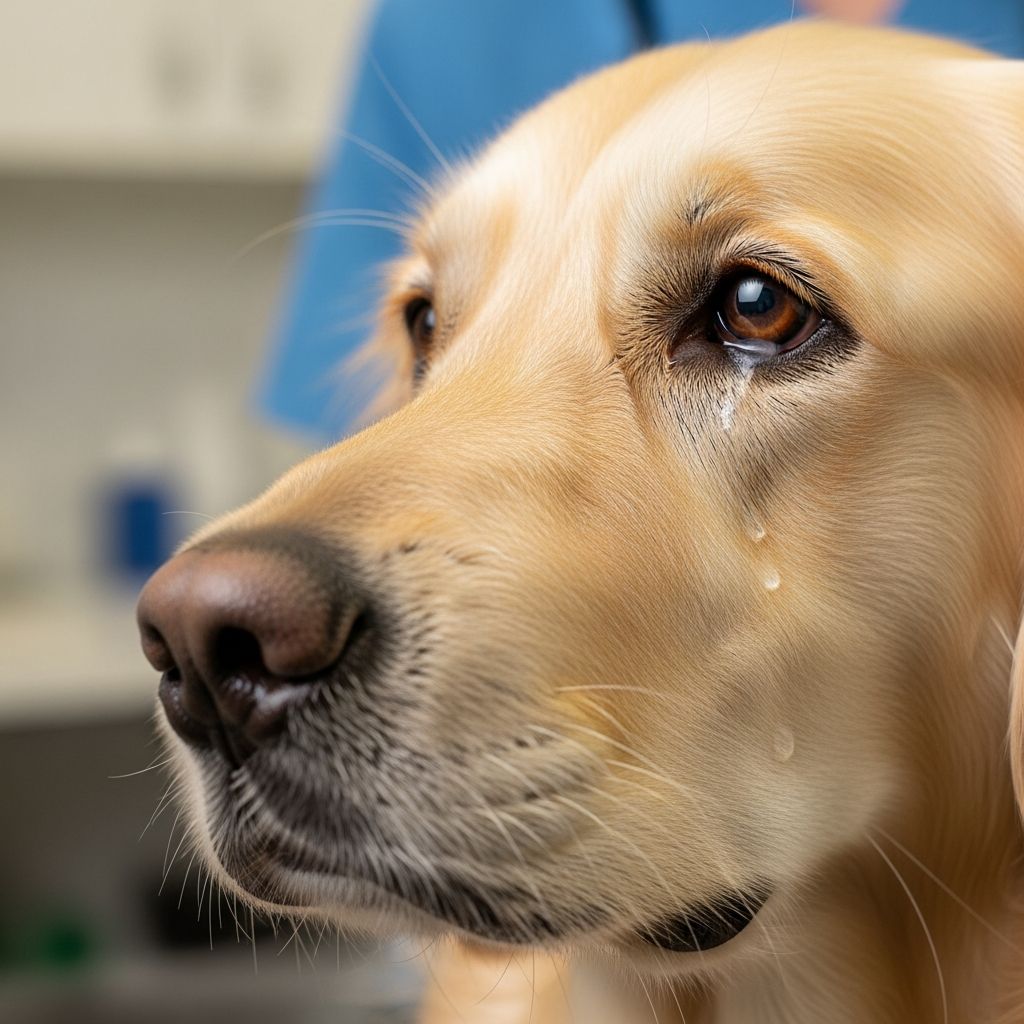
Dogs can experience a range of problems related to their tear drainage systems and nasal passages, leading to discomfort, visible staining, and potential complications if untreated. These conditions often involve the nasolacrimal ducts, which carry tears from the eyes into the nose, and disruptions can cause overflow tears known as epiphora or insufficient tear production called dry eye.
Understanding the Canine Tear Drainage System
The tear drainage apparatus in dogs consists of small openings near the inner corners of the eyes called puncta, connected to ducts that lead tears to the nasal cavity. This system keeps the eyes lubricated and prevents pooling. When functioning properly, tears nourish the cornea and flush away debris. Blockages or abnormalities disrupt this balance, causing watery eyes or dryness.
- Puncta: Entry points for tears into the ducts.
- Nasolacrimal duct: Main canal draining tears to the nose.
- Tear glands: Produce lubricating fluid, including the third eyelid gland.
Breeds with flat faces, like Pugs and Bulldogs, are particularly prone due to anatomical constraints.
Excessive Tearing: Epiphora Explained
Epiphora occurs when tears overflow onto the face instead of draining properly, often staining fur reddish-brown from porphyrins in tears reacting with air. This cosmetic issue can progress to skin irritation or infections.
Common Triggers for Epiphora
| Cause | Description | Affected Breeds |
|---|---|---|
| Duct Obstruction | Debris, inflammation, or swelling blocks flow | All breeds |
| Eyelid Malformations | Extra lashes or rolled lids irritate eyes | Shih Tzu, Pekingese |
| Allergies | Environmental irritants increase tear production | Any |
| Infections | Bacterial or viral causing inflammation | Variable |
Symptoms include damp fur under eyes, squinting, pawing at face, and foul odor from secondary bacterial growth.
Blocked Tear Ducts: A Major Culprit
Obstructions in the nasolacrimal duct prevent normal drainage, leading to epiphora and potential dacryocystitis, or tear sac inflammation. Causes range from congenital narrowing to foreign bodies, tumors, or dental issues pressing on ducts.
- Visible signs: Overflow tears, facial staining, redness around eyes.
- Chronic cases: Skin infections, hair loss, persistent odor.
Veterinarians diagnose via flushing the duct with saline using a cannula under sedation, observing if fluid exits the nose. Advanced imaging like CT scans or dacryoendoscopy visualizes blockages.
Cherry Eye: Prolapse of the Third Eyelid Gland
Cherry eye is the protrusion of the nictitating membrane’s tear gland, appearing as a red mass in the eye corner. Common in young dogs of breeds like Cocker Spaniels and Beagles, it’s genetic and non-preventable.
If ignored, it reduces tear production, risking dry eye, corneal ulcers, and vision loss. Treatment usually involves surgical repositioning, tacking the gland in place with sutures. Removal is avoided as it heightens dry eye risk.
Post-surgery, antibiotic ointments prevent infection, with lifelong monitoring for dry eye.
Dacryocystitis: Inflammation of the Tear Sac
This painful condition arises from blocked ducts filled with pus, debris, or foreign material. Dogs show persistent conjunctivitis, epiphora, and sometimes a draining fistula on the lower lid.
Diagnosis involves dye-contrast X-rays to pinpoint blockages. Initial treatment flushes the sac with antibiotics; severe cases require surgery for new drainage paths to the nose or mouth.
Dry Eye Syndrome in Dogs
Opposite to epiphora, dry eye or keratoconjunctivitis sicca (KCS) features inadequate tear production, leading to dull corneas, thick mucus discharge, and pain. Causes include immune-mediated destruction of glands, distemper, drugs like sulfonamides, or nerve damage.
- Symptoms: Red eyes, squinting, rubbing, corneal haze.
Schirmer tear tests measure production; normal is over 15mm/min. Lifelong therapy uses cyclosporine or tacrolimus drops to boost tears, plus artificial lubricants.
Diagnostic Approaches for Tear and Nasal Disorders
Comprehensive exams include:
- Ophthalmic inspection with magnification.
- Fluorescein staining for ulcers.
- Duct flushing (Jones test).
- Cultures for infections.
- Imaging: X-rays, CT, or endoscopy.
Early detection prevents complications like ulcers or blindness.
Treatment Strategies: From Meds to Surgery
Tailored plans address root causes:
- Medications: Antibiotics, anti-inflammatories, tear stimulants.
- Flushing: Clears mild blockages.
- Surgery: For tumors, prolapses, or permanent conduits; stents maintain patency.
- Supportive Care: Cleaning stains with gentle wipes.
Prognosis is excellent with prompt intervention; untreated cases risk chronic infections or vision impairment.
Home Management and Prevention Tips
Owners can support vets by:
- Cleaning eye areas daily with saline.
- Avoiding irritants like smoke or dust.
- Monitoring for early signs in predisposed breeds.
- Administering meds as prescribed.
Regular vet check-ups catch issues early.
Frequently Asked Questions (FAQs)
What causes reddish tear stains in dogs?
Tear overflow from blockages or irritations oxidizes fur, worsened by bacteria.
Is cherry eye dangerous if untreated?
Yes, it leads to dry eye and potential blindness.
How often should I clean my dog’s eyes?
Daily for affected dogs, using vet-approved solutions.
Can allergies cause watery eyes?
Absolutely; antihistamines or testing help manage.
Is surgery always needed for blocked ducts?
No, flushing or meds suffice for mild cases.
What breeds are prone to dry eye?
West Highland White Terriers, English Bulldogs.
Long-Term Outlook and Monitoring
Most dogs recover fully with treatment, but some need ongoing meds. Annual eye exams ensure health, especially post-surgery.
References
- Disorders of the Nasal Cavity and Tear Ducts in Dogs — Merck Veterinary Manual. 2023. https://www.merckvetmanual.com/dog-owners/eye-disorders-of-dogs/disorders-of-the-nasal-cavity-and-tear-ducts-in-dogs
- Lacrimal Duct Obstruction in Dogs — VCA Animal Hospitals. 2023. https://vcahospitals.com/know-your-pet/lacrimal-duct-obstruction-in-dogs
- Blocked Tear Ducts (Dacryocystitis) in Dogs — Vetster. 2023. https://vetster.com/en/conditions/dog/blocked-tear-ducts-dacryocystitis
- Dog’s Tear Duct Sticking Out? It’s Cherry Eye — Falls Village Veterinary Hospital. 2023. https://raleighncvet.com/dog-care/dogs-tear-duct-sticking-out-its-cherry-eye/
- Watery Eyes (Epiphora) in Dogs — PetMD. 2023. https://www.petmd.com/dog/conditions/eyes/watery-eyes-epiphora-dogs
Similar Articles








Read full bio of Sneha Tete