

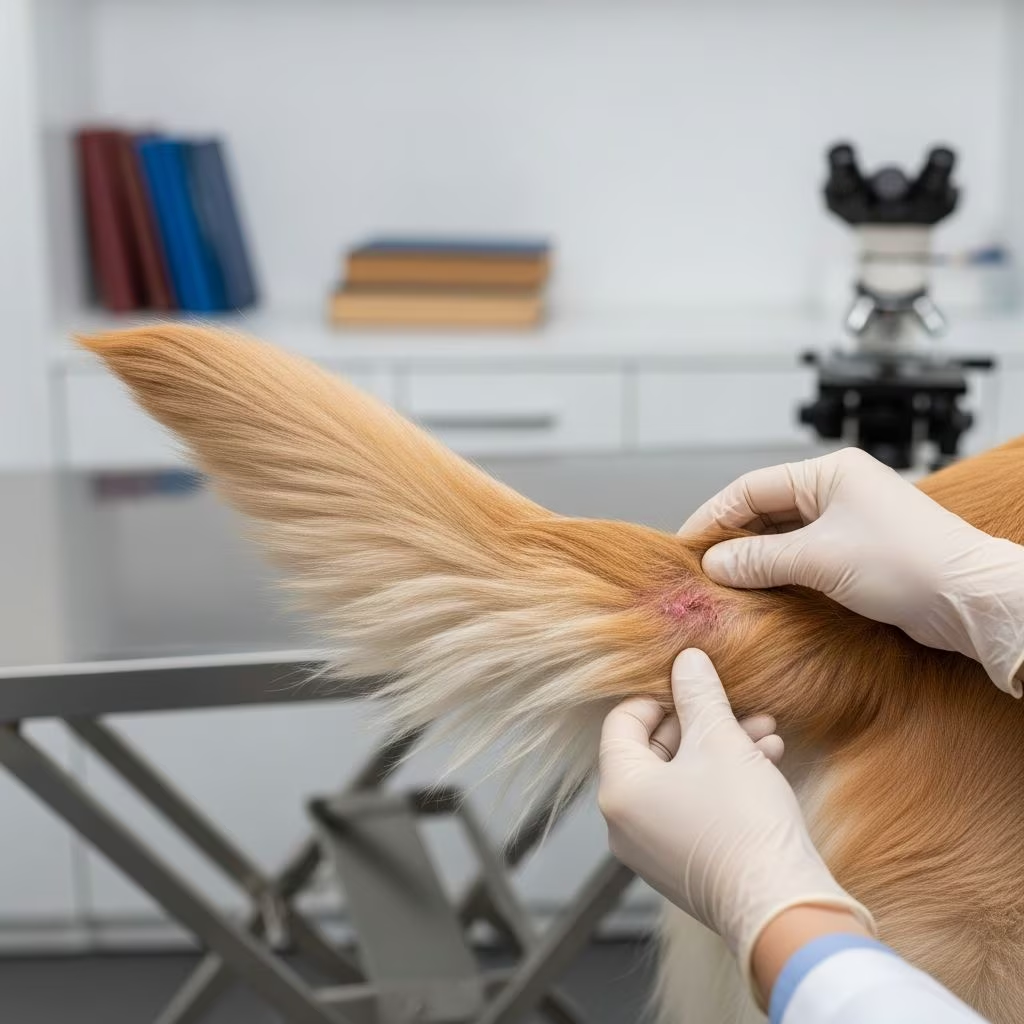
A dog’s tail serves as a vital tool for communication, balance, and mobility. When tail problems develop, they can significantly impact your pet’s quality of life and overall well-being. From sudden muscle injuries to trauma-related wounds, various conditions can affect canine tails, ranging from minor issues to more serious complications requiring veterinary intervention. Understanding the different types of tail problems, their underlying causes, and appropriate treatment options empowers pet owners to recognize warning signs early and seek timely care.
The Functional Importance of Your Dog’s Tail
Before exploring specific problems, it’s important to recognize why a healthy tail matters. Dogs rely on their tails for balance, especially during rapid movements and directional changes. The tail communicates emotional states—wagging indicates happiness while tucking signals fear or discomfort. Additionally, tail muscles work in conjunction with the spine and hindquarters to support normal movement and posture. When tail dysfunction occurs, it may indicate underlying musculoskeletal or neurological concerns extending beyond the tail itself.
Acute Muscle Inflammation and Limber Tail Conditions
One of the most common tail problems in dogs is acute caudal myopathy, commonly called limber tail, swimmer’s tail, or cold tail syndrome. This condition develops when tail muscles experience strain or overuse, causing sudden loss of normal tail function. The condition affects the muscular structures within a tight, inflexible tissue layer called fascia. When these muscles become overworked and inflamed, swelling develops within this confined space, creating pressure that restricts blood circulation—a phenomenon similar to compartment syndrome in human medicine.
Large-breed dogs engaged in athletic activities show higher susceptibility to limber tail, particularly Labrador Retrievers, Pointers, and other hunting or working dog breeds. Young adult dogs in peak physical condition most frequently experience this condition, suggesting that intense activity levels rather than age alone contribute to development.
Triggers and Risk Factors for Limber Tail Development
Multiple activities and environmental conditions can precipitate limber tail syndrome:
- Aquatic activities: Swimming places substantial strain on tail muscles, especially in cold water where dogs compensate with increased muscle tension
- Intensive exercise: Excessive tail wagging, long hunting expeditions, or intense training sessions without adequate conditioning
- Environmental stress: Exposure to cold, wet, or windy conditions that cause muscle tightness
- Confinement: Prolonged periods in crates or transport vehicles that restrict natural movement
- Seasonal conditioning gaps: Starting training or hunting seasons without proper conditioning increases vulnerability
- Genetic predisposition: Some breeds, particularly Labradors, appear to have inherited susceptibility
Recognizing Limber Tail Symptoms
Symptoms typically emerge within hours to a day following the triggering event. A dog owner might observe that their pet’s tail suddenly becomes unable to wag or move normally. The affected tail often hangs completely limp or droops straight downward, while the base may appear stiff with the tip remaining flaccid. Dogs may exhibit pain responses when the tail is touched or manipulated, including vocalizations, reluctance to sit or lie down, and difficulty rising from resting positions.
Additional behavioral indicators include restlessness, chewing or licking at the tail base, and slightly elevated hair along the base of the tail. Some dogs may whimper or cry out when attempting to move their affected tail or when positioned where tail movement becomes necessary.
Tail Injuries From Trauma and Environmental Causes
Beyond muscular conditions, various traumatic injuries can compromise tail health and function. Understanding different injury types helps owners recognize when professional veterinary care becomes necessary.
Surface Abrasions and Lacerations
Dogs frequently sustain superficial wounds on their tails through environmental contact. Abrasions result from the tail rubbing against rough surfaces like concrete or fences, or when tails get caught under or on objects. These injuries present with hair loss, inflamed reddened skin, mild bleeding, and scab formation. While superficial abrasions typically heal without complications, they require monitoring to prevent infection and secondary trauma from excessive licking.
Happy Tail Syndrome and Repetitive Trauma
A particularly challenging condition called happy tail syndrome affects enthusiastic dogs with long tails, especially Labradors, Pit Bulls, Greyhounds, and hunting breeds. These dogs wag their tails with such exuberance that they repeatedly strike tails against solid objects including walls, tables, trees, and fences. The constant trauma creates bleeding ulcers and exposed nerves that cannot heal due to repeated injury.
Symptoms of happy tail syndrome include bleeding visible on walls, furniture, and bedding, along with open sores or wounds on the tail tip ranging from minor cuts to severe injuries. Dogs may display visible discomfort through persistent licking, biting at the tail, and attempts to relieve pain. Swelling develops at injured sites, and patchy hair loss appears where repeated trauma has damaged hair follicles. If left untreated, untreated injuries progress to infections, abscesses, and complications requiring extended recovery.
Avulsion and Pull-Related Injuries
Avulsion injuries occur when substantial force pulls a dog’s tail, causing breakage or severe stretching of nerves. These injuries range from moderate to severe depending on the force applied and structures damaged. In severe cases, nerve damage extends beyond the tail itself, potentially affecting nerves that control urination and defecation, leading to incontinence.
When fractures occur at the tail base, nerve damage becomes particularly concerning, as multiple nerves controlling bodily functions concentrate in this region. While some nerve function may return over time with proper management, extensive damage often proves irreversible and may necessitate tail amputation or long-term therapeutic intervention.
Self-Trauma and Secondary Complications
Dogs experiencing tail discomfort frequently engage in excessive chewing or licking, which creates secondary problems beyond the original injury. Tail biting and chewing lead to wounds, increased swelling, and expanding hair loss areas. Dogs initiate this behavior in response to pain, stress, itchiness, or neurological sensations described as “pins and needles.”
When hair loss accompanies itching, underlying allergies—whether genetic, environmental, flea-based, or food-related—may be responsible. Professional evaluation becomes necessary to differentiate between primary tail injuries and allergy-driven conditions causing similar symptoms. Breaking the itch-scratch cycle prevents additional trauma that complicates healing.
Distinguishing Between Different Tail Conditions
| Condition | Primary Cause | Key Symptoms | Typical Recovery |
|---|---|---|---|
| Limber Tail | Muscle strain and inflammation | Sudden limp tail, pain on touch, inability to wag | 2-14 days with rest and anti-inflammatories |
| Happy Tail Syndrome | Repetitive trauma from enthusiastic wagging | Bleeding ulcers, open sores, hair loss | Extended recovery if untreated; may require amputation |
| Fracture/Break | Traumatic pulling or crushing force | Kinked or bent tail, severe pain, potential nerve damage | Varies; may require surgical intervention |
| Abrasion | Contact with rough surfaces or entrapment | Superficial wounds, redness, minor bleeding | 1-2 weeks with wound care |
When Professional Veterinary Care Becomes Essential
Not all tail problems require emergency intervention, but certain symptoms warrant prompt veterinary evaluation. Owners should schedule appointments within a few days if their dog displays a limp, non-wagging tail or shows pain responses when their tail is touched, including panting, whining, biting, growling, or snapping. Any swelling, growths, or lumps persisting beyond five days or causing obvious discomfort require professional assessment.
More urgent situations demanding immediate veterinary attention include obvious tail deviation with fracture concerns, severe itching paired with tail symptoms, vomiting or diarrhea accompanying tail problems, noticeable incontinence, difficulty walking, or any lumps that drain fluid, change color, or enlarge. These signs may indicate complications extending beyond simple muscle strain or superficial injury.
Diagnostic Approaches and Examination Procedures
Veterinarians diagnose tail conditions through comprehensive evaluation combining detailed history, physical examination, and imaging studies when indicated. The history establishes what activities preceded symptom onset—swimming, intense exercise, confinement, or environmental exposure provides crucial diagnostic clues. Physical examination includes palpating the tail to identify pain, swelling, deviation, or abnormal bone positioning.
X-rays become necessary when fractures or avulsion injuries are suspected, helping rule out bone breaks that require different management approaches than muscle strain conditions. In cases of limber tail, imaging typically appears normal despite significant clinical symptoms, reinforcing that the condition primarily affects soft tissue rather than skeletal structures.
Management and Recovery Strategies
Most tail problems respond favorably to conservative management combining rest and anti-inflammatory medications. For limber tail, complete recovery occurs in the majority of cases with appropriate supportive care. Rest involves limiting activities that triggered the condition, particularly swimming and intense exercise. Anti-inflammatory medications reduce pain and swelling, facilitating healing.
Pain management becomes essential for conditions affecting dogs’ comfort during normal movements like sitting, lying down, and rising. Some dogs may require short-term activity restriction to allow muscles and tissues to recover. For happy tail syndrome, preventing re-injury becomes critical—dogs may need environmental modifications limiting their ability to strike tails against solid objects.
Preventing secondary trauma through managing excessive chewing and licking prevents wound complications. Veterinarians may recommend Elizabethan collars for dogs unable to resist licking, particularly when open wounds are present. Wound care protocols, including cleaning and topical treatments, support healing for abrasions and lacerations.
Frequently Asked Questions About Canine Tail Problems
How quickly does limber tail develop after activity?
Symptoms typically emerge within hours to a full day following the triggering event. Owners often notice their dog’s tail suddenly becoming limp and non-responsive, leading them to seek veterinary care once they recognize something is amiss.
Can limber tail syndrome be prevented?
While not completely preventable in genetically susceptible breeds, risk reduction is possible through proper conditioning before hunting or training seasons, limiting cold water swimming exposure, avoiding prolonged crate confinement, and gradually increasing activity intensity rather than sudden spikes in exercise levels.
What distinguishes happy tail syndrome from simple tail wagging?
Happy tail syndrome involves repetitive trauma causing bleeding and open wounds, whereas normal tail wagging causes no injuries. If you observe blood on surfaces from tail contact or see open sores developing on the tail tip, happy tail syndrome should be suspected.
Are certain dog breeds more prone to tail problems?
Yes, large athletic breeds including Labrador Retrievers, Pointers, Greyhounds, and hunting breeds show higher predisposition to limber tail and happy tail syndrome due to their activity levels and tail length.
How long does tail injury recovery typically require?
Recovery times vary significantly depending on injury severity. Limber tail generally resolves within 2-14 days with appropriate rest and treatment. Abrasions typically heal within 1-2 weeks, while more severe injuries involving fractures or nerve damage may require months or permanent management adjustments.
Preventive Measures and Long-Term Tail Health
Maintaining optimal tail health requires awareness of individual dog vulnerabilities and proactive management. Owners of athletic breeds should implement gradual conditioning programs before increasing activity levels, particularly at the beginning of hunting or training seasons. Appropriate rest periods between intense activities allow muscles to recover adequately.
Environmental awareness helps prevent trauma-related injuries. Minimizing cold water exposure, being cautious about tail entrapment risks, and ensuring dogs cannot repeatedly strike their tails against hard objects reduces injury likelihood. Regular grooming and inspections reveal developing problems before they progress to serious complications.
Understanding your specific dog’s tail behavior and normal movement patterns enables early detection of changes suggesting problems. Any sudden alteration in wagging patterns, reluctance to use the tail normally, or behavioral changes indicating discomfort warrants investigation.
References
- Limber tail in dogs (acute caudal myopathy) — Cornell University College of Veterinary Medicine, Riney Canine Health Center. https://www.vet.cornell.edu/departments-centers-and-institutes/riney-canine-health-center/canine-health-information/Limber-tail-in-dogs
- Dog Tail Injury: Signs and Causes — PetMD. https://www.petmd.com/dog/general-health/dog-tail-injury-signs-causes
- 5 Dog Tail Injuries to Be Aware Of — Zoetis Petcare. https://www.zoetispetcare.com/blog/article/dog-tail-injuries
- What is Happy Tail Syndrome? — West Loop Veterinary Care. https://westloopvet.com/blog/blog-happy-tail-syndrome/
- What Is Happy Tail Syndrome in Dogs — Partners Veterinary West Loop. https://partnersvetwl.com/?p=4877
- Warning Signs Your Dog Has a Broken Tail or Limber Tail Syndrome — Scent Hound. https://www.scenthound.com/dogblog/warning-signs-your-dog-has-a-broken-tail-or-limber-tail-syndrome
- Sprained Dog Tail (Swimmer’s Tail) | Causes, Symptoms & Care — Lake Anna Veterinary Hospital. https://www.lakeannaveterinaryhospital.com/services/dogs/blog/dealing-sprained-dog-tail-heres-everything-you-should-know-about-swimmers-tail



