

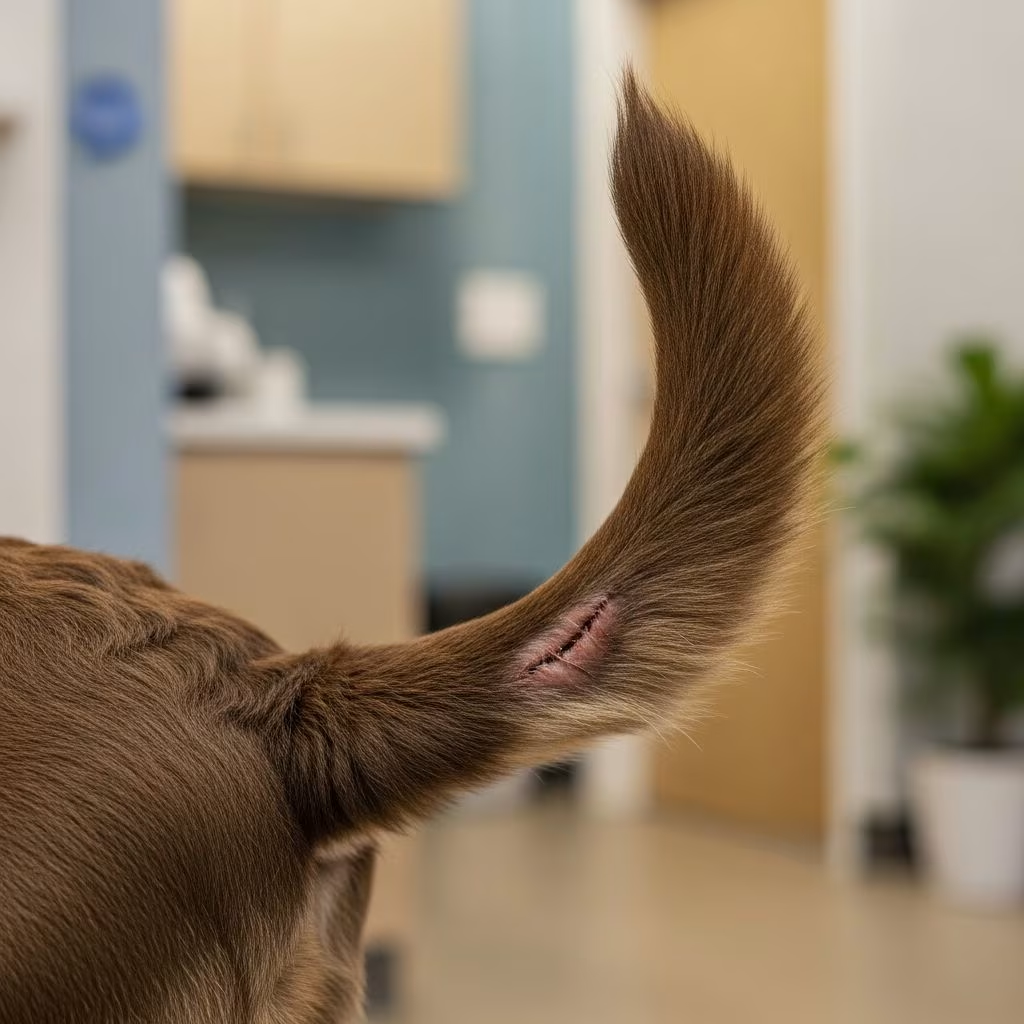
Dogs can indeed experience tail fractures from everyday mishaps or intense activities, leading to pain and mobility issues that require prompt veterinary attention. Understanding these injuries helps owners protect their pets and facilitate swift healing.
Common Origins of Tail Injuries in Dogs
Tail fractures often stem from sudden impacts or excessive force, turning a dog’s expressive appendage into a source of discomfort. Active lifestyles make tails vulnerable during play, exploration, or household accidents.
- Household Hazards: Tails frequently get slammed in doors, stepped on by family members, or caught under furniture like rocking chairs, causing immediate bone damage.
- Outdoor Mishaps: Collisions with vehicles, falls from heights, or strikes against solid objects during runs or hikes can fracture vertebrae.
- Playtime Excess: Rough interactions with other dogs or humans may involve pulling, twisting, or biting, especially risky for smaller breeds.
- Avulsion Forces: Sudden yanks stretch or tear nerves and bones, potentially leading to incontinence if near the base.
Preventing these starts with vigilance: secure doors, supervise play, and pad risky areas in homes.
Recognizing the Warning Signs
Early detection hinges on observing behavioral shifts and physical changes, as dogs mask pain well. A **broken tail** manifests through visible and tactile cues that demand attention.
- Pain Indicators: Whining, yelping on touch, or reluctance to wag signals deep discomfort.
- Visual Clues: Swelling, bruising, unnatural bends, or dangling sections point to fractures.
- Mobility Loss: Limp or dragged tail, especially if the tip hangs lifelessly.
- Associated Issues: Bleeding, hair loss, or scooting from anal gland irritation or nerve damage.
| Symptom | Severity Level | Action Needed |
|---|---|---|
| Limp Tail | Mild to Moderate | Monitor and Vet Check |
| Swelling + Pain | Moderate | Immediate Vet Visit |
| Open Wound/ Bleeding | Severe | Emergency Care |
| Incontinence | Critical | Urgent Surgery Eval |
This table outlines urgency based on common presentations, aiding quick decisions.
Distinguishing Fractures from Similar Conditions
Not all tail woes are breaks; conditions mimic fractures, complicating home assessment. **Limber tail syndrome**, for instance, arises from muscle strain in working breeds post-swimming or exertion, causing base pain and limpness without bone involvement.
- Limber Tail vs. Fracture: Muscle-based (limber) heals with rest; bone cracks need imaging.
- Infections or Abrasions: Redness from wagging on rough surfaces or bites requires cleaning, not splints.
- Nerve or Avulsion Damage: Pulling injuries may cause permanent deficits, unlike simple tips fractures.
Always consult professionals, as self-treatment risks worsening issues.
Professional Diagnosis Methods
Veterinarians employ systematic checks to pinpoint damage extent. Initial palpation reveals tenderness sites, followed by advanced tools.
- Physical Exam: Assesses alignment, swelling, and nerve function.
- Radiographs (X-rays): Essential for visualizing bone breaks, location, and displacement.
- Blood Tests: Rule out infections or systemic issues.
- Advanced Imaging: For nerve involvement, though rare.
Base fractures pose higher risks due to nerve proximity, influencing treatment paths.
Treatment Strategies by Injury Severity
Options scale with damage: conservative for mild cases, invasive for complex ones. Tail position dictates prognosis—tips heal easier than bases.
Conservative Management
Minor tip fractures often mend without intervention.
- Strict crate rest limits movement.
- Pain meds and anti-inflammatories ease recovery.
- Bandaging or splints stabilize, changed weekly.
Surgical Interventions
Severe misalignment or open wounds necessitate operations.
- Pinning with rods, plates, or screws realigns bones.
- Nerve repairs or debridement for avulsions.
Amputation, though last resort, yields quick pain relief; dogs adapt remarkably.
Home Care During Recovery
Support vet plans with diligent aftercare.
- Prevent licking via cones or bitter sprays.
- Warm compresses reduce swelling.
- Monitor for infection: redness, discharge.
Healing Timelines and Prognoses
Recovery varies: simple fractures take 4-6 weeks with rest; surgeries extend to 8-12 weeks. Tip injuries rarely recur, but base damage may leave bumps or deficits. Full function returns in most, barring nerve loss. Factors like age, breed, and prompt care influence outcomes.
Preventive Measures for Tail Safety
Proactivity minimizes risks.
- Home Adjustments: Door stops, clear pathways.
- Play Supervision: Break up rough sessions.
- Protective Gear: Tail padding for active pups.
- Breed Awareness: Monitor working dogs post-exertion.
Frequently Asked Questions (FAQs)
Can a dog’s tail heal on its own?
Yes, minor tip fractures often do with rest, but vet confirmation prevents complications.
Is limber tail the same as a break?
No, it’s muscular; X-rays differentiate.
When is tail amputation necessary?
For severe base fractures with nerve damage or non-healing infections.
How long does recovery take?
4-12 weeks, depending on severity and treatment.
Should I bandage a suspected break at home?
Avoid without guidance; improper wrapping cuts circulation.
Long-Term Care Post-Injury
Rehab includes gradual exercise resumption, nutrition for bone health, and follow-ups. Watch for chronic pain or gait changes signaling deeper issues.
References
- Can a Dog Break Their Tail? — Skyline Veterinary Clinic. 2023. https://skylineveterinaryclinic.com/articles/dog-break-their-tail
- Can a Dog Break Their Tail? — The Ridge Veterinary Clinic. 2023. https://theridgevet.com/articles/dog-break-their-tail
- Dog Tail Fracture: How This Can Happen — 441 Animal Hospital. 2024. https://441animalhospitalboca.com/blog/dog-tail-fracture/
- Broken Tails in Pets: Signs and Treatments — ASPCA Pet Insurance. 2023. https://www.aspcapetinsurance.com/resources/broken-tails-pets/
- First Aid for Tail Injuries in Dogs — VCA Animal Hospitals. 2024. https://vcahospitals.com/know-your-pet/tail-injuries-in-dogs
- Limber Tail Syndrome: What is Limp Tail in Dogs? — ToeGrips. 2023. https://toegrips.com/limber-tail-syndrome/



