

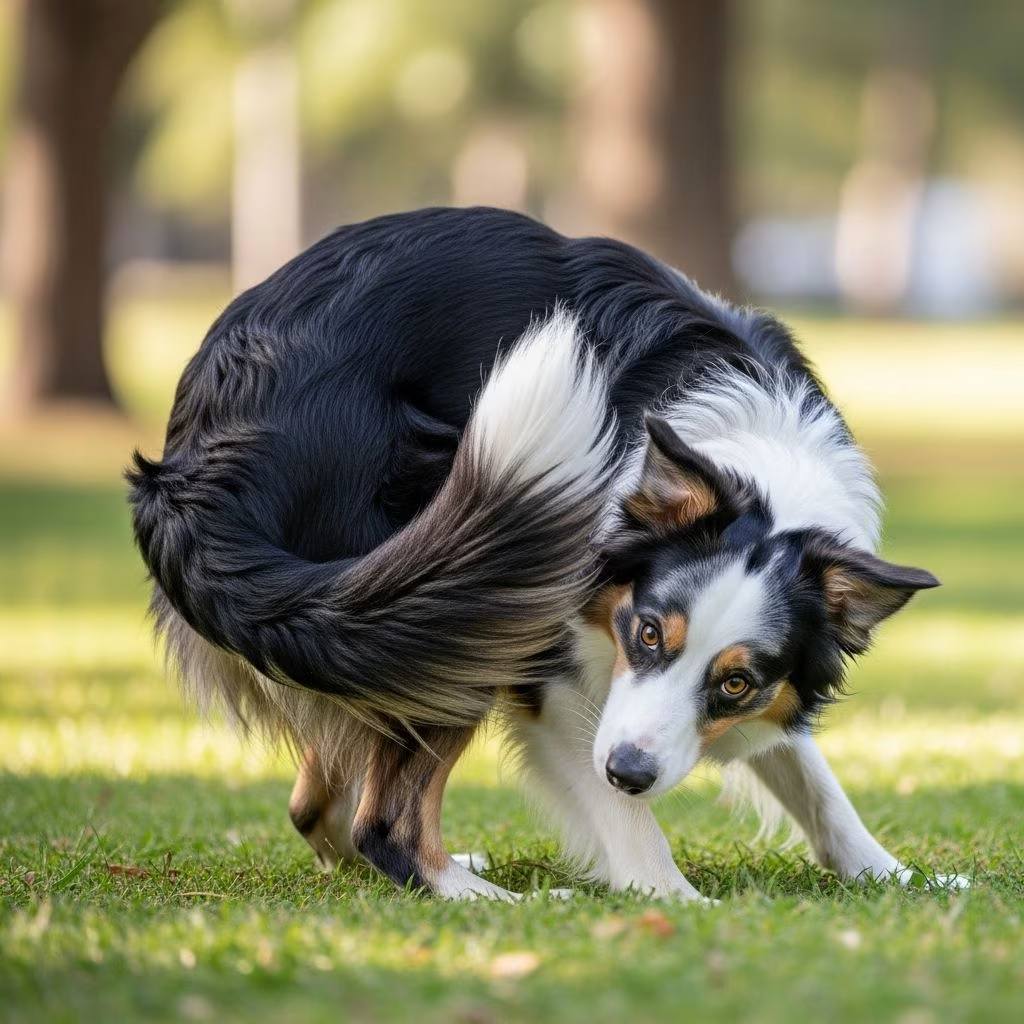
Dog owners often find their pets’ tail-chasing behavior amusing and harmless. However, what appears to be innocent play can sometimes indicate underlying health problems, behavioral challenges, or developmental stages. Understanding the distinctions between normal and problematic tail chasing is essential for maintaining your dog’s physical and mental wellbeing.
The Nature of Tail Chasing in Dogs
Tail chasing manifests differently depending on the individual dog and the underlying cause. Some dogs engage in slow, deliberate tail chasing where they focus intently on their tail, while others display rapid, energetic spinning in circles. The behavior can range from a brief, occasional occurrence to an obsessive pattern that disrupts daily activities. Recognizing which category your dog falls into helps determine whether intervention is necessary.
Developmental Stages and Age-Related Tail Chasing
Puppies and Young Dogs
Young puppies frequently chase their tails as part of normal development. During this exploratory phase, puppies discover their bodies and treat their tails as playthings rather than integral body parts. This behavior typically emerges when puppies gain awareness of their own anatomy and usually resolves naturally without intervention. Parents should not be alarmed by occasional tail chasing in healthy young dogs, as it represents a normal developmental milestone.
Senior Dogs and Cognitive Changes
On the opposite end of the age spectrum, older dogs may exhibit increased tail chasing due to declining mental acuity. As cognitive function diminishes with age, senior dogs may engage in repetitive behaviors that suggest potential cognitive dysfunction. This pattern differs from playful puppy tail chasing and may warrant veterinary evaluation to rule out neurological conditions or dementia-like symptoms.
Physical and Medical Causes
Numerous medical conditions can trigger tail-chasing behavior, making veterinary consultation important when patterns change or intensity increases.
Parasitic Infections
Intestinal parasites, particularly tapeworms that migrate through the rectum, commonly cause dogs to chase and bite their tails. External parasites such as fleas create persistent itching that prompts tail-focused behavior. Additionally, anal gland impaction produces discomfort in the rear end area, leading dogs to nip and chase their tails in attempts to alleviate the irritation.
Skin Conditions and Allergies
Food allergies and other dermatological conditions can trigger itching and discomfort that manifests as tail chewing. Dogs experiencing allergic reactions may focus on their tails as a way to ease the associated itching, sometimes causing self-inflicted injuries through excessive licking or biting.
Traumatic Injury
Tail injuries from traumatic events such as doors slamming or accidents prompt dogs to chase or bite the affected area for comfort relief. Once a dog discovers that chewing provides soothing sensations, they may continue the behavior even after the initial injury heals, creating a conditioned response. In severe cases, persistent self-trauma prevents proper wound healing and requires behavioral intervention alongside medical treatment.
Neurological Conditions
Neurological problems affecting the tail or spine region can cause compulsive tail-focused behavior. Some dogs may experience seizure activity that presents as tail chasing, particularly in certain breeds with genetic predispositions.
Behavioral and Psychological Factors
Playfulness and Exploration
In many cases, tail chasing represents straightforward play and exploration, particularly in puppies and young dogs. Dogs chase their tails when experiencing excitement, joy, or curiosity about their own bodies. This form of tail chasing requires no intervention and typically decreases as dogs mature.
Attention-Seeking Behavior
Dogs quickly learn that tail chasing captures human attention and amusement. When owners respond positively to tail-chasing displays with laughter, play, or engagement, dogs learn to repeat the behavior intentionally to gain attention. This attention-seeking pattern reinforces the behavior and encourages dogs to initiate tail chasing whenever they desire interaction with their owners.
Energy Expenditure
Contrary to common assumptions, insufficient physical activity rather than boredom typically drives excessive tail chasing in active dogs. Dogs with high aerobic exercise requirements may engage in tail chasing to self-stimulate and expend pent-up energy. Increasing physical activity levels through extended walks, play sessions, or exercise often resolves tail-chasing behavior rooted in energy needs.
Anxiety and Compulsive Disorders
Persistent, repetitive tail chasing can indicate underlying anxiety disorders or canine compulsive disorder (CCD). Dogs suffering from separation anxiety, similar to humans with nail-biting habits, may chase their tails as a self-soothing mechanism during stressful situations. Over-excitement from visitors, unfamiliar animals, or environmental stimuli can also trigger anxiety-driven tail chasing.
Environmental stressors including household changes, moving to new homes, introduction of new pets, or family transitions frequently precipitate the onset of compulsive tail-chasing behaviors. Some dogs experience tail chasing that becomes self-reinforcing; initial tail chasing during an injury or irritation becomes comforting, and the behavior persists as a habitual response to stress even after the original trigger resolves.
Canine compulsive disorder manifests as excessive, repetitive tail chasing and biting that becomes increasingly difficult to interrupt. Dogs with OCD-like conditions chase and chew their tails incessantly, sometimes causing ongoing injury and preventing natural healing processes.
Breed Predispositions and Genetic Factors
Certain dog breeds demonstrate higher propensities for compulsive tail chasing and related behaviors. Bull Terriers and German Shepherds show the most common occurrence of the behavior, with studies indicating these breeds develop tail chasing at earlier ages. Doberman Pinschers and Shiba Inus also exhibit predispositions to tail-focused compulsive behaviors.
Research suggests genetic influences, including the CDH2 gene and abnormalities in serotonin regulation, may contribute to compulsive tail-chasing development. Sex differences have been noted, with male dogs showing higher incidence rates than females. Additionally, dogs purchased from pet stores demonstrate higher tail-chasing frequencies compared to those obtained from responsible breeders, potentially reflecting early environmental stress or genetic backgrounds.
Environmental and Developmental Risk Factors
Early weaning and inadequate socialization increase the risk of developing compulsive tail-chasing behaviors later in development. Puppies separated from mothers prematurely or lacking proper social exposure often exhibit heightened anxiety and compulsive tendencies. The onset of tail chasing frequently appears during adolescence and early adulthood, between six months and two years of age, when behavior patterns become established.
When to Consult a Veterinarian
Pet owners should seek veterinary evaluation when tail chasing exhibits specific concerning patterns:
- Sudden onset of tail chasing in previously unaffected dogs
- Obsessive or compulsive patterns that interfere with normal activities
- Tail chasing accompanied by visible injuries or self-trauma
- Behavior persisting despite increased physical activity and environmental enrichment
- Signs of pain, skin irritation, or discharge around the tail area
- Tail chasing triggered or worsened by identifiable stressors
- Occurrence in senior dogs showing signs of cognitive decline
Diagnostic Approach and Treatment Options
Veterinarians typically begin diagnosis by identifying triggering factors and observing behavioral patterns. Medical evaluations rule out parasitic infections, allergic reactions, anal gland impaction, and neurological conditions through physical examination and diagnostic testing. Once medical causes are excluded, behavioral assessment helps determine whether anxiety, compulsive disorder, or developmental factors contribute to the tail chasing.
Treatment approaches vary based on underlying causes. Medical tail chasing from parasites, allergies, or injuries requires appropriate medication and care addressing the primary condition. Anxiety-driven tail chasing may respond to behavior modification techniques, environmental enrichment, and sometimes medication targeting serotonin regulation. Veterinarians and animal behaviorists can work together to develop comprehensive treatment plans combining behavioral strategies with pharmaceutical intervention when necessary.
Management Strategies for Dog Owners
Observing dogs carefully to identify specific triggers initiating tail chasing provides valuable information for management. Owners can implement several strategies to address problematic tail chasing:
- Increase physical exercise through extended walks, running, or interactive play sessions
- Provide mental enrichment through puzzle toys, training exercises, and interactive games
- Avoid rewarding tail-chasing behavior with attention or engagement
- Redirect attention to appropriate toys and activities when tail chasing begins
- Create structured routines reducing stress and unpredictability in the home environment
- Consider anxiety-reducing interventions such as calming supplements or pheromone diffusers
- Ensure proper parasite prevention and flea control
Distinguishing Normal from Problematic Behavior
| Behavior Type | Characteristics | Typical Age | Intervention Needed |
|---|---|---|---|
| Playful Tail Chasing | Occasional, brief episodes; dog easily distracted; no injuries | Puppies and young dogs | None unless excessive |
| Attention-Seeking | Occurs when owner is present; stops when ignored; no visible distress | Any age | Behavioral redirection |
| Medical-Related | Focused on specific area; visible skin irritation or injury; associated itching | Any age | Veterinary examination required |
| Compulsive | Persistent, repetitive, obsessive; causes self-injury; difficult to interrupt | Adolescence to adulthood | Veterinary and behavioral intervention |
| Anxiety-Related | Triggered by stressors; appears during transitions; self-soothing pattern | Any age | Behavioral modification and possible medication |
Frequently Asked Questions
Is tail chasing always a sign of a problem?
No, occasional tail chasing in puppies and young dogs represents normal exploratory behavior. However, frequent or compulsive tail chasing warrants veterinary evaluation to rule out medical conditions or behavioral disorders.
Can tail chasing indicate obsessive-compulsive disorder in dogs?
Yes, tail chasing can manifest as canine compulsive disorder, similar to OCD in humans. This condition requires professional evaluation and may involve behavior modification and medication to manage effectively.
How can I prevent my puppy from chasing its tail?
In puppies, prevention focuses on ensuring adequate physical exercise, mental stimulation, and avoiding reinforcement through attention. Most puppies naturally outgrow this behavior as they mature.
What should I do if my dog causes injury through tail chasing?
Consult your veterinarian immediately to assess injuries, rule out medical causes, and develop a treatment plan combining medical care with behavioral intervention to break the self-trauma cycle.
Does increased exercise stop tail chasing?
For dogs with excess energy, increased physical activity often resolves tail-chasing behavior. However, if tail chasing stems from medical conditions or compulsive disorders, exercise alone may not resolve the issue.
Conclusion
Tail chasing in dogs spans a spectrum from normal developmental behavior to significant medical or psychological concern. By understanding the various causes—from playful exploration to parasitic infection to anxiety disorders—dog owners can better assess their pets’ needs and determine when professional intervention is necessary. Careful observation, prompt veterinary consultation when patterns change, and appropriate management strategies help ensure dogs receive proper care and maintain good physical and mental health throughout their lives.
References
- Tail chasing — Wikipedia. Accessed February 2026. https://en.wikipedia.org/wiki/Tail_chasing
- Why Dogs Chase Their Tails — VCA Animal Hospitals. https://vcahospitals.com/know-your-pet/why-do-dogs-chase-their-tails
- Tail chasing in dogs: When it’s normal and when to worry — Vetster. https://vetster.com/en/wellness/tail-chasing-in-dogs-when-it-s-normal-and-when-to-worry
- Does your dog chase their tail? — Vetwest Veterinary Clinics. https://www.vetwest.com.au/pet-library/tail-chasing-does-your-dog-chase-their-tail/
- Why Do Dogs Chase Their Tail? Symptoms and Treatments — WebMD Pets. https://www.webmd.com/pets/dogs/why-do-dogs-chase-their-tails



