

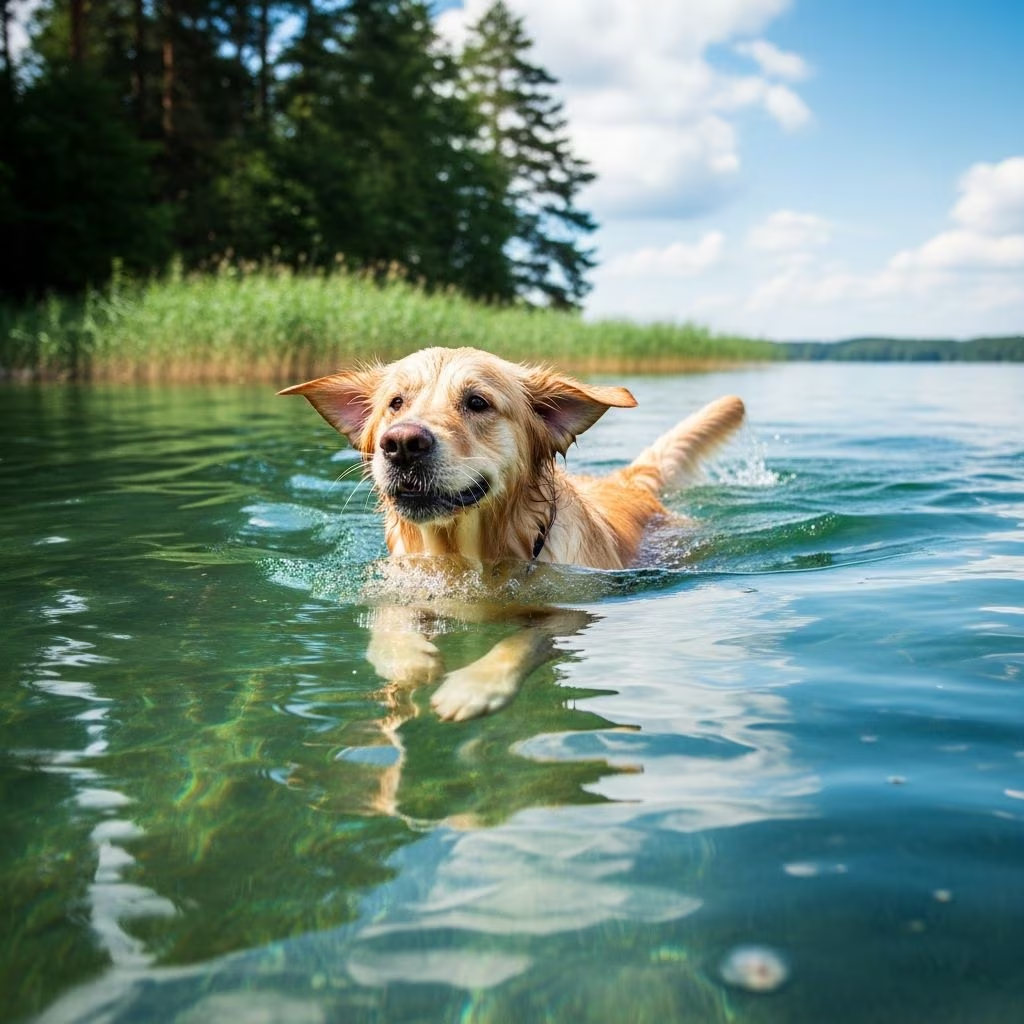
The assumption that all dogs are naturally adept swimmers is a widespread misconception among pet owners. While water can be an excellent source of exercise and enjoyment for many canines, not every dog possesses equal swimming proficiency or comfort in aquatic environments. Understanding your individual dog’s capabilities, limitations, and the specific environmental factors that influence water safety is essential for responsible pet ownership.
Natural Instincts Versus Learned Skills in Water
Although many people believe dogs possess an innate swimming ability due to their four-legged locomotion, the reality is considerably more nuanced. While some breeds have been selectively bred for water activities and possess physical adaptations that facilitate swimming, others struggle significantly or may experience genuine fear when encountering water. The dog’s body structure, coat type, and genetic predisposition all play crucial roles in determining how naturally they take to aquatic environments.
Some breeds, particularly retrievers and water spaniels, demonstrate exceptional swimming prowess due to their evolutionary history and physical characteristics. However, dogs with shortened muzzles, such as bulldogs and pugs, face considerable challenges in water due to their respiratory anatomy. Similarly, dogs with extremely short legs relative to their body length may find it difficult to maintain buoyancy and propel themselves effectively through water.
It is important to recognize that liking water does not automatically translate to swimming competency. A dog may enthusiastically wade into shallow water or enjoy playing with water from a hose while remaining unable to swim safely in deeper environments. Training and proper conditioning can improve a dog’s swimming ability, but individual physical limitations should always be respected and accommodated.
Physical and Breed-Specific Considerations
Breed characteristics significantly influence swimming capability and water safety. Understanding these factors helps owners make informed decisions about their dog’s aquatic participation.
Breeds With Natural Swimming Advantages
- Retriever breeds possess water-resistant coats and webbed paws that enhance propulsion
- Water spaniels have been selectively bred for hunting in wetland environments
- Portuguese water dogs exhibit natural buoyancy and strong swimming muscles
- Newfoundlands possess dense coats and webbed feet specifically adapted for water work
Breeds Requiring Extra Caution
- Brachycephalic breeds with shortened muzzles struggle with respiratory function while swimming
- Dogs with disproportionately short legs may lack adequate buoyancy
- Small toy breeds can become exhausted more quickly in water
- Dogs with dense, heavy coats may become waterlogged and fatigued
Beyond breed tendencies, individual dogs vary considerably in their swimming abilities. Age, fitness level, previous water exposure, and temperament all influence how well a dog performs in aquatic environments. An older dog with arthritis may struggle more than a young, athletic dog of the same breed. Prior traumatic experiences with water can also create lasting anxiety that affects a dog’s willingness and ability to swim safely.
Health Benefits of Swimming for Dogs
When appropriate for the individual dog, swimming offers substantial health advantages that extend beyond simple exercise. The low-impact nature of aquatic movement provides conditioning benefits without excessive stress on joints and bones.
Physical Health Advantages
Swimming engages nearly every muscle group in a dog’s body, delivering comprehensive physical conditioning. This full-body engagement proves particularly beneficial for dogs managing arthritis, hip dysplasia, or recovering from orthopedic surgery. The buoyancy of water reduces stress on joints while allowing dogs to build strength and endurance.
Weight management represents another significant benefit, as obesity in pets leads to numerous health complications. Swimming burns substantial calories while remaining gentle on the body, making it an ideal exercise option for overweight dogs requiring conditioning without joint trauma. The cardiovascular benefits of regular swimming improve a dog’s overall fitness and endurance capacity.
Mental and Behavioral Benefits
Beyond physical conditioning, swimming provides mental stimulation that helps prevent destructive behaviors associated with boredom and anxiety. The concentration required during swimming can reduce stress levels and improve overall mood. Additionally, swimming sessions offer valuable socialization opportunities when conducted in group settings, helping dogs develop better social skills and adapt to various environments.
Critical Safety Protocols for Water Activities
Regardless of a dog’s swimming ability or breed characteristics, certain safety measures are non-negotiable when near water.
Constant Supervision Requirements
Never leave a dog unattended near water, even temporarily. Unexpected situations such as muscle cramps, fatigue, or sudden disorientation can pose significant drowning risks. Being within arm’s reach allows you to respond immediately to emergencies and provides assistance if your dog struggles.
Teaching Safe Water Entry and Exit
Dogs must learn how to enter and exit water safely, particularly when accessing pools. Teaching your dog the location of pool exits and practicing recall commands in water environments builds confidence and prevents panic-induced accidents. Some dogs attempt to exit pools in dangerous locations or become disoriented about how to reach the edge.
Swimming Session Duration and Intensity
Limit swimming sessions to prevent exhaustion, with guidelines suggesting no more than 10 minutes of continuous activity for dogs beginning their aquatic training. Allow rest periods between sessions, monitor for signs of fatigue, and gradually increase duration as conditioning improves. Hot weather conditions increase dehydration risk, requiring additional caution and frequent breaks.
Chemical and Environmental Hazards
Multiple chemical and environmental factors threaten dog safety in and around water.
Chlorine and Pool Chemical Risks
While diluted chlorine in pools is relatively safe for swimming, dogs ingesting substantial quantities of chlorinated water can experience gastrointestinal upset, nausea, vomiting, esophageal damage, or potentially fatal consequences in severe cases. Dogs naturally drink water to quench thirst, making pool chlorine exposure particularly hazardous after swimming or outdoor heat exposure.
Saltwater pools present different risks. Ingesting excessive saltwater can cause salt poisoning, which manifests as vomiting, weakness, muscle tremors, and seizures. Dogs already dehydrated from outdoor activity become especially vulnerable to these effects.
Water Intoxication and Electrolyte Imbalance
A less commonly understood but serious condition called water intoxication occurs when dogs ingest excessive amounts of water. This causes sodium levels in the bloodstream to drop dangerously low, potentially leading to fatal consequences if untreated immediately. Symptoms include bloating, nausea, vomiting, lethargy, dilated pupils, loss of coordination, drooling, and seizures.
Natural Water Environment Concerns
Swimming in lakes, rivers, and natural water bodies introduces additional hazards beyond pools. Harmful algae and bacteria pose serious health risks, with danger increasing during hot summer months when water temperatures rise. Strong currents, tides, and underwater hazards such as fishing hooks or entangling debris threaten dog safety. Consulting local water resource experts helps ensure selected swimming locations maintain adequate water quality.
Training Your Dog for Water Competency
Dogs benefit from systematic training to develop water confidence and swimming skills, even if they possess natural swimming abilities.
Introduction and Gradual Exposure
Introduce water gradually, beginning with shallow areas where your dog maintains control and confidence. Allow your dog to explore at their own pace rather than forcing water exposure. Positive reinforcement during shallow water play builds confidence and positive associations with aquatic environments.
Life Jacket Utilization
Canine life jackets provide flotation assistance and increased visibility, offering valuable safety margins particularly for dogs lacking natural buoyancy or swimmers still developing competency. Life jackets prove especially important for small breeds, senior dogs, and dogs with physical limitations affecting swimming ability.
Skill Development and Conditioning
Teach your dog to enter water safely, understand pool or water body boundaries, and practice retrieving commands in aquatic environments. Gradually extend swimming distances and durations as your dog demonstrates improved endurance and confidence. Working with professional trainers can accelerate skill development and ensure proper technique.
Post-Swimming Care and Maintenance
Proper aftercare prevents complications from swimming exposure.
Thorough Drying Procedures
Always dry your dog completely after swimming, paying particular attention to areas where moisture becomes trapped. Dogs with double coats require especially thorough drying to prevent mats and hot spots from developing. Trapped moisture creates ideal conditions for bacterial growth and skin irritation.
Skin and Coat Protection
Frequent swimming in chlorinated water can dry out a dog’s skin, similar to effects experienced by humans. Rinsing your dog with fresh water after pool swimming removes chlorine residue. Using dog shampoos formulated specifically for dry skin helps maintain coat and skin health during swimming seasons.
Monitor your dog for signs of skin irritation or infection following swimming sessions. If redness, itching, or other concerning symptoms develop, consult your veterinarian for appropriate treatment.
Environmental and Age-Related Considerations
Swimming safety varies based on environmental conditions and your dog’s age and health status.
Temperature and Weather Factors
Water temperature affects how long dogs can safely remain active in aquatic environments. Cold water increases exhaustion risk, while excessively warm water poses overheating dangers. Weather conditions including humidity and ambient temperature influence your dog’s ability to thermoregulate during and after swimming.
Senior Dogs and Health Conditions
Older dogs benefit significantly from swimming’s low-impact exercise benefits but require closer monitoring for exhaustion and overexertion. Dogs with cardiac conditions, respiratory issues, or other health concerns need veterinary clearance before beginning swimming activities. Some medications or health conditions contraindicate water exposure.
Frequently Asked Questions
Can all dog breeds learn to swim?
While many breeds can improve their water competency through training, some physical limitations prevent certain dogs from becoming proficient swimmers. Brachycephalic breeds and dogs with extreme physical proportions may never swim safely despite training efforts.
What signs indicate my dog is struggling in water?
Watch for panic behavior, difficulty staying afloat, excessive thrashing, inability to locate exit points, exhaustion, or signs of distress. Remove your dog from water immediately if any concerning behaviors appear.
Is a life jacket necessary for all dogs?
While strong swimmers may not require life jackets, they provide valuable safety margins for developing swimmers, small breeds, senior dogs, and dogs with physical limitations. Consider life jackets mandatory for dogs with uncertain swimming abilities.
How often can dogs swim safely?
Healthy dogs can swim multiple times weekly if properly conditioned and supervised. However, frequency should be adjusted based on individual fitness levels, water temperature, and signs of fatigue or skin irritation.
What should I do if my dog ingests pool chemicals?
Contact your veterinarian or emergency animal clinic immediately. Provide information about the chemical type and estimated quantity ingested. Do not induce vomiting unless specifically instructed by veterinary professionals.
Conclusion: Making Informed Swimming Decisions
Swimming can enhance your dog’s physical health, mental well-being, and quality of life when approached thoughtfully and safely. However, the assumption that all dogs can or should swim ignores individual differences in breed characteristics, physical abilities, prior experiences, and health status. Evaluate your specific dog’s capabilities, implement appropriate safety measures, and maintain constant vigilance during water activities. When in doubt, consult with your veterinarian or professional dog trainer who can provide guidance tailored to your dog’s unique needs and circumstances. By respecting your dog’s individual limitations while providing opportunities for safe aquatic enjoyment, you create positive experiences that enhance your bond while prioritizing their safety and well-being.
References
- Swimming Pool Safety for Dogs — Zoetis Petcare. 2024. https://www.zoetispetcare.com/blog/article/swimming-pool-safety-dogs
- Dogs Swimming in Pools: Safety Guide and Tips — Amenity Pool. 2024. https://amenitypool.com/blog/is-it-ok-to-let-dogs-swim-in-your-pool/
- The Benefits of Dog Swimming and Water Safety Tips — Berthoud Animal Hospital. 2024. https://berthoudanimalhospital.com/blog/dog-swimming/
- 7 Pool Safety Tips for Dogs — PetMD. 2024. https://www.petmd.com/dog/general-health/pool-safety-tips-for-dogs
- Keeping Your Dog Safe In and Around Water — Mountain Wild Pet. 2024. https://mountainwildpet.com/blogs/news/swimming-safety-for-dogs-keeping-your-dog-safe-in-and-around-water
- Water Safety for Pets — ASPCA Pet Health Insurance. 2024. https://www.aspcapetinsurance.com/resources/water-safety-for-pets/



