

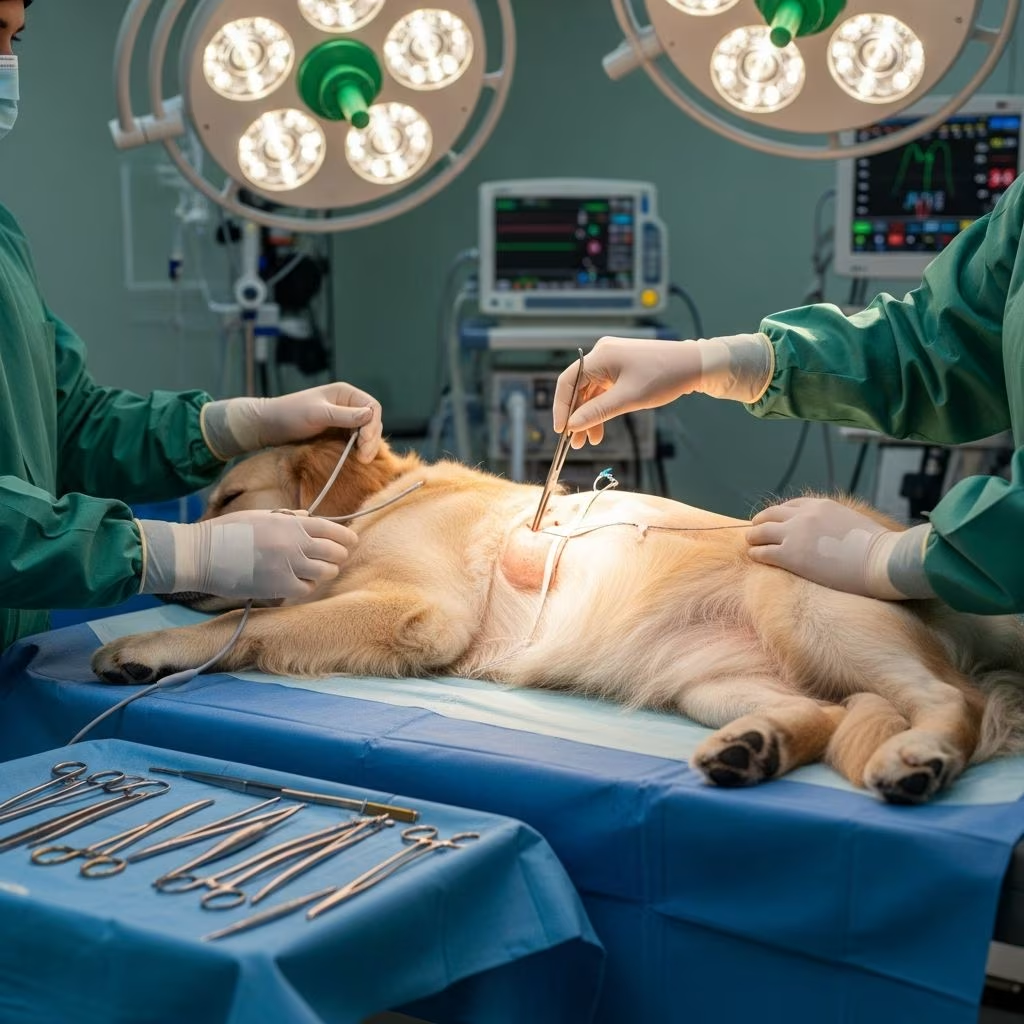
When a veterinarian recommends surgery for your dog, it’s natural to have questions and concerns about what the procedure entails, how to prepare, and what the recovery process will look like. Whether the surgery is elective or necessary due to an urgent medical condition, understanding the fundamentals of canine surgical procedures empowers you to make informed decisions and provide optimal care for your pet. This guide addresses the key aspects of dog surgery that every responsible pet owner should know.
Distinguishing Between Elective and Emergency Surgical Procedures
Canine surgeries fall into two primary categories: elective procedures and emergency interventions. Elective surgeries are scheduled in advance and address conditions that, while important, are not immediately life-threatening. Emergency surgeries, by contrast, must be performed quickly to address acute health crises that could compromise your dog’s survival or quality of life.
Elective procedures give you time to prepare both financially and emotionally. These operations allow your veterinarian to conduct thorough pre-surgical evaluations, optimize your dog’s health status, and schedule the procedure when your pet is in the best possible condition. You’ll have opportunities to ask questions, understand the benefits and risks, and arrange post-operative care before the surgery takes place. Common elective surgeries include spaying and neutering, dental extractions, and removal of benign skin growths.
Emergency surgeries require immediate action to address life-threatening conditions such as internal bleeding, intestinal obstructions from foreign bodies, or urethral blockages. These procedures may proceed with minimal pre-surgical preparation, though your veterinarian will still attempt to stabilize your dog and perform essential bloodwork when time permits. Understanding the difference helps you recognize when your dog needs immediate veterinary attention versus when you can plan ahead.
The Most Frequently Performed Canine Surgical Procedures
Certain surgical procedures are performed far more often than others in veterinary practice. Understanding these common operations helps you grasp what your veterinarian might recommend and why.
Reproductive Surgeries: Spaying and Neutering
Spaying and neutering represent the most commonly performed surgical procedures in dogs. Spaying, performed on female dogs, involves the removal of the ovaries and uterus through an abdominal incision. Neutering, performed on males, entails the removal of the testicles. These procedures offer substantial benefits beyond preventing unwanted litters, including reduced risk of certain cancers and decreased behavioral problems associated with reproductive hormones.
Dental and Oral Procedures
Dental extractions rank among the most routine surgical interventions in canine medicine. Dogs develop dental disease, fractured teeth, and oral tumors that require extraction. Modern veterinary dentistry now includes laser-assisted procedures and minimally-invasive techniques that reduce pain and accelerate healing compared to traditional extraction methods.
Removal of Growth and Masses
Benign skin growths, such as lipomas, moles, and cysts, are frequently removed during elective surgery. These procedures typically require minimal recovery time and may only need a few sutures to close the surgical site. Malignant tumors, including skin cancers and internal masses, also require surgical removal when detected, often as part of a comprehensive cancer treatment strategy.
Orthopedic and Joint Procedures
Orthopedic surgeries address bone fractures, ligament tears, and degenerative joint conditions.[10] Cruciate ligament injuries, commonly referred to as ACL tears in dogs, are particularly common in active dogs and older animals with arthritis. Two primary surgical approaches address this problem: Tibial Plateau Leveling Osteotomy (TPLO), which involves cutting and repositioning the tibia bone and securing it with a plate, and lateral suture stabilization, which uses sutures to stabilize the joint. Dogs typically regain full mobility with proper post-operative care and rehabilitation.
Abdominal and Internal Surgeries
Intestinal obstructions from swallowed foreign objects require invasive surgical exploration to locate and remove the blockage. Bladder and urethral stones necessitate surgical removal, often followed by flushing the urethra to eliminate smaller particles that could cause future blockages. Gastric dilatation-volvulus (bloat), a life-threatening twisting of the stomach, requires emergency surgery to reposition the organ and tack it in place to prevent recurrence.
Advanced Surgical Techniques and Minimally-Invasive Options
Modern veterinary surgery has evolved to include sophisticated techniques that reduce trauma, pain, and recovery time compared to traditional open surgical approaches. Understanding these options allows you to discuss advanced care possibilities with your veterinarian.
Laparoscopic Surgery
Laparoscopic surgery permits abdominal procedures through small incisions, with a camera providing visualization of internal organs and structures. This minimally-invasive approach reduces pain and shortens recovery time compared to traditional open abdominal surgery, allowing dogs to return to normal activities more quickly. Laparoscopic procedures can accomplish spaying, organ removal, biopsies, and diagnostic assessment of abdominal structures.
Arthroscopy
Arthroscopic procedures employ a camera to visualize joint interiors, allowing surgeons to assess cartilage damage, remove loose fragments, and perform repairs with minimal tissue trauma. This technique proves particularly valuable for shoulder, elbow, and knee joint assessment and treatment.
Cryotherapy
Cryotherapy uses freezing to destroy abnormal tissue, treating various cancers and benign skin growths, bone tumors, and abnormal cell changes. This technique boasts high success rates and does not require anesthesia, making it an excellent option for dogs who cannot tolerate general anesthesia or who have multiple lesions to treat.
Pre-Operative Preparation and What to Expect
Proper preparation before surgery significantly impacts your dog’s safety and surgical outcomes. Your veterinarian will provide specific pre-operative instructions tailored to your dog’s age, health status, and the type of procedure planned.
Pre-Surgical Bloodwork
Bloodwork performed within two weeks of surgery assesses your dog’s organ function, blood clotting ability, and overall health status, identifying potential anesthetic complications before they occur. This testing is essential for all surgical patients, particularly senior dogs or those with known health conditions.
Fasting Requirements
Your veterinarian will instruct you to withhold food for 6-12 hours before surgery to prevent aspiration of stomach contents during anesthesia. Water is typically allowed until a few hours before the procedure. Following fasting instructions precisely is critical for your dog’s safety.
Medication Adjustments
Inform your veterinarian about all medications and supplements your dog currently takes. Some medications may need to be continued, others adjusted, and some temporarily discontinued before surgery. Your veterinarian will provide specific guidance based on the surgical procedure and your dog’s health history.
Drop-Off and Pre-Operative Assessment
On surgery day, you’ll drop your dog off at the veterinary clinic where staff will perform a final pre-operative evaluation, establish an intravenous line, and administer pre-anesthetic medications. This timing allows your dog to relax before anesthesia is administered, reducing stress and improving anesthetic stability.
Pain Management: A Critical Component of Surgical Care
Pain management ranks as a high priority both during and after surgery and may include a combination of therapies to ensure your dog’s comfort. Modern veterinary surgery recognizes that effective pain control improves healing, reduces stress, and accelerates recovery.
During surgery, your dog receives anesthetics and analgesics that prevent pain perception. Post-operatively, your veterinarian will prescribe pain medications tailored to the type of procedure and your dog’s response. These may include non-steroidal anti-inflammatory drugs (NSAIDs), opioids, local anesthetics, or other pain management modalities. Adequate pain control allows your dog to rest comfortably, maintain appetite, and engage in gentle movement essential for recovery.
Understanding Post-Operative Recovery and Timeline
Recovery duration varies significantly depending on the type of surgery, your dog’s age and health status, and the care provided during recuperation. Understanding typical recovery timelines helps you set realistic expectations and recognize potential complications.
Immediate Post-Operative Period
Immediately after surgery, your dog may remain in the clinic for observation or be discharged later that day, depending on the procedure and anesthetic protocol used. Your dog may appear disoriented or groggy as anesthesia wears off. It’s normal for your dog to have reduced appetite, vomit mildly, or seem confused for 24 hours post-surgery.
First Two Weeks of Recovery
Most surgical sites require 10-14 days for initial healing and suture removal. During this period, strict activity restriction is essential to prevent complications. Limit your dog to leash walks for bathroom breaks only, avoiding running, jumping, playing, and swimming. Confine your dog to a small area when unsupervised to prevent exuberant activity that could disrupt the surgical site.
Monitor the surgical site daily for signs of complications such as excessive swelling, discharge, separation of incision edges, or signs of infection. Mild swelling and slight redness immediately around the incision are normal, but progressive changes warrant veterinary evaluation.
Extended Recovery Phases
Intestinal obstruction surgeries typically require hospitalization for several days followed by two weeks of confinement. Orthopedic procedures may involve 4-8 weeks of restricted activity and physical rehabilitation before your dog can resume normal exercise. Your veterinarian will provide a specific recovery protocol based on the procedure performed.
Managing Post-Operative Complications
While most surgeries proceed without incident, understanding potential complications helps you recognize problems requiring immediate veterinary attention. Contact your veterinarian if your dog exhibits fever, vomiting, inability to eat, severe swelling, discharge from the incision, separation of incision edges, limping or inability to bear weight, or excessive licking at the surgical site.
Infection, though uncommon with modern surgical protocols, can develop days after surgery. Fever, increasing swelling, and purulent discharge signal infection requiring antibiotics and possible re-examination. Incision dehiscence (opening of the incision) may require re-suturing. Seroma formation (fluid collection under the skin) typically resolves independently but may require drainage if it enlarges or causes discomfort.
Frequently Asked Questions About Canine Surgery
At What Age Can Dogs Safely Undergo Surgery?
Dogs can undergo elective surgery at various ages when medically appropriate. Puppies can be spayed or neutered as early as 8-16 weeks depending on breed and veterinary recommendation. Senior dogs can have surgery if pre-operative bloodwork confirms adequate organ function, though anesthetic protocols may be adjusted for older patients.
What Risks Are Associated with Anesthesia in Dogs?
Modern anesthesia in dogs is very safe when administered by trained professionals. Pre-operative bloodwork identifies dogs at higher risk, allowing veterinarians to select the safest anesthetic protocol. Serious anesthetic complications are rare, though older dogs and those with pre-existing conditions carry slightly elevated risk.
How Long Does Recovery Typically Take?
Simple procedures like spaying and neutering require 10-14 days for initial healing. Orthopedic surgeries may require 4-12 weeks of restricted activity and rehabilitation. Intestinal obstructions typically require 2-3 weeks of confinement. Your veterinarian will provide a specific timeline based on your dog’s procedure.
Can My Dog Eat Before Surgery?
No. Food must be withheld for 6-12 hours before surgery to prevent aspiration during anesthesia. Follow your veterinarian’s specific fasting instructions precisely, as feeding your dog may necessitate rescheduling surgery.
What Should I Do If My Dog’s Incision Shows Signs of Problems?
Contact your veterinarian immediately if the incision shows excessive swelling, discharge, separation, or signs of infection. Don’t wait for your next scheduled appointment—post-operative complications require prompt assessment and treatment.
When Can My Dog Resume Normal Activity?
Activity restrictions vary by procedure. Most dogs can resume normal activity after 2-4 weeks, though orthopedic surgeries may require 8-12 weeks of graduated activity increases. Follow your veterinarian’s specific guidelines, as premature activity can compromise healing.
Will My Dog Need Special Medications After Surgery?
Most dogs receive pain medications and possibly antibiotics after surgery. Your veterinarian will provide specific medication instructions and a supply sufficient for the recommended treatment period. Some dogs may require additional medications for managing underlying conditions.
Preparing Your Home for Post-Operative Recovery
Creating an optimal recovery environment facilitates healing and prevents complications. Prepare a quiet, comfortable space where your dog can rest without excessive stimulation. Use baby gates to confine your dog to a small area when unsupervised. Provide non-slip flooring to prevent injury on slick surfaces. Keep food, water, and bathroom areas nearby to minimize movement. Ensure other pets and children understand that your recovering dog needs calm, quiet time.
The Importance of Following Post-Operative Instructions
Your veterinarian’s post-operative instructions directly impact your dog’s recovery success. Adhering to activity restrictions, medication schedules, incision care protocols, and follow-up appointment schedules significantly reduces complication risk and promotes optimal healing. When in doubt about any instruction or your dog’s recovery progress, contact your veterinarian rather than making independent decisions.
Conclusion
Surgical procedures are integral to modern canine healthcare, addressing everything from reproductive health to life-threatening emergencies. Understanding the different types of surgeries, preparation requirements, recovery timelines, and potential complications empowers you to be a fully informed partner in your dog’s medical care. By working closely with your veterinarian and following post-operative instructions meticulously, you give your dog the best possible chance for successful surgery and uncomplicated recovery.
References
- Surgery in Dogs: Everything You Need to Know — Mamaroneck Veterinary Center. 2022-10-15. https://www.mamaroneckvet.com/site/blog/2022/10/15/surgery-in-dogs-everything-you-need-to-know
- What are the Most Common Surgeries Performed on Pets? — East Omaha Animal Hospital. 2021-07-19. https://www.eoah.com/site/blog/2021/07/19/most-common-surgeries-performed-pets
- Common Surgery Procedures — Small Animal Surgical Services. https://smallanimalsurgicalservices.com/common-surgery-procedures
- Essential Guide to Common Pet Surgeries: What Owners Need to Know — FVP Emergency. https://fvpetemergency.com/essential-guide-to-common-pet-surgeries-what-owners-need-to-know/
- Pet Surgical Procedures — Livewell Animal Hospital. https://www.livewellanimal.com/services/surgical-procedures/
- Pet Surgery Procedures in Leesburg, VA — Veterinary Surgical Centers. https://vscvets.com/surgery-procedures-leesburg-va/
- Common Dog Surgeries, Explained — Dr. Kelly’s Surgical Unit. https://www.drkellysvet.com/common-dog-surgeries-explained/
- A Step-by-Step Guide to Veterinary Surgery — VetExpress. https://vetexpressauc.com/a-step-by-step-guide-to-veterinary-surgery/
- Common Types of Pet Surgery: What Owners Should Know — Noah Vets. https://www.noahvets.com/common-types-of-pet-surgery/



