

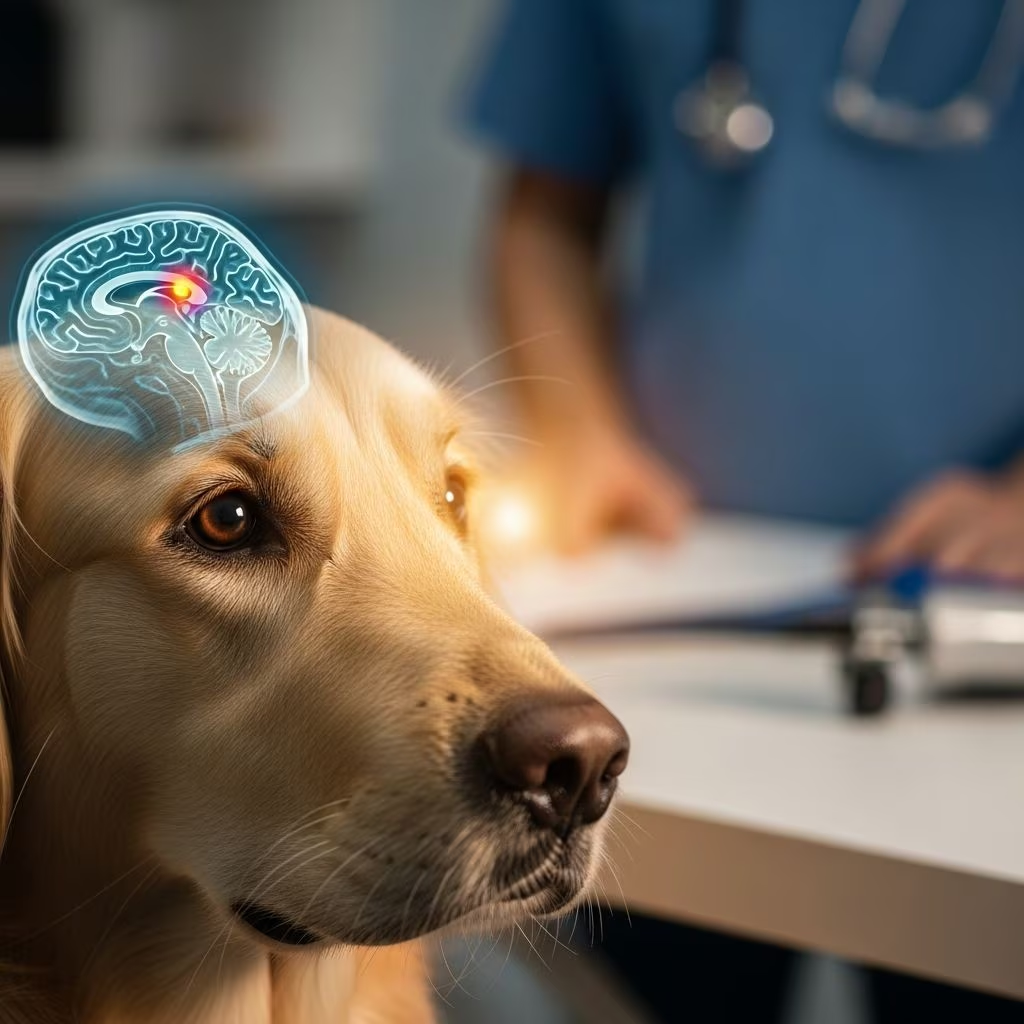
When a dog experiences a stroke, it represents a serious medical emergency requiring immediate professional intervention. A stroke occurs when blood circulation to the brain becomes disrupted, either through obstruction or vessel rupture, preventing oxygen and nutrients from reaching critical brain tissue. While strokes remain relatively uncommon in dogs compared to humans, their sudden onset and potential severity demand swift recognition and veterinary response.
Understanding the Fundamentals of Canine Strokes
A stroke in dogs, medically termed a cerebrovascular accident (CVA), happens when blood flow to the brain is interrupted or significantly reduced. This interruption can occur through two distinct mechanisms, each with different underlying causes and treatment implications. Understanding these distinctions helps pet owners and veterinarians approach diagnosis and management more effectively.
The interruption in blood flow prevents oxygen delivery to affected brain regions, leading to rapid deterioration of neurological function in those areas. The severity and location of the stroke determine which neurological symptoms emerge and how dramatically they affect the dog’s behavior and physical capabilities.
Two Primary Categories of Canine Strokes
Ischemic Strokes: The More Common Type
Ischemic strokes represent the majority of stroke cases in dogs. This type occurs when blood vessel obstruction prevents adequate blood flow to brain tissue. Multiple factors can create these blockages, including blood clot formation, tumor growth, bacterial infections, or parasitic infestations. Blood clots remain the most frequent culprit in ischemic stroke cases.
Importantly, symptoms from ischemic strokes typically stabilize within 24 hours of onset, with many dogs showing improvement during this initial period. This timing distinction becomes crucial when evaluating whether a dog’s condition is improving or worsening.
Hemorrhagic Strokes: Vessel Rupture Events
Hemorrhagic strokes result from bleeding within the brain when blood vessel walls rupture. Blood accumulates in the cranial space, creating pressure on surrounding brain tissue and compromising function. Several conditions predispose dogs to hemorrhagic events, including high blood pressure, tick-borne infections, rat poison ingestion, inherited bleeding disorders, and brain tumors.
Without appropriate treatment, hemorrhagic stroke symptoms may persist beyond the 24-hour window, potentially lasting several days or longer. This extended symptom duration reflects the ongoing pressure and inflammation from accumulated blood.
Recognizing Stroke Symptoms in Your Dog
Early recognition of stroke symptoms significantly improves outcomes, as prompt veterinary care enhances recovery chances. Stroke signs often appear suddenly, sometimes without any preceding warning signs. Dog owners should remain vigilant for the following indicators:
Balance and Coordination Changes
Loss of balance and coordination problems represent primary stroke symptoms in dogs. Affected dogs may stumble while walking, fall unexpectedly, circle compulsively, or weave unsteadily as they move. Some dogs may collapse suddenly or fall to one side. These balance disturbances can appear as mild awkwardness or severe incapacity, depending on stroke location and severity.
Neurological and Behavioral Signs
Beyond balance problems, stroke-affected dogs commonly display distinctive neurological symptoms. Head tilting occurs frequently, where a dog holds its head at an unusual angle. Dogs may show abnormal eye movements or positioning, including unusual back-and-forth eye movements or loss of normal blink reflexes. Some dogs appear disoriented or confused, struggling to recognize familiar surroundings or people.
Physical Weakness and Loss of Function
Weakness affecting one side of the body commonly accompanies strokes. This unilateral weakness may be subtle or pronounced, ranging from slight limb dragging to complete inability to bear weight. Dogs may misjudge steps while walking, placing feet incorrectly or missing stairs entirely. Some dogs experience paresis, a partial paralysis affecting voluntary movement control.
Additional Concerning Symptoms
Strokes can cause loss of bladder or bowel control, requiring management during recovery. Vision loss may occur if the stroke affects visual processing areas. Abnormal body posture, including unusual stance or positioning, reflects disrupted motor control. Some dogs may experience seizures as a secondary effect of the stroke.
Underlying Health Conditions That Increase Stroke Risk
While strokes can occur in any dog, certain health conditions significantly elevate stroke risk. Cushing’s disease and kidney failure represent two of the most commonly associated conditions. High blood pressure (hypertension) frequently underlies stroke development, as many stroke-affected dogs have documented hypertension. Managing these underlying conditions becomes essential for preventing recurrent strokes.
Additional risk factors include blood clotting disorders, tick-borne illnesses, rat poison exposure, and brain tumors. Certain medications, such as phenylpropanolamine (used to treat urinary incontinence), may increase stroke risk in susceptible dogs. Breed predisposition isn’t direct, but breeds prone to high blood pressure or other stroke-risk conditions face elevated stroke likelihood.
Diagnostic Evaluation of Suspected Strokes
When stroke symptoms appear, veterinary diagnosis becomes essential since similar symptoms can indicate other neurological conditions. A comprehensive diagnostic approach includes multiple testing modalities to confirm stroke and identify underlying causes.
Initial Assessment and Physical Examination
Veterinarians begin with thorough physical and neurological examinations, assessing balance, coordination, reflexes, and mental awareness. Blood pressure measurement provides crucial information, particularly regarding hypertension’s role in stroke development.
Laboratory and Imaging Tests
Blood tests help identify underlying health conditions or blood clotting abnormalities. Urinalysis provides additional metabolic information. Diagnostic imaging represents the cornerstone of stroke confirmation. X-rays may reveal bone abnormalities or trauma, while ultrasound assesses abdominal organs. MRI and CT scans allow visualization of brain tissue, blood vessels, and potential blockages or hemorrhage.
Definitive stroke diagnosis requires identifying blood clots or brain bleeding on MRI imaging. Cerebrospinal fluid analysis may help rule out infectious causes of neurological symptoms. For complex cases, veterinary neurologist referral ensures specialized expertise in diagnosis confirmation and treatment planning.
Treatment Approaches and Recovery Management
Currently, no specific cure exists for canine strokes. Instead, treatment focuses on supportive care, symptom management, and addressing underlying health conditions that contributed to the stroke. The treatment approach varies based on stroke type, location, severity, and identified underlying causes.
Medication Therapies
For ischemic strokes caused by blood clots, anticoagulant medications such as clopidogrel help prevent future clot formation and may support existing blood flow. Blood thinners administered during acute phases can help maintain circulation. Medications reducing brain inflammation and swelling, including mannitol and hypertonic saline solutions, protect brain tissue from further damage. Blood pressure medications become essential when hypertension contributed to the stroke. Thyroid medication may be prescribed if hypothyroidism was identified.
Hospitalization and Intensive Care
Many stroke-affected dogs require hospitalization for intensive monitoring and supportive nursing care. Intravenous fluid therapy maintains hydration and supports organ function. Oxygen therapy may be provided to ensure adequate brain oxygenation. Feeding tube placement becomes necessary when dogs cannot eat or drink independently, ensuring adequate nutrition for recovery. Continuous monitoring allows rapid response to complications, and repeat testing tracks improvement or decline.
Rehabilitation and Long-Term Care
Physical therapy and rehabilitation exercises help restore mobility and strength following stroke recovery. Range-of-motion activities prevent muscle atrophy and joint stiffness. Supportive care at home includes assistance with elimination needs and providing a nutritious diet supporting neurological healing. Regular veterinary check-ups monitor ongoing recovery and detect any complications or recurrence risk factors.
Expected Recovery Timeline and Outcomes
Recovery varies substantially among individual dogs, depending on stroke severity, location, and overall health status. Many dogs show improvement within the first 24 to 72 hours following stroke onset. Some dogs experience complete functional recovery, while others retain permanent neurological changes. Loss of mobility that develops from stroke often improves within the first few months post-stroke if recovery occurs.
Early veterinary intervention significantly enhances recovery prospects. Dogs receiving prompt care show better outcomes than those with delayed treatment. Prognosis depends on multiple factors including stroke type, affected brain region, patient age, and underlying health condition management.
Preventing Recurrent Strokes
Preventing future strokes requires identifying and managing underlying health conditions. Regular veterinary monitoring allows early detection of hypertension, kidney disease, or other risk factors. Maintaining appropriate blood pressure through medication reduces stroke recurrence risk substantially. Managing Cushing’s disease, blood clotting disorders, and other identified conditions prevents future vascular events. Some dogs benefit from ongoing anticoagulant therapy to prevent clot formation.
Frequently Asked Questions About Canine Strokes
Can dogs fully recover from strokes?
Yes, some dogs achieve complete recovery, while others experience permanent neurological effects. Recovery depends on stroke severity, location, and how quickly treatment begins. Most improvement occurs within the first 72 hours, though recovery can continue for weeks or months.
Are strokes hereditary in dogs?
Strokes themselves aren’t inherited, but predisposition to underlying risk conditions may have genetic components. Breeds prone to hypertension, kidney disease, or blood clotting disorders face higher stroke risk.
What’s the difference between stroke and seizure in dogs?
Strokes involve disrupted blood flow causing sudden neurological symptoms that typically progress or remain stable. Seizures involve abnormal electrical activity causing convulsions. Some stroke-affected dogs may experience secondary seizures.
How quickly should I seek veterinary care for suspected stroke?
Immediate veterinary care is essential. Stroke represents a medical emergency, and prompt treatment improves recovery outcomes substantially. Time-sensitive interventions may become available during the acute phase.
Can strokes be prevented in dogs?
While lifestyle-related stroke prevention strategies used in humans don’t apply to dogs, managing underlying health conditions reduces risk significantly. Regular veterinary care identifying and treating hypertension, kidney disease, and other conditions helps prevent strokes.
References
- How to detect and treat strokes in dogs — Vetster. 2024. https://vetster.com/en/wellness/how-to-detect-and-treat-strokes-in-dogs
- Strokes in Dogs: Signs, Treatment, and Prognosis — MedVet. 2024. https://www.medvet.com/strokes-in-dogs
- Strokes in Dogs — VCA Animal Hospitals. https://vcahospitals.com/know-your-pet/strokes-in-dogs
- Dog Stroke: Causes, Symptoms & Treatment — Purina. https://www.purina.com/articles/dog/health/symptoms/dog-stroke
- Dog Stroke Symptoms, Causes, Treatment Options, and More — GoodRx. 2024. https://www.goodrx.com/pet-health/dog/dog-stroke-symptoms
- Stroke in Dogs: What Are Strokes, and Are They an Emergency? — PetMD. https://www.petmd.com/dog/conditions/neurological/stroke-dogs-what-it-and-it-emergency
- Stroke in Dogs – Symptoms, Causes, Diagnosis, Treatment — Wag! https://wagwalking.com/condition/stroke



