
Canine Staph Infections: Recognition and Care
Complete guide to identifying and managing bacterial skin infections in dogs
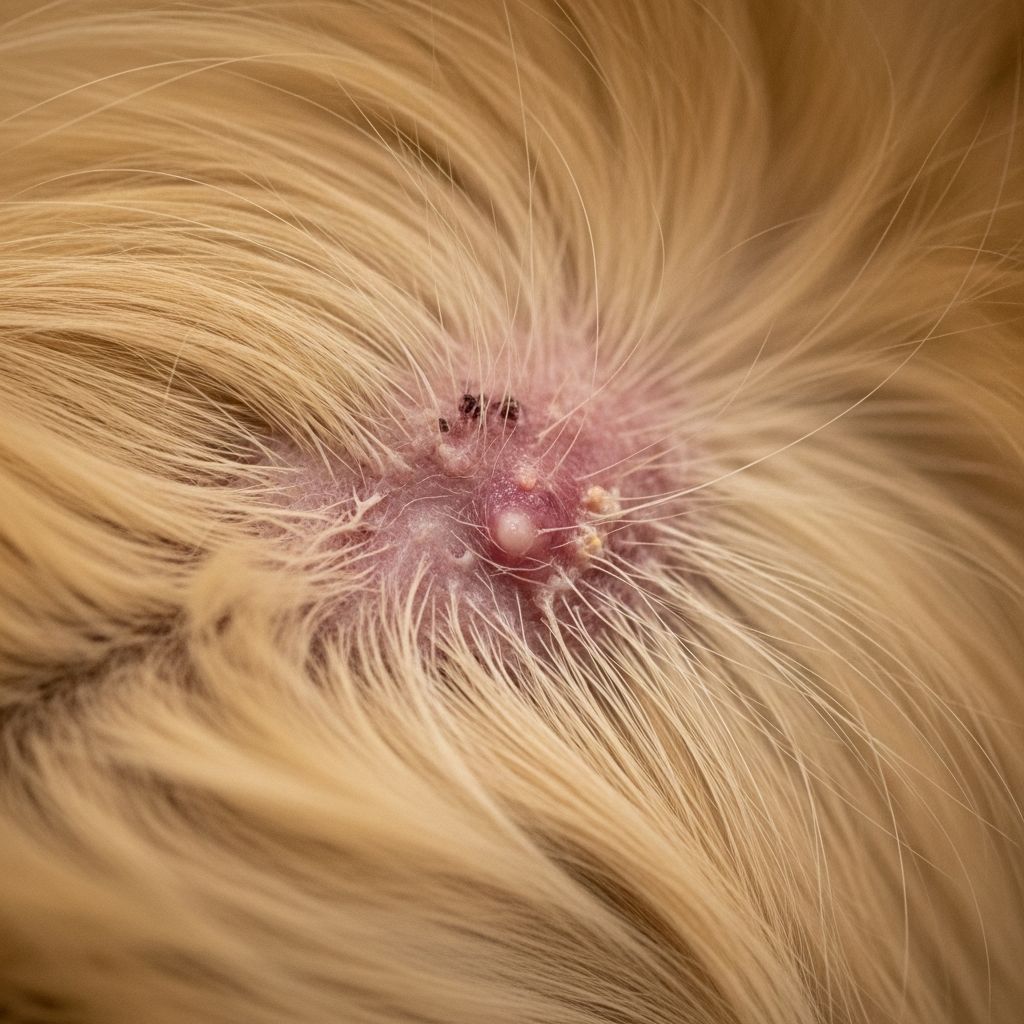
Staph infections represent one of the most prevalent skin conditions affecting dogs today. These bacterial infections develop when Staphylococcus bacteria multiply excessively on the skin surface, typically triggered by irritation, damage, or underlying health conditions. Understanding how to identify and address these infections promptly can significantly improve your dog’s comfort and prevent complications.
What Triggers Staph Infections in Dogs
Staphylococcus bacteria naturally exist on a dog’s skin, but problems arise when the normal skin barrier becomes compromised. Several factors can create an environment where these bacteria flourish uncontrollably. Skin damage from scratching, biting, or chewing due to allergies or parasites provides an entry point for bacterial overgrowth. Additionally, dogs with weakened immune systems, hormonal imbalances, or underlying allergic conditions face elevated vulnerability to developing these infections.
Environmental factors also play a significant role. Excessive moisture from swimming or poor grooming habits can create ideal conditions for bacterial proliferation. Dogs living in humid climates or those with skin folds that trap moisture experience higher infection rates. In some cases, the infection develops secondary to other dermatological conditions, meaning the staph infection follows rather than initiates the skin problem.
Recognizing the Physical Manifestations
Early detection of staph infections depends on recognizing the varied signs these infections present. The appearance and severity of symptoms correlate directly with infection depth—superficial infections typically display milder signs, while deeper infections produce more pronounced and concerning symptoms.
Surface-Level Infection Indicators
Superficial staph infections affect only the outer skin layers and often appear manageable initially. Dogs with these infections typically exhibit localized redness in affected areas. Small, raised bumps resembling pimples or pustules frequently appear on the skin surface. Many owners notice their dogs excessively licking, chewing, or scratching at these areas, sometimes creating additional damage through self-trauma.
Hair loss in patches represents another hallmark sign, particularly if the loss occurs without obvious external trauma. The affected skin often develops a scaly, crusty appearance as the infection progresses. Some dogs show minimal itching or discomfort, making the infection easy to overlook initially. Others experience significant itchiness that disrupts their normal behavior and sleep patterns.
Deep Infection Characteristics
When staph infections penetrate deeper into the skin layers, symptoms intensify considerably. Dogs with deep infections experience noticeable pain around affected areas, often responding with sensitivity when you touch or groom these regions. The skin becomes visibly swollen and warm to the touch—these signs indicate significant inflammatory response within the tissue.
Deep infections frequently develop into open sores that may ooze fluid or pus, creating the classic appearance of a “hot spot.” These lesions smell unpleasant and attract bacteria, perpetuating the infection cycle. Systemic signs like fever, reduced appetite, and lethargy may accompany severe infections, indicating the dog’s immune system is working intensely to combat the bacterial invasion.
Diagnostic Approaches and Professional Evaluation
While visible symptoms provide initial clues, veterinary professionals employ several diagnostic methods to confirm staph infections and determine appropriate treatment strategies. A physical examination allows veterinarians to assess infection extent and identify underlying conditions contributing to bacterial overgrowth.
Bacterial culture and sensitivity testing represents the gold standard for diagnosis. This process involves collecting samples from the affected skin and growing bacteria in laboratory conditions. The resulting culture identifies the specific bacterial species and reveals which antibiotics will effectively eliminate the infection. This precision proves especially valuable when dealing with antibiotic-resistant strains or stubborn infections.
Cytology examinations—microscopic analysis of cells scraped from affected skin—can reveal bacterial presence and help differentiate staph infections from other skin conditions. Allergy testing may become necessary if underlying allergies are suspected as the root cause of recurrent infections.
Treatment Strategies for Different Infection Levels
Treatment approaches vary based on infection severity, depth, and individual dog factors. Veterinarians typically employ a graduated strategy, starting with less invasive options before advancing to systemic medications.
Topical Treatment Protocols
Medicated shampoos containing chlorhexidine or other antimicrobial agents serve as the first line of defense for many superficial infections. Products with 4% chlorhexidine prove particularly effective and remain available without prescription at most pet supply retailers. Veterinarians often recommend bathing affected dogs daily or at minimum twice weekly using these formulations.
Beyond the antimicrobial action of the shampoo itself, the bathing process mechanically removes scabs, crusts, and debris that harbor bacteria and perpetuate infection. This combined mechanical and chemical approach accelerates healing when consistently applied. If bathing proves impractical due to the dog’s size or location of infection, chlorhexidine products exist in alternative forms including wipes, sprays, and foams.
Topical antibiotic ointments like mupirocin may be prescribed for localized infections or areas difficult to treat with shampoo therapy. These prescription-strength treatments deliver concentrated antimicrobial action directly to affected tissue. Some veterinarians apply topical treatments as a preventive maintenance strategy even after infection resolution, particularly for dogs prone to recurrent infections.
Oral Antibiotic Regimens
When topical therapy fails to resolve infection or when staph infections penetrate deeper skin layers, oral antibiotics become necessary. Cephalosporins—particularly cephalexin and cefpodoxime—represent the preferred antibiotic choice for canine staph infections. These medications effectively eliminate Staphylococcus bacteria while demonstrating good safety profiles in dogs.
Treatment duration typically spans two to three weeks for straightforward superficial infections, though more extensive infections require four to six weeks or longer. Completing the full prescribed course of antibiotics remains crucial, even if symptoms resolve earlier. Premature cessation can allow remaining bacteria to repopulate and develop antibiotic resistance, making future infections harder to treat.
Once-daily antibiotic formulations improve treatment compliance by simplifying the administration schedule. Injectable cephalosporin options like cefovecin provide an alternative approach, with a single injection delivering medication equivalent to a two-week oral course. This method proves especially useful for owners struggling with daily medication administration.
Managing the Itching and Preventing Further Damage
Addressing excessive itching represents a critical component of staph infection management, as continued scratching and licking perpetuate skin damage and bacterial proliferation. Dogs naturally respond to skin discomfort by increasing self-directed trauma, which worsens infections and complicates healing.
Anti-itch medications like Cytopoint and Apoquel provide relief while treatment eliminates the bacterial infection. These medications target the itch sensation without interfering with antibiotic therapy. In some cases, recovery collars prevent dogs from accessing affected areas, breaking the scratch-lick-damage cycle that maintains infection severity.
Identifying and addressing underlying allergies becomes equally important, as allergic reactions frequently trigger the initial skin irritation that enables staph overgrowth. Once the acute infection resolves, managing any allergic predisposition helps prevent recurrence.
Recovery Timeline and Aftercare Considerations
Most dogs show significant improvement within two to three weeks of appropriate treatment. However, deeply infected areas or extensive infections may require four to six weeks for complete resolution. During recovery, maintaining proper skin hygiene and avoiding activities that promote moisture accumulation accelerates healing.
Keep your dog’s coat and skin clean and dry throughout treatment and recovery. Minimize water activities including swimming, as excessive moisture rehydrates skin lesions and creates conditions favoring bacterial persistence. Maintaining your dog mostly indoors in clean environments reduces exposure to environmental contaminants and parasites that could complicate recovery.
Follow-up veterinary appointments allow professionals to monitor healing progress and confirm infection resolution before concluding treatment. Some veterinarians recommend continued use of medicated products even after infection clears, particularly for dogs with allergies or history of recurrent infections.
Managing Chronic and Recurrent Infections
Some dogs experience recurrent staph infections despite appropriate treatment. These cases often involve underlying hypersensitivity conditions requiring more sophisticated management approaches. Staphylococcal bacterin—a solution of killed staphylococcal bacteria—offers a unique treatment option for these chronic cases.
This desensitization therapy aims to reprogram the dog’s immune system so it no longer overreacts excessively to naturally-occurring staph bacteria on the skin. Treatment begins as a series of daily injections directly into the skin, typically lasting several weeks. Following this initial intensive phase, injections transition to subcutaneous administration on an interval ranging from every three to four days up to every two weeks.
While this long-term treatment may extend over months or even years, many dogs experience profound improvement when conventional antibiotics and topical therapies have failed. Veterinarians train owners to administer these injections at home, making the extended treatment manageable and cost-effective.
Antibiotic Stewardship and Resistant Infections
Growing concerns about antibiotic resistance in bacterial populations has prompted veterinarians to adopt “antibiotic stewardship” practices. This approach prioritizes topical treatment before initiating oral antibiotics for superficial infections, reserving systemic medications for cases that genuinely require them.
This strategy benefits not only individual dogs but also the broader population by slowing the development of antibiotic-resistant bacteria. Resistant infections require longer treatment courses—typically three to four weeks for superficial infections and at least six weeks for deep infections—to ensure complete bacterial elimination.
Frequently Asked Questions
How contagious are dog staph infections? Most canine staph infections are not highly contagious to other dogs, as they typically develop from the infected dog’s own bacterial flora. However, direct contact with open lesions or drainage should be minimized.
Can environmental management prevent staph infections? Yes, maintaining clean, dry environments and addressing allergic predispositions significantly reduces infection risk. Regular grooming and prompt treatment of parasites also help prevent conditions that lead to staph infections.
What happens if staph infections go untreated? Untreated infections can spread deeper into tissue, potentially causing systemic complications including sepsis and life-threatening conditions. Prompt veterinary attention prevents these serious outcomes.
Are there natural remedies for staph infections? While some complementary approaches may support skin health, antibiotics remain necessary for treating active infections. Always consult your veterinarian before implementing any treatment approach.
When to Seek Emergency Veterinary Care
Certain signs indicate a staph infection requires immediate professional attention. Rapidly spreading redness, swelling, or warmth around infected areas suggests aggressive infection progression. Dogs displaying fever, lethargy, loss of appetite, or labored breathing need emergency evaluation to assess for systemic complications. Any signs of pus drainage, foul odor, or spreading warmth warrant prompt veterinary assessment.
References
- Dog Staph Infection: Signs, Causes, and Treatment — PetMD, Michelle Diener, DVM. Accessed 2026. https://www.petmd.com/dog/conditions/skin/staph-infection-dogs
- Staphylococcal Dermatitis and Hypersensitivity in Dogs — VCA Animal Hospitals. Accessed 2026. https://vcahospitals.com/know-your-pet/staphylococcal-dermatitis-hypersensitivity-in-dogs
- Staph Infections in Dogs: What You Need to Know — American Kennel Club. Accessed 2026. https://www.akc.org/expert-advice/health/staph-infections-in-dogs-what-you-need-to-know/
- Dog Staph Infection Treatment — Whole Dog Journal. Accessed 2026. https://www.whole-dog-journal.com/health/dog-staph-infection-treatment/
- Recognizing the Signs of Staph Infections in Dogs — Zoetis Petcare. Accessed 2026. https://www.zoetispetcare.com/blog/article/recognizing-the-signs-of-staph-infections-in-dogs
- Management of Skin Infections in Dogs — Pet Dermatology Clinic. Accessed 2026. https://www.petdermatologyclinic.com/management-of-skin-infections-dogs
- Update on Treating Canine Staphylococcal Skin Infections — DVM360. Accessed 2026. https://www.dvm360.com/view/update-treating-canine-staphylococcal-skin-infections-sponsored-pfizer-animal-health
Similar Articles








Read full bio of Sneha Tete




