

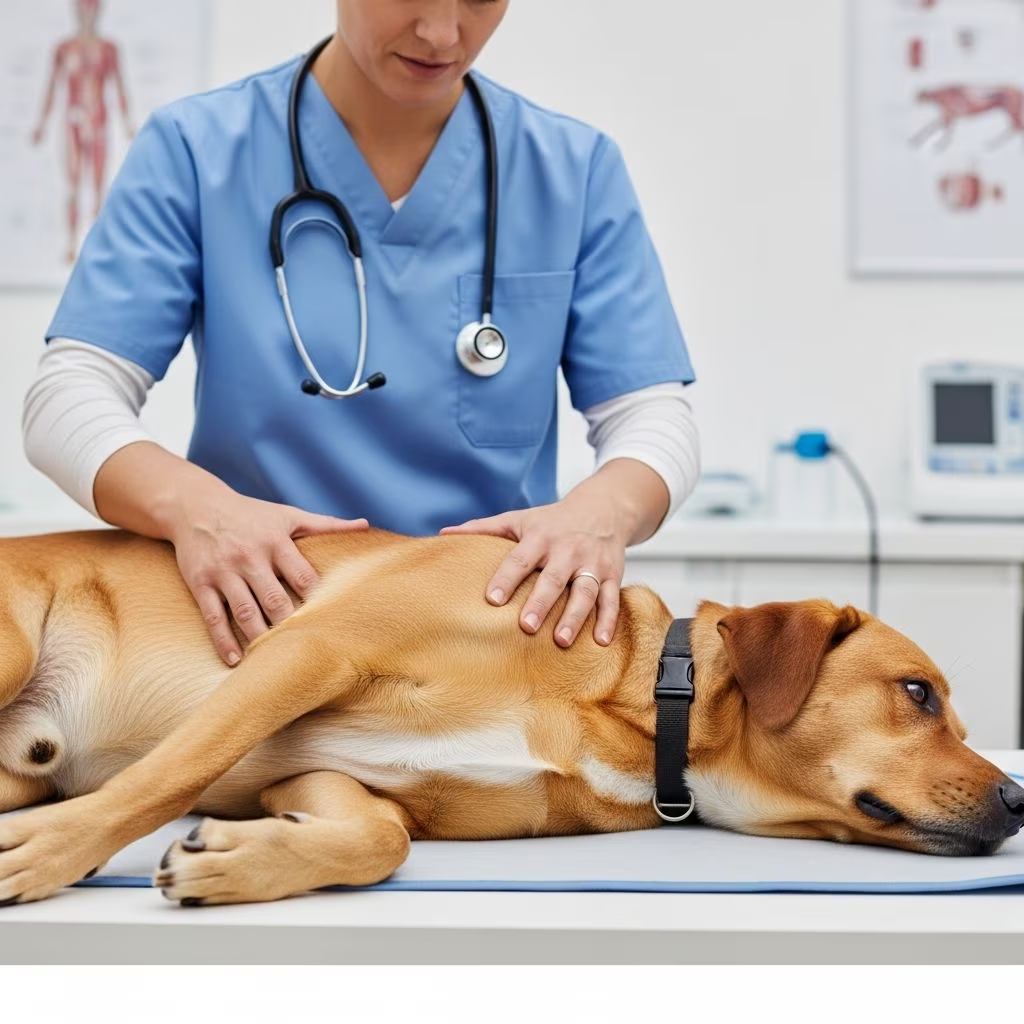
Pet owners increasingly recognize that their dogs’ musculoskeletal system plays a crucial role in overall health and quality of life. Chiropractic care represents one approach to maintaining spinal alignment and supporting nerve function in companion animals. This therapeutic intervention addresses structural imbalances that may contribute to pain, reduced mobility, and diminished vitality. Understanding what chiropractic care entails, how it works, and whether it suits your dog requires examining both the scientific evidence and practical considerations that guide professional practitioners.
The Foundation of Veterinary Chiropractic Care
Chiropractic treatment for dogs focuses on detecting and correcting misalignments of vertebrae—conditions practitioners call subluxations—that may interfere with normal nerve transmission and joint function. Unlike pharmaceutical interventions that mask symptoms, chiropractic approaches aim to restore biomechanical efficiency by manually manipulating the spine and associated joints. This hands-on therapy has evolved from complementary status to recognition within veterinary medicine, particularly as evidence accumulates regarding its application for specific conditions.
The fundamental premise underlying canine chiropractic rests on the relationship between spinal alignment and nervous system performance. When vertebrae deviate from their optimal positions, nerves become compressed or irritated, potentially leading to pain signals, reduced mobility, and compromised organ function. By restoring proper alignment through skilled manipulation, practitioners theorize that nervous system communication improves, facilitating the body’s natural healing mechanisms.
Safety Profile and Clinical Evidence
Contemporary research provides reassuring data regarding chiropractic safety when performed by qualified practitioners. A peer-reviewed analysis documented adverse events from animal chiropractic to be extremely rare when administered by trained professionals, with complication rates falling below 0.01% across treatment series exceeding 3,000 cases. This safety profile compares favorably to many conventional medical and surgical interventions commonly used for musculoskeletal disorders in dogs.
The low incidence of serious complications reflects the importance of proper training, appropriate technique, and thorough pre-treatment assessment. When practitioners employ certified protocols and maintain awareness of anatomical variations among breeds, dogs tolerate adjustments remarkably well. Importantly, this safety advantage depends entirely on the practitioner’s qualifications and adherence to evidence-based guidelines.
Understanding Temporary Post-Treatment Responses
Dogs occasionally experience minor physical responses immediately following adjustment sessions. These temporary manifestations—sometimes called “detox responses” by practitioners—may include subtle balance shifts, mild fatigue, or increased thirst as the nervous system adapts to improved spinal alignment. Such responses typically resolve within 24 to 48 hours and represent the body’s adjustment process rather than treatment complications. Pet owners should anticipate these possibilities and maintain light activity levels during the immediate recovery period.
Therapeutic Benefits and Clinical Applications
Dogs receiving chiropractic care frequently demonstrate measurable improvements across multiple physiological domains. These benefits extend beyond pain relief to encompass mobility enhancement, functional restoration, and systemic health support.
Restoring Movement and Flexibility
Among the most visible benefits observed in canine patients is enhanced range of motion. Dogs experiencing restricted spinal movement often regain fluid, natural gaits following consistent adjustment therapy. This improvement proves particularly valuable for working dogs, competitive athletes, and aging companions whose functional capacity directly affects quality of life. Puppies developing optimal movement patterns may benefit from early intervention, though practitioners must employ modified techniques appropriate for immature skeletal systems.
Flexibility improvements manifest through:
- Increased spinal articulation and limb range of motion
- Smoother, more coordinated movement patterns
- Reduced stiffness following periods of rest or activity
- Enhanced capacity for jumping, climbing stairs, and complex movements
- Improved ability to turn and change direction
Pain Reduction and Functional Recovery
Chronic pain originating from arthritis, acute injuries, or post-surgical recovery often responds favorably to chiropractic intervention. Rather than relying exclusively on pharmaceutical management, adjustments can reduce inflammation around nerve roots and joints, decrease muscle tension patterns that perpetuate pain cycles, and restore proprioceptive input—the dog’s awareness of body position in space. This multifaceted approach to pain management may reduce dependence on long-term medication, though chiropractic typically complements rather than replaces conventional veterinary protocols.
Functional outcomes frequently observed include:
- Improved balance and coordination in daily activities
- Reduced sensitivity to previously painful movements
- Enhanced recovery speed from soft tissue injuries
- Better postural stability and spinal alignment
- Improved organ function through restored nerve supply to visceral structures
- Support for pre- and post-surgical healing processes
Neurological and Systemic Health Support
Beyond musculoskeletal benefits, optimized spinal alignment supports broader physiological functions. The nervous system’s role in immune regulation, organ coordination, and metabolic efficiency means that improved nerve transmission may enhance overall vitality. Practitioners report observing improvements in conditions ranging from urinary incontinence to digestive dysfunction when underlying spinal misalignment has been corrected. While these systemic benefits require additional research for full validation, preliminary evidence supports the interconnected nature of spinal health and organismal wellness.
Evaluating Your Dog’s Candidacy for Chiropractic Care
Not every dog represents an ideal candidate for chiropractic intervention. Age, health status, breed characteristics, and specific medical conditions all influence whether this therapy constitutes an appropriate treatment choice.
Age-Related Considerations
Developmental stage significantly impacts chiropractic suitability. Puppies whose skeletal systems remain incompletely ossified face potential injury from manipulative forces appropriate for adult dogs. Their developing growth plates and cartilage structures require protection during this critical maturation period. Practitioners recommend waiting until skeletal maturity before initiating standard adjustment protocols, though gentle techniques adapted for young animals may be appropriate in specific circumstances.
Adult dogs of appropriate maturity typically represent ideal candidates, tolerating standard adjustment techniques comfortably. Senior dogs, despite age-related degenerative changes and arthritis, frequently experience profound quality-of-life improvements. Their susceptibility to discomfort and reduced mobility often responds remarkably well to regular adjustments, sometimes producing more dramatic functional gains than observed in younger populations.
Breed-Specific Factors
Certain breeds carry anatomical predispositions requiring modified treatment approaches. Dachshunds and Corgis, with their characteristically elongated spines, demonstrate heightened vulnerability to intervertebral disc disease and warrant specialized attention during adjustment procedures. Brachycephalic breeds—those with flattened facial structures—require careful positioning and gentle neck manipulation. German Shepherds commonly develop lumbosacral complications necessitating targeted, breed-specific care protocols. Understanding these breed characteristics allows practitioners to tailor treatments appropriately.
Size and Build Variations
While both small and large dogs benefit from chiropractic care, their distinct anatomical characteristics influence treatment parameters. Small breed dogs require practitioners experienced in their proportionally different vertebral structures and biomechanical patterns. Giant breed dogs’ substantial mass and different load-bearing patterns demand technical adjustments to ensure proper force application and safety.
Medical Conditions Precluding Chiropractic Treatment
Certain health conditions contraindicate chiropractic manipulation. Dogs presenting with active bone fractures, diagnosed tumors affecting skeletal structures, or severe osteoporosis require alternative management approaches. Acute spinal cord injuries demanding surgical stabilization incompatible with manipulation protocols, uncontrolled bleeding disorders, and acute infections at proposed treatment sites all represent contraindications. Additionally, dogs with unexplained lameness or pain require comprehensive veterinary diagnosis before practitioners proceed with adjustment therapy, as treating a symptom without understanding its underlying cause risks exacerbating undiagnosed conditions.
Recent surgical recovery typically warrants a waiting period—generally 6 to 8 weeks—before initiating chiropractic treatment. Pregnant dogs may receive modified treatment but require practitioner experience with pregnancy-related adjustments. Any dog presenting with unexplained neurological dysfunction demands thorough veterinary evaluation preceding chiropractic intervention.
Minimizing Risks Through Professional Standards
While chiropractic safety appears excellent when properly administered, risks exist when practitioners lack appropriate training or employ excessive force. Injuries from improper technique might include soft tissue trauma, joint damage, or aggravation of underlying conditions. These serious complications represent virtually eliminated risks when dogs receive care from certified, experienced practitioners employing validated protocols.
Professional credentialing matters considerably. Practitioners should have completed American Veterinary Chiropractic Association (AVCA) accredited training programs or equivalent certification bodies recognizing rigorous standardized curricula. Licensure requirements vary by jurisdiction, but veterinary board certification in chiropractic represents the gold standard indicating comprehensive training in animal anatomy, physiology, and manipulation techniques.
Integration with Conventional Veterinary Care
Optimal outcomes emerge when chiropractic care functions as a complementary component within broader veterinary management strategies rather than replacing conventional diagnosis and treatment. A collaborative approach ensures that adjustments address identified biomechanical dysfunctions contributing to recognized conditions while other therapeutic modalities address conditions requiring pharmaceutical or surgical intervention. Communication between the primary veterinarian and chiropractic practitioner allows coordinated care preventing conflicting interventions and ensuring comprehensive attention to all health concerns.
This integrative model proves particularly valuable for chronic conditions like arthritis, post-surgical rehabilitation, and age-related decline where multiple approaches targeting different physiological mechanisms produce superior outcomes compared to any single intervention.
What to Expect During Assessment and Treatment
Initial chiropractic evaluation involves comprehensive physical examination assessing spinal alignment, range of motion, neurological function, and musculoskeletal symmetry. Practitioners palpate vertebrae detecting subtle misalignments, evaluate gait patterns identifying compensation mechanisms, and discuss the dog’s medical history and specific concerns. This thorough assessment determines whether chiropractic intervention suits the individual case and identifies any contraindications requiring veterinary clearance before proceeding.
Adjustment procedures involve precise manual manipulation directed toward specific vertebrae or joints. The manipulation, sometimes producing an audible “pop” sound, occurs rapidly once the joint has been positioned correctly. Most dogs tolerate adjustments comfortably, particularly as familiarity increases through repeated sessions. Treatment plans typically recommend periodic follow-up visits, with frequency determined by the specific condition, the dog’s response to therapy, and the practitioner’s clinical assessment.
Frequently Asked Questions About Canine Chiropractic
Does chiropractic treatment hurt dogs?
When performed by trained practitioners, chiropractic adjustments cause minimal discomfort. Most dogs tolerate procedures calmly, with some demonstrating visible relaxation during treatment. Dogs may experience mild soreness comparable to post-exercise muscle tenderness, but serious pain indicates improper technique or underlying contraindications requiring cessation of treatment.
How frequently should dogs receive adjustments?
Treatment frequency varies considerably based on the specific condition, severity of spinal misalignment, and individual response. Acute injuries might require frequent initial treatments tapering to maintenance sessions, while chronic degenerative conditions may benefit from regular periodic adjustments. Practitioners typically recommend treatment plans ranging from weekly to monthly intervals, with adjustments as needed.
Can chiropractic care prevent disease?
While research doesn’t definitively establish prevention as a primary benefit, maintaining optimal spinal alignment and nervous system function may support overall health resilience. Some practitioners recommend periodic maintenance adjustments for healthy dogs, though evidence specifically supporting preventive benefits remains limited.
Is chiropractic suitable for all dog sizes?
Dogs ranging from toy breeds to giant breeds can receive chiropractic care with appropriate technique modifications. Practitioners experienced with size-specific anatomical variations can safely treat dogs across the entire size spectrum.
Making an Informed Decision
Choosing whether chiropractic care benefits your dog requires evaluating your pet’s specific circumstances, consulting with your primary veterinarian, and selecting qualified practitioners. The contemporary evidence base demonstrates that when properly administered by certified professionals, chiropractic care presents minimal risks while offering meaningful therapeutic benefits for numerous canine conditions. The decision ultimately reflects individual circumstances, health status, and treatment goals aligned with your dog’s comprehensive health management strategy.
References
- Journal of Small Animal Practice — Veterinary Medicine Research. 2016. Research documenting adverse event rates from animal chiropractic care across 3,000+ treatments, published in peer-reviewed veterinary medicine journal.
- Chiropractic Care Safety for Dogs — Tails Animal Chiropractic Care. 2025. Professional veterinary chiropractic standards and safety protocols for canine patients.
- Canine Adjustment Response Guidelines — Angelani Hospital Veterinary Services. 2024. Documentation of temporary post-adjustment responses in dogs receiving chiropractic care.
- Spinal Manipulation Therapy Safety Standards — Denver Veterinary Chiropractic Services. 2024. Comparative safety analysis of chiropractic therapy versus conventional treatments for musculoskeletal disorders.
- Veterinary Chiropractic Care Applications — Back On Track Veterinary Clinic. 2018. Clinical applications and therapeutic benefits of chiropractic treatment for companion animals.
- Chiropractic Care for Dogs: Health Considerations — American Kennel Club Expert Advice. 2024. Breed-specific and age-related guidelines for canine chiropractic care from veterinary specialists.
- Veterinary Chiropractic Care Standards — Animal Clinic of Cape Breton. 2024. Professional standards and certification requirements for veterinary chiropractic practitioners.



