

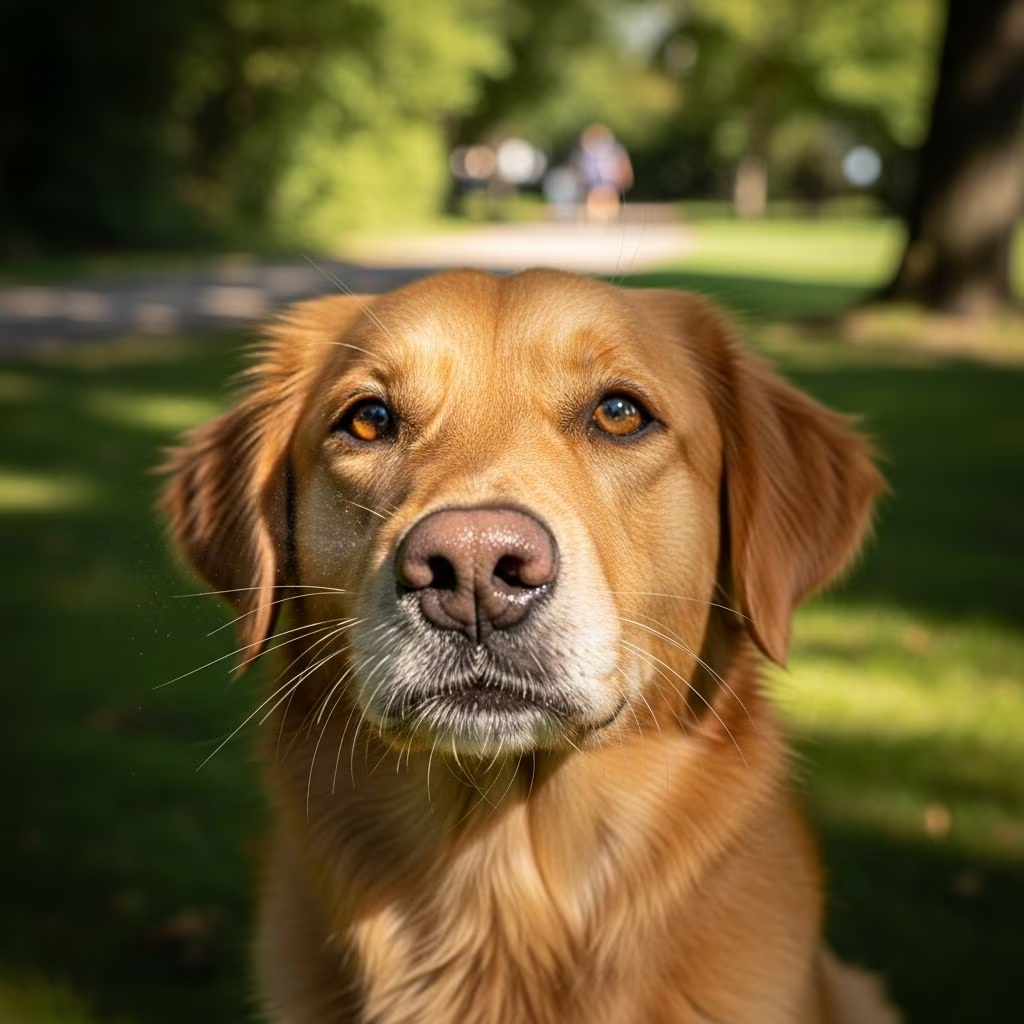
Dog sneezing is a common occurrence that most pet owners encounter at some point. While occasional sneezing is typically harmless and may indicate nothing more than a passing irritant, frequent or persistent sneezing can signal underlying health concerns that warrant veterinary attention. Understanding the distinction between routine sneezing and symptoms that require medical intervention is essential for maintaining your dog’s respiratory health and overall well-being.
The Spectrum of Canine Sneezing Triggers
Dogs experience sneezing for a variety of reasons, ranging from minor environmental factors to more serious medical conditions. The causes can be broadly categorized into several groups, each with distinct characteristics and management approaches.
Environmental and Atmospheric Irritants
One of the most straightforward reasons dogs sneeze involves exposure to environmental irritants that affect their highly sensitive nasal passages. Dogs possess an exceptionally keen sense of smell, which makes their respiratory systems particularly reactive to airborne particles and chemical compounds. Common household and environmental triggers include dust particles, pollen from plants and flowers, cleaning product residues, tobacco smoke, perfumes, and air fresheners. During certain seasons, particularly spring and autumn, your dog may experience increased sneezing episodes due to elevated pollen counts. These seasonal patterns often indicate allergic responses rather than infections. Additionally, exposure to smoke from fireplaces, candles, or outdoor sources can irritate nasal passages and trigger sneezing fits.
Allergic Reactions in Dogs
Canine allergies represent one of the most prevalent causes of sneezing in dogs, mirroring the allergic responses humans experience. Dogs may develop allergies to environmental substances such as grass, mold spores, dust mites, or specific plant pollens. Environmental allergies typically manifest with additional symptoms including watery eyes, nasal discharge, and itchy skin. Food allergies can also contribute to sneezing, though this is less common than environmental sensitivities. When your dog sneezes more frequently during particular seasons or after specific activities, allergies should be considered as a potential cause. Identifying and minimizing exposure to known allergens can significantly reduce sneezing episodes.
Infections Affecting the Respiratory Tract
Infectious organisms can cause persistent sneezing in dogs and typically present with additional concerning symptoms. Bacterial infections in the nasal passages often produce discolored nasal discharge, typically yellow or green in appearance. Fungal infections can also affect the nasal cavity and require specific treatment approaches. Viral infections, including conditions like canine influenza, may trigger sneezing along with systemic symptoms such as coughing, lethargy, and loss of appetite. These infections often require professional veterinary diagnosis and treatment to prevent complications and ensure complete recovery.
Foreign Objects and Obstructions
Dogs can inhale or aspirate foreign materials that lodge in their nasal passages, causing severe and often sudden sneezing. One particularly common culprit involves foxtail grasses, which have long, barbed seed structures that easily become embedded in nasal tissues. When a foreign body becomes lodged in the nasal cavity, sneezing episodes are usually intense and persistent. Your dog may also demonstrate behavior such as pawing at the nose or face in attempts to dislodge the object. Professional extraction is typically necessary, as foreign bodies rarely resolve without intervention and can lead to infection or further complications if left untreated.
Dental Disease and Oral Infections
A surprising yet common cause of sneezing involves dental problems and oral infections. The anatomical relationship between upper tooth roots and the nasal passages means that dental abscesses or infections can affect nasal tissues and trigger sneezing. If your dog displays sneezing along with difficulty eating, foul-smelling breath, or facial swelling, a dental issue should be investigated. Addressing the underlying dental problem typically resolves the associated sneezing once oral health is restored.
Parasitic Infestations
Parasites, particularly nasal mites, can establish infections within the nasal passages and cause chronic sneezing. These microscopic organisms trigger inflammation and irritation, resulting in persistent sneezing episodes and nasal discharge. Parasitic infections require specific antiparasitic medications prescribed by your veterinarian to eliminate the infestation and resolve symptoms.
Recognizing Normal Versus Concerning Sneezing
Not all sneezing requires immediate veterinary intervention. Dogs sneeze occasionally as part of normal behavior and communication, including playful sneezing during play sessions or excitement-related sneezing. However, certain characteristics indicate that professional evaluation is necessary to rule out serious underlying conditions.
Warning Signs Requiring Veterinary Attention
- Persistent or violent sneezing that occurs regularly or in intense episodes lasting several minutes
- Nasal discharge that appears discolored, typically yellow, green, or containing blood
- Loss of appetite or weight loss accompanying respiratory symptoms
- Facial swelling around the muzzle or nasal area
- Behavioral signs such as frequent pawing at the nose or face
- Associated respiratory symptoms including coughing, wheezing, or difficulty breathing
- Nosebleeds or blood-tinged nasal discharge
- Systemic symptoms such as lethargy, fever, or general malaise occurring alongside sneezing
When sneezing occurs in combination with these additional symptoms, the likelihood of a more serious condition such as respiratory infection, nasal tumors, or embedded foreign objects increases significantly. Early veterinary intervention can prevent complications and provide relief for your dog’s discomfort.
Diagnostic Procedures for Persistent Sneezing
When you bring your dog to the veterinarian with sneezing concerns, your vet will employ various diagnostic methods to identify the underlying cause and determine the appropriate treatment plan. The diagnostic process typically begins with a comprehensive physical examination, during which your veterinarian will assess your dog’s overall health, examine the nasal passages and mouth, and evaluate the eyes and respiratory system. Your vet will also inquire about your dog’s environment, recent activities, any new exposures to potential allergens or irritants, and the specific characteristics of the sneezing episodes.
For cases where initial examination does not reveal an obvious cause, advanced diagnostic techniques may be recommended. Radiographic imaging, such as X-rays of the head and nasal cavity, can reveal foreign objects, dental issues, tumors, or structural abnormalities. Rhinoscopy, a procedure involving insertion of a small camera into the nasal passages, allows direct visualization of nasal tissues and can aid in sample collection. Nasal swabs may be performed to identify bacterial, fungal, or viral pathogens. In some cases, bloodwork may be recommended to evaluate overall health and identify systemic infections or immune responses.
Treatment Approaches Based on Underlying Causes
Treatment for canine sneezing is fundamentally directed toward addressing the specific underlying cause identified during the diagnostic process. The treatment approach varies considerably depending on the diagnosis and severity of the condition.
Management of Allergic Sneezing
When allergies are identified as the cause of sneezing, several management strategies can be implemented. Environmental modifications, such as increasing air filtration, reducing allergen exposure, and maintaining cleaner living spaces, can decrease sneezing episodes. Allergy medications, including antihistamines, may be prescribed to reduce the allergic response. In some cases, allergy shots or immunotherapy may be recommended for dogs with severe environmental sensitivities. Dietary modifications might also be suggested if food allergies are suspected as contributing factors.
Treatment of Infections
Infectious causes of sneezing require targeted pharmaceutical intervention. Bacterial infections are typically treated with course of antibiotics selected based on culture results and sensitivity testing. Fungal infections require antifungal medications, which may need to be administered over an extended period. Viral infections are generally managed with supportive care, including medications to control symptoms and promote recovery. Anti-inflammatory medications, whether steroidal or non-steroidal, may be prescribed to reduce nasal inflammation and facilitate easier breathing.
Addressing Structural and Physical Issues
When foreign bodies are identified in the nasal passages, surgical removal under sedation is typically necessary to prevent infection and ongoing irritation. Dental abscesses or tooth root infections causing sneezing require dental treatment, which may include antibiotics, tooth extraction, or root canal procedures. Dogs with anatomical abnormalities, such as those with brachycephalic airway syndrome (common in flat-faced breeds), may benefit from surgical correction of elongated soft palates to improve respiratory function.
Parasitic Treatment
Nasal mite infestations respond to specific antiparasitic medications prescribed by your veterinarian. Treatment may be administered topically or systemically, depending on the antiparasitic agent selected.
Home Care and Supportive Measures
While veterinary treatment addresses the underlying cause, supportive care at home can enhance your dog’s comfort and facilitate recovery. Environmental modifications, such as removing obvious irritants and allergens from your dog’s living space, can reduce sneezing triggers. Regular vacuuming, washing your dog’s bedding frequently, and ensuring adequate air circulation help minimize dust and allergen accumulation.
If your dog is experiencing nasal congestion, creating a steamy environment can help clear nasal passages and facilitate breathing. Running a humidifier or placing your dog in a bathroom while someone showers can provide temporary relief through moisture and steam inhalation. Additionally, maintaining your dog’s appetite during illness is important, and adding warm, aromatic foods such as chicken or minced beef to meals can encourage eating when appetite is diminished.
Understanding Reverse Sneezing
Reverse sneezing, also called paroxysmal respiration, is a distinct condition that differs from typical sneezing but can cause concern for pet owners. During reverse sneezing, dogs produce rapid, forceful inhalations that create a distinctive snorting sound. This phenomenon can result from various triggers including excitement, pulling against a leash, eating or drinking too quickly, or the presence of foreign material in the upper respiratory tract. Most reverse sneezing episodes are harmless and resolve spontaneously within seconds to minutes. However, if your dog experiences frequent or severe reverse sneezing episodes, veterinary evaluation is recommended to rule out underlying conditions such as allergies, nasal mites, or structural abnormalities.
Simple techniques can sometimes help episodes resolve more quickly. Gently massaging your dog’s throat, briefly holding the nostrils closed to encourage swallowing, or blowing gently into the dog’s face can promote resolution. Remaining calm and comforting your dog throughout the episode also helps reduce anxiety.
Frequently Asked Questions About Canine Sneezing
When should I be concerned about my dog’s sneezing?
Occasional sneezing is typically normal, but you should seek veterinary attention if sneezing becomes persistent, is accompanied by nasal discharge or other symptoms, or significantly affects your dog’s quality of life.
Can dog sneezing indicate allergies?
Yes, allergies are among the most common causes of sneezing in dogs. If sneezing accompanies watery eyes or occurs seasonally, allergies should be considered.
How long does it take to diagnose the cause of sneezing?
The diagnostic timeline depends on the underlying cause. Some causes can be identified during the initial examination, while others require advanced imaging or laboratory tests, which may take several days.
Is sneezing ever an emergency?
While most sneezing is not an emergency, severe cases involving difficulty breathing, significant nasal bleeding, or intense facial swelling warrant prompt veterinary evaluation.
Can sneezing be prevented?
While not all sneezing can be prevented, minimizing exposure to known irritants and allergens can reduce episodes. Regular dental care and maintaining good oral health can prevent sneezing related to dental disease.
References
- Sneezing in Dogs | Health A-Z — Joii Pet Care. Accessed 2026. https://www.joiipetcare.com/blogs/health-symptoms/sneezing-in-dogs
- Coughing and Sneezing in Pets: When to Worry — St. Charles Veterinary Hospital. Accessed 2026. https://www.stcharlesvethospital.com/blog/coughing-and-sneezing-in-pets-when-to-worry
- Dog Sneezing: When to Worry and What to Do — Animal Family Veterinary Care. Accessed 2026. https://animalfamilyveterinarycare.com/blog/dog-sneezing/
- Sneezing in Dogs – Causes, Treatment and Associated Symptoms — Vetster. Accessed 2026. https://vetster.com/en/symptoms/dog/sneezing
- Reverse Sneezing — Cornell University College of Veterinary Medicine, Riney Canine Health Center. Accessed 2026. https://www.vet.cornell.edu/departments-centers-and-institutes/riney-canine-health-center/canine-health-topics/reverse-sneezing
- Coughing & Sneezing — Connolly Animal Clinic PC. Accessed 2026. https://www.connollyanimalclinicpc.com/coughing-a-sneezing



