

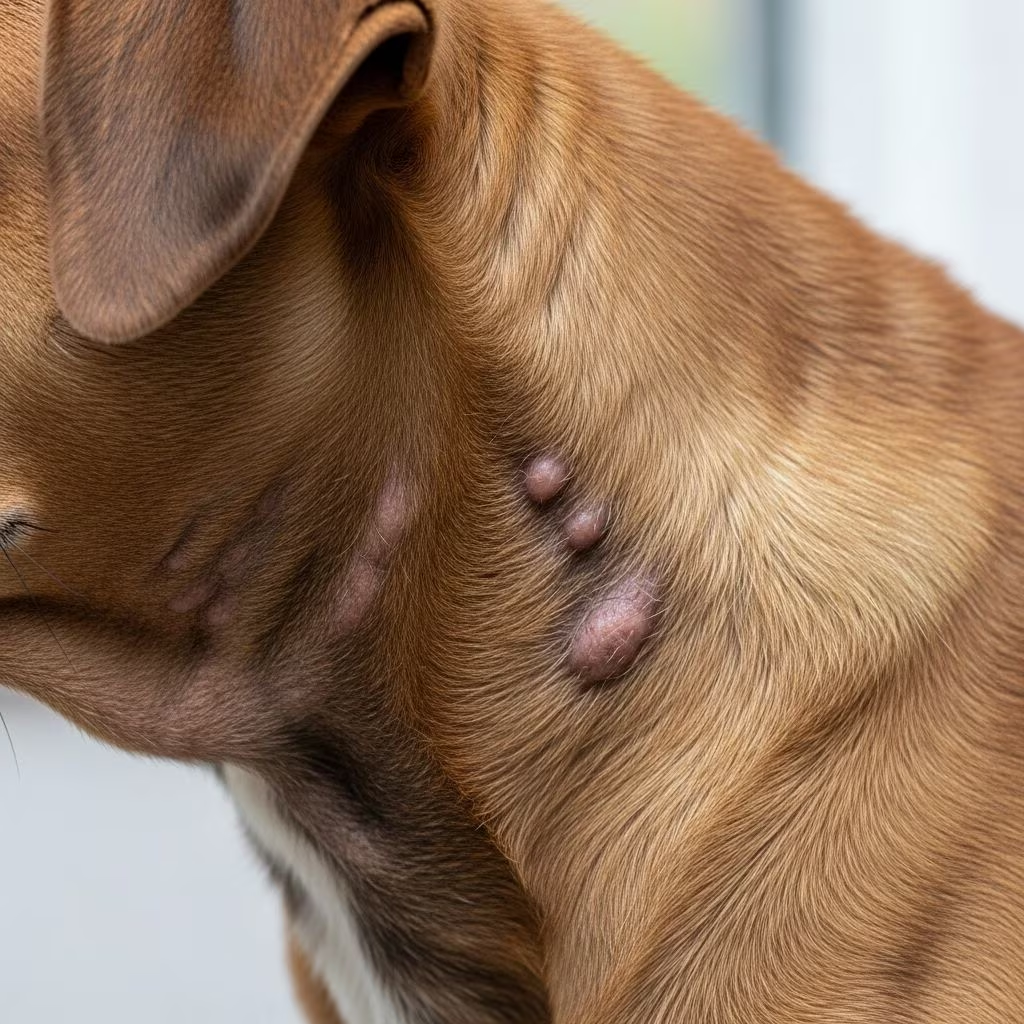
Hyperkeratosis represents one of the more persistent dermatological challenges veterinarians encounter in canine patients. This condition develops when a dog’s body produces excessive amounts of keratin—a protective protein that forms the structural foundation of healthy skin—resulting in abnormal thickening and hardening of affected areas. The visible manifestations typically appear on the nose, paw pads, and occasionally the ears, where the skin becomes noticeably rough, cracked, and sometimes painful to the touch.
Understanding the Biological Mechanism
To comprehend hyperkeratosis, it helps to understand the normal function of keratinocytes—specialized skin cells responsible for keratin production. These cells maintain the skin’s protective barrier by producing controlled amounts of keratin that form the outer layer of the epidermis. In hyperkeratosis, this carefully balanced process becomes disrupted, causing keratinocytes to produce keratin at abnormally elevated rates. The accumulated keratin gradually thickens the stratum corneum—the outermost layer of the epidermis—creating the characteristic rough, scaly appearance associated with this condition.
This excessive keratin buildup is not merely a cosmetic concern. As the affected tissue thickens and loses elasticity, it becomes prone to cracking and fissuring. These small breaks in the skin barrier create entry points for secondary bacterial and fungal infections, which can significantly complicate the dog’s condition and require additional medical intervention.
Identifying Risk Factors and Contributing Conditions
Hyperkeratosis affects dogs across different age groups, though the condition shows particular prevalence in middle-aged and senior canines. As dogs age, their skin naturally tends to thicken at pressure points and high-friction areas, making older dogs more susceptible to developing this condition. However, age represents just one contributing factor in a complex web of potential causes.
Genetic predisposition plays a significant role in determining which dogs develop hyperkeratosis. Certain breeds, particularly Alaskan dog varieties, demonstrate inherited susceptibility to this condition due to their genetic makeup and inherent difficulties in zinc absorption. This genetic component means some dogs carry intrinsic vulnerability regardless of their environment or diet.
Viral infections represent another significant causative pathway. Canine distemper virus (CDV), though less common in vaccinated populations, remains a notable trigger for hyperkeratosis development. When a dog contracts CDV, the virus attacks multiple body systems including the respiratory, gastrointestinal, nervous, and integumentary systems. The viral invasion disrupts normal keratinocyte function, leading to excessive keratin production and the subsequent development of thick, hardened skin.
Nutritional and Metabolic Factors
Zinc-responsive dermatosis presents a particularly important nutritional cause of hyperkeratosis. Zinc serves as an essential cofactor for numerous enzymatic processes maintaining healthy skin function. When dogs cannot adequately absorb or utilize dietary zinc, keratinocytes malfunction and produce excess keratin.
Two distinct syndromes relate to zinc-responsive hyperkeratosis. Syndrome I primarily affects genetically predisposed Alaskan breeds with inherent zinc absorption limitations. Syndrome II occurs in rapidly growing large-breed dogs whose diets contain excessive mineral supplementation that interferes with zinc bioavailability.
Parasitic and Systemic Causes
Leishmaniasis, a parasitic disease transmitted by sandflies, can trigger hyperkeratosis through immune-mediated mechanisms. When infected sandflies transmit Leishmania parasites to dogs, the parasites distribute throughout various organs including the skin. The dog’s immune system responds to this parasitic invasion with inflammation and abnormal keratin production, resulting in characteristic skin thickening and hardening.
Systemic lupus erythematosus and other autoimmune conditions can also precipitate hyperkeratosis as part of their broader immunological dysfunction. These conditions disrupt normal skin cell regulation and keratin metabolism.
Recognizing Clinical Presentation and Symptoms
The initial sign of developing hyperkeratosis often involves subtle changes in the affected skin’s texture. Dogs with nasal hyperkeratosis may show a previously smooth nose becoming increasingly rough and dry. This texture alteration represents the beginning stages of keratin accumulation.
As the condition progresses, affected areas develop visible scaling, crustiness, and thickening. The skin may display discoloration, ranging from light tan to dark brown, and may develop hairlike projections protruding from the surface. Cracks and fissures frequently appear in the thickened tissue, creating small wounds that are particularly vulnerable to infection.
Pain and Functional Impact
The pain associated with hyperkeratosis should not be underestimated. Thickened, cracked tissue becomes extremely sensitive to pressure and touch. Dogs experiencing discomfort may excessively lick or chew at affected areas in attempts to self-soothe, which paradoxically worsens the condition by introducing bacteria and causing further tissue damage.
In severe cases, paw pad hyperkeratosis can significantly impair mobility. When the thick, cracked pads on weight-bearing paws become painful, dogs may develop lameness or demonstrate reluctance to walk or engage in normal activities. The dog’s quality of life deteriorates noticeably as pain increases.
Diagnostic Approach and Assessment
Veterinary diagnosis of hyperkeratosis requires a multifaceted approach combining physical examination with appropriate diagnostic testing. During the physical examination, the veterinarian visually assesses the affected areas, evaluates their extent, and notes any signs of secondary infections or complications.
Diagnostic testing may include:
- Blood work to identify systemic conditions, nutritional deficiencies, and immune abnormalities
- Serology testing to detect evidence of past or present viral or parasitic infections
- Skin biopsy involving collection of affected tissue for histological examination to confirm hyperkeratosis and rule out other dermatological conditions
- Fungal and bacterial cultures when secondary infections are suspected
These diagnostic steps help differentiate hyperkeratosis from other conditions that produce similar skin changes and identify underlying causes that may require specific treatment approaches.
Management Strategies and Treatment Approaches
While hyperkeratosis has no definitive cure, comprehensive management strategies can effectively control symptoms, slow disease progression, and maintain the dog’s quality of life. Treatment goals focus on reducing discomfort, preventing secondary infections, and preserving the skin’s functional integrity.
Topical Therapeutic Interventions
Topical treatments form the cornerstone of hyperkeratosis management. These products typically contain keratolytic agents—compounds that soften and break down excess keratin—combined with emollients that hydrate and moisturize affected skin. Common active ingredients include salicylic acid, urea, and propylene glycol, which work synergistically to reduce keratin thickness and improve skin texture.
Proper hydration of affected areas represents a critical component of management. Soaking the affected region in lukewarm water for 5-10 minutes multiple times daily significantly improves keratin softening and skin penetration of topical medications. Following water exposure, application of appropriate keratolytic agents helps bind moisture to the skin, maintaining hydration and preventing rapid desiccation.
Excess Tissue Removal
For paw pad hyperkeratosis, careful trimming of excessive keratin can reduce pain and improve comfort. Owners should only attempt this procedure after receiving explicit guidance from their veterinarian regarding proper technique. Improper trimming risks injury and infection. After trimming, antiseborrheic agents help reduce future keratin production in the affected area.
Infection Management
Secondary bacterial and fungal infections represent common complications requiring specific treatment. Veterinarians may prescribe topical or systemic antibiotics and antifungal medications depending on infection severity and extent. For significant infections, veterinarians may recommend performing skin culture and sensitivity testing to identify the specific microorganisms involved and select the most effective antimicrobial agent.
Addressing Underlying Causes
When hyperkeratosis stems from identifiable underlying conditions, treating the root cause becomes essential. Dogs with zinc-responsive hyperkeratosis benefit from zinc supplementation and dietary modifications ensuring adequate zinc bioavailability. Dogs with viral infections may receive antiviral care and immune support. This targeted approach addresses the fundamental problem rather than merely managing surface symptoms.
Frequently Asked Questions
Can hyperkeratosis be completely cured?
No, hyperkeratosis cannot be definitively cured, but the condition can be effectively managed through consistent treatment protocols. With appropriate care, many dogs experience significant symptom improvement and stable long-term disease progression.
Which dog breeds are most susceptible?
While any dog can develop hyperkeratosis, Alaskan dog breeds demonstrate particular genetic predisposition due to inherent zinc absorption difficulties. Large-breed dogs growing rapidly are susceptible to zinc-responsive Syndrome II, particularly when receiving excessive mineral supplementation.
Is hyperkeratosis contagious between dogs?
The condition itself is not contagious, though some underlying causes like viral infections might be transmissible. Hyperkeratosis develops from individual factors including genetics, age, and metabolic dysfunction.
How often should affected dogs receive veterinary check-ups?
Dogs with active hyperkeratosis should receive veterinary evaluation every 4-8 weeks initially, with frequency adjusted based on response to treatment and disease stability. Regular monitoring ensures early detection of complications and treatment efficacy assessment.
Long-Term Outlook and Quality of Life
With appropriate management, most dogs with hyperkeratosis maintain good quality of life despite the chronic nature of their condition. Consistent topical care, regular veterinary oversight, and prompt treatment of complications prevent significant functional deterioration in many cases.
The prognosis improves considerably when underlying causes are identified and addressable. Dogs with zinc-responsive hyperkeratosis show marked improvement with appropriate supplementation. Dogs with active viral infections benefit from antiviral intervention and immune support.
Owners should understand that hyperkeratosis management requires ongoing commitment. Discontinuing treatment typically results in symptom exacerbation and deterioration. However, the relatively straightforward nature of most management protocols—primarily involving topical treatments and periodic veterinary care—makes long-term management feasible for most dog owners.
References
- Understanding Hyperkeratosis in Dogs: Causes, Symptoms, and Treatment Options — Revival Animal Health. https://www.revivalanimal.com/learning-center/understanding-hyperkeratosis-in-dogs-causes-symptoms-and-treatment-options
- Dog Nose Hyperkeratosis: Causes, Symptoms, & Treatment — Vetericyn. https://vetericyn.com/blogs/vetericyn/dog-nose-hyperkeratosis
- How to Treat Hyperkeratosis in Dogs — Volhard Dog Nutrition. https://www.volharddognutrition.com/blog/how-to-treat-hyperkeratosis-in-dogs/



