

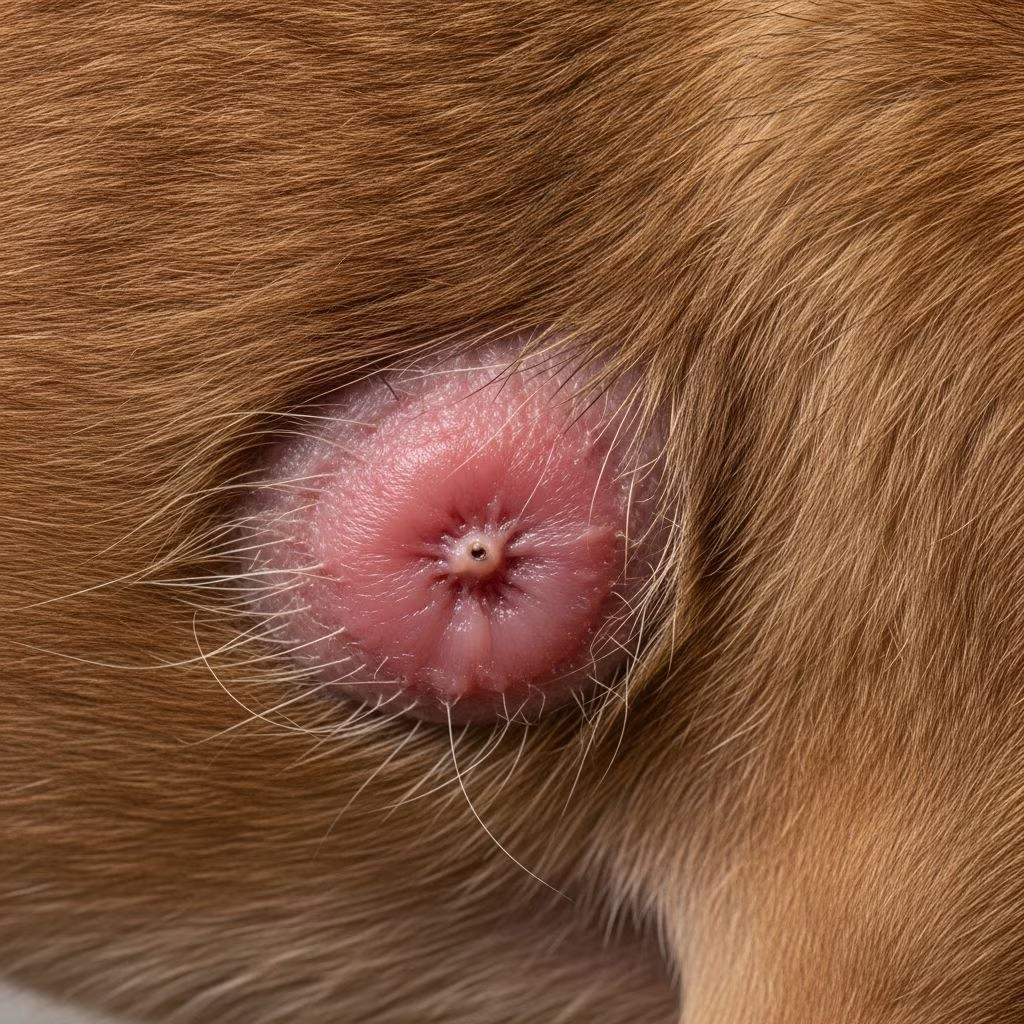
Dog owners often encounter various health challenges with their pets, and one condition that requires prompt attention is abscess formation. An abscess is a localized collection of pus that forms beneath the skin as the body’s immune response to bacterial infection. These painful swellings can develop anywhere on your dog’s body and may indicate a more serious underlying infection if left untreated. Understanding what abscesses are, how they develop, and what treatment options exist can help you provide better care for your canine companion.
Understanding Bacterial Skin Infections in Canines
When bacteria penetrate a dog’s skin through various routes, the immune system activates a protective mechanism that walls off the infection. This defensive barrier creates a pocket where pus accumulates—the hallmark of an abscess. The pus itself consists of dead white blood cells, bacteria, and tissue debris. Unlike simple surface wounds, abscesses develop beneath the skin layer and can grow rapidly without visible external signs.
The development of canine abscesses follows a predictable pattern. Initially, bacteria gain entry through a breach in the skin. Over several days, the body attempts to contain the infection by surrounding it with inflammatory cells. As the infection progresses, more pus accumulates, creating increasing pressure beneath the skin. This process typically results in noticeable swelling within a week of the initial injury.
Primary Sources and Risk Factors
Understanding how abscesses develop is crucial for prevention. Multiple pathways can lead to abscess formation in dogs:
Traumatic Injuries and Bite Wounds
One of the most common causes of abscesses is bite wounds from other animals. Even superficial puncture marks can introduce bacteria deep into the tissue where the immune system cannot easily reach them. The puncture nature of bite wounds makes them particularly problematic because they create a channel for bacteria to travel beneath the skin surface. Dogs that spend time outdoors or interact frequently with other animals face increased risk of bite-related abscesses.
Beyond animal bites, dogs can sustain injuries from environmental hazards. Sharp objects such as sticks, thorns, and splinters can penetrate the skin and either lodge within the tissue or create wounds susceptible to infection. These objects may remain embedded in the skin, continuously irritating the area and providing an ongoing source of bacterial growth.
Dental and Oral Complications
The oral cavity represents another significant source of abscess development in dogs. Poor dental hygiene and gum disease create environments where bacteria thrive. Broken or fractured teeth expose the inner structures to infection, potentially leading to tooth root abscesses. These infections can spread to surrounding tissues and become serious systemic issues if not addressed promptly. Veterinarians often recommend tooth extraction when dental abscesses are identified, as antibiotics alone rarely prevent recurrence.
Anal Gland Dysfunction
Impacted or ruptured anal glands frequently contribute to abscess formation in the perianal region. When these glands fail to empty properly, the trapped secretions become infected. Dogs with impacted anal glands may develop abscesses that cause significant discomfort and may rupture, releasing pus onto the skin surface.
Breed-Specific Vulnerabilities
Certain dog breeds demonstrate higher susceptibility to abscess formation. English Bulldogs, Labrador Retrievers, and Chinese Shar-Pei dogs face increased risk due to their short hair coats and skin characteristics that promote ingrown hairs and follicular infections. Dogs with weakened immune systems—whether from age, illness, or genetic factors—may develop abscesses more readily than healthy dogs.
Recognizing Abscess Symptoms
Early detection of abscesses significantly improves treatment outcomes and reduces complications. Dog owners should monitor their pets for various signs that may indicate abscess development:
Physical Indicators
The most obvious sign of an abscess is a sudden, unusual swelling or lump beneath the skin. This swelling may feel soft and fluctuant (moveable) to the touch, or it may appear firm depending on the abscess’s stage of development. The area surrounding the abscess typically displays redness, warmth, and increased sensitivity to touch. Some owners notice that their dog reacts with pain when the affected area is touched or when pressure is applied.
As an abscess matures, it may rupture spontaneously, releasing pus and fluid onto the skin surface. This discharge often appears yellowish or greenish and may have an unpleasant odor. The skin surrounding a draining abscess may show hair loss or scabbing as the body sheds damaged tissue.
Behavioral Changes
Beyond visible physical signs, dogs with abscesses often exhibit behavioral changes reflecting their discomfort. Affected dogs frequently lick or chew at the affected area excessively, attempting to relieve itching or pain. Limping or reluctance to use a particular limb may occur if the abscess is located on a paw or leg. Dogs with facial or neck abscesses may experience difficulty eating or apparent discomfort when moving their head.
Systemic Signs
More serious abscesses can trigger systemic symptoms affecting the dog’s overall health. Lethargy and reluctance to move indicate that the infection is causing significant distress. Some dogs develop fever or display general signs of feeling unwell, such as loss of appetite. These systemic symptoms suggest the infection may be spreading beyond the localized abscess and require immediate veterinary evaluation.
Location-Specific Abscess Presentations
| Abscess Location | Typical Causes | Common Symptoms |
|---|---|---|
| Paws | Puncture wounds, foreign objects, cuts | Limping, excessive paw licking, visible swelling between toes |
| Neck and Face | Bite wounds, puncture injuries | Rapid swelling, difficulty moving head, eating discomfort |
| Legs | Trauma, bite wounds, injury | Swelling, warmth at site, lameness |
| Skin and Ears | Moisture, debris, allergies, mites | Surface swelling, ear discharge, scratching behavior |
Diagnostic Assessment and Evaluation
When you suspect your dog has developed an abscess, veterinary evaluation is essential. A veterinarian will perform a physical examination to locate the abscess and assess its severity. The examination helps determine whether the abscess has ruptured, its size, and potential involvement of deeper tissues. In some cases, your veterinarian may recommend diagnostic imaging or fluid sampling to confirm the abscess and identify the bacteria involved.
Professional Treatment Approaches
Treating abscesses effectively requires a multi-faceted approach tailored to the abscess’s location, size, and underlying cause.
Drainage and Surgical Intervention
The primary treatment goal involves removing the pocket of pus. If the abscess has not ruptured spontaneously, your veterinarian will perform a minor surgical procedure under sedation to lance and drain the abscess. This controlled draining removes the infection source and relieves the pressure causing discomfort. After lancing, the veterinarian thoroughly flushes the wound with sterile solution to remove bacteria and debris. The flushing process is critical for preventing reaccumulation of pus and recurrent abscess formation.
In some cases, veterinarians place a drain within the abscess cavity to allow continued drainage and prevent premature wound closure. The drain remains in place temporarily, allowing fluids to escape rather than reaccumulating beneath the skin. This approach is particularly useful for large abscesses or those in areas prone to continued contamination.
Antibiotic Therapy
Antibiotics represent a critical component of successful abscess treatment. Your veterinarian will prescribe antibiotics appropriate for the suspected or identified bacteria involved. The specific antibiotic chosen depends on the bacterial species present and the abscess location. It is crucial to administer antibiotics for the entire prescribed duration, even if the abscess appears to have healed. Stopping antibiotics prematurely allows surviving bacteria to multiply and reestablish infection.
Pain Management
Ensuring adequate pain relief during abscess treatment is essential for your dog’s comfort and recovery. Veterinarians prescribe pain medication to accompany antibiotic therapy. Pain relief allows your dog to move more normally, which facilitates healing by improving circulation to the affected area. Some dogs may benefit from anti-inflammatory medication to reduce swelling and discomfort.
Supportive Home Care
After veterinary treatment, home care supports the healing process. Warm compresses applied to the affected area encourage continued drainage and improve comfort. If your veterinarian recommends cleaning the abscess, use cooled, boiled water or saline solution as directed. An Elizabethan collar may be necessary to prevent your dog from licking or chewing the affected area, which could reintroduce bacteria or damage healing tissue.
Specialized Treatment: Dental Abscesses
Tooth abscesses require different management than skin abscesses. Treatment typically involves extracting the affected tooth rather than attempting to save it with antibiotics alone. The abscess underlying the tooth is unlikely to resolve without tooth removal, and reinfection commonly occurs when extraction is avoided. After tooth extraction, antibiotic therapy addresses any residual infection in surrounding tissues.
When to Seek Veterinary Care
While minor skin issues may resolve independently, abscesses require professional evaluation. You should contact your veterinarian immediately if you observe:
- A sudden lump or swelling that appears within days
- Pus or fluid discharge from the skin
- Signs of fever or general malaise
- Significant limping or inability to use a limb
- Rapid expansion of a swelling
- Difficulty eating or swallowing
- Behavioral changes indicating severe pain
Preventing Future Abscess Development
Prevention strategies significantly reduce your dog’s risk of developing abscesses. Maintain good dental hygiene through regular brushing and professional cleanings to prevent dental infections. Keep your dog’s environment free of sharp objects and hazards that might cause puncture wounds. Manage any skin allergies or ear infections promptly to prevent secondary bacterial infections. During outdoor activities, inspect your dog regularly for cuts, punctures, or embedded objects. If your dog engages in frequent rough play or fights with other animals, consider reducing these interactions or providing supervision.
Follow-Up Care and Monitoring
After abscess treatment, your veterinarian will typically recommend a follow-up examination within one to two weeks to assess healing progress. This visit allows your veterinarian to ensure the abscess has fully drained, confirm that no bacteria remain to restart infection, and identify any underlying causes to prevent recurrence. Consistent monitoring helps catch any complications early.
Frequently Asked Questions
Can abscesses in dogs heal without veterinary treatment?
While some abscesses may spontaneously rupture and drain, this does not guarantee complete resolution. Without professional drainage and antibiotic therapy, bacteria remain in the tissue and frequently cause recurrent abscess formation. Veterinary treatment ensures proper healing and prevents serious complications.
How long does abscess treatment typically take?
The timeframe for abscess healing depends on the abscess’s size and location. Most abscesses show improvement within one to two weeks of proper treatment, but complete healing may require three to four weeks or longer. Following your veterinarian’s instructions regarding medication duration and care is essential for optimal healing.
Is an abscess contagious to other dogs?
Abscesses themselves are not contagious, but the bacteria within them could be transmitted through direct contact with open draining abscesses. It is prudent to prevent your dog from licking other dogs’ abscesses and to maintain good hygiene practices during treatment.
What happens if an abscess ruptures before veterinary treatment?
A ruptured abscess releases pus and bacteria onto the skin surface. While this relieves pressure and discomfort temporarily, it does not eliminate the infection. You should still seek veterinary care to ensure the infection is completely eliminated and to identify any foreign material that may be causing continued problems.
References
- Abscesses in Dogs — VCA Animal Hospitals. 2024. https://vcahospitals.com/know-your-pet/abscesses-in-dogs



