

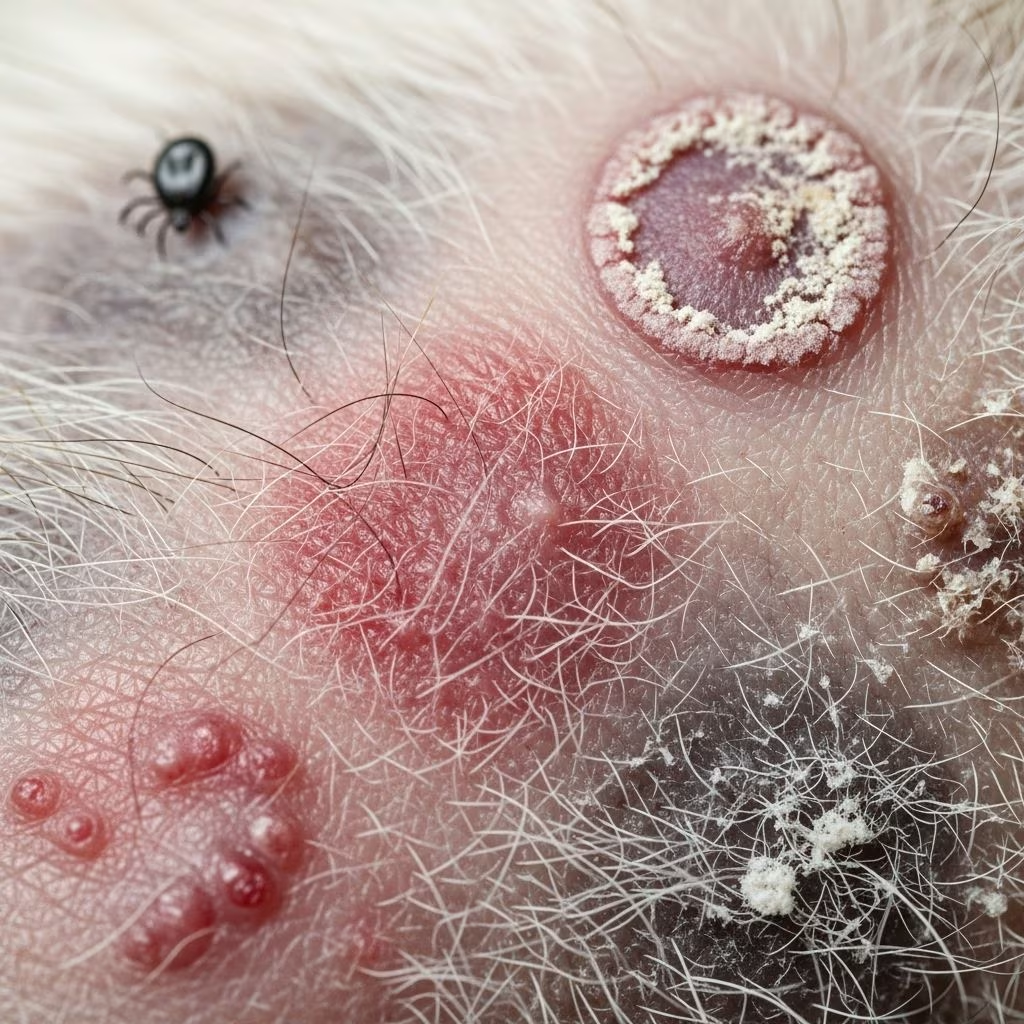
Dogs frequently encounter skin issues that affect their comfort and quality of life. These conditions range from mild irritations to severe infections requiring veterinary intervention. Understanding the underlying causes helps owners respond promptly and effectively.
Recognizing Common Signs of Skin Trouble in Dogs
Early detection of skin problems can prevent escalation. Watch for persistent scratching, excessive licking, or chewing at specific areas, which often indicate discomfort. A greasy coat, foul-smelling skin, or chronic ear inflammation signal deeper issues. Redness, rashes, hot spots—intensely itchy inflamed patches—and dry, flaky skin resembling dandruff are frequent indicators. Scabs, crusts, bald spots, swellings, or unusual lumps demand attention. Anal gland issues may accompany these symptoms, worsening overall skin health.
These signs vary by condition but share patterns like hair loss or discoloration. Prompt observation allows for timely care, reducing suffering and complications.
Primary Causes Behind Dog Skin Conditions
Skin disorders stem from diverse triggers including parasites, allergies, infections, genetics, hormones, and immune dysfunctions. Parasites like fleas provoke hypersensitivity reactions, leading to intense itching around the hindquarters. Bacterial overgrowth, often secondary to allergies or trauma, causes pyoderma with pimples and redness. Yeast infections, particularly Malassezia, thrive in moist areas like ears, producing odor and hair loss.
Allergies, both environmental (pollen, dust mites, mold) and food-related (common proteins like beef or dairy), drive chronic itching and secondary infections. Genetic predispositions manifest as atopy or ichthyosis, where skin fails to form properly, resulting in flaking. Hormonal imbalances such as hypothyroidism alter coat texture and skin pigmentation. Immune-mediated diseases cause the body to attack its own skin, producing blisters and erosions.
Bacterial and Yeast Infections: Pyoderma and Beyond
Pyoderma, a prevalent bacterial infection often from Staphylococcus, appears as red bumps, pustules, crusts, and hair loss, typically following skin barrier breaches from allergies or parasites. Acute cases resemble baby rashes, while chronic ones form circular bald patches. Treatment involves antibiotics, but addressing root causes prevents recurrence.
Yeast dermatitis, commonly Malassezia, affects skin folds and ears with greasy discharge, redness, and stench. Dogs with allergies are prone, as constant irritation fosters yeast growth. Topical antifungals and medicated shampoos manage it, alongside allergy control.
| Condition | Symptoms | Treatments |
|---|---|---|
| Pyoderma | Pimples, crusts, pus, odor | Antibiotics, topicals |
| Malassezia Dermatitis | Hair loss, redness, discharge | Antifungals, shampoos |
Allergic Reactions: Atopy and Flea Sensitivity
Atopic dermatitis impacts 10-15% of dogs, triggered by inhalants like pollen, grass, dust mites, and dander. Symptoms include seasonal itching around eyes, paws, ears, and muzzle, progressing to redness, alopecia, hyperpigmentation, and lichenification. No cure exists, but management via allergen avoidance, antihistamines, and immunotherapy succeeds.
Flea allergy dermatitis arises from saliva hypersensitivity, causing severe backend itching, hot spots, and hair loss on thighs and tail base. Even few fleas suffice; vigilant flea control is essential. Environmental allergies mimic these, demanding allergy testing for precision.
Parasitic Infestations: Mange and Fleas
Mange from mites devastates skin. Sarcoptic mange (scabies) intensely itches, reddens skin, and causes sores on ears, face, legs; it’s contagious to humans temporarily. Demodectic mange, non-contagious, hits puppies or immunocompromised dogs with bald patches and scabs in follicles. Both require acaricidal treatments like dips or oral meds.
- Sarcoptic: Highly itchy, contagious
- Demodectic: Localized, immune-related
Fleas, beyond allergies, transmit tapeworms and provoke anemia in heavy infestations.
Hormonal and Genetic Influences on Skin Health
Hypothyroidism thins coats, darkens skin, and increases infections. Cushing’s disease symmetrically alopecic flanks with thin, fragile skin. These demand blood tests and lifelong hormone therapy.
Genetic woes like ichthyosis produce thick, flaky scales from defective skin layers. Canine acne yields chin pustules; atopy genetically predisposes to allergies. Breed-specific vulnerabilities exist, e.g., Shar-Peis for seborrhea.
Autoimmune and Miscellaneous Disorders
Pemphigus foliaceus, the top autoimmune issue, blisters face and ears into crusts. Discoid lupus erythematosus ulcerates noses, sun-triggered. Immunosuppressants and topicals help.
Seborrhea sicca/oleosa flakes or oils skin unpleasantly, often idiopathic or allergy-linked. Hot spots self-traumatize rapidly, needing clipping, cleaning, and e-collars. Alabama rot ulcerates limbs, risking kidneys.
Diagnostic Approaches for Accurate Treatment
Vets employ skin scrapes for mites, cytology for bacteria/yeast, biopsies for autoimmune/genetic issues, and allergy tests. Bloodwork detects hormones; cultures confirm infections. Rule out food trials eliminate dietary triggers.
Treatment Strategies and Home Care
Therapy targets causes: parasiticide for fleas/mange, antibiotics for pyoderma, antifungals for yeast. Allergies use apoquel, cytopoint, or steroids short-term. Shampoos medicate; diets hypoallergenic aid.
Home tips: Bathe weekly with vet shampoos, prevent moisture, trim hair in folds, use flea preventives year-round. E-collars curb licking.
Breed Predispositions and Prevention Tips
| Breed/Group | Common Issues |
|---|---|
| Bulldogs, Shar-Peis | Folds infections, seborrhea |
| Retrievers, Terriers | Atopy, allergies |
| Pugs, long-haired | Pyoderma, hot spots |
Prevention: Routine grooming, parasite control, balanced diets bolster skin barriers. Annual vet checks catch early signs.
Frequently Asked Questions (FAQs)
What causes most dog skin itching?
Allergies and fleas top the list, often leading to secondary infections.
Can I treat hot spots at home?
Clean and medicate initially, but vet care prevents spread.
Is mange curable?
Yes, with proper treatment; sarcoptic clears faster than demodectic.
How do I know if it’s food allergy?
Hydrolyzed diet trials confirm; symptoms persist year-round.
Are skin issues breed-specific?
Yes, folded-skin breeds suffer more from infections.
Long-Term Management for Chronic Cases
Chronic conditions like atopy require multimodal plans: environmental control, novel proteins, biologics like cytopoint. Monitor for resistance; rotate therapies. Owner education ensures compliance, improving outcomes.
Nutritional support with omega-3s reduces inflammation. Stress management aids, as anxiety worsens licking cycles.
References
- A Complete Guide to Dog Skin Conditions — Dr. Bill’s Pet Nutrition. 2023. https://drbillspetnutrition.com/canine-skin-problems/
- Dog Skin Conditions: A Pet Owner’s Guide — Pets Best. 2023. https://www.petsbest.com/blog/a-pet-owners-guide-to-dog-skin-conditions
- A Visual Guide to Atopic Dermatitis & Skin Allergies in Dogs — LavenGel. 2023. https://lavengel.com/pages/skin-issues-atopy-and-allergies
- Understanding Canine Skin Disorders — Creedmoor Road Animal Hospital. 2023. https://creedmoorroadanimalhospital.com/pet-dermatology-in-raleigh-nc/understanding-canine-skin-disorders/
- Comprehensive Guide to Dog Skin Conditions — Zoetis Pets. 2023. https://www.zoetispets.com/en-ca/blog/dog/dog-skin-conditions-guide/
- Skin Problems in Dogs Slideshow — WebMD. 2023. https://www.webmd.com/pets/dogs/ss/slideshow-skin-problems-in-dogs
- 2023 AAHA Management of Allergic Skin Diseases Guidelines — American Animal Hospital Association (AAHA). 2023-01-01. https://www.aaha.org/wp-content/uploads/globalassets/02-guidelines/2023-aaha-management-of-allergic-skin-diseases-in-dogs-and-cats-guidelines/resources/2023-aaha-management-of-allergic-skin-diseases-guidelines.pdf



