

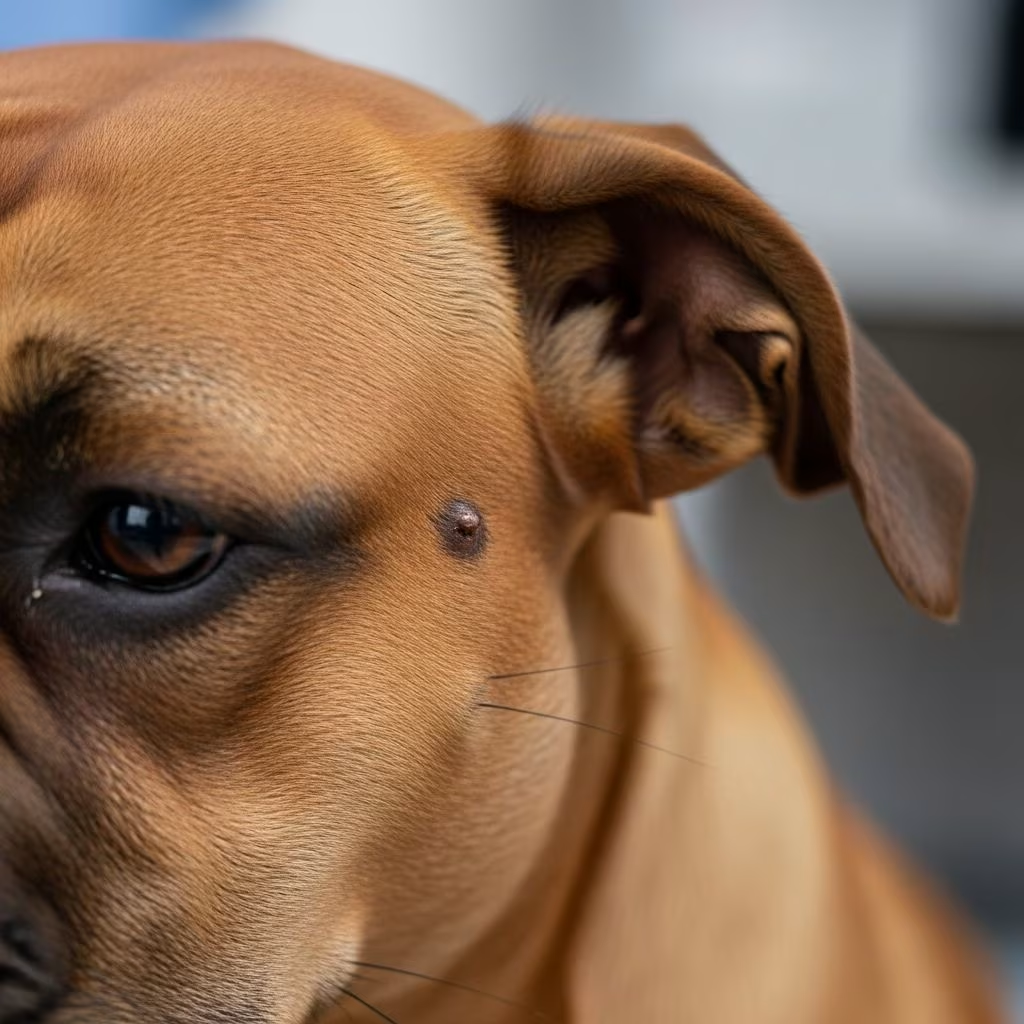
Skin cancer represents one of the most frequently diagnosed malignancies in domestic dogs, affecting dogs of all ages and breeds. The condition encompasses several distinct tumor types, each with unique characteristics, progression patterns, and treatment requirements. Understanding the nuances of canine skin cancer enables pet owners to recognize early warning signs and work with their veterinarians to develop effective treatment strategies. This guide explores the various manifestations of skin cancer in dogs and the comprehensive approaches available to manage this serious health concern.
The Diverse Landscape of Canine Skin Tumors
Dogs develop multiple categories of skin cancer, with each type originating from different cellular structures within the skin. The complexity of the canine integumentary system means that tumors can arise from pigment-producing cells, immune system components, epithelial tissues, or connective tissue layers. This diversity requires careful diagnostic evaluation to determine the precise tumor type, as treatment approaches and prognosis vary significantly depending on cellular origin.
The most prevalent skin malignancy in canines is the mast cell tumor, accounting for the majority of diagnosed cases. These tumors originate from mast cells, specialized immune cells responsible for releasing histamine during allergic reactions and inflammatory responses. Mast cell tumors demonstrate variable behavior; some remain localized and manageable, while others exhibit aggressive characteristics and spread to regional lymph nodes or distant organs.
Malignant melanomas, though less common than mast cell tumors, carry significant clinical implications due to their potential for aggressive behavior and metastasis. Contrary to human melanomas, canine melanomas are not primarily associated with ultraviolet sun exposure. Instead, these tumors arise from melanocytes, the pigment-producing cells dispersed throughout the skin and mucous membranes. Oral melanomas, occurring within the mouth cavity, represent the most common location for melanoma development in dogs.
Squamous cell carcinomas present another important category of canine skin cancer, often developing from the outer epithelial layers of the skin. These tumors frequently result from prolonged sun exposure and environmental irritation. Unlike some other skin cancers, squamous cell carcinomas generally progress slowly and rarely spread to distant organs until advanced disease stages occur.
Clinical Presentation and Recognition
Pet owners play a critical role in early cancer detection through careful observation of their dog’s skin and overall demeanor. Regular grooming and inspection sessions provide opportunities to identify abnormalities before they become clinically apparent. The physical manifestations of skin cancer vary depending on tumor type and location, making knowledge of specific presentation patterns essential for timely intervention.
Visible Skin Changes
Different tumor types display characteristic visual features. Mast cell tumors frequently appear as inflamed, rubbery lesions that may seem to wax and wane in size. These tumors commonly develop on the limbs, chest wall, and lower abdominal region, though they can theoretically arise anywhere on the skin surface. The appearance may vary from subtle nodules to obvious protruding masses, and surrounding skin often exhibits signs of inflammation or irritation.
Malignant melanomas typically manifest as pigmented, raised bumps, though coloration is not always present. These tumors frequently occur around the mouth, lips, and nail beds, creating cosmetically noticeable lesions in visible locations. Melanomas may bleed spontaneously, and affected dogs may show evidence of bleeding or discharge in these areas.
Squamous cell carcinomas initially resemble minor skin abrasions or wounds and may be overlooked by owners. However, these lesions progress more aggressively than typical skin injuries and fail to heal normally. They tend to be firm, raised, and wart-like in appearance, distinguishing them from benign skin growths.
Systemic and Behavioral Indicators
Beyond visible skin changes, dogs with skin cancer often display behavioral or systemic signs indicating discomfort or illness. Pain responses such as limping or reluctance to bear weight on affected limbs suggest tumor involvement of sensitive areas. Dogs may excessively lick, chew, or scratch at tumor sites, potentially causing secondary infection or hemorrhage.
Mast cell tumors specifically produce histamine release that can trigger gastrointestinal complications. Dogs may experience stomach upset, vomiting, or changes in fecal appearance, including bloody or tarry stools. Enlarged lymph nodes, noticeable as firm swellings in the neck, armpits, or groin area, may indicate cancer progression. More advanced disease can result in weight loss, lethargy, or signs of systemic illness.
Diagnostic Evaluation Pathways
Establishing a definitive skin cancer diagnosis requires more than clinical observation. Veterinarians employ multiple diagnostic techniques to confirm tumor type, assess disease stage, and guide treatment planning. The diagnostic approach typically progresses from initial sampling to comprehensive staging studies when appropriate.
Tissue Sampling Techniques
Fine needle aspiration represents a minimally invasive initial diagnostic step. This procedure involves inserting a thin needle into the tumor mass to collect cells for microscopic examination. The technique causes minimal discomfort and provides cellular information helpful for preliminary assessment. However, definitive diagnosis often requires tissue biopsy, which removes actual tumor tissue for detailed pathological evaluation.
Biopsy samples provide veterinary pathologists with comprehensive information about tumor grade, cellular behavior, and growth patterns. For mast cell tumors, pathologists assign grades using standardized grading systems, typically the three-grade classification. This grading directly impacts prognosis and treatment urgency. Low-grade tumors generally carry favorable prognosis with appropriate local control, while high-grade tumors require more aggressive intervention due to higher spread potential.
Staging and Spread Assessment
Once a malignant tumor is confirmed, staging studies determine whether cancer has spread beyond the primary site. For melanomas and other aggressive tumors, staging becomes essential for treatment planning and prognosis estimation. Lymph node biopsy evaluates whether regional lymph nodes contain cancer cells, indicating potential systemic involvement. Chest radiographs assess whether lung metastases are present, and abdominal ultrasound examines internal organs for evidence of cancer spread.
Treatment Strategies and Options
Managing canine skin cancer requires individualized treatment planning based on tumor characteristics, disease stage, patient age and health status, and owner preferences. Most veterinarians employ multimodal therapy, combining multiple treatment approaches to maximize efficacy and improve outcomes. Treatment decisions benefit from consultation with veterinary oncologists, specialists with advanced training in cancer management.
Surgical Intervention
Surgery represents the cornerstone of skin cancer treatment for most tumor types. Wide surgical excision, removing the tumor along with surrounding margins of normal-appearing tissue, provides the best opportunity for complete tumor removal and cure potential. This approach works particularly well for localized tumors caught at early stages before significant spread occurs.
For mast cell tumors, surgical removal is recommended for all confirmed cases. The surgeon may remove not only the primary tumor but also affected regional lymph nodes if involvement is suspected. Squamous cell carcinomas also respond favorably to surgical excision, often without need for additional therapy. Dogs treated surgically for squamous cell carcinoma can achieve survival periods exceeding 2.5 years with appropriate care.
Complete surgical removal of melanomas, particularly those in the mouth, provides the best prognosis for skin-based melanomas that have not spread. However, oral melanomas often involve sensitive structures, and complete excision may not be technically feasible. In these cases, additional treatments become necessary to address residual disease.
Radiation Therapy Applications
Radiation therapy delivers focused energy beams to target specific tumor sites, making it particularly valuable for tumors located in areas where surgery is technically difficult or anatomically impossible. Radiation can be employed as primary treatment in cases where surgery is contraindicated or as adjunctive therapy following incomplete surgical excision.
This modality works particularly well for mast cell tumors, which demonstrate good radiosensitivity. Radiation therapy combined with surgery provides excellent local control rates for many mast cell tumors. Melanomas, by contrast, show variable radiation sensitivity, with some tumors responding well while others prove resistant to radiation effects.
Chemotherapy Administration
Chemotherapy becomes relevant when cancer exhibits aggressive characteristics or evidence of spread. For high-grade mast cell tumors, chemotherapy can be combined with surgery and radiation to reduce recurrence risk and improve survival duration. Dogs with melanomas that have spread to lymph nodes or other organs benefit from chemotherapy in combination with other treatment modalities.
Systemic chemotherapy circulates throughout the body, targeting cancer cells regardless of location. While chemotherapy can cause side effects, most dogs tolerate cancer-fighting drugs reasonably well, experiencing fewer adverse effects than humans receiving similar medications.
Immunotherapy and Vaccine Approaches
Immunotherapy represents an innovative treatment approach that harnesses the dog’s own immune system to fight cancer cells. For melanoma specifically, a specialized vaccine called Oncept stimulates the immune system to recognize and attack melanoma cells. This vaccine contains killed cancer cell components that train the immune system to identify and destroy living tumor cells.
Immunotherapy typically follows surgery and works best when combined with other treatment modalities. Studies demonstrate that dogs receiving immunotherapy for oral melanoma experience extended survival times compared to those receiving surgery alone. This approach offers a less toxic alternative or complement to traditional chemotherapy.
Emerging and Palliative Approaches
Targeted therapies and other innovative treatments continue to emerge from veterinary oncology research. Photodynamic therapy, using specific drugs activated by light to destroy tumor cells, shows promise for squamous cell carcinomas in inoperable locations. Piroxicam, a non-steroidal anti-inflammatory drug, demonstrates therapeutic benefit for some squamous cell carcinomas.
When aggressive treatment is not appropriate or disease has progressed despite intervention, palliative care focuses on comfort and quality of life. Pain management, nutritional support, and symptom control allow dogs to maintain reasonable comfort during advanced disease stages.
Prognosis and Outcome Expectations
The outlook following skin cancer diagnosis varies considerably depending on multiple factors. Early-stage skin cancers, particularly those caught before significant spread occurs, typically respond favorably to treatment. Many dogs diagnosed with early-stage disease achieve complete remission and return to normal activity levels.
Tumor type significantly influences prognosis. Mast cell tumors that are completely excised and low-grade generally carry excellent prognosis, especially when caught early. Squamous cell carcinomas respond well to surgical treatment with prolonged survival expectations. Melanomas, particularly those confined to the skin without lymph node involvement, also show good treatment responses. Oral melanomas carry more guarded prognosis due to anatomical challenges and higher aggressiveness, though treatment combinations are extending survival times substantially.
The stage at which cancer is detected dramatically impacts outcomes. Dogs with localized disease confined to the primary site have significantly better prognosis than those with spread to lymph nodes or distant organs. Complete staging before treatment planning provides essential information for realistic prognostic discussions and treatment recommendations.
Preventive Measures and Early Detection
While not all skin cancers are preventable, certain measures reduce risk or facilitate early identification. Regular skin inspections, particularly in older dogs, identify changes at their earliest stages when treatment success rates are highest. Monthly grooming provides excellent opportunity for thorough skin examination.
Sun exposure management, particularly for light-colored or thin-coated breeds, may reduce squamous cell carcinoma development. Dogs spending significant time outdoors benefit from shade availability and protective clothing in some cases. Prompt treatment of chronic skin infections or inflammatory conditions minimizes irritation that might increase cancer risk.
Maintaining overall health through appropriate nutrition, exercise, and preventive veterinary care supports immune function and general wellness. Discussing individual risk factors with your veterinarian allows for tailored recommendations based on your dog’s age, breed, health history, and lifestyle.
Frequently Asked Questions
How quickly does dog skin cancer spread?
Spread rate varies dramatically by tumor type and grade. Low-grade mast cell tumors may remain localized for extended periods, while high-grade tumors can metastasize rapidly. Squamous cell carcinomas typically progress slowly, whereas melanomas demonstrate variable progression. Early diagnosis enables treatment before significant spread occurs.
Can skin cancer be cured in dogs?
Yes, many dogs experience complete remission with appropriate treatment. Early-stage tumors, particularly those completely surgically removed, often achieve cure. Success rates depend on tumor type, stage, grade, and treatment completeness. Discussing individual cure potential with your veterinarian provides realistic expectations.
What is the cost of treating dog skin cancer?
Treatment costs vary widely based on tumor type, treatment approach, and number of modalities employed. Surgery alone represents relatively modest expense, while combination approaches including chemotherapy or radiation increase costs substantially. Discussing financial considerations upfront allows for informed decision-making.
When should I pursue aggressive treatment versus palliative care?
This deeply personal decision depends on your dog’s age, overall health, tumor prognosis, and individual values. Dogs tolerating aggressive treatment well often maintain good quality of life. Veterinarians and oncologists help families evaluate whether treatment goals align with expected outcomes and your dog’s comfort.
References
- Dog Skin Cancer Types, Signs, and Treatments — WebMD. 2024. https://www.webmd.com/pets/dogs/dogs-and-skin-cancer
- Common Skin Cancers in Dogs: What Pet Owners Should Know — Tufts University School of Veterinary Medicine. 2024. https://vet.tufts.edu/news-events/news/common-skin-cancers-dogs-what-pet-owners-should-know
- Skin Cancer in Dogs: Signs, Symptoms, and Types — GoodRx Pet Health. 2024. https://www.goodrx.com/pet-health/dog/dog-skin-cancer
- Skin Cancer in Dogs – PetMD — PetMD. 2024. https://www.petmd.com/dog/conditions/cancer/c_dg_hemangiosarcoma_skin
- Skin Cancer in Dogs: Signs, Symptoms, Treatments – AKC.org — American Kennel Club. 2024. https://www.akc.org/expert-advice/health/dog-skin-cancer-types/
- Skin cancer in dogs: FAQ — Blue Cross. 2024. https://www.bluecross.org.uk/advice/dog/health-and-injuries/skin-cancer-in-dogs
- Dogs & Skin Cancer — Veterinary Medical Center of Long Island. 2024. https://www.vmcli.com/site/blog/2024/01/04/dog-skin-cancer



