

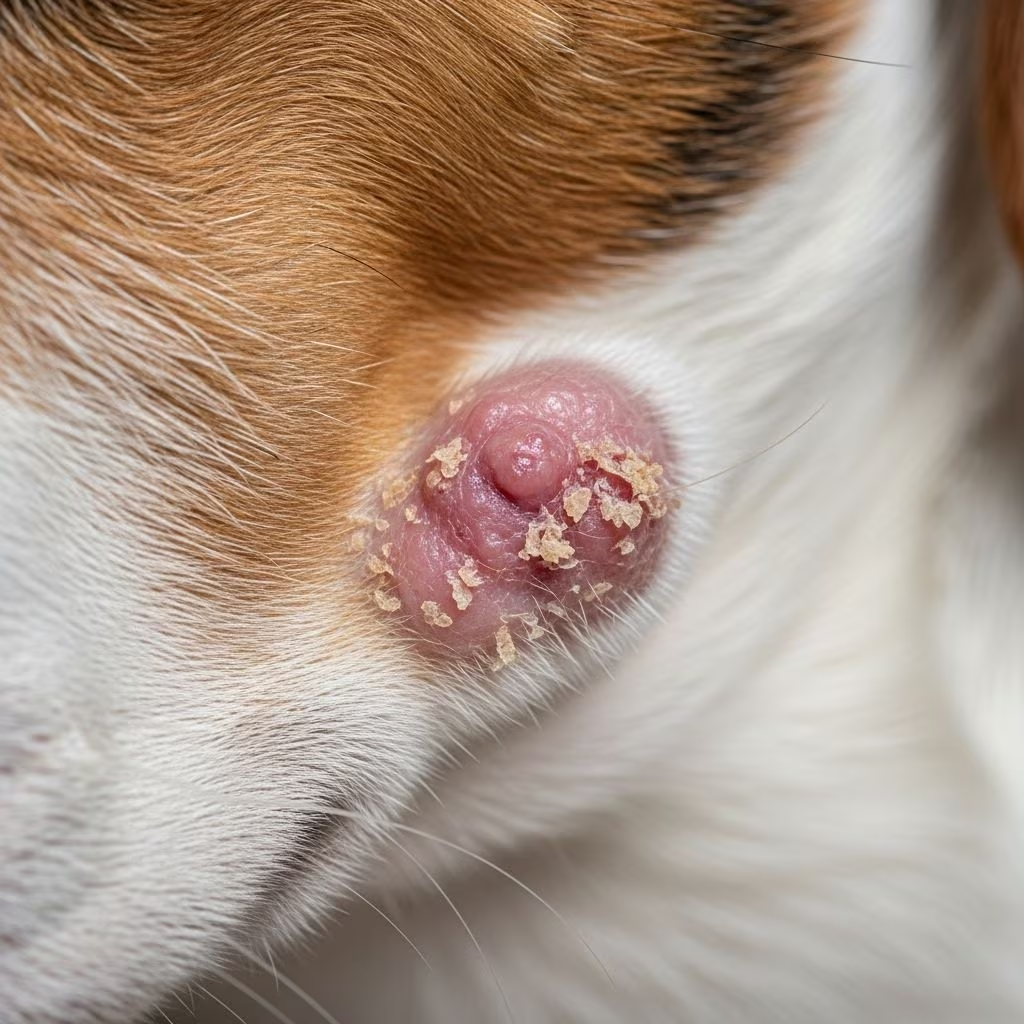
Just like their human companions, dogs are susceptible to developing acne. This common skin condition affects canines across various ages and breeds, though it tends to be more prevalent in younger animals and certain predisposed breeds. Understanding the mechanisms behind canine acne, recognizing its symptoms, and knowing the available treatment options can help pet owners maintain their dog’s skin health and comfort. This comprehensive guide explores everything you need to know about pimples in dogs.
Do Dogs Really Get Pimples?
The answer is unequivocally yes. Dogs develop acne much like humans do, though the underlying causes and manifestations may differ somewhat. Canine acne is a treatable skin condition that typically appears as small, raised bumps on the skin, often concentrated around the chin and muzzle area. While not life-threatening in most cases, untreated acne can lead to secondary infections and discomfort for your pet.
Puppies and young adult dogs are particularly susceptible to developing acne, especially during their puberty phase when hormonal fluctuations are at their peak. However, dogs of all ages can experience breakouts depending on various contributing factors. The condition is not contagious and cannot be transmitted from dogs to humans or vice versa.
The Science Behind Canine Acne Formation
Understanding how dog acne develops requires knowledge of the underlying biological processes. Hair follicles in dogs function similarly to those in humans, and when disrupted, they create conditions favorable for breakouts.
Clogged Hair Follicles and Sebum Accumulation
Dogs produce sebum through their sebaceous glands at higher rates than humans. When this oily substance mixes with dead skin cells and environmental debris, it creates a plug within the hair follicle. This accumulation prevents normal hair growth and skin shedding, trapping bacteria and leading to inflammation. Blackheads and whiteheads form when these clogged follicles become visible, while deeper blockages can develop into painful pustules.
Hair Follicle Trauma and Inflammation
Physical damage to the skin around the chin and muzzle plays a significant role in canine acne development. When dogs engage in rough play, scratch excessively, or rub their faces against rough surfaces, hair shafts can break below the skin’s surface. This trauma triggers an inflammatory response within the follicle, causing swelling and redness. If the damaged follicle ruptures, its contents spill into surrounding tissues, initiating a more intense inflammatory cascade.
Primary Contributing Factors
Multiple interconnected factors can trigger or exacerbate canine acne. Identifying which factors apply to your individual dog helps guide treatment and prevention strategies.
Bacterial Colonization
Bacteria such as Staphylococcus pseudintermedius and Propionibacterium acnes thrive in damaged hair follicles and clogged pores. These microorganisms cause localized infections that manifest as red, swollen pimples. While early-stage canine acne may be sterile, bacteria readily colonize compromised skin, creating secondary infections that complicate treatment.
Genetic Predisposition and Breed Susceptibility
Certain dog breeds exhibit higher acne vulnerability due to inherited traits affecting skin cell turnover and follicle structure. Short-coated breeds such as Boxers, English Bulldogs, and Rottweilers demonstrate increased susceptibility. These breeds may experience abnormal follicular keratinization, where skin cells fail to shed properly, increasing blockage risk. Additionally, genetics influence sebum production rates and immune response to skin inflammation.
Hormonal Fluctuations
Hormonal changes during puberty significantly impact skin oil production and inflammation regulation. Young dogs experiencing these fluctuations often develop temporary acne that typically resolves as they mature. However, intact dogs may experience recurring breakouts related to reproductive hormone cycles.
Allergic Responses
Both food and environmental allergies can trigger skin irritation leading to acne development. Allergic reactions cause inflammation and itching, prompting dogs to scratch and rub affected areas, which damages hair follicles and introduces bacteria. Common allergens include specific food ingredients, pollen, dust mites, and contact irritants.
Poor Hygiene and Environmental Factors
Inadequate grooming allows dirt, oils, and bacteria to accumulate on the skin surface. Contact dermatitis can develop from repeated rubbing against irritating materials, such as scratched plastic food bowls or contaminated bedding. Regular exposure to dirt and debris, particularly for dogs who spend significant time rooting in soil, increases follicle clogging risk.
Recognizing Canine Acne Symptoms
Early detection of acne enables prompt treatment and prevents progression to more severe forms. Pet owners should regularly inspect their dog’s face and muzzle for early warning signs.
| Symptom Type | Appearance and Characteristics |
|---|---|
| Blackheads and Whiteheads | Small dark or light-colored spots on the chin and muzzle area; often the first visible sign |
| Red Bumps and Papules | Raised, inflamed lesions; may appear in clusters or scattered patterns |
| Pustules | Fluid-filled bumps containing pus; indicate bacterial infection |
| Skin Redness and Irritation | General inflammation of affected areas; skin appears warm to touch |
| Discharge or Drainage | Liquid or crusty material oozing from lesions; suggests active infection |
| Hair Loss | Thinning or bald patches around affected areas due to follicle damage |
| Scarring | Permanent skin pitting or discoloration from repeated or severe breakouts |
| Pain and Sensitivity | Dog may whimper or react negatively when affected areas are touched |
Most dogs develop acne on the chin and muzzle, though breakouts can occur anywhere on the body. Monitor your dog for excessive scratching, face rubbing against furniture, or visible discomfort in these areas.
Comprehensive Treatment Approaches
Effective acne management typically involves a multifaceted approach combining topical treatments, oral medications, behavioral modifications, and environmental adjustments.
Topical Treatment Options
Benzoyl Peroxide represents the most commonly recommended topical treatment for canine acne. This powerful antimicrobial agent flushes out hair follicles, eliminates bacteria, and reduces inflammation. Veterinarians may recommend benzoyl peroxide shampoos, gels, or washes applied directly to affected areas. In mild cases, benzoyl peroxide alone may resolve acne; for persistent cases, long-term use helps prevent recurrence.
Veterinarians may also recommend topical antibiotics to target specific bacterial infections. These medications work by preventing bacterial growth within follicles and reducing localized inflammation. Medicated wipes and specialty shampoos containing therapeutic ingredients help maintain skin cleanliness while delivering treatment benefits.
Oral Medications and Systemic Therapy
More severe or widespread acne often requires oral medications. Prescription antibiotics address bacterial infections throughout the skin and prevent secondary complications. These medications are typically prescribed for 2 to 3 weeks, with duration depending on infection severity and response to treatment.
Oral steroids reduce inflammation and discomfort, particularly in acute flare-ups. However, long-term steroid use carries risks of adrenal suppression and other side effects, limiting their application to short-term management. Antifungal medications address concurrent yeast infections, which can complicate acne management.
Behavioral and Environmental Management
Reducing skin trauma significantly improves acne outcomes. Pet owners should monitor play sessions and discourage rough activities that damage the chin and muzzle area. Addressing excessive scratching and face rubbing requires identifying underlying triggers and providing appropriate redirects.
Environmental modifications include switching from plastic to stainless steel food and water bowls, which eliminate chemical leaching and reduce contact irritation. Washing blankets, bedding, and toys weekly prevents bacterial and dirt accumulation on surfaces your dog contacts regularly.
Dietary Considerations
Nutritional support promotes skin health and reduces inflammatory responses. High-quality dog food formulated for sensitive skin provides essential fatty acids, antioxidants, and vitamins that strengthen skin barriers. Eliminating problematic food ingredients through an elimination diet may resolve acne triggered by food allergies. Veterinarians can recommend specific commercial diets or carefully planned home-prepared meals addressing your dog’s individual needs.
Prevention Strategies and Long-Term Management
Preventing acne development or recurrence requires consistent attention to hygiene, grooming, and environmental factors.
Establishing Effective Grooming Routines
Regular grooming removes dirt, debris, and excess oil from your dog’s coat and skin. Gentle daily cleaning of the chin and muzzle area using pet-safe cleansers prevents buildup of acne-promoting materials. Use soft cloths or sponges to avoid irritating sensitive skin. Bathing frequency should balance cleanliness with skin health—too frequent bathing strips natural oils, while infrequent bathing allows debris accumulation.
Avoid human acne products, which are formulated for human skin pH and contain ingredients potentially harmful to dogs. Always select veterinarian-recommended, pet-specific products.
Identifying and Managing Allergies
If your dog develops recurrent acne despite good hygiene, allergies may be responsible. Work with your veterinarian to identify problematic foods or environmental triggers through elimination diets and allergy testing. Once identified, avoiding these allergens often significantly reduces or eliminates acne breakouts.
Regular Veterinary Monitoring
Periodic veterinary examinations allow early detection of acne and assessment of treatment effectiveness. Your veterinarian can adjust treatment protocols based on your dog’s response and identify any underlying conditions contributing to breakouts.
When to Seek Veterinary Care
Contact your veterinarian if your dog develops visible acne, particularly if accompanied by pain, discharge, or signs of infection. Prompt professional evaluation prevents complications and enables appropriate treatment. Severe acne with widespread infection, ulceration, or scarring requires immediate veterinary intervention.
Frequently Asked Questions
Is dog acne contagious?
No, canine acne is not contagious to other dogs, humans, or other animal species. It develops from individual factors specific to each dog’s skin condition.
Can puppies develop acne?
Yes, puppies commonly develop acne during puberty due to hormonal fluctuations. This juvenile acne typically resolves as the dog matures, though some individuals may experience persistent issues.
How long does dog acne treatment typically take?
Treatment duration varies based on severity and underlying causes. Mild cases may improve within 2-4 weeks of consistent treatment, while more severe acne may require 6-8 weeks or longer for complete resolution.
Can diet alone cure dog acne?
Diet can significantly improve acne, particularly if food allergies contribute to the condition. However, most cases require a combination of treatments addressing multiple causative factors.
Are certain dog breeds more prone to acne?
Yes, short-coated breeds such as Boxers, Bulldogs, and Rottweilers show increased acne susceptibility due to genetic factors affecting skin cell shedding and follicle structure.
References
- Acne in Dogs (Canine Acne) — VCA Animal Hospitals. Accessed January 2026. https://vcahospitals.com/know-your-pet/acne-in-dogs
- Dog Acne – PetMD — PetMD. Accessed January 2026. https://www.petmd.com/dog/conditions/skin/c_dg_acne
- Dog Acne on Chin: How to Treat it — Yalesville Veterinary Hospital. Accessed January 2026. https://yalesvillevet.com/blog/dog-acne-on-chin-how-to-treat-it/
- Understanding and Treating Dog Acne — Ten West Bird & Animal Hospital. Accessed January 2026. https://www.tenwestvet.com/blog/understanding-and-treating-dog-acne/
- Dog Acne: Causes, Symptoms, and Treatment — Wag!. Accessed January 2026. https://wagwalking.com/condition/acne



