

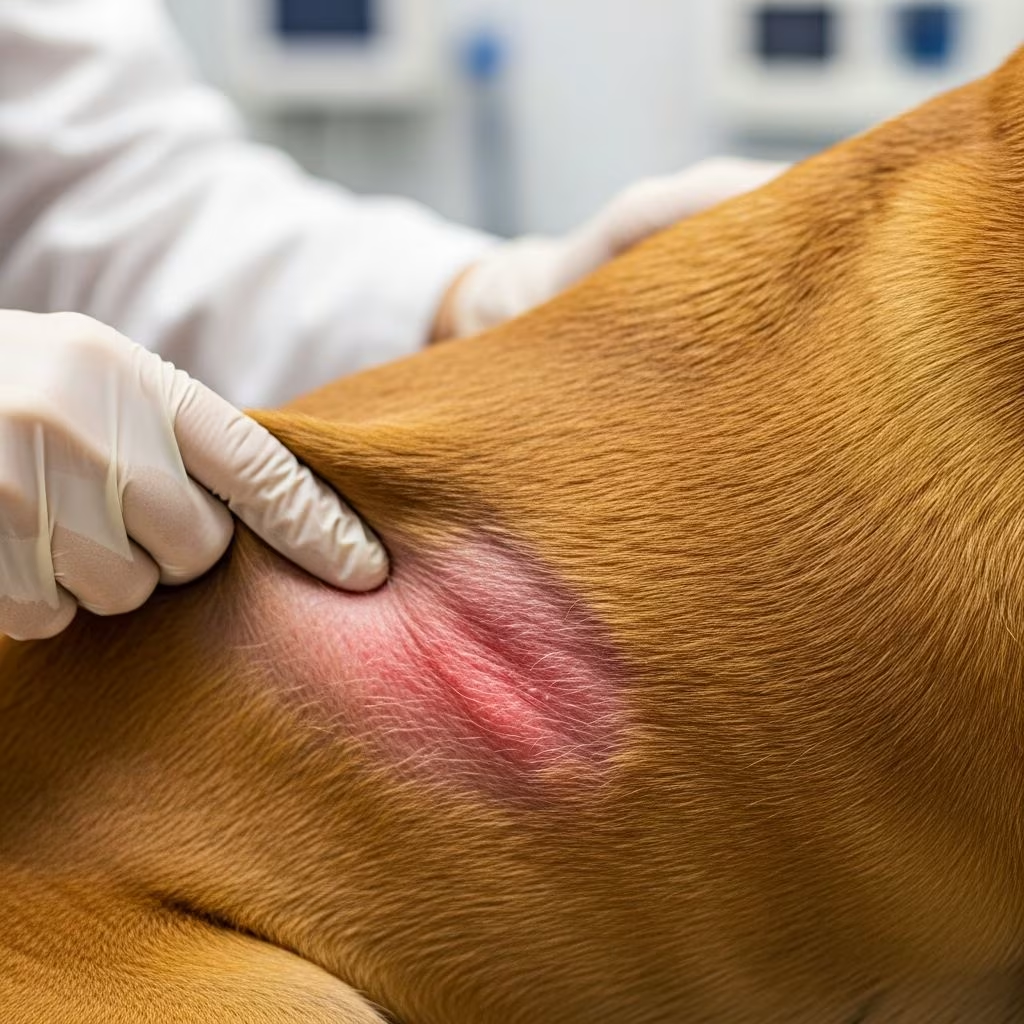
Skin allergies represent one of the most prevalent health challenges for dogs, leading to discomfort and potential complications if unmanaged. These conditions arise when a dog’s immune system overreacts to common substances, resulting in persistent irritation. This guide examines the underlying triggers, observable signs, diagnostic processes, and proven management strategies to help pet owners support their dogs’ skin health effectively.
Recognizing the Signs of Skin Allergies in Dogs
Dogs suffering from skin allergies often display behaviors and physical changes that signal distress. Owners should monitor for these indicators to seek timely veterinary care.
- Intense Itching: Dogs may scratch excessively, particularly on the ears, paws, belly, or base of the tail, disrupting sleep and daily activities.
- Skin Redness and Swelling: Inflamed patches appear red and warm, sometimes forming raised welts or hives.
- Hair Loss and Bald Spots: Constant scratching leads to thinning fur and exposed skin prone to secondary infections.
- Hot Spots and Infections: Moist, painful lesions develop rapidly from self-trauma, often requiring immediate attention.
- Ear and Paw Issues: Recurrent infections, odor, and chewing indicate allergic involvement in these common sites.
- Behavioral Changes: Restlessness, irritability, or excessive licking/chewing reflect ongoing discomfort.
These symptoms can vary in intensity, worsening seasonally or year-round depending on the allergen type. Early recognition prevents escalation to chronic dermatitis or systemic issues.
Primary Triggers Behind Dog Skin Allergies
Allergic reactions in dogs stem from hypersensitivity to specific irritants. Identifying the source is crucial for targeted intervention.
Flea Allergy Dermatitis: A Widespread Culprit
Even minimal flea exposure triggers severe responses in sensitive dogs due to proteins in flea saliva. Symptoms concentrate at the tail base, hindquarters, and groin, manifesting as red, scabby skin and frantic biting. A single bite suffices to initiate the itch-scratch cycle, emphasizing vigilant parasite control.
Environmental Allergens and Atopic Dermatitis
Atopy involves inhaled or contact allergens like pollen, dust mites, molds, and grasses, provoking year-round or seasonal flares. Affected areas include paws, ears, underarms, and face, with symptoms intensifying in humid or pollen-heavy periods[10].Indoor dust and outdoor spores equally contribute, making environmental management multifaceted.
Food Sensitivities Mimicking Allergies
Proteins in beef, dairy, chicken, or grains can elicit gastrointestinal and dermatological reactions, including hives, swelling, and chronic itch. Unlike environmental allergies, food issues persist regardless of season.
Contact Irritants
Direct skin exposure to shampoos, detergents, or lawn chemicals causes localized reactions, resolving upon removal of the offender.
| Allergy Type | Main Triggers | Key Symptoms | Seasonal Pattern |
|---|---|---|---|
| Flea | Flea saliva | Tail base itch, scabs | Year-round |
| Environmental | Pollen, dust, mold | Paw/ear redness, licking | Often seasonal |
| Food | Proteins like beef/dairy | Hives, GI upset | Persistent |
| Contact | Chemicals, fabrics | Localized rash | Variable |
Steps for Accurate Diagnosis
Veterinary evaluation forms the cornerstone of effective allergy management. A comprehensive approach rules out mimics like infections or hormonal imbalances.
- History and Physical Exam: Vets assess symptom onset, patterns, and flea presence via thorough skin checks.
- Skin Scrapings and Cytology: Microscopic analysis detects parasites, bacteria, or yeast overgrowth.
- Intradermal Testing: Performed by dermatologists, tiny allergen injections reveal environmental sensitivities through reaction mapping.
- Serum IgE Blood Tests: Measure antibody levels to common airborne allergens.
- Elimination Diet Trial: Novel protein diets for 8-12 weeks isolate food culprits, with controlled reintroduction confirming triggers.
Collaboration with a veterinary dermatologist enhances precision for complex cases.
Comprehensive Treatment Strategies
Treatment combines allergen avoidance, symptom relief, and long-term desensitization, tailored to the diagnosis.
Preventive Measures and Avoidance
Minimize exposure: Use vet-recommended flea preventives year-round, vacuum frequently, wash bedding weekly, and opt for hypoallergenic products.
Pharmacological Interventions
- JAK Inhibitors (e.g., Zenrelia): Daily tablets disrupt itch signals, safe for long-term use in dogs over 12 months.
- Apoquel (Oclacitinib): Rapid itch relief with minimal side effects.
- Corticosteroids (e.g., Prednisone): Potent anti-inflammatories for acute flares, used short-term to avoid side effects.
- Antihistamines (e.g., Zyrtec): Adjunctive for mild atopy.
Topical and Supportive Therapies
Medicated shampoos with oatmeal, antimicrobials, or antifungals soothe and cleanse, administered every 1-2 weeks. Sprays, ointments, and ear cleaners target hotspots. Laser therapy offers non-invasive pain relief in some clinics.
Immunotherapy: Building Tolerance
Custom allergy shots or sublingual drops gradually desensitize the immune system, achieving remission in 60-80% of cases over months to years. Ideal for environmental allergies.
Long-Term Management and Home Care Tips
Sustained relief demands ongoing commitment. Essential fatty acid supplements (omega-3s) support skin barrier function. Regular grooming removes allergens, while hypoallergenic diets maintain balance. Monitor progress with vet check-ups every 3-6 months, adjusting plans as needed. Lifestyle tweaks like air purifiers and limited grass exposure further aid control.
Frequently Asked Questions (FAQs)
Can skin allergies be cured in dogs?
No outright cure exists, but most dogs achieve excellent control through combined therapies, minimizing flare-ups.
How long do allergy trials take?
Elimination diets require 8-12 weeks minimum for reliable results.
Are over-the-counter shampoos sufficient?
Vet-prescribed medicated options outperform generics for allergy relief.
Do all itchy dogs have allergies?
No; rule out mange, infections, or endocrine issues first[10].
Is immunotherapy safe?
Yes, with mild side effects in rare cases; highly effective long-term.
Potential Complications and When to Seek Urgent Care
Untreated allergies invite secondary bacterial/yeast infections, chronic pain, and behavioral issues. Emergency signs include widespread oozing lesions, lethargy, or fever—prompt vet visits prevent sepsis.
References
- Understanding Skin Allergies in Dogs: Symptoms, Causes, and Treatment — CityPets614 Animal Hospital. 2023. https://citypets614.com/understanding-skin-allergies-in-dogs-symptoms-causes-and-treatment/
- Dog Skin Allergies: Causes, Symptoms, and Treatment — PetMD. 2025-02-10. https://www.petmd.com/dog/general-health/dog-skin-allergies
- Dog Skin Allergies: Causes, Symptoms & Treatment — Broadway4Pets. 2021-05-18. https://www.broadway4pets.com/site/blog/2021/05/18/dog-skin-allergies
- Dog Skin Allergies – Causes, Symptoms & Treatments — Modesto Vet Hospital. 2021-12-01. https://www.modestovethospital.com/site/blog/2021/12/01/skin-allergy-in-dogs
- Understanding Skin Allergies in Dogs: Causes and Solutions — VetCheckForPets. 2024. https://www.vetcheckforpets.com/blog/understanding-skin-allergies-in-dogs-causes-and-solutions
- Identifying and Managing Dog Skin Allergies — Broomfield Vet. 2023. https://broomfieldvet.com/blog/dog-skin-allergies/
- Dog Allergies: Types, Symptoms, and Treatments — VEG ER for Pets. 2024. https://www.veg.com/post/allergic-reaction-in-dogs



