

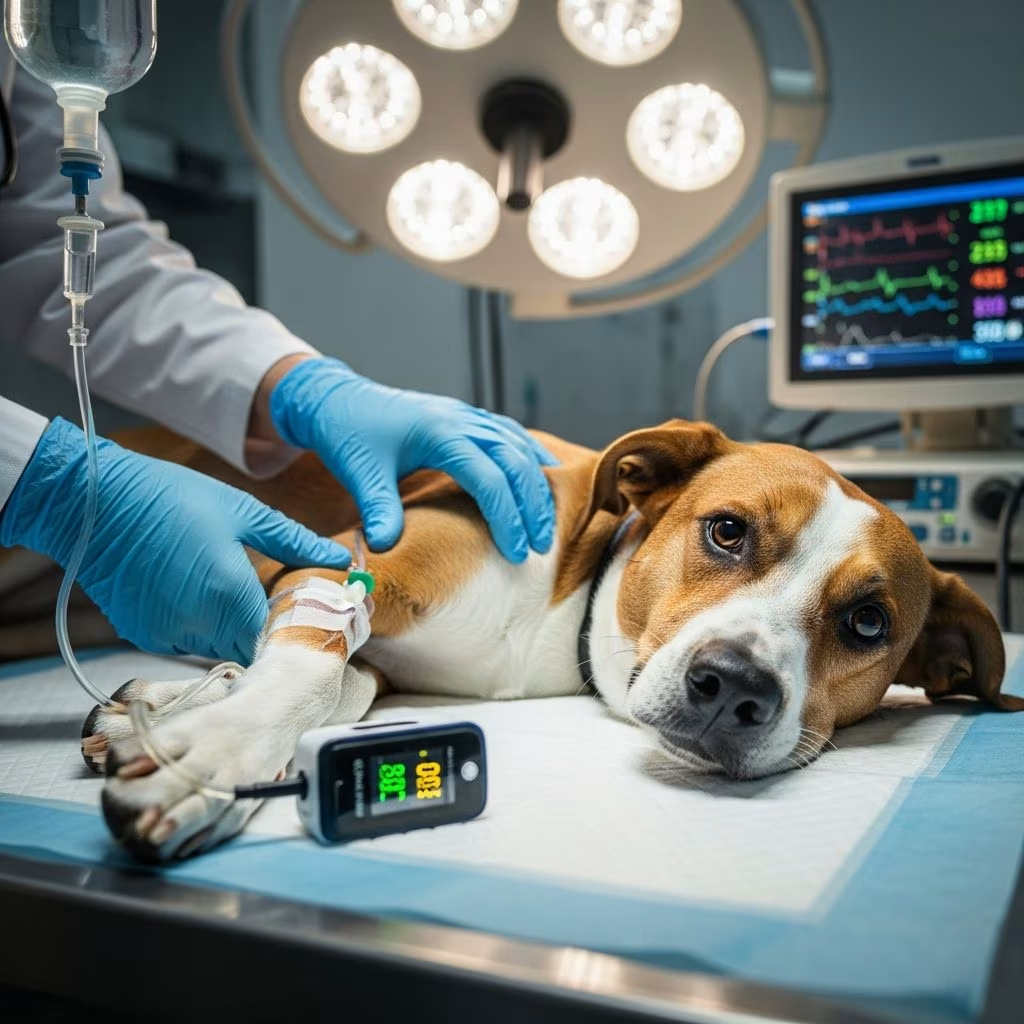
Understanding Shock as a Medical Crisis
Shock represents one of the most serious medical emergencies a dog can experience. Unlike popular misconceptions about emotional distress, veterinary shock is a physiological condition where the body’s circulatory system fails to deliver adequate oxygen and nutrients to vital organs and tissues. This life-threatening state develops when blood flow becomes severely compromised, preventing cells from receiving the resources necessary for survival. Without swift intervention, this condition inevitably leads to organ failure and death. The critical nature of shock demands immediate recognition and professional veterinary care, as every minute without treatment reduces a dog’s chances of recovery.
The body’s response to shock involves a series of compensatory mechanisms that initially mask the severity of the condition. Dogs in shock may appear deceptively stable during the early stages, as their systems work to maintain essential functions. However, these adaptive responses have limited duration, and without treatment, the animal’s condition deteriorates rapidly. Understanding the nature of shock helps pet owners appreciate why prompt action is essential.
Distinguishing Types of Shock in Canines
Veterinary medicine recognizes several distinct categories of shock, each arising from different underlying causes. Identifying the type of shock helps veterinarians determine the most appropriate treatment strategy.
Hypovolemic Shock
This form develops when the body loses significant blood volume through hemorrhage or fluid loss. Severe trauma, internal bleeding from accidents or disease, burns, and severe diarrhea or vomiting can all trigger hypovolemic shock. The reduced blood volume prevents adequate circulation, starving tissues of oxygen.
Cardiogenic Shock
When the heart itself fails to pump blood effectively, cardiogenic shock results. Heart disease, cardiac arrhythmias, valve dysfunction, and severe heart muscle injury can compromise the organ’s ability to circulate blood. Dogs with this type of shock experience poor blood distribution despite adequate blood volume.
Distributive Shock
This category includes septic shock, resulting from severe infection, and other conditions where blood vessels dilate abnormally, causing blood to pool rather than circulate effectively. Sepsis, anaphylactic reactions, and certain systemic diseases fall into this classification. The body’s inflammatory response to infection or severe allergic reactions causes vessels to lose their ability to maintain proper pressure.
Recognizing Critical Warning Signs
Early identification of shock symptoms significantly improves survival outcomes. Pet owners should watch for multiple indicators that suggest their dog requires immediate veterinary attention.
- Pale or white gums: Normal gum tissue appears pink due to adequate blood supply. Shock causes blood to redirect toward vital organs, leaving gum tissue pale or blanched.
- Elevated heart rate: The heart compensates for reduced blood volume by beating faster, sometimes reaching dangerous speeds.
- Rapid, shallow breathing: Dogs in shock often exhibit quick, labored breathing as the respiratory system attempts to increase oxygen delivery.
- Extreme lethargy or collapse: Affected dogs may become unresponsive, weak, or unable to stand.
- Body temperature changes: Dogs in shock often feel cold to the touch despite internal heat generation attempts.
- Weak or barely detectable pulse: Blood pressure drops significantly, making the pulse difficult to feel.
- Glazed or unfocused eyes: The dog may appear confused or disoriented.
- Reduced urine output: As the body shuts down non-essential functions, kidney perfusion decreases.
Initial First Aid and Emergency Response
When a dog shows signs of shock, immediate action before reaching a veterinary hospital can be lifesaving. Proper first aid focuses on stabilization and minimizing further stress.
Creating a Calm Environment
Keep the dog as quiet as possible during transport. Minimize handling and movement, as activity increases oxygen demand in a system already struggling to deliver adequate blood flow. Speak in calm tones and avoid sudden movements or loud noises.
Temperature Management
Cover the dog with blankets, towels, or even newspapers to conserve body heat. Shock causes peripheral blood vessels to constrict, redirecting blood toward vital organs but leaving the skin and extremities cold. Maintaining body warmth supports the dog’s natural compensatory mechanisms.
Airway and Breathing Assessment
Follow the A, B, C protocol: assess Airway, Breathing, and Cardiac function. Carefully extend the head and neck in a straight line, being cautious not to overextend if head or neck trauma is suspected. Clear any debris from the mouth. If the dog is unconscious and not breathing, gentle chest pumping combined with rescue breathing may be necessary. Provide rescue breathing at approximately 20 breaths per minute, creating a seal around the muzzle to ensure air enters the lungs.
CPR When Necessary
If no heartbeat or pulse is detectable, cardiopulmonary resuscitation becomes necessary. Position the dog on its right side and place hands on the middle of the rib cage. For medium to large dogs, compress the chest 100-120 times per minute using both hands. Smaller dogs require gentler compression using one hand. Maintain a ratio of approximately 30 compressions for every 2 rescue breaths.
Veterinary Diagnostic Procedures
Upon arrival at a veterinary hospital, the medical team implements comprehensive diagnostic testing to identify the shock type and underlying cause.
| Diagnostic Test | Purpose |
|---|---|
| Blood pressure evaluation | Measures circulatory system pressure; critically low in shock patients |
| Lactic acid testing | Indicates how effectively blood distributes oxygen to tissues |
| Blood gas and oxygen saturation analysis | Assesses oxygenation status and tissue perfusion |
| Electrocardiogram (ECG) | Monitors heart rhythm and detects dangerous arrhythmias |
| Radiographs (X-rays) | Reveals internal hemorrhage, injuries, cancer, or heart and lung disease |
| Coagulation tests | Determines bleeding disorders and shock severity |
| Cardiac enzyme analysis | Detects heart muscle damage from inadequate perfusion |
| Echocardiography | Ultrasound imaging assesses heart function, valve disease, and contractility |
| Blood work and urinalysis | Evaluates organ function and identifies underlying diseases |
Emergency Medical Interventions
Veterinary shock treatment involves aggressive intervention to restore blood flow and oxygen delivery while addressing the underlying cause.
Fluid Resuscitation
Intravenous fluid therapy forms the foundation of shock treatment. Crystalloid fluids such as normal saline or lactated Ringer’s solution are administered as the first-line treatment. These solutions restore blood volume and improve circulation. In severe cases where crystalloid fluids prove insufficient, veterinarians may introduce synthetic colloids and hypertonic saline solutions. These specialized fluids are particularly valuable in refractory shock cases where standard interventions provide inadequate response.
Oxygen Supplementation
Providing supplemental oxygen increases the amount of oxygen available in the bloodstream. Even with improved circulation, oxygen levels in the blood may remain critically low. Oxygen therapy addresses this deficiency, enhancing oxygen delivery to compromised tissues.
Blood Transfusion
When hemorrhagic shock has caused severe blood loss, transfusion replaces lost blood cells and clotting factors. Blood transfusions provide not only volume restoration but also oxygen-carrying capacity that crystalloid solutions cannot provide.
Hemorrhage Control
For dogs experiencing ongoing bleeding, veterinarians work to identify and stop the source. This may involve surgical intervention for internal bleeding or aggressive wound management for external hemorrhage. Medications such as tranexamic acid may help control catastrophic hemorrhage by promoting clot formation.
Cardiac Management
Dangerous heart rhythms developing during shock require pharmaceutical treatment or electrical intervention. Medications stabilize the heart’s electrical activity, while monitoring ensures arrhythmias are promptly addressed.
Infection Prevention
Broad-spectrum antibiotic therapy begins immediately in shock cases to prevent or treat sepsis. The shock state itself increases infection risk, and antibiotics provide crucial protection during the critical period.
The Recovery and Monitoring Phase
Once a dog’s condition stabilizes, the recovery process requires continued intensive monitoring and support. Veterinarians recognize that reaching normal vital signs represents only the beginning of recovery, not its conclusion.
Continuous Assessment
Serial testing monitors organ function, cardiac status, blood pressure, and oxygenation levels at regular intervals. Vital signs including temperature, heart rate, and respiratory rate require constant evaluation. Laboratory work tracks the dog’s metabolic recovery and organ healing.
Prolonged Hospitalization
Dogs recovering from shock typically require extended hospitalization. Once vital signs, blood pressure, and urine output normalize, the immediate crisis has passed, but the animal remains in critical condition. Hospital care ensures rapid response to any complications and provides controlled environment for healing.
Long-term Health Implications
The severity of shock experienced during the emergency determines potential long-term consequences. Dogs that experience profound shock may suffer lasting damage to organs such as the liver, kidneys, and heart. Some animals develop chronic health issues related to organ damage sustained during the shock episode. Others recover fully if shock duration and severity remained limited. Follow-up veterinary care helps identify and manage any developing complications.
Frequently Asked Questions
How quickly does shock progress in dogs?
Shock can develop and progress rapidly, particularly in cases involving significant trauma or hemorrhage. In some instances, a dog may appear relatively normal initially, then deteriorate dramatically within hours. This makes prompt professional evaluation critical even if the dog seems stable.
Can a dog survive shock without veterinary treatment?
Untreated shock invariably results in death. The body’s compensatory mechanisms provide only temporary stability, typically lasting hours at most. Without professional intervention restoring blood flow and oxygen delivery, organ failure becomes inevitable.
What is the survival rate for dogs treated for shock?
Survival rates depend heavily on the shock type, underlying cause, treatment speed, and shock severity. Dogs receiving immediate aggressive treatment have substantially better outcomes than those with delayed care. Early recognition and prompt intervention significantly improve prognosis.
How long does shock treatment typically last?
Initial stabilization may take several hours, but most dogs require days of intensive care. The total treatment duration varies based on individual response and underlying cause. Some dogs stabilize within 24-48 hours, while others require a week or more of hospitalization.
Should I attempt CPR on my dog during shock?
CPR becomes appropriate only if the dog has no detectable heartbeat or pulse. For conscious dogs showing shock symptoms, focus instead on keeping the animal quiet, warm, and rapidly transporting to veterinary care. CPR is a last resort measure when cardiac arrest has already occurred.
Prevention and Risk Awareness
While many shock-causing emergencies cannot be entirely prevented, pet owners can reduce risks through careful management. Preventing trauma through secure environments, maintaining current vaccinations to prevent infection-related shock, managing heart disease with appropriate medications, and promptly addressing injuries all contribute to reducing shock risk. Additionally, knowing the warning signs and maintaining relationships with emergency veterinary clinics ensures rapid response if an emergency occurs.
Conclusion and Key Takeaways
Canine shock represents a life-threatening emergency demanding immediate recognition and professional care. The condition’s deceptively stable appearance in early stages makes education crucial for dog owners. Recognizing pale gums, elevated heart rate, lethargy, and other warning signs empowers owners to seek emergency care before irreversible organ damage occurs. First aid focusing on warmth, quiet environment, and airway management provides critical support during transport to a veterinary hospital. Once under professional care, aggressive fluid therapy, oxygen supplementation, and treatment of underlying causes offer the best chance for survival and recovery. Understanding shock’s serious nature motivates pet owners to act decisively when symptoms appear, potentially meaning the difference between life and death for their beloved companion.
References
- Causes, Signs, and What To Do If Your Dog Is in Shock — PetMD. 2024. https://www.petmd.com/dog/conditions/traumatic/shock-dogs
- First Aid for Dogs: Shock, Rescue Breathing, and CPR — VCA Animal Hospitals. 2024. https://vcahospitals.com/know-your-pet/first-aid-for-dogs
- K9 Clinical Practice Guideline #6- Shock Management — Allogy. 2023. https://books.allogy.com/v1/tenant/8/books/f8ec93ed-d290-47c2-a6fd-9a02a245f92c
- Resuscitative Fluid Therapy for Circulatory Shock — Today’s Veterinary Practice. 2023. https://todaysveterinarypractice.com/emergency-medicine-critical-care/resuscitative-fluid-therapy-for-circulatory-shock/
- Shock: An Overview — Today’s Veterinary Nurse. 2023. https://todaysveterinarynurse.com/emergency-medicine-critical-care/shock-an-overview/



