

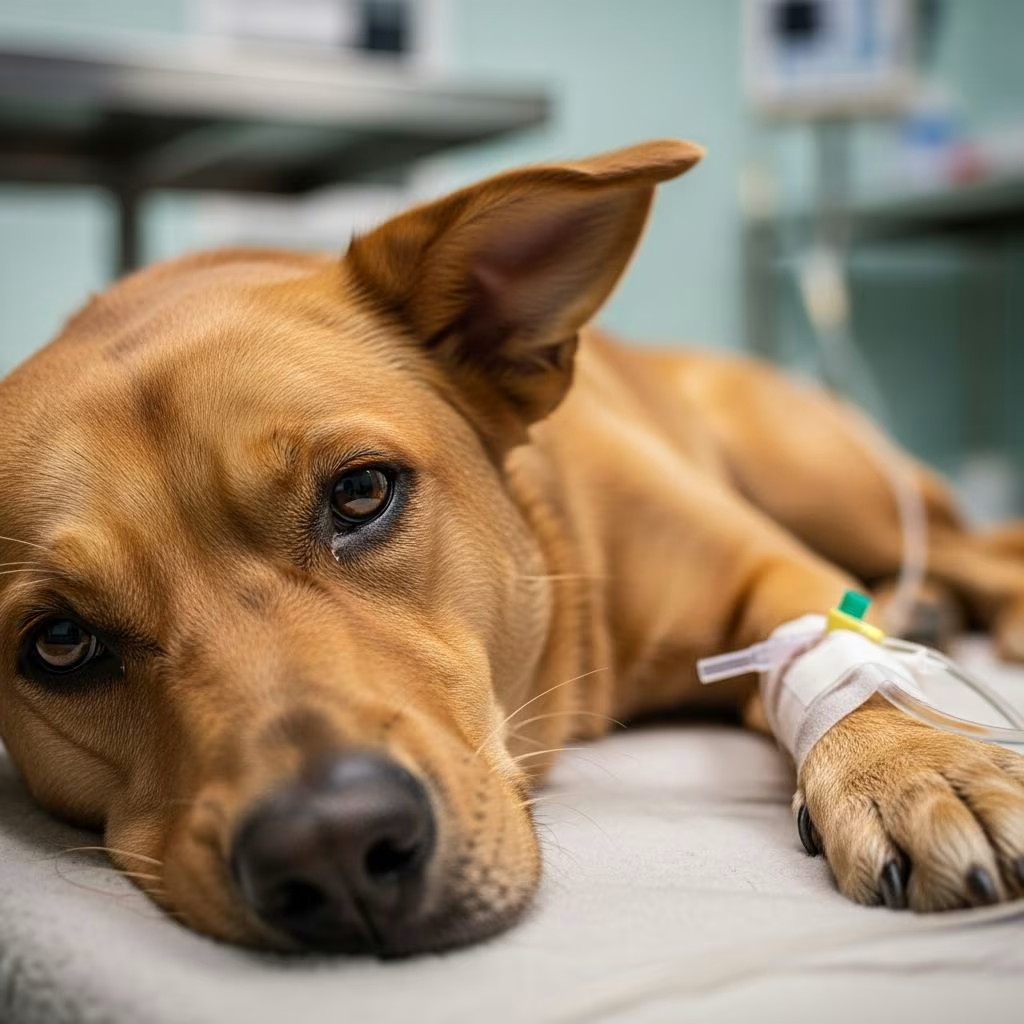
What Constitutes Sepsis in Canine Patients
Sepsis represents one of the most serious medical emergencies affecting dogs today. This life-threatening condition develops when the body’s inflammatory response to an infection becomes dysregulated, triggering widespread systemic reactions rather than localized responses. Unlike a simple infection confined to one area, sepsis involves the entire body’s inflammatory cascade, leading to profound physiological changes that can rapidly deteriorate without aggressive intervention.
At its core, sepsis occurs when pathogenic organisms and their byproducts enter the bloodstream, prompting the immune system to launch an overwhelming inflammatory attack. This inflammatory storm, while intended to fight infection, paradoxically damages healthy tissues and organ systems throughout the body. The condition exists on a spectrum, with severity ranging from uncomplicated sepsis to severe sepsis with organ dysfunction to septic shock, the most critical stage.
The Underlying Mechanisms: How Sepsis Develops
Understanding the pathophysiology of canine sepsis requires examining the complex cascade of events that unfold when infection invades the bloodstream. When bacterial cells or fungal organisms breach the body’s defenses, they release toxic substances including endotoxins, exotoxins, and cell-wall components. These microbial products activate immune cells such as macrophages and neutrophils, triggering the release of inflammatory mediators.
This immune activation creates an imbalance between pro-inflammatory and anti-inflammatory signals. Pro-inflammatory mediators accumulate in excessive quantities, overwhelming the body’s natural ability to maintain homeostasis. This dysregulation causes several critical problems: blood vessel permeability increases dramatically, allowing fluid to leak from the vascular system into tissues; microcirculation becomes impaired, reducing oxygen delivery to vital organs; and metabolic processes become severely disrupted.
As sepsis progresses, the dog’s body may shift from a hyperdynamic state (initially elevated heart rate and circulation) to a hypodynamic state characterized by decreased cardiac output, falling blood pressure, and tissue hypoxia. This transition often precedes multiple organ failure and shock if treatment is not immediately initiated.
Primary Sources of Infection in Dogs
Sepsis in canine patients originates from diverse sources, with certain anatomical systems being more commonly implicated than others. Understanding these sources helps veterinarians conduct more targeted diagnostics and treatment strategies.
- Gastrointestinal Tract: This represents the most frequent source of septic infections in dogs. Conditions such as canine parvoviral enteritis, intestinal perforation, peritonitis, and severe bacterial overgrowth can allow pathogenic organisms to translocate across the intestinal barrier into the bloodstream.
- Respiratory System: Bacterial pneumonia and other lower respiratory infections rank as the second most common source of sepsis. Aspiration of foreign material or gastric contents frequently precedes respiratory sepsis.
- Oral Cavity: Severe periodontal disease, tooth extraction complications, and oral infections can seed the bloodstream with bacteria.
- Urinary System: Chronic urinary tract infections, particularly when complicated by bladder rupture or ureteral obstruction, may progress to systemic infection.
- Skin and Soft Tissues: Contaminated wounds, bite injuries, post-surgical infections, and necrotizing skin infections provide direct pathways for bacterial invasion.
- Reproductive Organs: Pyometra (infected uterus) represents a significant risk factor for sepsis, particularly in intact female dogs.
Recognizing Sepsis: Clinical Presentation
Early recognition of sepsis dramatically improves survival outcomes, making it essential for dog owners and veterinary professionals to understand the clinical manifestations. Sepsis presents with a variable constellation of symptoms that evolve as the condition progresses.
Early-Stage Indicators
In the initial phases, affected dogs typically display signs including elevated body temperature or, conversely, subnormal temperatures; increased heart rate; rapid respiratory rate; and behavioral changes such as lethargy or depression. Many owners notice their dog appears unusually tired, shows decreased interest in food or water, and may display mild gastrointestinal signs including vomiting or diarrhea. The mucous membranes may appear bright red or brick-colored due to increased blood flow (hyperdynamic phase).
Advanced-Stage Manifestations
As sepsis advances, dogs enter the hypodynamic phase characterized by more severe clinical deterioration. Blood pressure drops precipitously, mucous membranes become pale or even cyanotic, extremities feel cold to touch, and capillary refill time becomes markedly prolonged. Organ-specific dysfunction may develop, manifesting as respiratory distress, acute kidney injury with reduced urine output, gastrointestinal hemorrhage, or neurological changes including confusion or seizures.
Diagnostic Approaches and Laboratory Findings
Confirming sepsis requires a combination of clinical assessment and diagnostic testing. Veterinarians typically begin with a complete blood count, which may reveal alterations in white blood cell numbers—either elevation or, in severe cases, dangerous decreases. Serum chemistry panels evaluate kidney and liver function, helping identify organ dysfunction. Coagulation profiles assess for disseminated intravascular coagulation, a frequent complication of sepsis.
Blood cultures obtained before antibiotic administration can identify the causative organism and enable antimicrobial susceptibility testing, though culture results may take several days. Cytologic examination of body fluids or tissue samples can provide rapid preliminary identification of infectious agents. Advanced imaging including radiography or ultrasonography may reveal the infection source, such as pneumonia, peritonitis, or abscess formation.
Treatment Protocols for Septic Dogs
Immediate Stabilization
Upon recognition of sepsis, immediate hospitalization and aggressive intervention are non-negotiable. The first priority involves establishing vascular access and initiating intravenous fluid therapy to restore and maintain adequate tissue perfusion. IV fluids help normalize blood pressure, support kidney function, and prepare the dog for subsequent interventions.
Simultaneously, the veterinary team assesses the need for oxygen supplementation. Dogs showing signs of respiratory distress or organ failure require supplemental oxygen to optimize tissue oxygenation and support recovery. Continuous cardiac and blood pressure monitoring allows clinicians to track response to therapy and adjust interventions accordingly.
Antimicrobial Therapy
Antibiotic administration represents a cornerstone of sepsis management and must commence immediately, without waiting for culture results to return. Broad-spectrum antibiotics covering common bacterial pathogens are initiated, typically combining agents such as fluoroquinolone derivatives with penicillin-based antibiotics or cephalosporins combined with aminoglycosides and metronidazole. Once the causative organism is identified through culture and susceptibility testing, therapy can be refined to target the specific pathogen more precisely.
Source Control
Identifying and eliminating the infection source constitutes perhaps the most critical component of sepsis management. This may require surgical intervention to drain abscesses, remove necrotic tissue, address intestinal perforation, or manage infected organs such as removing a pyometra-affected uterus. Even with appropriate antimicrobial therapy, failure to address the underlying source often results in treatment failure and deterioration.
Supportive Care Measures
Beyond antibiotics and fluid therapy, comprehensive supportive care addresses the multiple physiological derangements caused by sepsis:
- Nutritional Support: Early introduction of nutrition, preferably through enteral feeding if vomiting is controlled, or parenteral feeding if necessary, helps maintain intestinal integrity and prevent bacterial translocation. Many critically ill dogs require feeding tube placement.
- Gastrointestinal Protection: Medications such as omeprazole, famotidine, and sucralfate help preserve protective mechanisms in the stomach and intestines, reducing the risk of stress ulcers and continued bacterial leakage.
- Symptom Management: Antiemetics including metoclopramide or chlorpromazine control vomiting; analgesics manage pain associated with infection or underlying disease.
- Temperature Regulation: Maintaining appropriate body temperature through warming or cooling measures supports cellular function and reduces metabolic stress.
- Nursing Care: Meticulous aseptic technique during all catheter manipulations, frequent repositioning to prevent pressure sores, and careful monitoring prevent iatrogenic complications.
Emerging Therapeutic Approaches
Beyond conventional antibiotics and supportive care, novel therapies show promise in managing sepsis. Polymyxin B, a polypeptide antibiotic, works through a unique mechanism by binding endotoxins released from gram-negative bacteria, preventing these toxins from activating immune cells and triggering the inflammatory cascade. Clinical trials in septic dogs have demonstrated that polymyxin administration improves hydration status, capillary refill time, and pulse quality while significantly reducing inflammatory markers such as tumor necrosis factor.
Prognosis and Recovery Timeline
The outcome of canine sepsis depends on multiple factors including the infection source, duration of illness before treatment initiation, presence of underlying diseases, and response to initial therapy. Dogs receiving immediate, aggressive intervention have substantially better survival rates compared to those where treatment is delayed. Hospital stays typically range from several days to several weeks, with recovery varying based on the extent of organ damage sustained.
Current estimates suggest survival rates between 20-68% for canine sepsis patients, with outcome heavily influenced by timing of diagnosis and initiation of treatment. Dogs surviving the acute phase may face prolonged recovery periods involving continued antibiotic therapy, nutritional rehabilitation, and gradual return to normal activity.
Prevention Strategies
While not all cases of sepsis are preventable, several measures reduce the risk of serious infections developing into systemic disease:
- Maintaining excellent oral hygiene through regular professional dental cleanings and home care reduces periodontal disease progression
- Spaying female dogs prevents pyometra, a significant source of septic infection
- Prompt treatment of urinary tract infections prevents chronic infection and potential sepsis development
- Proper wound care following surgery or injury, including appropriate antibiotics and aseptic technique, reduces infection risk
- Maintaining optimal immune function through appropriate nutrition, vaccination, and management of underlying chronic diseases
- Avoiding situations that might introduce contamination into wounds or surgical sites
Frequently Asked Questions About Canine Sepsis
Can sepsis in dogs be cured?
With immediate, aggressive treatment, many dogs survive sepsis and return to normal function. However, the condition requires emergency hospitalization and carries significant mortality risk. Early recognition and treatment dramatically improve chances of recovery.
How quickly does sepsis develop in dogs?
Sepsis can progress rapidly, sometimes over hours to days. Any infection showing signs of systemic involvement warrants immediate veterinary evaluation. Delays in treatment substantially worsen prognosis.
What is the difference between sepsis and septic shock?
Sepsis involves systemic infection and inflammation, while septic shock represents a more severe stage with dangerous blood pressure drops unresponsive to fluid therapy, signaling multiple organ failure and extreme danger to the patient.
Are certain dog breeds more susceptible to sepsis?
Any dog can develop sepsis, though those with compromised immune systems, older dogs, or those with chronic diseases face elevated risk. Proper preventive care benefits all dogs regardless of breed.
References
- Treatment of Canine Sepsis: First Identify, Eradicate the Cause — DVM360. https://www.dvm360.com/view/treatment-canine-sepsis-first-identify-eradicate-cause
- Toxic Shock (Sepsis, Septicemia and Bacteremia) in Dogs — Vetster. https://vetster.com/en/conditions/dog/toxic-shock-sepsis-septicemia-and-bacteremia
- How to Manage Pet Sepsis: Symptoms, Treatment, and Prevention — NMS Pet Emergency. https://nmspetemergency.com/how-to-manage-pet-sepsis-symptoms-treatment-and-prevention/
- Sepsis in Dogs: Signs, Symptoms, Treatments — American Kennel Club. https://www.akc.org/expert-advice/health/sepsis-in-dogs/
- What is Sepsis in Dogs: A Guide to Symptoms and Treatments — Healthy Paws Pet Insurance. https://www.healthypawspetinsurance.com/blog/dog-care/what-is-dog-sepsis.html



