

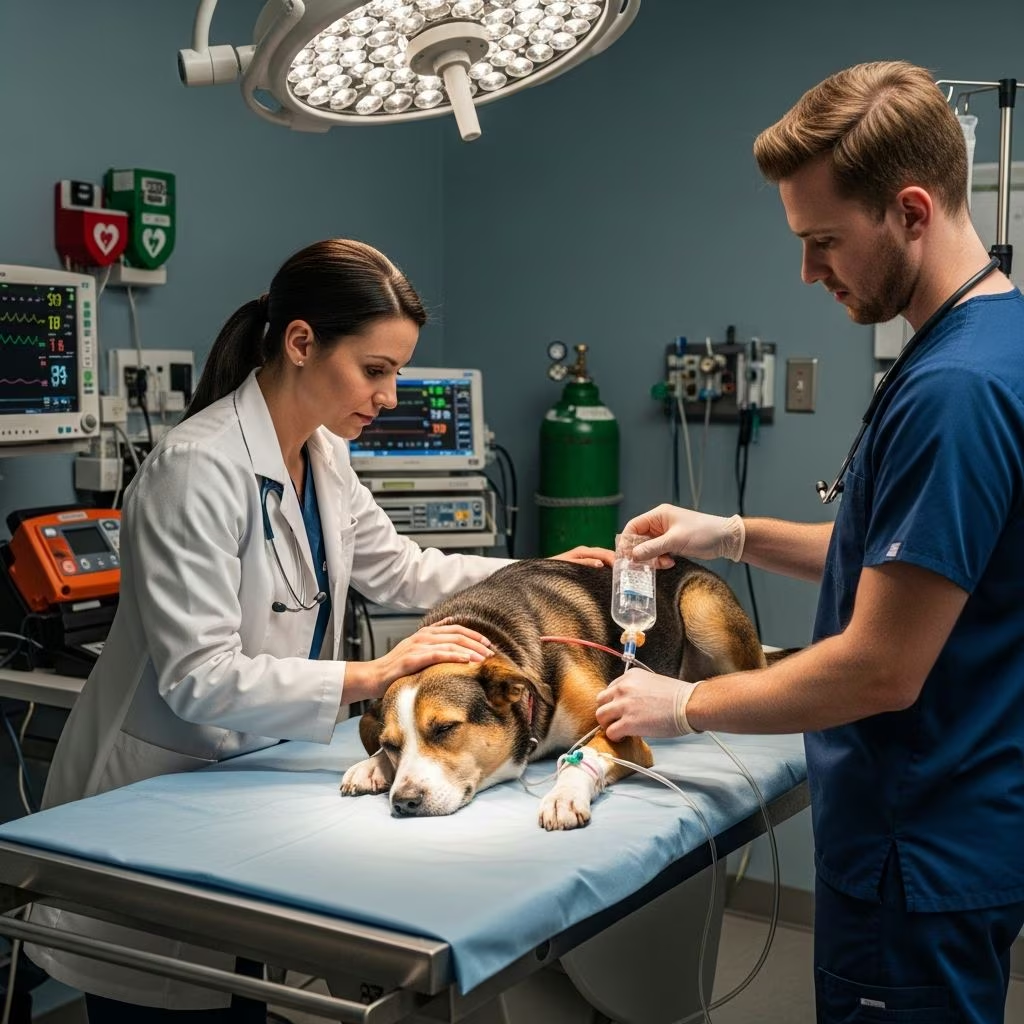
Sepsis represents one of the most critical medical emergencies in veterinary medicine. When a dog develops this life-threatening condition, immediate and aggressive treatment at a specialized veterinary facility becomes essential to prevent organ failure, tissue damage, and death. Understanding the nature of sepsis, its clinical presentation, and the therapeutic protocols used to manage it can help pet owners recognize warning signs and make informed decisions during a medical crisis.
What Constitutes Sepsis in Canine Patients
Sepsis emerges when a systemic infection triggers an overwhelming inflammatory response throughout the body’s major organ systems. This condition differs fundamentally from a localized infection—rather than remaining confined to one area, the inflammatory cascade spreads systemically, compromising cardiovascular stability, oxygen delivery, and metabolic function across multiple organ systems. The progression can occur rapidly, sometimes developing within hours of initial infection manifestation.
The pathophysiology involves bacterial pathogens, their toxins, or fungal agents triggering immune dysregulation. This inflammatory state leads to vasodilation, increased vascular permeability, and ultimately hypotension if left untreated. Without rapid intervention, the condition advances toward septic shock, characterized by profound hemodynamic instability requiring aggressive pharmaceutical and supportive intervention.
Recognition and Clinical Indicators
Early identification of sepsis significantly improves treatment outcomes. Veterinarians assess multiple clinical parameters to establish diagnosis and guide therapeutic decisions. Common presentations include fever or hypothermia, elevated heart rate, rapid breathing patterns, and altered mental status. Affected dogs may display weakness, lethargy, or collapse. Gastrointestinal symptoms such as vomiting and diarrhea frequently accompany the condition.
Laboratory findings provide objective confirmation. Elevated white blood cell counts, left-shifted neutrophilia, thrombocytopenia, and evidence of coagulopathy often appear in blood work. Acid-base disturbances, particularly lactic acidosis, indicate tissue hypoperfusion and metabolic compromise. Blood cultures, when obtainable, identify causative organisms and guide antimicrobial selection.
Foundational Treatment Principles
Successful sepsis management requires a multifaceted approach incorporating several interconnected therapeutic components. Each intervention targets specific pathophysiological derangements while supporting overall system recovery.
Fluid Resuscitation Protocols
Intravenous fluid therapy forms the cornerstone of sepsis management. Dogs with sepsis frequently present with hypotension resulting from multiple mechanisms: relative hypovolemia from vasodilation, absolute volume depletion from gastrointestinal or renal losses, or myocardial dysfunction. Rapid fluid boluses using balanced crystalloid solutions restore intravascular volume and improve tissue perfusion.
Standard protocols recommend isotonic crystalloid administration at 20-25 mL/kg intravenously over 15 minutes, with reassessment of perfusion parameters before continuing. Treatment continues until perfusion markers normalize, potentially requiring up to 80-100 mL/kg total. Veterinarians monitor blood pressure, mucous membrane color, capillary refill time, urine output, and mental status to gauge resuscitation adequacy. Placement of an intravenous catheter, preferably in the cephalic or saphenous vein, facilitates continuous fluid administration and medication delivery.
Antimicrobial Therapy
Broad-spectrum antibiotics must be administered within the first hour of sepsis recognition to optimize outcomes. Blood samples for culture and sensitivity testing should be obtained before antibiotic administration when possible, though treatment should not be delayed awaiting results.
Initial empiric regimens typically combine multiple antibiotics to maximize coverage against likely bacterial pathogens. Common first-line combinations include ampicillin/sulbactam with amikacin or enrofloxacin, cephalosporin combinations, or clindamycin with fluoroquinolones. Once culture results and sensitivity data become available, typically within 48-72 hours, antimicrobial selection can be refined and de-escalated to a single targeted agent if appropriate.
Treatment duration generally spans 1-2 weeks in most cases, though complex infections or those with complications may require extended therapy. Dosing adjustments account for the dog’s individual factors, organ function status, and the specific drug employed.
Managing Hemodynamic Compromise
When fluid resuscitation alone fails to restore adequate blood pressure and tissue perfusion, pharmacological intervention becomes necessary. Vasopressor medications constrict blood vessels, increasing peripheral vascular resistance and elevating blood pressure. Positive inotropic agents enhance cardiac contractility, improving cardiac output and perfusion pressure.
Norepinephrine represents the first-line vasopressor choice for canine septic shock. This catecholamine provides both vasoconstrictive and inotropic benefits, improving coronary perfusion pressure while maintaining tissue blood flow better than pure vasoconstrictors. Vasopressin may be added to enhance blood pressure elevation or reduce norepinephrine requirements.
Dobutamine offers inotropic support when myocardial dysfunction contributes to hemodynamic instability, typically at doses of 5-20 mcg/kg/minute as a continuous intravenous infusion in dogs. Dopamine has limited application, reserved primarily for patients with absolute or refractory bradycardia and low arrhythmia risk.
Continuous arterial blood pressure monitoring via indwelling arterial catheter guides vasopressor titration, with the goal of maintaining mean arterial pressure above 65 mm Hg. Frequent reassessment of perfusion parameters—including lactate clearance, urine output, and tissue perfusion indicators—informs ongoing therapy adjustments.
Oxygen Support and Respiratory Management
Supplemental oxygen administration addresses hypoxemia common in septic patients. Delivery methods range from simple flow-by oxygen and oxygen cages to nasal cannulae, high-flow oxygen systems, and positive-pressure ventilation for severely compromised patients.
As sepsis progresses and pulmonary dysfunction worsens, mechanical ventilation may become necessary to maintain adequate oxygenation and eliminate carbon dioxide. Lung-protective ventilation strategies using lower tidal volumes (6-8 mL/kg) with minimal positive end-expiratory pressure help prevent ventilator-associated complications.
For dogs with pneumonia as the sepsis source, nebulization therapy with humidified oxygen combined with coupage (percussion therapy to mobilize pulmonary secretions) performed 3-4 times daily facilitates infection clearance and improves gas exchange.
Source Control Interventions
Identifying and eliminating the infection source represents a critical treatment component. Localized infections causing systemic sepsis may require surgical intervention. Abscess drainage, removal of infected tissue, or correction of perforations within hollow viscera prevents ongoing bacterial translocation and toxin release.
Source control procedures should ideally occur within 12 hours of infection source identification to minimize ongoing inflammatory triggers. Diagnostic imaging studies including radiography, ultrasound, or advanced cross-sectional imaging help pinpoint infection sites and guide surgical planning.
Nutritional and Supportive Care
Maintaining nutritional status supports immune function and tissue healing during sepsis recovery. Once the patient achieves hemodynamic stability, enteral nutrition through oral feeding or feeding tube placement begins as soon as feasible. Initial feeding typically provides approximately one-third of the dog’s resting energy requirement, gradually increasing as tolerance improves.
Preventing hypoglycemia assumes critical importance, as this metabolic derangement indicates septic shock progression and worsens outcomes. Blood glucose monitoring guides appropriate supplementation.
Pain management using opioid analgesics such as hydromorphone or fentanyl improves patient comfort and reduces stress-induced physiological compromise. Adjunctive analgesics may supplement primary pain control strategies. Management of nausea and vomiting supports oral tolerance and feeding success.
Coagulation Monitoring and Management
Sepsis frequently triggers coagulation cascade abnormalities ranging from thrombocytopenia to disseminated intravascular coagulation. Heparin administration in severely septic patients helps prevent thromboembolic complications. Unfractionated heparin protocols include baseline activated partial thromboplastin time measurement, followed by loading doses of 25-50 IU/kg intravenously, with subsequent continuous infusion at 10-35 IU/kg/hour, and repeated aPTT measurements every 12 hours targeting 1.5- to 2-fold prolongation.
Electrolyte and Acid-Base Correction
Septic patients frequently develop electrolyte disturbances and acid-base abnormalities requiring targeted correction. Hypokalemia, hypocalcemia, and hypomagnesemia commonly develop and impair cardiac function, neuromuscular control, and overall metabolic stability. Serial laboratory assessment guides electrolyte supplementation protocols.
Lactic acidosis indicates tissue hypoperfusion and requires improvement in oxygen delivery, microcirculation, and cellular metabolism through optimization of the previously mentioned interventions.
Arrhythmia Management
Sepsis-induced hemodynamic instability increases arrhythmia risk. When mean arterial pressure drops below 65 mm Hg, bedside electrocardiography should be performed to detect ventricular tachycardia or other malignant rhythms. Lidocaine therapy, administered as intravenous boluses not exceeding 3 total doses of 2 mg/kg in dogs, addresses ventricular tachycardia when present, with continuous infusion at 50-70 mcg/kg/minute if the initial response is positive.
Transfusion Therapy Considerations
Anemia frequently accompanies sepsis from multiple mechanisms including blood loss, decreased red blood cell production, and hemolysis. When clinical signs attributable to anemia appear, packed red blood cell transfusion at 10-20 mL/kg using fresh blood when possible provides rapid oxygen-carrying capacity restoration and improves tissue perfusion.
Frequently Asked Questions
How quickly does sepsis develop in dogs?
Sepsis can develop rapidly, sometimes progressing to life-threatening septic shock within hours of initial infection. Early recognition and immediate veterinary intervention are crucial for survival. Some dogs may show subtle signs initially that deteriorate quickly without treatment.
What is the difference between sepsis and septic shock?
Sepsis represents the systemic inflammatory response to infection with evidence of organ dysfunction. Septic shock occurs when sepsis progresses to profound hypotension and tissue hypoperfusion that fails to respond adequately to fluid resuscitation, requiring vasopressor support.
Can sepsis be prevented in dogs?
While not all sepsis cases are preventable, maintaining good wound hygiene, prompt treatment of infections, appropriate vaccination protocols, and regular veterinary care reduce sepsis risk. Early recognition and treatment of localized infections before systemic spread occurs is key to prevention.
How long does sepsis treatment typically last?
Hospitalization duration varies considerably based on sepsis severity, response to treatment, and underlying cause. Many dogs require intensive care management for several days to weeks. Antibiotic therapy typically continues for 1-2 weeks after clinical improvement begins.
What factors influence sepsis survival rates?
Age, immune status, underlying health conditions, infection source, time to treatment initiation, and response to initial therapy all influence outcomes. Dogs treated within the first hour of sepsis recognition generally show improved survival compared to delayed treatment scenarios.
Prognosis and Long-Term Considerations
Sepsis survival depends critically on treatment timing, infection source identification, and individual patient factors. Dogs receiving rapid, aggressive intervention within the first hour of recognition generally experience improved outcomes compared to those with delayed treatment. Even with optimal management, sepsis carries significant mortality risk, particularly in elderly dogs or those with comorbid conditions.
Survivors require extended recovery periods with gradual return to normal activity. Some dogs experience lasting complications from organ damage sustained during the acute septic episode. Close follow-up veterinary monitoring ensures appropriate recovery progression and early detection of complications.
References
- Sepsis in Dogs: Signs, Symptoms, Treatments — American Kennel Club. 2024. https://www.akc.org/expert-advice/health/sepsis-in-dogs/
- Canine Sepsis: Veterinary Management Guidelines — VetGirl Continuing Education. 2015. https://vetgirlontherun.com/
- Infections Caused by Bacteria — Merck Veterinary Manual. 2024. https://www.merckvetmanual.com/special-pet-topics/infections/infections-caused-by-bacteria
- Treatment of Sepsis: Algorithm for Dogs and Cats — Today’s Veterinary Practice. 2024. https://todaysveterinarypractice.com/
- Fluid Therapy in Dogs and Cats With Sepsis — Frontiers in Veterinary Science. 2021. https://www.frontiersin.org/journals/veterinary-science/articles/10.3389/fvets.2021.622127/full
- Treating Sepsis in Veterinary Practice — DVM360. 2024. https://www.dvm360.com/view/treating-sepsis-proceedings



