

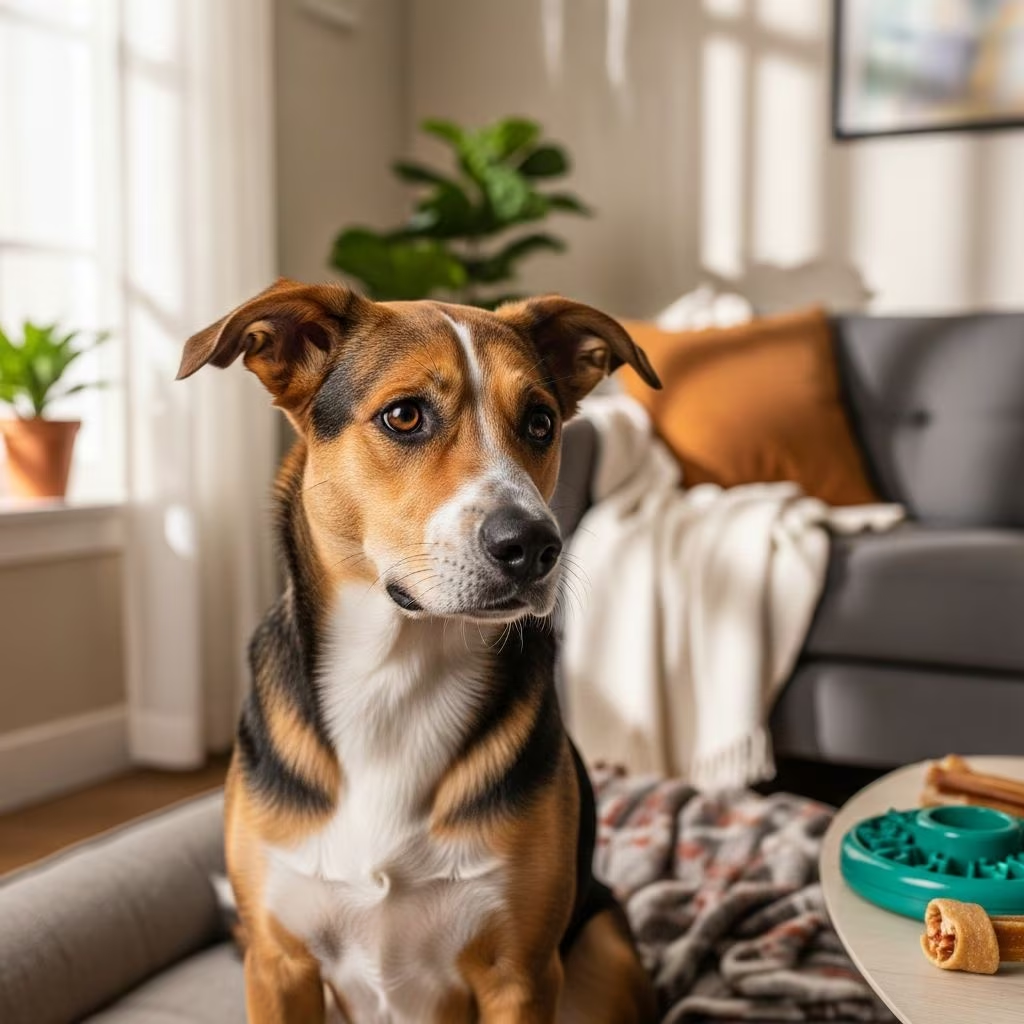
When a dog experiences intense anxiety upon being left alone, the resulting behaviors can range from minor disruptions to severe self-harm. This condition, known as separation-related behavior, affects a significant portion of the canine population and represents one of the most challenging behavioral issues pet owners face. Understanding what triggers this distress, recognizing its manifestations, and implementing appropriate interventions can substantially improve both the dog’s quality of life and the owner’s peace of mind.
Understanding the Nature of Separation-Related Distress
Separation-related behavior in dogs manifests when they are left without their owners’ presence. Research indicates that a substantial percentage of dogs experience difficulty when isolated, though many owners remain unaware of the problem because their pets don’t display visible signs. True separation anxiety differs from temporary adjustment anxiety—it represents a persistent, severe condition where dogs exhibit distress behaviors repeatedly until their owners return.
The underlying mechanism involves a combination of factors rather than a single cause. Scientists have identified that separation anxiety should be understood as a symptom of deeper frustrations rather than simply a diagnosis. Multiple emotional states and risk factors converge to produce the problematic behaviors observed in affected dogs.
Primary Causes of Separation-Related Anxiety
Dogs develop separation anxiety through various pathways, and understanding these origins helps owners and trainers address root issues effectively.
Environmental and Life Transitions
Significant changes in a dog’s environment or family structure frequently trigger separation anxiety. Common catalysts include relocating to a new home, shifts in the owner’s work schedule, the death of a family member or fellow pet, arrival of a new baby, or changes in the dog’s living arrangements. Even positive changes like welcoming a new family member can create confusion and anxiety for dogs accustomed to established routines.
Prior Traumatic Experiences
Dogs who have experienced abandonment, time in shelters, or other frightening events during their owners’ absence often develop pronounced anxiety when separated. A single traumatic incident—such as a home robbery occurring while the owner is away—can establish long-lasting anxiety patterns. For rescue dogs or those with unknown histories, past trauma frequently underlies current behavioral challenges.
Lack of Independence and Adaptation Experience
Puppies and dogs who have never been left alone, or those accustomed to constant human companionship, demonstrate higher susceptibility to separation anxiety. Dogs with clingy personalities or those who have developed strong dependency on their owners face increased risk. Without prior experience managing alone time, dogs lack the emotional resilience to cope when separation occurs.
Insufficient Enrichment and Mental Stimulation
Boredom contributes significantly to problematic behaviors during owner absence. Dogs lacking adequate toys, exercise, play opportunities, and enrichment activities may engage in destructive behaviors or elimination as forms of self-entertainment when left alone. This factor is particularly pronounced in younger dogs who possess abundant energy requiring outlets.
Recognizing Separation Anxiety Symptoms
Separation anxiety manifests through numerous behavioral and physiological indicators. Recognizing these signs enables early intervention and prevents escalation to more severe manifestations.
Behavioral Distress Indicators
- Excessive vocalization: Persistent barking, howling, or whining that continues throughout the owner’s absence, often representing genuine distress rather than normal communication
- Destructive behaviors: Targeted chewing and scratching at exits, doors, windows, and furniture, frequently concentrated on items bearing the owner’s scent
- Inappropriate elimination: House-trained dogs urinating or defecating indoors, often indicating anxiety rather than lack of training
- Escape attempts: Digging at doors, windows, or yard fencing in attempts to reunite with the owner or flee the environment
- Excessive greeting behaviors: Frantic excitement, jumping, and prolonged attention-seeking upon the owner’s return
Physical and Physiological Signs
- Trembling, shivering, or shaking, particularly in smaller dog breeds
- Excessive salivation and drooling, sometimes leaving large puddles
- Rapid breathing, panting, and increased heart rate
- Pacing and repetitive behaviors such as circling or spinning
- Vomiting or diarrhea
- Loss of appetite, refusing meals or treats offered during alone time
Pre-Departure Anxiety Signals
Dogs often display anxiety before the owner actually leaves. These predictive behaviors include excessive following from room to room, clinginess, restlessness, and early signs of physiological stress like salivation and trembling. Recognizing these pre-departure indicators allows owners to implement calming interventions before separation occurs.
Distinguishing Separation Anxiety from Other Issues
Behaviors associated with separation anxiety overlap with several other conditions, requiring careful differentiation for appropriate treatment. House-training deficiencies, marking behaviors, submissive or excitement urination, teething in puppies, boredom-related destruction, cognitive dysfunction in senior dogs, and noise-related phobias can mimic separation anxiety symptoms. Professional veterinary or behavioral assessment helps distinguish true separation anxiety from these alternative causes.
The Impact of Separation Anxiety on Dogs and Their Owners
Separation anxiety extends beyond simple behavioral inconvenience. The condition creates genuine emotional suffering for affected dogs, causing visible stress responses and physiological changes during owner absence. Additionally, the strain on the human-animal bond can be substantial, particularly when owners face repeated property damage, veterinary bills from self-injury, or noise complaints from neighbors regarding vocalization.
Effective Behavioral Modification Strategies
Addressing separation anxiety requires systematic, gradual approaches tailored to individual dogs and their specific triggers.
Gradual Desensitization to Owner Departure
This foundational technique involves systematically acclimating dogs to being alone through progressively longer separations. Owners begin with extremely brief absences—sometimes just stepping outside the door for seconds—and gradually extend the duration as the dog demonstrates calm acceptance. This process rewires the dog’s emotional response to separation cues, teaching that the owner’s departure does not signify abandonment.
Eliminating Pre-Departure Rituals
Dogs often anticipate owner departure through learned associations with specific actions (picking up keys, putting on shoes, gathering work materials). Breaking these ritualistic patterns by randomly performing these actions without leaving, or conversely, leaving without displaying typical preparation behaviors, reduces the triggering effect of departure cues.
Creating a Safe, Predictable Environment
Designating a secure space where the dog remains during owner absence helps establish psychological safety. This area should contain comfortable bedding, access to water, and safely positioned items that provide sensory comfort. Consistency in using the same space creates predictability, which many anxious dogs find stabilizing.
Enrichment and Mental Engagement
Providing puzzle toys, treat-dispensing toys, long-lasting chews, and interactive toys occupies the dog’s attention and provides positive associations with alone time. The cognitive engagement required to work through these items can alleviate boredom-related anxiety components and redirect anxious energy toward productive activity.
Exercise and Physical Activity
A well-exercised dog possesses reduced anxiety levels and increased capacity for calm rest during owner absence. Implementing robust exercise routines before anticipated separations helps tire the dog physically, promoting relaxation and sleep during alone periods.
Environmental Sound Management
For dogs experiencing anxiety triggered by external noises or events, managing the acoustic environment through white noise, calming music, or sound masking can reduce reactivity. Research has identified that some dogs experience distress from external noise and event reactions, making sound management a valuable intervention component.
Professional Support and Advanced Interventions
Severe separation anxiety often requires professional guidance from certified animal behaviorists or trainers specializing in anxiety disorders. These professionals can conduct thorough assessments identifying specific triggers and underlying causes unique to each dog, then develop customized treatment protocols addressing those particular factors.
Veterinary consultation may be appropriate to rule out medical causes and discuss potential pharmacological support. In some cases, anti-anxiety medications prescribed under veterinary supervision can facilitate behavioral modification by reducing anxiety levels enough for learning to occur.
Building Long-Term Independence
Successful separation anxiety treatment involves more than addressing immediate symptoms. Dogs require development of genuine emotional independence and resilience. This occurs through consistent practice managing alone time, positive reinforcement of calm behavior during separations, and gradual expansion of independence across various contexts and duration.
Owners should avoid reinforcing anxious behavior through excessive comfort or attention in response to anxiety displays, as this inadvertently rewards the distress response. Instead, rewarding calm acceptance of separation and ignoring anxious behaviors redirects the dog’s learned associations with owner departure.
Prevention Strategies for At-Risk Dogs
Preventing separation anxiety development proves substantially easier than treating established cases. Responsible breeders and early puppy socializers prioritize exposing young dogs to varied experiences, including brief, positive separations from caregivers. Teaching puppies to self-soothe and accept alone time builds foundational resilience.
For adult dogs, preventing anxiety involves maintaining consistent routines, ensuring adequate exercise and enrichment, and preparing dogs for anticipated life changes. When major transitions occur (new home, schedule changes, family member loss), proactive implementation of support strategies can prevent anxiety development.
Frequently Asked Questions
How long does treating separation anxiety typically take?
Treatment duration varies significantly based on anxiety severity, the dog’s age, prior experiences, and consistency of behavioral modification implementation. Mild cases may show improvement within weeks, while severe cases can require months or longer. Most dogs benefit from sustained, gradual approaches rather than quick fixes.
Can medication alone resolve separation anxiety?
Medication can support treatment by reducing anxiety levels, but behavioral modification forms the cornerstone of lasting resolution. Anti-anxiety medications work best when combined with systematic desensitization, enrichment, and other behavioral strategies. Medication without behavior change typically results in anxiety return when medication is discontinued.
Is separation anxiety more common in certain dog breeds?
Research involving over 100 dog breeds has identified that separation anxiety affects dogs across all breeds, though some studies suggest certain breeds may show heightened predisposition. Temperament, individual personality, and life experiences appear more influential than breed in determining separation anxiety development.
Should I crate my dog to prevent destructive behavior?
Crating can provide safety but doesn’t address underlying anxiety. Dogs with separation anxiety may engage in self-harm within crates, potentially causing injury. Crating works best as a component of comprehensive treatment that includes desensitization and anxiety reduction, not as a standalone solution.
What’s the difference between separation anxiety and normal puppy behavior?
Normal puppies may display destructive behavior or elimination accidents due to incomplete training, playfulness, or boredom. True separation anxiety involves persistent distress responses, anxiety-specific behaviors that escalate rather than improve, and genuine emotional suffering. Puppies typically outgrow normal behaviors with training, while separation anxiety requires specific intervention.
Conclusion: Supporting Your Dog’s Emotional Wellbeing
Separation anxiety represents a legitimate emotional disorder causing genuine suffering for affected dogs. Recognition of symptoms, understanding underlying causes, and implementation of systematic behavioral modification provides pathways toward meaningful improvement. With patience, consistency, and often professional support, dogs with separation anxiety can develop the emotional resilience and independence necessary for calm, comfortable alone time. The investment in addressing this condition strengthens the human-animal bond and enables dogs to experience greater overall wellbeing throughout their lives.
References
- Separation Anxiety in Dogs — Wikipedia. https://en.wikipedia.org/wiki/Separation_anxiety_in_dogs
- New Research Identifies Root Causes of Separation Anxiety in Dogs — American Veterinary Medical Association. 2020-05-15. https://www.avma.org/javma-news/2020-05-15/new-research-identifies-root-causes-separation-anxiety-dogs
- Separation Anxiety in Dogs: Causes, Signs, and Solutions — Best Friends Animal Society. https://bestfriends.org/pet-care-resources/separation-anxiety-dogs-causes-signs-and-solutions
- Separation Anxiety in Dogs: Signs, Causes, and Prevention — American Kennel Club. https://www.akc.org/expert-advice/training/dog-separation-anxiety/
- Separation Anxiety in Dogs — RSPCA. https://www.rspca.org.uk/adviceandwelfare/pets/dogs/behaviour/separationrelatedbehaviour
- Separation Anxiety in Dogs — PetMD. https://www.petmd.com/dog/conditions/behavioral/separation-anxiety-dogs
- Separation Anxiety in Dogs — VCA Animal Hospitals. https://vcahospitals.com/know-your-pet/separation-anxiety-in-dogs



