

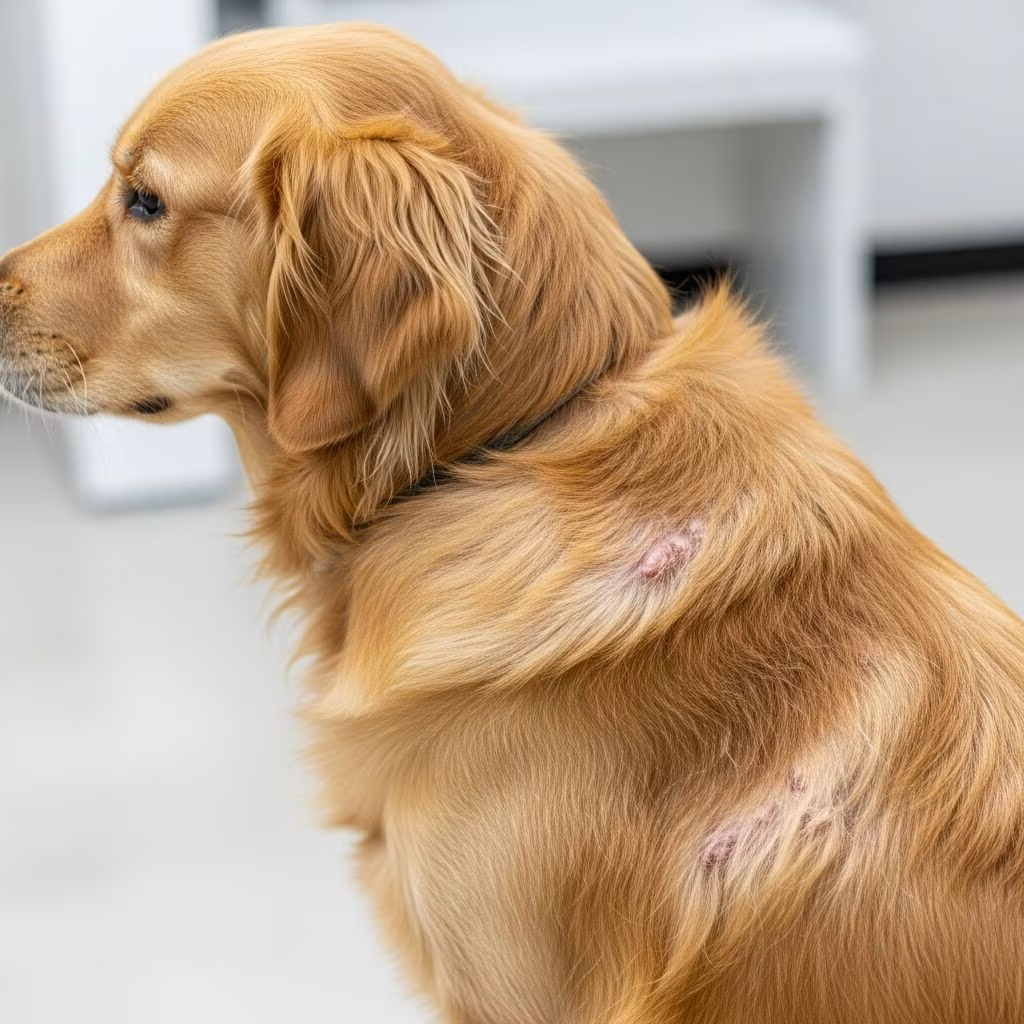
Canine sebaceous adenitis (SA) represents a challenging skin condition where the sebaceous glands, vital for producing sebum to maintain skin moisture and coat health, undergo inflammation and destruction. This disorder leads to dry skin, hair loss, and increased infection risk, primarily affecting certain breeds due to genetic factors. Early recognition is crucial for effective management, as outlined in veterinary resources from leading institutions.
The Role of Sebaceous Glands in Canine Skin Health
Sebaceous glands are microscopic structures attached to hair follicles throughout a dog’s skin. They secrete sebum, an oily substance that lubricates the skin, prevents dryness, and provides antimicrobial protection. When these glands are compromised, as in SA, the skin loses its natural barrier, resulting in flaking, brittleness, and vulnerability to pathogens.
In healthy dogs, sebum coats the hair shafts, keeping the coat glossy and supple. Disruption in sebum production alters coat texture, color, and overall appearance, often the first noticeable change owners observe.
Genetic and Immune Factors Behind the Condition
The precise cause of SA remains multifactorial, with strong evidence pointing to genetics. Breeds such as Standard Poodles, Akitas, Samoyeds, Chow Chows, Havanese, and Vizslas show higher incidence, often inheriting it via autosomal recessive genes. Research indicates ongoing efforts to pinpoint specific mutations.
Immune-mediated responses play a key role, where T-cells and antigen-presenting cells target the glands, leading to their destruction. This is supported by positive responses to immunosuppressants like cyclosporine. Alternative theories include keratinization defects obstructing ducts or lipid metabolism issues, prompting treatments like retinoids.
Environmental triggers, such as stress, illness, surgery, or sun exposure, can exacerbate onset or severity.
Recognizing Early Symptoms Across Coat Types
Symptoms vary by coat length but share core features: scaling, alopecia, and seborrhea-like changes. In short-haired breeds like Vizslas or Dachshunds, white scales adhere to skin, with hair loss creating a moth-eaten look on the head, ears, back, and tail.
- Dry, brittle coat with reddish tint
- Scaly, flaky skin (dandruff)
- Patchy hair loss, especially symmetrical on trunk
- Matted tufts in long-haired breeds
- Occasional itching from secondary infections (40% cases)
Long-coated breeds like Akitas or Poodles exhibit severe matting, clumping, and odor due to poor sebum distribution. Lesions often start on pinnae, face, and neck, spreading dorsally. Severe cases involve otitis externa, blepharitis, or ulcerative pinnal lesions.
Breed-Specific Presentations and Risks
| Breed | Common Signs | Severity Level |
|---|---|---|
| Akita | Ulcerative pinnae, generalized alopecia | High |
| Standard Poodle | Matting on head/neck, scaling | Moderate-High |
| Samoyed | Coat color changes, hair clumping | Moderate |
| Vizsla | Scales on ears/trunk, moth-eaten coat | Moderate |
| Chow Chow | Dull coat, odor, secondary infections | Variable |
This table highlights variations; Akitas often face the most aggressive forms with deep infections.
Diagnostic Approaches for Accurate Confirmation
Diagnosis begins with clinical examination, noting symmetrical lesions on pinnae, dorsum, and tail. History of breed predisposition and lack of pruritus (unless infected) guides suspicion.
Definitive diagnosis requires skin biopsy: histopathology reveals absent glands, granulomatous inflammation, and follicular keratosis. Dermatologists recommend multiple samples from affected and normal areas for comprehensive analysis.
Rule out differentials like hypothyroidism, demodicosis, or ichthyosis via bloodwork, cytology, and fungal tests.
Comprehensive Treatment Strategies
Treatment focuses on sebum replacement, inflammation control, and infection prevention. No cure exists, but many dogs achieve remission with multimodal therapy.
Topical Therapies
- Bathing 1-2 times weekly with shampoos containing sulfur, salicylic acid, or benzoyl peroxide to remove scales.
- Emollients like baby oil or mineral oil soaks (soak 1 hour, bathe off) to mimic sebum.
Systemic Medications
Cyclosporine (5 mg/kg daily) suppresses immune attack, with 60-80% response rates. Retinoids (e.g., etretinate) normalize keratinization in select cases. Antibiotics manage secondary pyoderma.
Supportive Care
Omega-3 fatty acid supplements enhance skin barrier. Avoid sun exposure; use protective vests. Regular grooming prevents matting.
Prognosis and Long-Term Management
Prognosis varies: early intervention yields good coat regrowth, but advanced fibrosis limits recovery. Akitas may progress to systemic illness if untreated. Lifelong therapy is standard, with monitoring via biopsies.
Owners report improved quality of life with consistent protocols; some achieve near-normal appearance.
Prevention Tips for At-Risk Breeds
- Genetic screening before breeding.
- Early vet checks for scaling in predisposed pups.
- Stress minimization and UV protection.
- Proactive skin care routines.
Frequently Asked Questions (FAQs)
Is sebaceous adenitis contagious?
No, SA is not contagious; it’s primarily genetic and immune-mediated.
Can SA be cured completely?
No cure exists, but symptoms are manageable with ongoing treatment.
What breeds are most affected?
Akitas, Poodles, Samoyeds, Vizslas, Chow Chows.
Does diet help with SA?
Omega-rich diets support skin health as adjunct therapy.
How quickly does treatment work?
Improvement in 4-8 weeks; full response may take months.
Monitoring Progress and When to Seek Help
Track scale reduction, hair regrowth, and infection absence monthly. Consult a veterinary dermatologist if worsening occurs, such as fever or lethargy signaling deep infection.
Annual check-ups ensure protocol adjustments, especially post-biopsy.
References
- Full Guide: Canine Sebaceous Adenitis Diagnosis & Treatments — Royal Canin Academy. 2023. https://academy.royalcanin.com/en/veterinary/canine-sebaceous-adenitis
- Sebaceous Adenitis in Companion Animals — Today’s Veterinary Practice. 2022. https://todaysveterinarypractice.com/dermatology/sebaceous-adenitis-in-companion-animals/
- Canine sebaceous adenitis — PMC – NIH. 2021-02-01. https://pmc.ncbi.nlm.nih.gov/articles/PMC7877684/
- Sebaceous Adenitis in Dogs — PetMD. 2024. https://www.petmd.com/dog/conditions/skin/sebaceous-adenitis-dogs
- Sebaceous Adenitis in Dogs and Cats — Merck Veterinary Manual. 2023. https://www.merckvetmanual.com/ear-disorders/diseases-of-the-pinna/sebaceous-adenitis-in-dogs-and-cats
- Sebaceous Adenitis in Dogs — Kansas State Veterinary Diagnostic Laboratory. 2018-11. https://www.ksvdl.org/resources/news/diagnostic_insights/november2018/sebaceous-adenitis-dogs.html



