

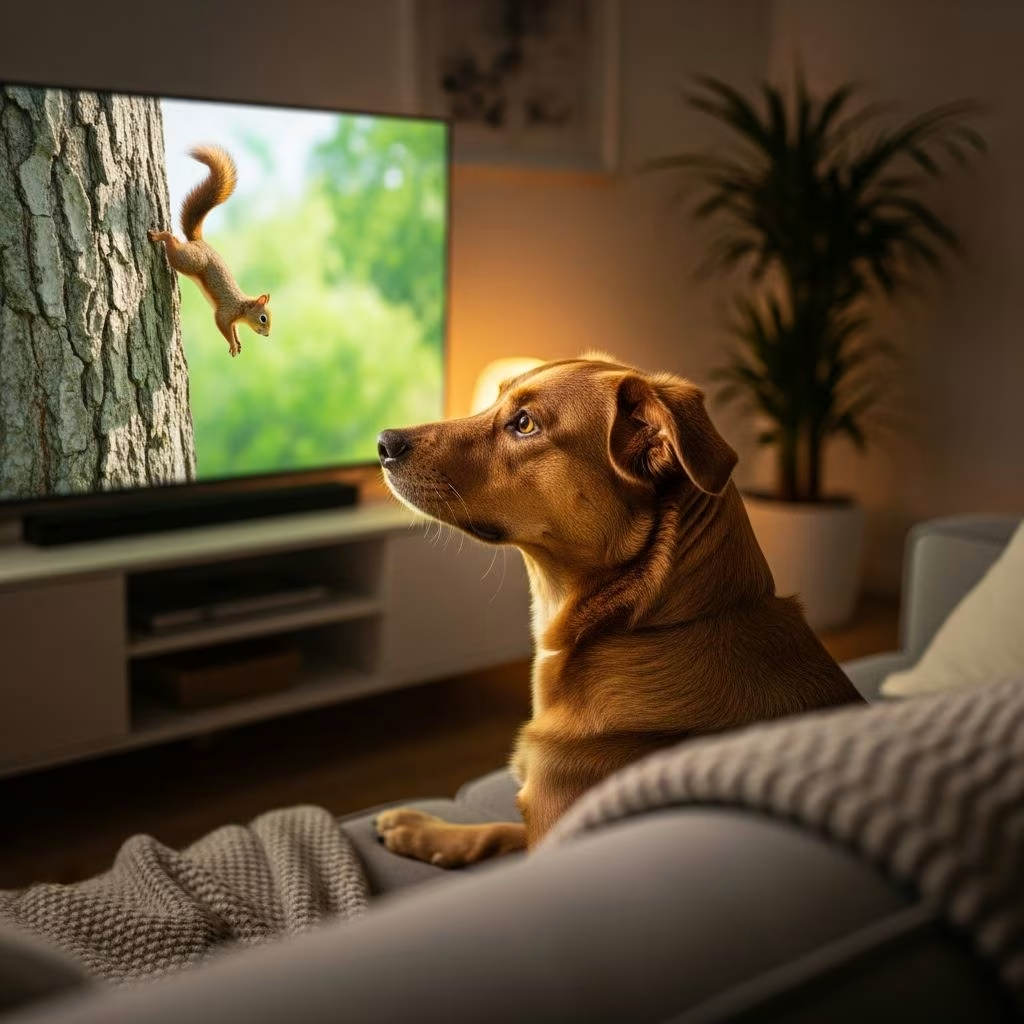
Dogs increasingly enjoy dedicated television programming crafted to match their unique sensory world, offering benefits like reduced anxiety, mental engagement, and habituation to everyday sounds. These channels, developed through veterinary and behavioral research, transform ordinary screens into tools for pet wellness.
Understanding Dogs’ Unique Way of Seeing the World
Dogs perceive the world differently from humans due to their dichromatic vision, which emphasizes blues, yellows, and grays while limiting reds and greens. Specialized TV content enhances these colors to create vivid, appealing visuals for canines. Their heightened sensitivity to motion and specific sound frequencies further shapes programming that captures attention without overwhelming.
Research from universities reveals dogs have shorter attention spans than humans and respond best to fast-paced, motion-rich scenes paired with calming audio tracks. This scientific foundation ensures content aligns with canine biology, making screens more than passive noise—they become active enrichers.
The Science Fueling Dog-Friendly Programming
Over 60 studies inform channels like DOGTV, examining what dogs watch, hear, and enjoy. Collaborations with experts from Tufts University and Purdue University validate how tailored videos and music lower stress hormones in dogs. For instance, sound frequencies soothing to dogs differ from human preferences, promoting relaxation even if the pet isn’t focused on the screen.
A survey by the American Kennel Club found nearly half of dogs show interest in TV, prompting creators to design universally appealing content. Ongoing research, including global surveys on viewing habits, refines these efforts to better support visual function and behavior assessment.
Core Programming Categories Tailored to Daily Rhythms
Dog TV follows a dog’s natural activity cycle with three pillars: calming sequences for rest periods, energizing clips for playtime, and gradual introductions to real-world stimuli.
- Calming Content: Slow-motion nature scenes, gentle wildlife, and classical-inspired music help dogs unwind, ideal for naps or separation anxiety.
- Stimulating Content: Fast-moving animals, playful animations, and interactive elements combat boredom and provide cognitive exercise.
- Exposure Content: Controlled depictions of vacuums, doorbells, traffic, and children build confidence, reducing reactive behaviors over time.
Programming rotates to match alertness levels, with extended calm blocks for sensitive or reactive dogs avoiding triggers like other canines on screen.
Customizing Content for Individual Pets
On-demand libraries allow owners to select based on their dog’s personality—high-energy pups get stimulation bursts, while anxious ones receive extended relaxation. Human-focused segments offer training advice and health insights, fostering better pet-parent bonds.
This personalization suits varied breeds and ages. Puppies benefit from socialization exposure, seniors from gentle pacing, and working breeds from mental challenges mimicking jobs.
Real-World Impact: From Home to Shelters
Beyond households, these channels aid shelters by lowering stress in adoptable dogs, improving environments and adoption rates. Weekly features spotlight rescues, connecting them with families. Owners report fewer destructive behaviors and reduced need for midday walks, as TV provides companionship during long absences.
| Benefit | How It Helps Dogs | Owner Feedback |
|---|---|---|
| Anxiety Reduction | Calming sounds and visuals lower cortisol | Calmer homes, less barking |
| Mental Enrichment | Motion and novelty prevent boredom | Fewer chewed items |
| Desensitization | Gradual trigger exposure | Better reaction to vacuums/doorbells |
| Socialization Aid | Safe animal interactions | Improved shelter adoptions |
Setting Up Screen Time Safely and Effectively
Position the TV at dog-eye level, about 3-4 feet high, in a quiet spot. Start with short sessions to gauge interest, using apps or streaming for flexibility. Volume should mimic natural sounds—audible but not blaring.
- Choose HD with high frame rates for smooth motion.
- Monitor for overstimulation signs like pacing.
- Combine with toys or puzzles for multi-sensory enrichment.
Devices range from smart TVs to portable screens, with subscriptions offering free trials. Avoid human TV, which bores dogs due to incompatible colors and pacing.
Common Myths and Proven Realities
Myth: Dogs can’t see screens. Reality: Modern high-refresh-rate displays engage them via motion detection.
Myth: It’s just distraction. Reality: Backed by peer-reviewed studies, it actively supports welfare.
Research in veterinary journals explores how viewing preferences reveal eyesight health, aiding diagnostics.
FAQs
Do all dogs like watching TV?
Many do, especially with dog-optimized content, but interest varies by breed and age. Even passive listening benefits anxiety-prone pups.
Is DOGTV suitable for puppies?
Yes, with gentle stimulation and exposure aiding development without overstimulation.
How long should sessions last?
2-4 hours daily mimics human absence, aligned with natural cycles.
Can it replace exercise?
No, it complements physical activity as mental enrichment.
What if my dog ignores it?
Try different categories or position adjustments; audio alone helps.
Future Directions in Canine Media
Emerging studies link TV preferences to vision health, potentially revolutionizing vet assessments. Interactive apps and AI-personalized feeds promise deeper customization. As pet humanization grows, expect more research validating screen time’s role in holistic care.
Integrating TV into routines empowers owners to provide consistent enrichment, bridging gaps during workdays or travel. It’s a simple, evidence-based way to nurture happier, healthier dogs.
References
- The Benefits of DOGTV: Entertainment and Stress Relief for Your Pup — Los Angeles Times. 2026-01-20. https://www.latimes.com/companion-animals/pet-projects/story/2026-01-20/dogtv-dog-entertainment-streaming-channel
- Scientifically designed Television for Dogs | DOGTV — DOGTV. Accessed 2026. https://www.dogtv.com/science/
- 6 Reasons Why Every Pup Parent Should Use DogTV — For The Love of Paws Boston. Accessed 2026. https://www.fortheloveofpawsboston.com/post/6-reasons-why-every-pup-parent-should-use-dogtv
- The Surprising Science Behind Dog TV — Christopher Todd Studios. Accessed 2026. https://www.christophertodd.com/do-dogs-watch-tv/
- Canine TV Preferences Could Lead To Answers in Protecting Dogs’ Eyesight — University of Wisconsin School of Veterinary Medicine. Accessed 2026. https://www.vetmed.wisc.edu/canine-tv-preferences-could-lead-to-answers-in-protecting-dogs-eyesight/
- What can TV viewing tell us about dogs’ vision? — British Veterinary Association (Wiley). 2024. https://bvajournals.onlinelibrary.wiley.com/doi/10.1002/vetr.3915



