

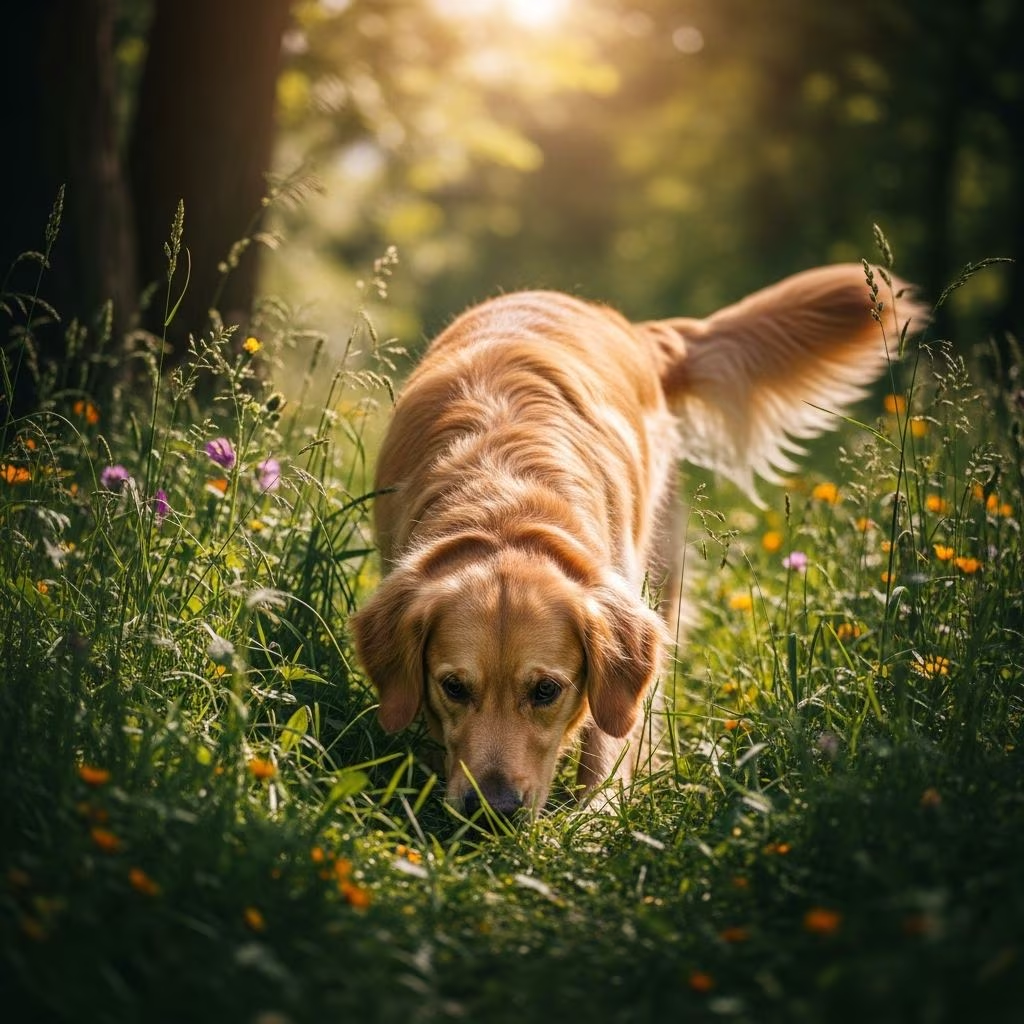
Canine scent games, often called nose work or scent detection sports, engage a dog’s extraordinary sense of smell in structured, rewarding challenges. These activities mimic professional detection tasks while providing enrichment for pet dogs of any breed, age, or fitness level.
The Science Behind a Dog’s Super Sniffer
Dogs possess up to 300 million olfactory receptors, far surpassing humans’ 6 million, allowing them to detect scents at concentrations as low as parts per trillion. This superior sense drives natural behaviors like foraging and hunting, which scent games replicate in controlled settings.
By channeling this instinct, handlers create mentally taxing puzzles that tire dogs more effectively than physical exercise alone. Sessions lasting just 15-20 minutes can lead to satisfied naps, reducing boredom-related issues.
Why Every Dog Needs Scent Work
Scent games offer transformative benefits, making them ideal for diverse canine needs:
- Mental Enrichment: Solves scent puzzles to combat boredom and destructive habits.
- Confidence Boost: Successes empower shy or fearful dogs, improving overall demeanor.
- Handler-Dog Bond: Enhances communication through clear cues and rewards.
- Low-Impact Fitness: Provides exercise without joint strain, perfect for seniors or injured pups.
- Reactivity Management: Builds focus in distracting environments, aiding reactive dogs.
Organizations like the American Kennel Club (AKC) and National Association of Canine Scent Work (NACSW) endorse these sports for their inclusivity, accommodating puppies, retirees, and even shelter dogs.
Essential Gear for Scent Adventures
Starting requires minimal, affordable items. Focus on safety and functionality:
| Item | Purpose | Tips |
|---|---|---|
| Harness & Leash | Safety in varied terrains | Well-fitted, non-restrictive; 4-6 ft length |
| Target Odors | Scent sources (birch, anise, clove oils) | Diluted essential oils on cotton swabs; store airtight |
| Containers | Hiding vessels | Cardboard boxes, tins, or jars; vary sizes |
| Treats/Toys | High-value rewards | Dog’s favorites for motivation |
| Training Aids | Optional kits | Birch oil sets for beginners |
Total startup cost: under $50. Prioritize odor quality from reputable suppliers to avoid irritation.
Step-by-Step Training Blueprint
Build skills progressively over weeks, keeping sessions short (3-5 searches, 1-2 minutes each):
- Food/Toy Motivation (Week 1): Hide treats in 3-5 open boxes. Encourage sniffing with ‘search’ cue. Reward finds enthusiastically.
- Introduce Hides (Week 2): Close boxes loosely; elevate or nest them. No rewards outside finds.
- Target Odor Intro (Week 3): Pair birch oil with food in one box. Fade food, reinforce odor alerts (sit/paw).
- Expand Areas (Week 4+): Move to rooms, vehicles, exteriors. Vary elevations and distractions.
Pro tips: Offer water between rounds, avoid petting during searches, and end on successes to maintain drive. Practice 3-6 sessions weekly.
Mastering Search Challenges
Progress to complex scenarios:
- Interior: Furniture, walls, corners.
- Exterior: Grassy patches, bushes (leash required).
- Vehicle: Compartments, tires.
- Container: Multiple boxes/bags.
Dogs signal finds via trained behaviors; handlers read subtle changes like freezing or intense sniffing. Advanced training introduces multiple odors and buried hides.
From Backyard to Competition Arena
Several bodies host trials:
- NACSW K9 Nose Work: Elite levels with blind searches.
- AKC Scent Work: Mimics pro detection; ORT entry test.
- Others: UK Sniffer Dogs, Fenzi Academy for varied rules.
Prep with obedience basics (sit/stay). Trials feature unknown hides; dogs lead, handlers follow. Success rates soar with consistent home practice.
Tailoring for Special Dogs
Scent work adapts seamlessly:
| Dog Type | Adaptations |
|---|---|
| Seniors/Injured | Short sessions, indoor focus, elevated hides |
| Reactive/Fearful | Solo searches, gradual distractions |
| Puppies | |
| High-Energy | Combine with walks for focus |
Shelters use it for enrichment, reducing stress.
Common Hurdles and Fixes
Issue: Dog Ignores Cue
Fix: Revert to high-value rewards; build drive with games.
Issue: False Alerts
Fix: Proof with decoys; refine odor pairing.
Issue: Handler Interference
Fix: Trust dog’s nose; use passive cues.
DIY Games for Daily Fun
No class? Try these:
- Muffin Tin Madness: Hide treats in tin compartments under balls.
- Sniff Walks: Allow 2-minute focused sniffs per 1-minute walk.
- Towel Roll: Tuck kibble in towel folds.
Rotate to prevent boredom.
Frequently Asked Questions
Can any dog do scent games?
Yes, all ages, breeds, and abilities—from puppies to seniors.
How long until competition-ready?
4-8 weeks for basics; months for trials.
Is it expensive?
Affordable: $20-50 startup, low ongoing costs.
Does it help anxious dogs?
Exceptionally; builds confidence via successes.
Where to find classes?
Local clubs, AKC/NACSW sites, online like Fenzi.
References
- Nose Work: A Dog Sport Guide — The Academy of Pet Careers. 2023. https://www.theacademyofpetcareers.com/blog/nose-work-guide/
- Harnessing the Power of Your Dog’s Nose: An Introduction to K9 Nose Work — Clicker Training. 2022. https://clickertraining.com/harnessing-the-power-of-your-dogs-nose-an-introduction-to-k9-nose-work/
- Canine nose work: Train your dog to use his nose — Stale Cheerios. 2024. https://stalecheerios.com/dog-training/nose-work-dog-training/
- Dog Nose Work: Scent Training Sport for Dogs — Best Friends Animal Society. 2023. https://bestfriends.org/pet-care-resources/dog-nose-work-scent-training-sport-dogs
- NW101 – Introduction to Nosework — Fenzi Dog Sports Academy. 2024. https://www.fenzidogsportsacademy.com/index.php/self-study/growing-up-fdsa-free-ebook/10-course-descriptions/13342-n101s-nw101-introduction-to-nosework
- Nose Work: Games and Training Tips for Scent Work — Preventive Vet. 2025. https://www.preventivevet.com/dogs/nose-work-games-and-training
- AKC Scent Work: Get Started — American Kennel Club. 2026-03-01. https://www.akc.org/sports/akc-scent-work/getting-started/



