
Canine Scent Games: Training Guide
Unlock your dog's incredible sense of smell with engaging scent work activities that boost confidence, focus, and fun for all breeds.
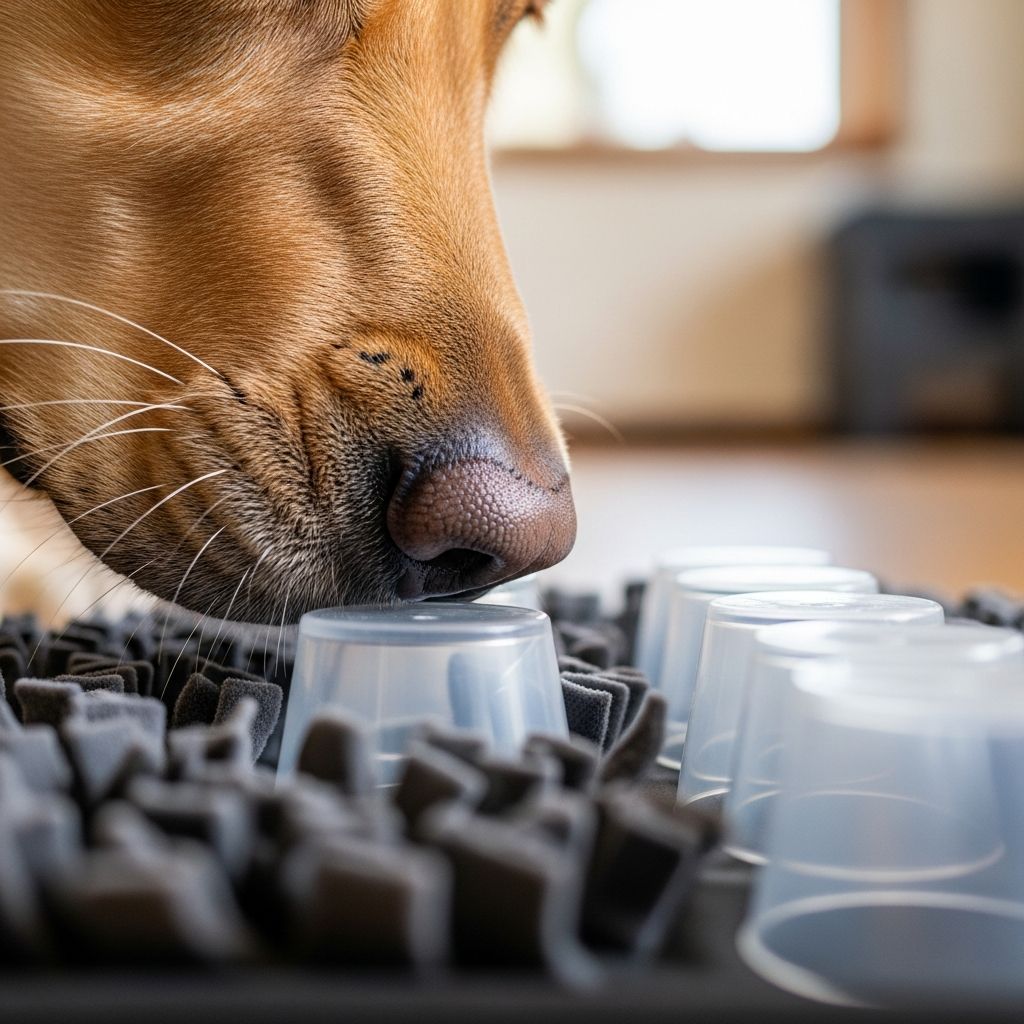
Dogs possess an extraordinary sense of smell, far surpassing human capabilities, making scent-based activities a natural and rewarding way to engage them mentally and physically. These games, often called nose work or scent detection training, allow pet dogs to tap into their innate hunting instincts while providing enrichment that reduces boredom and anxiety.
Why Scent Training Transforms Dog Behavior
Scent work stands out as one of the most accessible dog sports because it requires minimal space and no prior obedience skills. Dogs learn to hunt for specific odors, building stamina, independence, and confidence in the process. This activity is particularly beneficial for dogs that struggle with traditional training methods, such as those who are fearful, reactive, or low-energy.
By focusing on the dog’s natural drive to sniff, handlers develop a deeper understanding of their pet’s body language and communication cues. Sessions burn mental energy equivalent to hours of physical exercise, leading to calmer behavior at home. Unlike high-impact activities, scent games are low-impact, suitable for puppies, seniors, disabled dogs, and even those with visual or hearing impairments.
Essential Benefits of Introducing Nose Work
- Mental Stimulation: Challenges the brain, preventing destructive behaviors from under-stimulation.
- Confidence Building: Success in finding hidden scents empowers shy or hesitant dogs.
- Stress Reduction: Purposeful sniffing lowers cortisol levels, promoting relaxation.
- Bonding Opportunity: Handlers learn to trust their dog’s nose over their own assumptions.
- Versatility: Practice anywhere—from living rooms to parks—without special equipment.
Research from canine behavior experts highlights how these games mimic real-world detection tasks, originally designed for elite working dogs, now adapted for family pets.
Gathering Your Scent Training Toolkit
Starting scent work demands few items, keeping it budget-friendly and beginner-accessible. Core supplies include odor sources like birch essential oil (a common starter scent), cotton swabs for absorption, small tins or jars for containment, high-value treats, and optionally a clicker for precise marking.
| Item | Purpose | Tips |
|---|---|---|
| Birch Oil or Anise | Target Odor | Dilute if strong; source from reputable suppliers. |
| Cotton Swabs/Tins | Odor Holder | Cut swabs in half; use airtight containers. |
| High-Value Treats | Reward | Choose soft, smelly options like liver or cheese. |
| Clicker | Behavior Marker | Condition first: click-treat 10-15 times. |
| Boxes/Cups | Search Props | Cardboard boxes or plastic cups for hides. |
Begin with food rewards to instill the joy of hunting before transitioning to pure odor detection. This pairing method ensures the dog associates finding the scent with immediate gratification.
Mastering the Clicker for Precision Training
A clicker provides unmistakable feedback, bridging the gap between action and reward. To condition it, sit in a quiet space, click once, and deliver a treat instantly—repeat until the dog anticipates the sound eagerly.
Key rules: Click only once per correct behavior, always follow with a treat, and time it precisely as the nose contacts the scent. Verbal markers like “yes” work similarly if clickers aren’t preferred. This tool sharpens focus during progressive challenges.
Step-by-Step Beginner Scent Games
Progress from simple food searches to complex odor hunts, always keeping sessions short (5-10 minutes) to maintain enthusiasm.
Level 1: Food in Boxes
Place 6-8 empty cardboard boxes on the floor. Hide a treat under one, lead your dog in on leash, and encourage sniffing with phrases like “find it.” Reward heavily upon discovery. Repeat, varying box positions to build search patterns.
Level 2: Shell Game Challenge
Use 3-5 cups: Hide a treat under one, shuffle slowly, then release the dog. Click and treat for direct nose touches. Increase shuffles and cups as proficiency grows.
Level 3: Introduce Target Odor
Pair birch-scented swab in a tin with a treat inside. Place in a new spot after the dog exits the room. Reward only at the source, fostering odor recognition. Gradually fade treats, relying on the scent alone.
Monitor for signs of success: intense sniffing, pawing, or sitting. Adjust difficulty if frustration appears—elevate hides or add distractions slowly.
Progressing to Advanced Detection Skills
Once basics are solid, incorporate vehicles, exteriors, and elevated hides. Teach alerts like a nose touch or down-stay at the source. Practice in novel environments to mimic trials, enhancing adaptability.
For sourcing precision, use a “scent wall” with multiple holes—train the dog to pinpoint the exact odor location, not just the general area. Rotate scents (birch, anise, clove) to expand skills.
Tailoring Games for Special Needs Dogs
Nose work shines for diverse dogs: Reactive pups work solo in classes, crated between turns. Blind or deaf dogs rely solely on smell, thriving without visual cues. Seniors enjoy gentle mental workouts without joint strain.
- Shy Dogs: Start in familiar, low-distraction zones.
- High-Energy Breeds: Channel zoomies into purposeful hunts.
- Small Breeds: Use low, accessible hides for Pugs or Chihuahuas.
Home vs. Class: Choosing Your Path
Home practice builds foundations affordably, but group classes offer structured progression, instructor feedback, and socialization. Look for K9 Nose Work® certified programs emphasizing dog-led pacing.
Trial opportunities through organizations like NACSW provide goals, with levels from novice to elite.
Frequently Asked Questions
Is nose work suitable for puppies?
Yes, start with food games around 8 weeks, keeping sessions playful and brief.
What if my dog loses interest?
Shorten sessions, use higher-value rewards, and ensure success rates stay above 80%.
Can any breed excel?
Absolutely—hounds have advantages, but toys and brachycephalics succeed with adapted methods.
How often should we train?
3-5 sessions weekly, 5-15 minutes each, to avoid burnout.
Does it help with reactivity?
Yes, by redirecting focus to tasks and building handler trust.
Safety and Common Pitfalls to Avoid
Supervise to prevent ingestion of non-food hides. Clean odors thoroughly between uses to avoid false alerts. Watch for over-arousal; end on a high note. Consult vets for dogs with respiratory issues.
Avoid cuing unintentionally—stay neutral and let the dog lead.
References
- What is the K9 Nose Work® Training Method? — Scent Work University. 2023. https://www.scentworku.com/blogs/scent-work-university-blog/what-is-the-k9-nose-work%C2%AE-training-method
- Sniffing for Fun: How to Get Started with Nose Work at Home — DogSpeak101. 2024. https://dogspeak101.com/nose-work-for-dogs/
- What is Nosework Training for Dogs? — Every Dog Austin. 2023. https://www.everydogaustin.org/post/what-is-nosework-training-for-dogs
- Nose Work Information — Gentle Pets. 2024. https://www.gentlepets.com/nose-work-information
- What is K9 Nose Work®? — K9NoseWork.com. 2023. https://k9nosework.com/about-us/what-is-k9-nose-work/
- Scent Detection: The Ultimate Dog Trainer’s Guide — Ray Allen. 2024. https://www.rayallen.com/ultimate-scent-training-for-dogs-guide
- How to Teach Your Dog Scent Work at Home — American Kennel Club. 2025-03-15. https://www.akc.org/expert-advice/training/how-to-teach-your-dog-scent-work/
Similar Articles








Read full bio of Sneha Tete




