

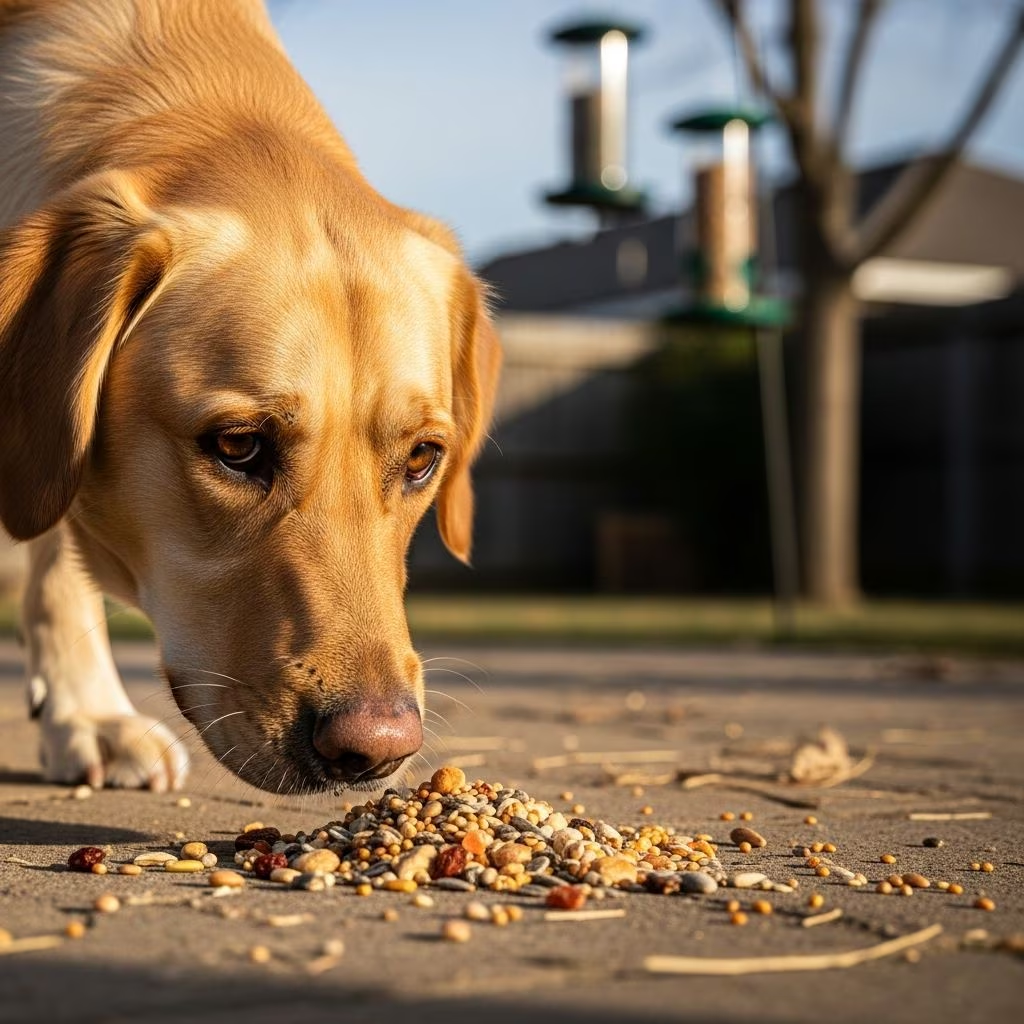
Many pet owners maintain bird feeders in their yards to attract wildlife and enjoy nature from their homes. However, few realize that the very treat meant for feathered visitors can pose unexpected hazards to their canine companions. While a small taste of fresh birdseed may not cause immediate harm, the potential complications from larger consumption warrant careful attention from dog owners. Understanding the specific dangers associated with birdseed consumption allows pet guardians to make informed decisions about yard safety and emergency response protocols.
When Small Amounts Become Problematic
The amount of birdseed a dog consumes plays a critical role in determining whether health complications will develop. Fresh birdseed consumed in minimal quantities—typically comparable to a small handful—generally passes through a dog’s digestive system without incident. However, this threshold is easily exceeded when dogs discover a spilled feeder or gain access to stored seed containers. The palatability of many birdseed varieties, particularly those containing sunflower seeds and nuts, can encourage dogs to consume substantially larger quantities than intended.
The distinction between “safe” and “problematic” consumption amounts depends on several factors, including the dog’s size, overall digestive health, and the specific composition of the seed mix. Smaller dogs face greater risk from equivalent amounts due to their reduced digestive capacity, while larger breeds may tolerate modest quantities more readily. This variation underscores why veterinary consultation remains essential when any significant birdseed consumption occurs.
Gastrointestinal Obstruction: A Serious Consequence
One of the most dangerous outcomes from substantial birdseed consumption is gastrointestinal obstruction. When dogs consume large quantities of seed rapidly—a behavior common to many canines when discovering an appealing food source—the accumulated material can create blockages within the intestinal tract. This condition mimics the complications that arise when dogs ingest inappropriate objects such as toys or bones.
The signs of potential obstruction include:
- Persistent vomiting or retching
- Loss of appetite or complete refusal to eat
- Abdominal tenderness or visible discomfort when touched
- Constipation or inability to defecate normally
- Lethargy and reduced activity levels
- Excessive drooling
Veterinary intervention becomes critical when obstruction is suspected, as the condition can necessitate hospitalization for monitoring and potentially emergency surgical procedures to remove the blockage. Early recognition of these symptoms significantly improves outcomes and reduces the need for invasive treatment.
Fermentation and Bloating Complications
A distinct concern from simple obstruction is the fermentation process that can occur when birdseed accumulates in a dog’s stomach. Unlike obstruction, which results from physical blockage, fermentation involves the decomposition of seed material, generating gas and causing abdominal distension. This condition develops gradually and can escalate rapidly to become a genuine emergency.
Bloating—also known as gastric dilatation-volvulus in severe cases—represents a medical emergency requiring immediate professional intervention. Dogs experiencing this condition display characteristic symptoms:
- Visibly swollen or distended abdomen
- Acute abdominal pain or restlessness
- Rapid or labored breathing
- Unproductive attempts to vomit
- Pale gums or mucous membranes
- General signs of distress or anxiety
The dangerous aspect of fermentation-induced bloating is its potential to progress rapidly without intervention. Unlike simple indigestion, this condition can compromise blood circulation and cause organ damage within hours. Any dog exhibiting these symptoms after birdseed consumption requires emergency veterinary care immediately.
Mold Contamination and Aflatoxin Exposure
Perhaps the most insidious risk associated with birdseed relates to mold contamination and the toxic compounds it produces. Birdseed stored in damp conditions or left exposed to weather develops mold growth readily. Ground-level seeds beneath feeders are particularly susceptible to moisture accumulation, fungal proliferation, and mycotoxin generation.
Aflatoxins represent the primary concern among mycotoxins found in contaminated seed. These toxic compounds develop naturally when certain molds colonize grain and seed products, particularly those containing corn or peanuts. The U.S. Food and Drug Administration recognizes aflatoxins as serious contaminants capable of causing illness and even death in animal populations at sufficient concentrations.
Health Effects of Aflatoxin Poisoning in Dogs
When dogs consume aflatoxin-contaminated birdseed, the resulting poisoning primarily affects liver function. Initial symptoms may include:
- Marked lethargy and reduced activity
- Loss of appetite or decreased food intake
- Vomiting or regurgitation
- Diarrhea
- Jaundice (yellowing of eyes, gums, or skin)
- Abdominal pain
Critically, some dogs suffer significant liver damage from aflatoxin exposure without displaying any outward symptoms until the disease has progressed considerably. This asymptomatic progression makes prevention through proper birdseed storage and spoilage detection crucial for protecting canine health.
Bacterial Contamination From Environmental Sources
Dogs that consume birdseed from ground level beneath feeders inevitably encounter bird feces deposited in the same area. Bird droppings harbor numerous pathogenic bacteria and parasites capable of establishing infections in dogs, with Salmonella and Campylobacter representing the most frequently documented pathogens.
Bacterial infections from contaminated birdseed typically manifest as gastrointestinal illness, producing:
- Severe diarrhea, occasionally bloody
- Persistent vomiting
- Fever
- Loss of appetite
- Abdominal cramping or pain
While some bacterial infections resolve independently as a dog’s immune system mounts defense, others require antimicrobial treatment. Immunocompromised dogs, puppies, and senior dogs face elevated risk of serious complications from these infections. Veterinary testing may be necessary to identify the specific pathogen and select appropriate treatment.
Specific Toxic Ingredients in Seed Mixtures
Beyond mold toxins and bacterial contamination, certain birdseed mixtures contain ingredients directly toxic to dogs. Many commercial birdseed blends incorporate raisins or sultanas (dried grapes) as nutritional additives for birds. These dried fruits, however, represent substances known to cause severe kidney damage in dogs, potentially leading to acute kidney failure.
The mechanisms underlying grape and raisin toxicity in dogs remain incompletely understood, but the danger is well-established through veterinary literature and clinical case reports. Even small quantities of these ingredients can trigger severe reactions in susceptible individuals. Pet owners should carefully examine birdseed mixture labels and avoid products containing dried fruits, selecting seed blends formulated without these hazardous additions.
Risk Stratification: Understanding Your Dog’s Individual Vulnerability
| Risk Factor | High-Risk Dogs | Low-Risk Dogs |
|---|---|---|
| Body Size | Small breeds (under 15 lbs) | Large breeds (over 50 lbs) |
| Age Category | Puppies and seniors | Adult dogs (3-7 years) |
| Health Status | Existing GI issues or liver disease | Otherwise healthy |
| Dietary Sensitivity | Known food sensitivities | Robust digestive system |
| Immune Function | Immunocompromised | Normal immune function |
Prevention Strategies for Responsible Pet Ownership
Protecting dogs from birdseed-related health complications requires proactive management of yard environments and storage practices. The following approaches substantially reduce risk:
Feeder Management
- Position bird feeders in elevated locations inaccessible to dogs
- Use enclosed feeders that prevent seed scatter
- Regularly sweep and remove fallen seed from ground areas
- Install barriers or fencing to restrict dog access to feeder zones
Storage and Quality Control
- Store birdseed in sealed, moisture-proof containers
- Maintain storage areas in cool, dry locations away from humidity
- Inspect seed regularly for visible mold growth or off odors
- Discard any seed showing signs of spoilage or contamination
- Rotate stock regularly, using older seed first
Product Selection
- Purchase seed blends explicitly free of grapes, raisins, or dried fruits
- Choose reputable brands with quality control standards
- Avoid bulk purchases that may deteriorate before use
Emergency Response and When to Contact Veterinary Care
Immediate veterinary consultation is warranted if a dog exhibits any of the following scenarios after birdseed consumption:
- Consumption of moldy or visibly contaminated seed
- Ingestion of seed containing visible raisins or dried fruit
- Large quantity consumption (more than a handful relative to body size)
- Onset of vomiting, retching, or inability to keep food down
- Visible abdominal swelling or obvious pain
- Difficulty breathing or signs of respiratory distress
- Jaundice or yellowing of mucous membranes
- Lethargy lasting more than a few hours
- Diarrhea lasting more than 24 hours
When contacting veterinary services, provide specific information about the seed type, quantity consumed if known, and time of consumption. This information assists the veterinarian in determining appropriate diagnostic testing and treatment protocols.
Frequently Asked Questions
Can my dog get sick from eating a small amount of fresh birdseed?
Small quantities of fresh, uncontaminated birdseed typically do not cause illness in most dogs. However, individual variation exists, and monitoring for any signs of gastrointestinal upset remains prudent even with minimal consumption.
How can I tell if birdseed has become moldy?
Moldy birdseed may display visible fuzzy growth, discoloration, or clumping. Additionally, contaminated seed often produces musty or unpleasant odors. When in doubt, discard the seed rather than risk potential toxin exposure.
What should I do if my dog ate moldy birdseed?
Contact your veterinarian immediately. Moldy seed poses serious toxin exposure risk, and professional evaluation helps determine whether monitoring or specific treatment is necessary.
Are certain dog breeds more susceptible to birdseed complications?
While specific breed predispositions to birdseed toxins haven’t been extensively documented, smaller breeds experience greater risk from equivalent quantities due to their reduced digestive capacity relative to body size.
Is it ever safe to intentionally feed birdseed to my dog?
While extremely small quantities of fresh seed won’t cause harm, birdseed offers no nutritional advantage to dogs and carries unnecessary risks. Dogs have specific dietary requirements best met through formulated canine food.
Conclusion: Prioritizing Canine Health Through Prevention
Although small quantities of fresh birdseed may not cause immediate harm, the range of potential complications—from gastrointestinal obstruction to aflatoxin poisoning—justifies a cautious approach. By implementing proper feeder management, maintaining vigilant storage practices, and recognizing warning symptoms, pet owners can effectively protect their dogs from birdseed-related hazards. The combination of prevention and rapid response to warning signs ensures that canine companions remain safe while homeowners enjoy the pleasure of maintaining bird feeders in their yards.
References
- Is it OK for dogs to eat birdseed? — Fetch Pet Insurance. Accessed January 2026. https://www.fetchpet.com/the-dig/hazards-of-dogs-eating-birdseed
- Dog Ate Birdseed: Is It Poisonous? — American Kennel Club. Accessed January 2026. https://www.akc.org/expert-advice/health/dog-ate-birdseed-poisonous/
- What Happens If Dogs Eat Bird Food: Understanding the Risks and Safety Measures — Houndsy. Accessed January 2026. https://www.houndsy.com/blogs/modern-tails/what-happens-if-dogs-eat-bird-food-understanding-the-risks-and-safety-measures
- Is Bird Seed Bad for Dogs? — Really Wild Bird Food. October 2022. https://www.reallywildbirdfood.co.uk/news/post/2022/10/17/is-bird-seed-bad-for-dogs
- Why dogs shouldn’t eat bird seed on the ground — Bird Watching Daily. Accessed January 2026. https://www.birdwatchingdaily.com/beginners/birding-faq/why-dogs-shouldnt-eat-bird-seed/



