

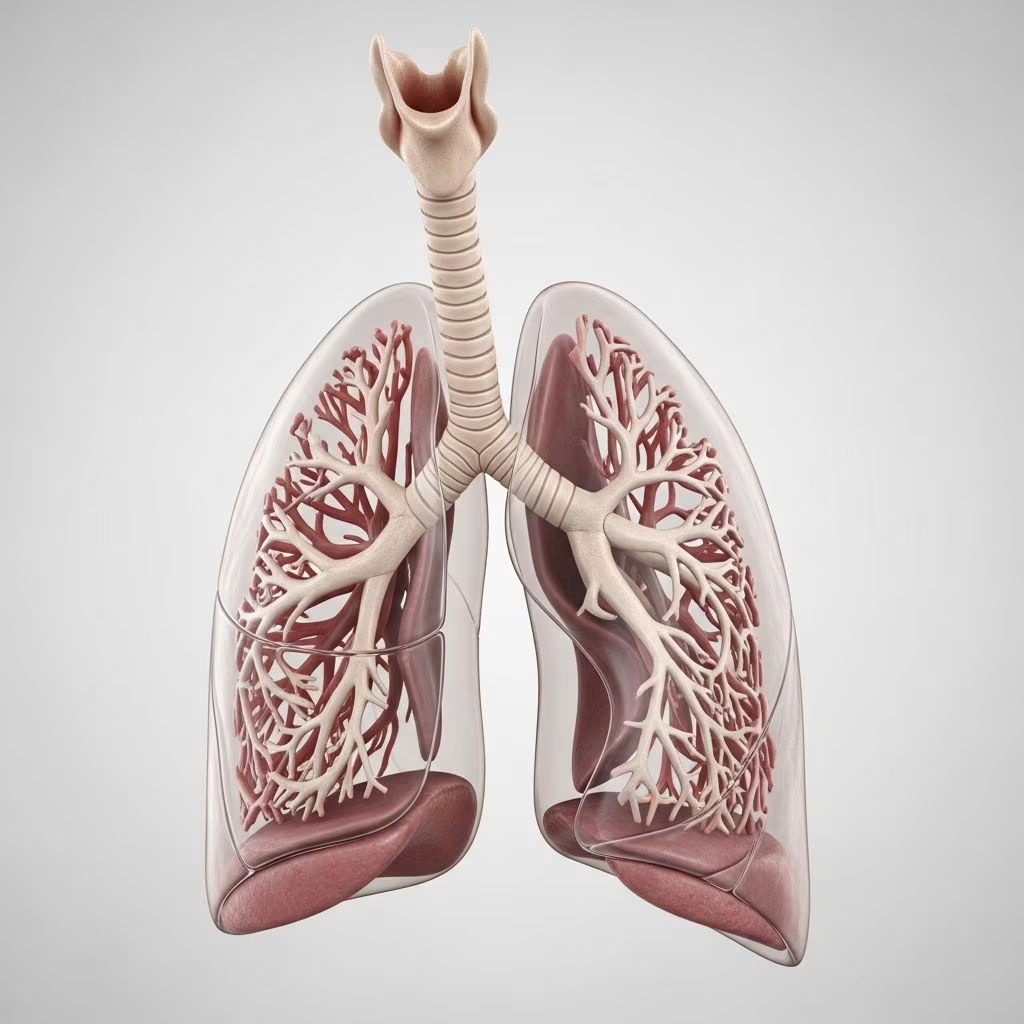
The canine respiratory system is a vital network responsible for oxygen intake, carbon dioxide expulsion, and additional roles like temperature control. Understanding its components helps owners recognize health issues early.
Overview of Dog Breathing Mechanics
Dogs rely on their respiratory system not just for survival but also for cooling their bodies since they lack effective sweat glands. Air enters through the nose or mouth, travels through structured pathways, and reaches the lungs for gas exchange. This process involves upper and lower airways working in harmony.
Key Components of the Upper Respiratory Tract
The upper respiratory tract serves as the entry point, filtering and conditioning incoming air. It includes:
- Nasal Passages: Lined with cilia and mucus, these trap particles, warm, and humidify air. They also enable olfaction.
- Nasopharynx: Connects nasal cavity to larynx, passing air near tonsils for immune defense.
- Larynx: Protects trachea entry, regulates airflow via epiglottis, and produces sounds like barking through vocal folds.
These structures ensure air is clean and suitable before deeper entry, preventing irritation to sensitive lung tissues.
Structure of the Lower Respiratory Tract
Once past the larynx, air enters the trachea, which branches into bronchi. Key elements include:
- Trachea: A flexible tube reinforced by cartilage rings, lined with cilia to expel debris via coughing.
- Bronchi and Bronchioles: Branching tubes decreasing in size, leading to alveoli. Bronchi maintain shape with cartilage.
- Lungs: Paired organs with lobes (right lung has four: cranial, middle, caudal, accessory). They occupy the chest cavity, separated by the diaphragm.
The right lung’s accessory lobe is unique to dogs, aiding efficient expansion.
How Gas Exchange Occurs in Alveoli
Alveoli are tiny sacs at airway ends with thin walls for diffusion. Oxygen passes into blood capillaries, while carbon dioxide moves out. This exchange sustains cellular energy production.
| Component | Role in Gas Exchange |
|---|---|
| Alveolar Membrane | One-cell-thick barrier for O2/CO2 diffusion |
| Capillaries | Transport gases to/from body tissues |
| Diaphragm | Drives inhalation/expiration |
Efficient exchange prevents hypoxia; disruptions lead to distress.
Beyond Breathing: Thermoregulation and Other Roles
Dogs pant to evaporate moisture from tongue and airways, dissipating heat. The system also filters emboli, metabolizes substances like prostaglandins, and maintains acid-base balance.
- Panting Mechanism: Increases airflow over moist surfaces for evaporative cooling.
- Immune Functions: Mucus and cilia trap pathogens; tonsils trigger defenses.
- Vocalization: Larynx modulates sounds for communication.
Common Respiratory Disorders in Dogs
Issues range from infections to structural problems. Awareness aids prompt intervention.
Infectious Diseases
Viruses like canine influenza target airways, causing coughs and pneumonia. Bacterial infections often follow.
Obstructive Conditions
Brachycephalic breeds suffer from narrowed nostrils or elongated soft palates, impeding airflow.
Fluid Accumulation Issues
Pleural effusion compresses lungs, reducing expansion. Causes include heart failure or trauma.
| Disorder | Symptoms | Breeds at Risk |
|---|---|---|
| Kennel Cough | Dry cough, retching | All, especially boarded dogs |
| Pneumonia | Fever, lethargy, rapid breathing | Puppies, seniors |
| Tracheal Collapse | Honking cough, collapse | Small breeds like Yorkies |
Recognizing Signs of Respiratory Distress
Watch for rapid/shallow breathing, blue gums, extended head/neck posture, or wheezing. Emergency signs include open-mouth breathing at rest or collapse.
- Normal rate: 10-30 breaths/min at rest.
- Effortless, quiet breathing is ideal.
Veterinary Diagnostics and Treatments
Vets use radiographs, endoscopy, blood gases for assessment. Treatments vary:
- Medications: Bronchodilators, antibiotics, anti-inflammatories.
- Surgery: For collapses or obstructions.
- Oxygen Therapy: Stabilizes critical cases.
Early diagnosis improves outcomes significantly.
Preventive Care for Respiratory Wellness
Proactive steps reduce risks:
- Vaccinate against bordetella, distemper.
- Avoid smoke, pollutants.
- Maintain healthy weight to ease breathing.
- Regular check-ups for at-risk breeds.
Clean environments and prompt grooming prevent irritant buildup.
Breeds Prone to Respiratory Challenges
Short-nosed breeds like Bulldogs, Pugs face chronic issues due to anatomy. Small dogs risk tracheal issues; large breeds may develop laryngeal paralysis.
FAQs on Canine Respiratory Health
Q: How often should I monitor my dog’s breathing?
A: Check daily at rest; note changes immediately.
Q: Can diet affect respiratory health?
A: Yes, obesity strains lungs; balanced nutrition helps.
Q: Is panting always overheating?
A: Often, but stress or pain can trigger it too.
Q: When to see a vet for coughing?
A: If persistent, with lethargy, or blood.
Q: Do supplements aid lung function?
A: Omega-3s may reduce inflammation; consult vet.
Daily Habits for Optimal Lung Function
Incorporate walks in fresh air, hydration for mucus clearance, and stress reduction. Monitor during heatwaves, as panting alone limits cooling.
Understanding this system empowers owners to safeguard their pets’ vitality.
References
- Structure and Function of the Respiratory Tract in Dogs — PetPlace.com. Accessed 2026. https://www.petplace.com/article/dogs/pet-health/structure-and-function-of-the-respiratory-tract-in-dogs
- Anatomy of the Canine Respiratory System — EasyAnatomy. Accessed 2026. https://easy-anatomy.com/anatomy-of-the-canine-respiratory-system/
- The Respiratory System of Dogs and Cats — Manorswood Veterinary Clinic. Accessed 2026. https://manorswoodvet.co.za/the-respiratory-system-of-dogs-and-cats/
- The Respiratory System in Animals — Merck Veterinary Manual. 2023. https://www.merckvetmanual.com/respiratory-system/respiratory-system-introduction/the-respiratory-system-in-animals
- Cat and Dog Anatomy — WSU Veterinary Teaching Hospital. 2022-01-04. https://hospital.vetmed.wsu.edu/2022/01/04/cat-and-dog-anatomy/
- Introduction to Lung and Airway Disorders of Dogs — Merck Veterinary Manual. Accessed 2026. https://www.merckvetmanual.com/dog-owners/lung-and-airway-disorders-of-dogs/introduction-to-lung-and-airway-disorders-of-dogs



