Canine Respiratory Issues Guide
Essential insights on spotting, managing, and preventing breathing problems in dogs for worried pet owners.
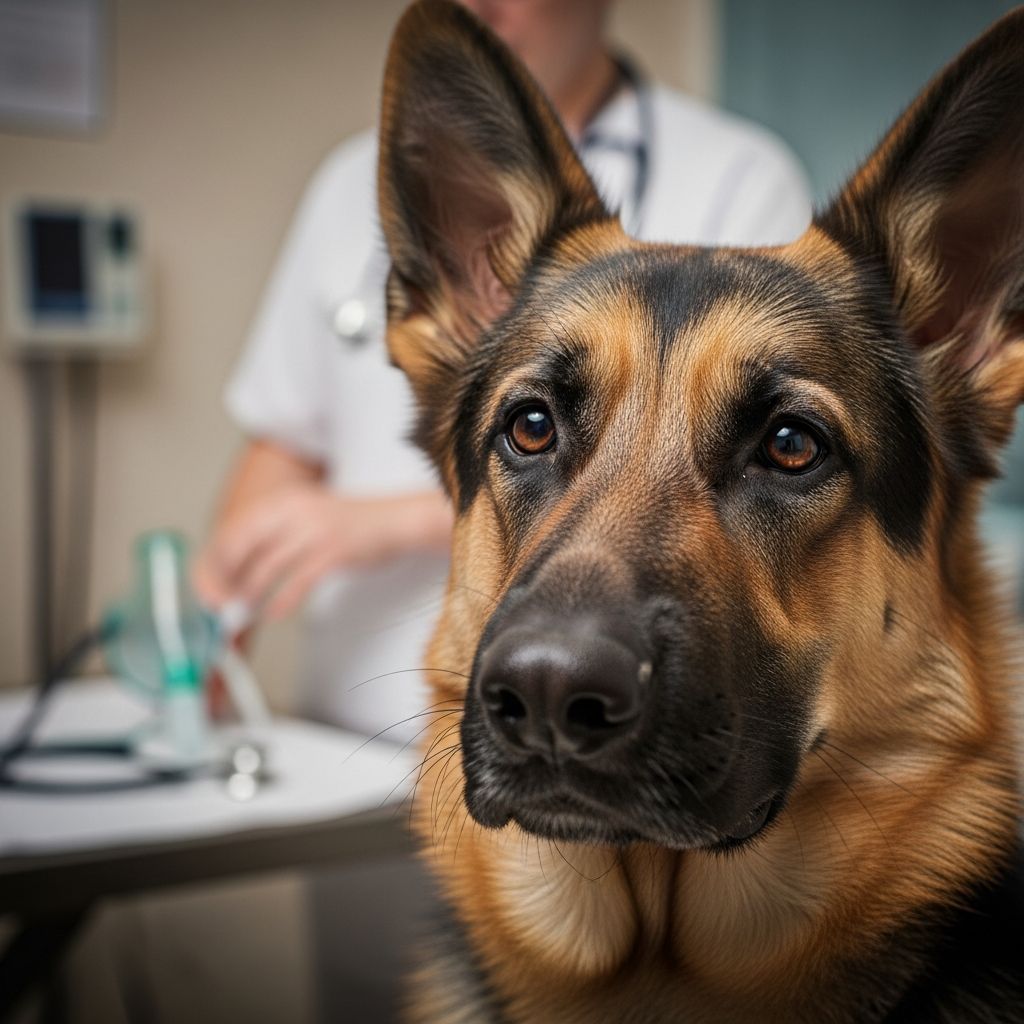
Dogs can develop various respiratory problems that affect their breathing, energy levels, and overall well-being. These conditions range from mild infections to severe illnesses requiring immediate veterinary attention. Understanding the signs, causes, and management options empowers owners to act swiftly and support recovery.
Recognizing Early Warning Signs
Spotting respiratory distress early can prevent complications. Common indicators include persistent coughing, which might sound dry and hacking or produce mucus. Sneezing often accompanies nasal discharge that can be clear, yellow, or green, signaling irritation or infection.
- Coughing patterns: Frequent, worsens with activity, may expel foam or phlegm.
- Nasal and eye issues: Runny nose, watery eyes, or crusty buildup.
- Breathing changes: Rapid, shallow breaths, wheezing, or open-mouth panting.
- Behavioral shifts: Lethargy, reduced appetite, fever above 103°F.
These symptoms overlap across many respiratory conditions, making veterinary diagnosis essential.
Primary Causes of Breathing Difficulties
Respiratory issues in dogs stem from infectious agents, environmental factors, or underlying diseases. Viral pathogens like canine influenza (dog flu) spread rapidly in group settings, causing flu-like symptoms including fever and discharge. Bacterial involvement often complicates viral cases, leading to pneumonia.
Kennel cough, or canine infectious respiratory disease complex, involves multiple pathogens such as Bordetella. It thrives in kennels, parks, and shelters. Allergens like pollen or dust provoke sneezing and coughing in sensitive dogs, while heartworm disease damages lungs over time.
| Condition | Main Causes | Contagion Risk |
|---|---|---|
| Dog Flu | Virus (CIV) | High |
| Kennel Cough | Bacteria/Viruses (Bordetella) | Very High |
| Pneumonia | Secondary bacterial | Moderate |
| Allergies | Environmental | None |
Recent outbreaks highlight novel pathogens resistant to standard treatments, emphasizing the need for vigilance.
Diagnosis: What Vets Do Next
When symptoms appear, vets perform physical exams, listen to lung sounds, and may order chest X-rays to detect pneumonia or fluid buildup. Blood tests identify infections or inflammation, while swabs test for specific viruses or bacteria.
In severe cases, oxygen levels are monitored, and cultures guide antibiotic selection. Early intervention prevents progression to chronic issues like bronchitis.
Treatment Strategies for Recovery
Treatment focuses on the cause and symptom relief. Viral infections receive supportive care: rest, hydration, and humidified air to loosen mucus. Bacterial cases require antibiotics like doxycycline or Clavamox, prescribed after confirmation.
- Supportive measures: IV fluids in hospital, cough suppressants, nebulizers.
- Home care: Steam from showers, humidifiers, isolation from other dogs.
- Nutrition boost: Broths, vitamin C-rich foods like berries for immunity.
Most mild cases resolve in 1-3 weeks with rest and monitoring. Severe pneumonia may need hospitalization. Natural aids like Manuka honey soothe throats but consult vets first.
Supportive Home Remedies
Complement vet care with safe home strategies. Ensure constant fresh water access to combat dehydration from fever or poor eating. Low-sodium bone broth encourages intake and provides electrolytes.
Steam therapy—run a hot shower and let your dog sit nearby—eases congestion without direct water exposure. Herbal supports like echinacea may enhance immunity, but dosage must match dog size. Avoid over-the-counter human meds, as they can harm dogs.
Pro Tip: Monitor temperature rectally; anything over 103°F warrants immediate vet contact.
Prevention: Building a Strong Defense
Proactive steps reduce risk significantly. Core vaccines target Bordetella and canine influenza, especially for social dogs. Heartworm preventives protect lungs year-round.
- Vaccination schedule: Consult vet for lifestyle-tailored boosters.
- Hygiene practices: Avoid crowded areas during outbreaks, quarantine sick dogs.
- Environment control: Air purifiers for allergens, regular cleaning.
- Health foundation: Balanced diet, exercise for robust immunity.
Track local outbreaks via reliable sources like veterinary associations.
When to Rush to the Vet
Not all coughs need alarm, but escalating signs demand action. Seek care if breathing labors, gums pale/blue, appetite vanishes for 24+ hours, or lethargy persists. Puppies, seniors, and those with pre-existing conditions face higher risks.
Chronic coughs may signal deeper issues like collapsing trachea or tumors—don’t delay diagnostics.
Long-Term Management for Chronic Cases
Some dogs develop ongoing bronchitis or post-infection damage. Management includes weight control, harnesses over collars, and ongoing meds. Regular vet check-ups monitor progress.
FAQs on Dog Respiratory Health
How long do most respiratory infections last?
Typically 1-3 weeks with proper care, though some linger longer.
Can dogs recover without antibiotics?
Yes, for viral cases via supportive care; bacteria need antibiotics.
Is dog flu fatal?
Rarely, but complications like pneumonia raise risks in vulnerable dogs.
How contagious is kennel cough?
Highly, via air or contact; isolate promptly.
Should I vaccinate for Bordetella?
Yes, if boarding, grooming, or park visits are routine.
Nutritional Support for Respiratory Resilience
A whole-food diet bolsters immunity against infections. Include omega-3s from fish oil for anti-inflammatory effects, antioxidants from blueberries, and probiotics for gut-lung axis health. Avoid processed kibble high in carbs that weaken defenses.
During illness, small frequent meals of boiled chicken, rice, and veggies maintain strength without taxing digestion.
Breeds at Higher Risk
Brachycephalic breeds like Pugs and Bulldogs face amplified challenges due to short airways. Small breeds suffer collapsing tracheas more often. Tailor care to breed predispositions.
References
- Respiratory Infection In Dogs: Symptoms & Management — Dogs Naturally Magazine. 2023. https://www.dogsnaturallymagazine.com/5-ways-to-manage-respiratory-infection-in-dogs/
- What Dog Owners Need to Know About Canine Respiratory Infections — American Animal Hospital Association (AAHA). 2024. https://www.aaha.org/resources/what-dog-owners-need-to-know-about-canine-respiratory-infections/
- Dog Flu (Canine Influenza): Symptoms and Treatment — PetMD. 2024. https://www.petmd.com/dog/conditions/respiratory/dog-flu-canine-influenza-dogs
- Canine Respiratory Disease on the Rise | Symptoms and Prevention — Woodbridge Veterinary Group. 2023. https://woodbridgevetgroup.com/news/canine-respiratory-disease-symptoms-prevention
- Dog Respiratory Illness: Recognizing Symptoms and Seeking Care — Lane Veterinary. 2024. https://lanevet.com/blog/dog-respiratory-illness/
- Canine respiratory disease outbreaks — Cornell University College of Veterinary Medicine. 2024. https://www.vet.cornell.edu/departments-centers-and-institutes/riney-canine-health-center/canine-health-topics/canine-respiratory-disease-outbreaks
- Canine infectious respiratory disease complex (Kennel cough) — American Veterinary Medical Association (AVMA). 2024. https://www.avma.org/resources-tools/pet-owners/petcare/canine-infectious-respiratory-disease-complex-kennel-cough
Similar Articles








Read full bio of Sneha Tete