

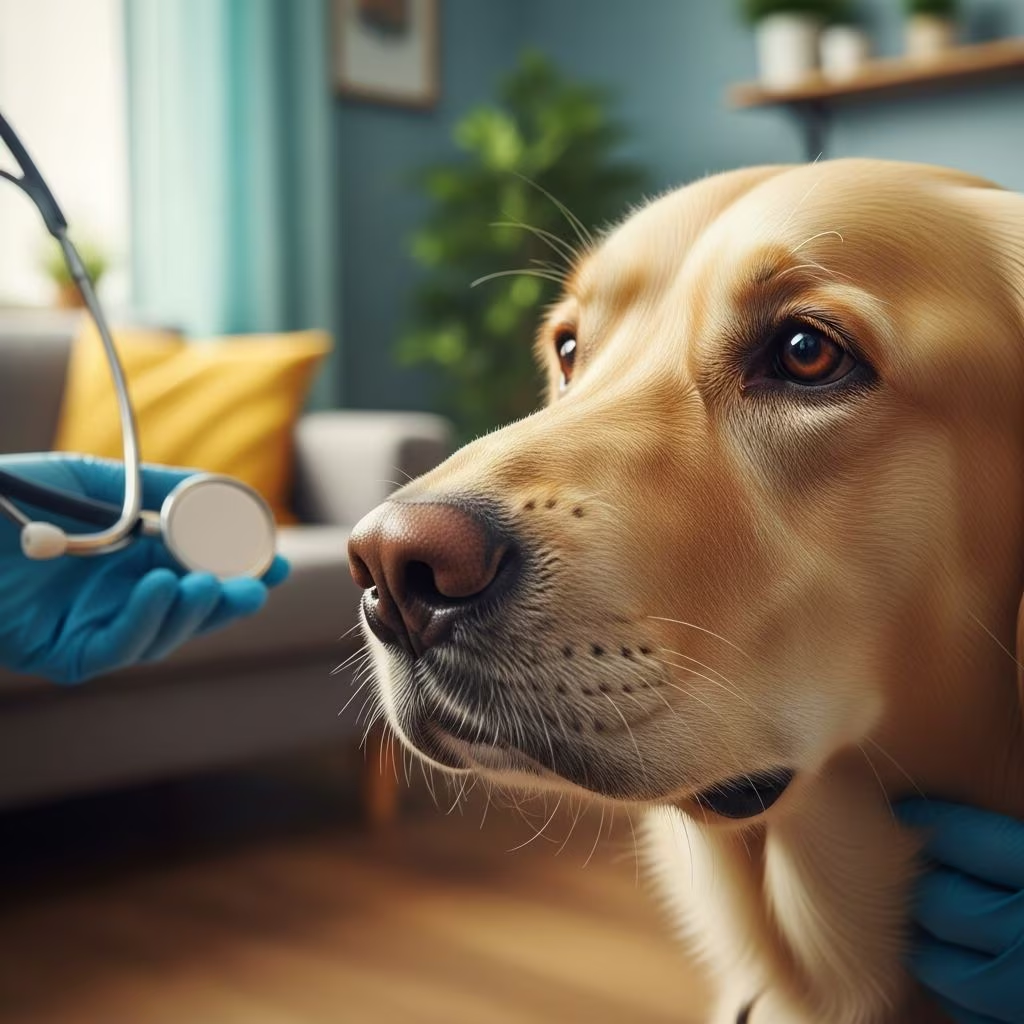
Kennel cough represents one of the most common respiratory conditions affecting dogs worldwide, particularly those in high-density environments. Known medically as canine infectious respiratory disease complex (CIRDC), this contagious condition can develop rapidly and spread among susceptible animals. Understanding the nature of this illness, recognizing its symptoms, and knowing how to respond with appropriate care or medical intervention are essential skills for any dog owner. This comprehensive guide explores the multifaceted approach to managing and preventing this prevalent canine health concern.
Understanding Kennel Cough and Its Causes
Kennel cough encompasses a range of viral and bacterial pathogens that compromise the respiratory system of dogs. The condition derives its common name from its frequent occurrence in kennels and other congregate settings where dogs spend extended periods in close proximity. However, the disease can develop anywhere dogs gather, including dog parks, grooming facilities, veterinary offices, and training centers.
The primary bacterial culprit responsible for many kennel cough cases is Bordetella bronchiseptica, though viral agents such as parainfluenza virus, canine adenovirus type 2, and canine influenza virus also contribute significantly to CIRDC development. Often, multiple pathogens work synergistically, making the infection more severe and prolonging recovery times compared to single-pathogen cases.
Transmission occurs through airborne respiratory droplets when infected dogs cough, sneeze, or engage in nose-to-nose contact with susceptible animals. The disease can also spread indirectly through contaminated objects such as food bowls, water dishes, bedding, crates, and clothing. Environmental factors including poor ventilation, high stress levels, overcrowding, and temperature fluctuations create ideal conditions for rapid disease transmission and establishment.
Recognizing Symptoms and Clinical Presentation
Identifying kennel cough early allows for prompt intervention and containment of the infection. The condition typically manifests several days after exposure to infected animals or contaminated environments.
The characteristic presentation includes:
- A distinctive dry, honking cough that sounds like a goose call or seal bark
- Sneezing and mild nasal discharge
- Lethargy and general fatigue
- Decreased appetite
- In severe cases, fever and labored breathing requiring closer veterinary supervision
Most affected dogs maintain relatively normal activity levels and appetites despite the cough, distinguishing kennel cough from more serious respiratory conditions. However, certain dogs—particularly puppies, seniors, and those with underlying health conditions—may experience more pronounced symptoms and require intensive supportive care.
The cough often worsens with excitement, exercise, or when pressure is applied to the trachea (such as when pulling on a leash). Some dogs may have brief gagging episodes or produce small amounts of clear mucus when coughing intensely.
Treatment Approaches for Infected Dogs
Treatment strategies for kennel cough vary depending on disease severity, the dog’s overall health status, and the presence of secondary complications. Most dogs recover naturally within one to three weeks with supportive care alone, and many cases resolve without intervention in 10 to 14 days. However, veterinary guidance remains important to exclude other serious conditions and determine appropriate interventions.
Supportive Care Fundamentals
The foundation of kennel cough management centers on creating a comfortable recovery environment and minimizing stress on the respiratory system:
- Restrict vigorous activity and excitement that may trigger coughing episodes
- Switch from collar-based leashes to body harnesses to eliminate pressure on the trachea
- Employ a cool-mist humidifier or allow the dog to spend time in a steamy bathroom to moisturize airways and ease irritation
- Ensure easy access to fresh water and soft, palatable food to maintain hydration and nutrition
- Isolate the infected dog from other animals to prevent disease transmission
Nebulization with sterile saline solution offers additional respiratory support, particularly for dogs with persistent coughs. Using a nebulizer for approximately 10 minutes twice daily helps maintain airway moisture and promotes mucus clearance.
Pharmaceutical Interventions
Cough suppressants may be prescribed when the cough is severe enough to disrupt sleep or cause significant discomfort. These medications provide symptomatic relief but require careful use, as they can mask underlying complications. Cough suppressants should only be administered under veterinary supervision and are not typically recommended as first-line treatment for uncomplicated kennel cough.
Anti-inflammatory medications reduce swelling in the airways, alleviating throat irritation and promoting easier breathing. These agents can significantly improve comfort during the acute phase of illness.
Antibiotics are reserved for dogs showing signs of bacterial infection or those progressing toward secondary pneumonia. Common antibiotic choices include doxycycline and trimethoprim-sulfa, selected either based on culture results or empirically for common bacterial pathogens. Dogs exhibiting green-yellow nasal discharge, fever, loss of appetite, or increased lethargy are candidates for antibiotic therapy.
Advanced Care for Severe Cases
Dogs presenting with fever, significant appetite loss, increased respiratory effort, or signs of secondary pneumonia require closer monitoring and may need hospitalization. Intensive care measures include intravenous fluid therapy, nebulization treatments, oxygen supplementation, and continuous monitoring to prevent respiratory failure.
Vaccination: The Foundation of Prevention
Vaccination represents the most effective strategy for preventing kennel cough and reducing disease severity if infection occurs. Multiple vaccine formulations provide protection against the various pathogens comprising CIRDC.
Available Vaccine Types
Three primary vaccine delivery methods offer different advantages in terms of protection speed and immunity duration:
| Vaccine Type | Administration Route | Protection Timeline | Frequency |
|---|---|---|---|
| Intranasal | Nasal spray | Faster immunity development | Annual or biennial boosters |
| Oral | By mouth | Faster immunity development | Annual or biennial boosters |
| Injectable | Subcutaneous injection | Slower immunity development | Annual or biennial boosters |
The Bordetella vaccine specifically targets Bordetella bronchiseptica, one of the primary bacterial causes of kennel cough. However, this vaccine alone does not provide complete protection against all CIRDC-causing organisms. Comprehensive protection requires combining the Bordetella vaccine with core vaccines addressing parainfluenza virus and canine adenovirus type 2.
Many boarding facilities, daycare centers, and training programs require proof of current Bordetella vaccination as a condition of admission. Vaccination with intranasal or oral formulations typically provides faster immunity development compared to injectable versions, making them preferable when vaccination must occur shortly before potential exposure.
Vaccination Scheduling and Booster Protocols
Initial vaccination should begin at 6 to 8 weeks of age, with doses repeated at 3 to 4-week intervals until the puppy reaches 14 to 16 weeks old. Dogs frequently exposed to high-risk environments such as kennels or dog parks may benefit from booster vaccinations every 6 to 12 months, whereas dogs with limited exposure to congregate settings typically require annual or biennial boosters.
To maximize protection before boarding, training, or daycare attendance, schedule vaccinations at least one to two weeks prior to exposure. This timing allows sufficient immune response development before the dog encounters potentially infected animals.
It is important to recognize that vaccination does not guarantee immunity against kennel cough; rather, it enhances the dog’s immune response to fight potential infection. Vaccinated dogs who do contract CIRDC typically experience milder symptoms, shorter illness duration, and reduced risk of secondary pneumonia compared to unvaccinated animals.
Environmental and Behavioral Prevention Strategies
Beyond vaccination, deliberate choices about environments and exposures significantly reduce kennel cough risk.
Facility Selection and Avoidance
When boarding or enrolling dogs in daycare, choose facilities demonstrating strong ventilation systems and appropriate staff-to-dog ratios. Facilities maintaining these standards typically experience lower disease transmission rates compared to overcrowded or poorly ventilated environments.
During local outbreaks of respiratory illness, avoid congregate indoor settings and keep puppies, senior dogs, and those with compromised immune systems away from high-risk venues. If avoidance is impossible, limit the duration of exposure and ensure vaccination is current.
Consider employing in-home pet-sitting services or in-home groomers as alternatives to facility-based care, particularly for vulnerable animals. This approach eliminates exposure to other dogs entirely while meeting the dog’s supervision and grooming needs.
Disease Containment and Hygiene Measures
If a dog becomes infected, isolation until at least two weeks after the last cough prevents transmission to susceptible animals. Dogs with kennel cough should be housed separately from other animals, and caregivers should employ appropriate hygiene practices including hand washing before and after handling infected dogs.
Disease-contaminated objects require special attention. Food and water dishes, crates, bedding, toys, and clothing used by infected dogs should be disinfected with common household disinfectants such as bleach. After attending dog shows or other events where exposure may have occurred, thoroughly disinfect all crates, bedding, and bowls.
During shows or congregate events, prevent dogs from engaging in nose-to-nose contact and prohibit sharing water sources to minimize transmission risk.
Environmental Remediation
If kennel cough establishes itself in a facility, the most effective approach involves clearing the facility for one to two weeks and thoroughly cleaning with disinfectants. This strategy eliminates the pathogenic agents from the environment and prevents ongoing transmission to newly introduced dogs.
Special Considerations for High-Risk Populations
Certain dogs face elevated risks of severe kennel cough or complications from infection. Puppies under 16 weeks old, senior dogs over 8 years old, and animals with underlying heart or lung disease require enhanced preventive measures. These vulnerable populations benefit from prioritized vaccination, minimized exposure to congregate environments, and prompt veterinary care if symptoms develop.
Dogs with compromised immune systems, those receiving chemotherapy, and animals with chronic health conditions warrant particularly careful management to prevent respiratory infection.
Frequently Asked Questions
How long does kennel cough last in dogs?
Most dogs clear kennel cough infection within 10 to 14 days with appropriate supportive care. Some cases may persist for several weeks, while others resolve more quickly. Distemper, though less common in vaccinated populations, can require weeks to months for complete resolution.
Can I treat kennel cough at home without veterinary care?
While many mild cases resolve with rest and supportive care, veterinary evaluation remains advisable to rule out serious conditions and determine if specific interventions are necessary. Home remedies alone have limited effectiveness, though supportive measures like humidification and activity restriction provide meaningful comfort.
Is kennel cough contagious to humans?
Kennel cough pathogens are species-specific and do not transmit to humans. However, good hygiene practices remain important to prevent cross-contamination between different dogs.
Can vaccinated dogs still get kennel cough?
Yes, vaccination reduces the risk but does not eliminate it. Vaccinated dogs exposed to CIRDC pathogens may develop milder disease compared to unvaccinated animals, experiencing shorter symptom duration and reduced pneumonia risk.
How often should my dog receive booster vaccinations?
Dogs with limited kennel exposure typically need annual or biennial boosters, while those frequently visiting kennels, dog parks, or other high-risk settings may benefit from boosters every 6 to 12 months.
Conclusion: A Proactive Approach to Respiratory Health
Kennel cough remains a manageable condition when owners implement comprehensive prevention strategies and respond appropriately to infection. Vaccination combined with judicious facility selection, attention to hygiene, and prompt veterinary care when symptoms develop create a multi-layered defense against this common canine illness. By understanding transmission patterns, recognizing early symptoms, and maintaining current vaccinations, dog owners can significantly reduce their pets’ risk of developing kennel cough while maintaining their quality of life and social opportunities.
References
- Kennel Cough in Dogs: Symptoms, Causes, and Treatment — PetMD. 2024. https://www.petmd.com/dog/conditions/respiratory/kennel-cough-dogs-what-are-symptoms-and-how-kennel-cough-treated
- Kennel Cough in Dogs: Prevention and Treatment — Mountain View Pet Veterinary. https://mtpetvet.com/kennel-cough-in-dogs-prevention-and-treatment/
- Kennel Cough in Dogs: Prevention and Treatment — Southern Arizona Veterinary Specialty & Emergency Center. https://southernazvets.com/kennel-cough-in-dogs-prevention-and-treatment/
- Kennel Cough in Dogs: Symptoms, Treatment and Prevention — The Veg Community. https://www.veg.com/post/kennel-cough-in-dogs
- Kennel Cough – Respiratory System — Merck Veterinary Manual. https://www.merckvetmanual.com/respiratory-system/respiratory-diseases-of-small-animals/kennel-cough
- Kennel Cough in Dogs: Symptoms, Treatments, Vaccine — Best Friends Animal Society. https://bestfriends.org/pet-care-resources/kennel-cough-dogs-symptoms-treatments-vaccine
- Kennel Cough: What to Know and How to Prevent It — Professional Rescue Club of Kansas City. https://prckc.org/blog/kennel-cough-what-to-know-and-how-to-prevent-it/
- Take Precautions to Prevent Kennel Cough — American Kennel Club. https://www.akc.org/expert-advice/dog-breeding/take-precautions-to-prevent-kennel-cough/



