

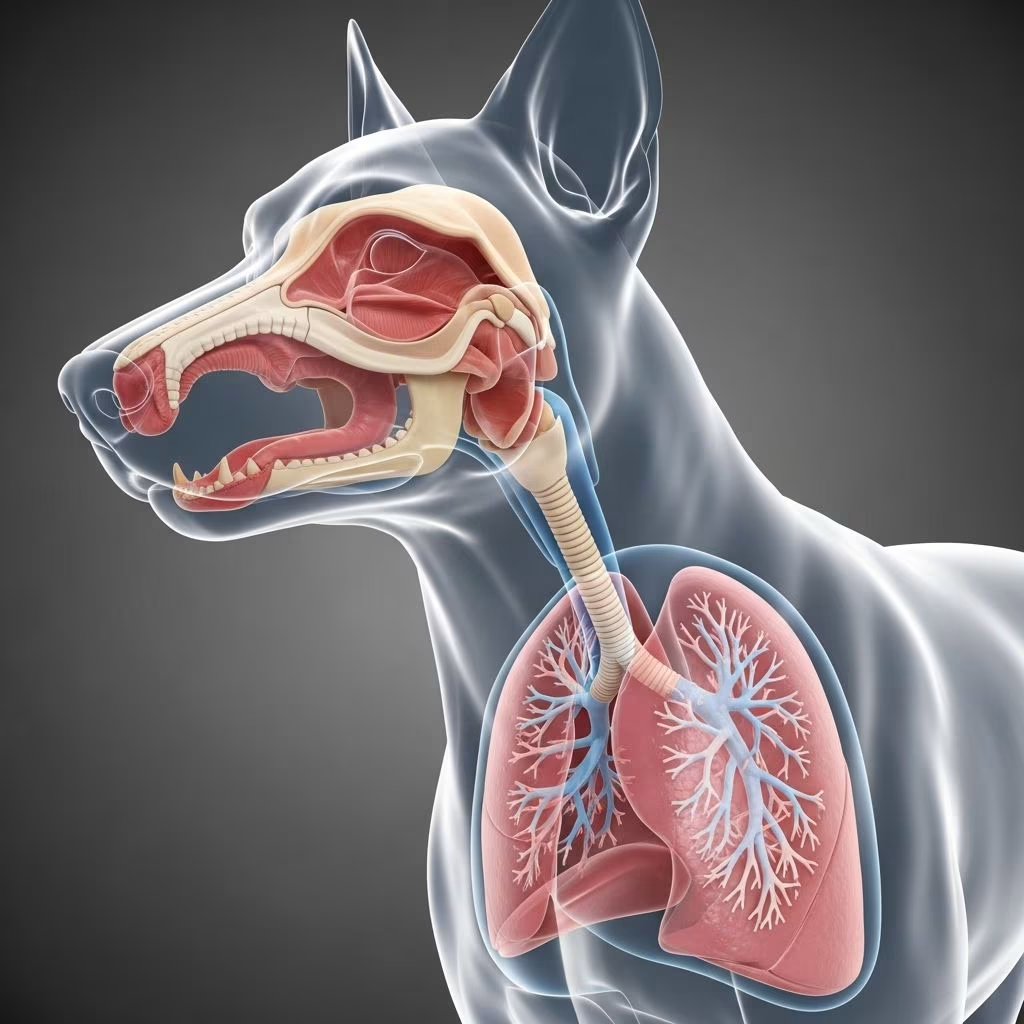
The respiratory system in dogs is a sophisticated network of organs and tissues that performs far more than just facilitating breathing. While many pet owners think of respiration simply as the process of inhaling and exhaling, the canine respiratory apparatus is responsible for multiple vital functions that sustain life and maintain overall health. Understanding how this system works helps dog owners recognize potential problems early and appreciate the complexity of their pet’s biology.
The Primary Mission: Gas Exchange and Oxygenation
At its core, the respiratory system’s fundamental purpose is straightforward yet essential: delivering oxygen to the bloodstream and removing carbon dioxide, a metabolic waste product. However, the mechanisms by which dogs accomplish this feat involve numerous specialized structures working in concert. Unlike humans, dogs cannot regulate body temperature through sweating, making their respiratory system doubly important for thermoregulation. When a dog becomes overheated, rapid breathing helps release excess warmth through the respiratory tract, which is why you often see dogs panting on hot days.
The exchange of these critical gases occurs in microscopic air sacs within the lungs called alveoli. These structures have extraordinarily thin membranes—just one cell layer thick—that allow oxygen to pass directly into the bloodstream while simultaneously allowing carbon dioxide to exit the blood and enter the air for exhalation. When this exchange process fails or becomes inefficient due to disease or obstruction, dogs can experience respiratory distress or failure, potentially leading to serious health complications.
Understanding the Pathway: Upper Airways
The journey of air through a dog’s body begins well before it reaches the lungs. The upper respiratory system encompasses the nose, sinuses, and pharynx, each playing distinct roles in preparing air for its descent into the lower airways.
The Nasal System and Initial Air Processing
When air enters through a dog’s nose, it encounters the first line of defense and preparation. The nasal cavity contains specialized turbinates that immediately begin warming and humidifying incoming air before it travels deeper into the respiratory tract. This crucial process prevents the lungs from being exposed to cold, dry air that could cause irritation or inflammation. Fine hair-like structures called cilia, along with mucus-producing cells lining the nasal cavity, work together to filter debris, dust, pollen, and other foreign particles from the air. The extensive blood supply in this area contributes significantly to the warming function, while moisture is added through evaporation of mucosal secretions.
Beyond these protective functions, the nasal cavity also serves as the sensory hub for smell. As air passes over the olfactory receptors in the posterior nasal region, dogs activate their remarkable sense of smell, which is exponentially more sensitive than humans. This is why dogs can detect disease, identify people, and navigate their world so effectively through scent.
The paranasal sinuses, structures adjacent to the nasal cavity, serve additional purposes including lightening the weight of the skull and acting as secondary sites for mucus production and heat exchange.
The Pharynx and Immune Defense
Air passes through the nasopharynx—the region connecting the nasal cavity to the larynx—where it encounters the tonsils, lymphoid tissues that are part of the immune system. These structures can activate defense mechanisms when foreign material or infectious agents are detected, providing an important checkpoint in the body’s immune response.
Understanding the Pathway: The Larynx and Vocal Production
The larynx, commonly known as the voice box, serves multiple critical functions beyond vocalization. This structure acts as a guardian of the airway, regulating both the inspiration and expiration of air. The larynx contains specialized valvular structures—the epiglottis and arytenoid cartilages—that work together to protect the airway and prevent aspiration of food into the lungs, a potentially dangerous occurrence.
The vocal folds contained within the larynx are responsible for producing the various sounds dogs make: barking, whining, and growling. The cricoid cartilage, the most caudal (lower) laryngeal cartilage, has a distinctive ring shape and articulates with other laryngeal cartilages. Movement at the articulation with the arytenoid cartilages allows for opening and closing of the glottis, the space between the vocal cords, which is essential for both airflow regulation and sound production.
The Lower Airways: Conducting Pathways to Gas Exchange
The Trachea: The Windpipe
The trachea, or windpipe, serves as the main conducting tube that carries air from the larynx into the lungs. This flexible tube is reinforced by overlapping, curved cartilage rings that prevent it from collapsing while still allowing for movement and flexibility. Like other portions of the respiratory tract, the trachea is lined with cilia and mucus-producing cells that continue the filtering process. Any debris or foreign substances trapped by these structures are returned to the mouth through coughing, an important protective reflex.
Bronchi and Progressive Branching
Once the trachea reaches the chest, it splits into two main branches called the right and left bronchi, which carry air into each lung. These primary bronchi are structured similarly to the trachea, with cartilage support and ciliated mucous membranes. As the bronchi enter the lung tissue, they continue to divide into progressively smaller branches called bronchioles. This branching pattern resembles the limbs of a tree, with each division becoming narrower and more numerous as it extends deeper into the lung tissue.
Alveoli: Where Gas Exchange Occurs
The terminal branches of the bronchioles end in tiny, saclike structures called alveoli, where the actual exchange of oxygen and carbon dioxide takes place. The alveolar membranes are exceptionally thin, creating an efficient barrier through which gases can pass between the air and the blood in surrounding capillaries. The enormous surface area created by millions of alveoli throughout both lungs enables the rapid exchange necessary to keep the dog’s body oxygenated and free of carbon dioxide.
Lung Structure and Organization
Dogs possess two sets of lungs positioned on either side of the chest cavity, flanking the heart. These vital organs fill most of the space between the base of the neck and the diaphragm, the muscular partition that separates the chest cavity from the abdomen. The right lung is more complex than the left, containing four distinct lobes—cranial, middle, caudal, and accessory—while the left lung typically has two lobes. Each lobe receives its own blood supply via a lobar bronchus and is separated from adjacent lobes by fissures.
Surrounding the lungs is the pleural cavity, a space between the lungs and chest wall that normally contains only a tiny amount of lubricating fluid. This fluid reduces friction between the lungs, rib cage, and diaphragm, allowing smooth movement during breathing. When fluid accumulates abnormally in this space due to disease, the lungs become compressed and cannot fully expand, significantly reducing the lungs’ capacity to oxygenate blood.
Beyond Breathing: Additional Functions of the Respiratory System
While gas exchange is the primary function, the respiratory system performs several other essential roles that contribute to overall health. The system serves as an important component of the body’s acid-base balance, helping maintain the proper pH of blood and tissues. Additionally, the lungs act as a blood reservoir, filtering emboli (blood clots or other obstructive material) before they can reach critical organs. The respiratory tract also metabolizes various bioactive substances including serotonin, prostaglandins, corticosteroids, and leukotrienes, and activates angiotensin, which plays a role in blood pressure regulation.
How the Respiratory System Responds to Low Oxygen
When a dog’s body detects insufficient oxygen in the blood, it activates several compensatory mechanisms. The most obvious response is increased depth and rate of breathing—panting—as the body attempts to draw in more oxygen. Simultaneously, the spleen contracts to force additional red blood cells into circulation, increasing the oxygen-carrying capacity of the existing blood volume. Blood flow and heart rate increase to distribute the available oxygen more efficiently throughout the body.
However, if these compensatory mechanisms prove inadequate and oxygen levels remain low, a dangerous cascade of effects can occur. Reduced oxygen to the brain depresses nervous system activity, further compromising respiratory function. Kidney, heart, and liver functions diminish, and normal intestinal movement and secretions are reduced. If the body cannot overcome this deficit, a “vicious cycle” begins in which all tissues function progressively less efficiently, potentially leading to organ failure and death.
Common Respiratory Challenges in Dogs
Understanding normal respiratory function helps owners recognize when something goes wrong. Certain dog breeds with shortened muzzles face inherent challenges with their respiratory systems due to anatomical constraints. Environmental factors such as air pollution, smoke, or high pollen counts can irritate airways and trigger respiratory symptoms. Infectious diseases can affect various portions of the respiratory tract, from the upper airways to the lungs themselves.
Diseases of the pleural cavity represent another category of respiratory concern, as fluid accumulation prevents normal lung expansion. Recognizing signs of respiratory distress—such as excessive panting, difficulty breathing, coughing, or lethargy—warrants prompt veterinary evaluation, as respiratory problems can escalate quickly.
Frequently Asked Questions
How do dogs’ respiratory systems differ from humans?
While the basic structure is similar, dogs use their respiratory system for temperature regulation in ways humans do not, since dogs lack functional sweat glands in their skin. Additionally, dogs’ sense of smell, which is facilitated through their respiratory system, is vastly more developed than humans’.
Why do dogs pant?
Panting allows dogs to release excess body heat through rapid breathing, which evaporates moisture from the respiratory tract and cools the blood passing through the lungs. This is the dog’s primary mechanism for temperature regulation.
What role do cilia play in respiratory health?
Cilia are microscopic, hair-like structures that line the respiratory tract and wave in coordinated patterns to move mucus and trapped particles upward toward the mouth for expulsion through coughing.
How does gas exchange actually occur in alveoli?
Oxygen passes through the extremely thin alveolar membrane into the surrounding blood capillaries, while carbon dioxide simultaneously moves from the blood into the alveoli for exhalation.
Can respiratory problems affect other body systems?
Yes, inadequate oxygenation affects all organs and systems in the body. Prolonged respiratory compromise can lead to reduced function in the heart, kidneys, liver, and brain.
Key Takeaways About Canine Respiration
- The respiratory system is responsible for delivering oxygen to the bloodstream and removing carbon dioxide waste
- The upper airways warm, humidify, and filter air before it reaches the lungs
- The lower airways conduct filtered air progressively deeper into the lungs through branching tubes
- Gas exchange occurs in microscopic alveoli with one-cell-thick membranes
- Dogs use respiration for temperature regulation, not skin sweating
- The respiratory system performs additional functions beyond gas exchange, including immune defense and metabolic regulation
- Understanding normal respiratory function helps owners recognize when veterinary care is needed
References
- Structure and Function of the Respiratory Tract in Dogs — PetPlace.com. https://www.petplace.com/article/dogs/pet-health/structure-and-function-of-the-respiratory-tract-in-dogs
- Anatomy of the Canine Respiratory System — Easy Anatomy. https://easy-anatomy.com/anatomy-of-the-canine-respiratory-system/
- The Respiratory System in Animals — Merck Veterinary Manual. https://www.merckvetmanual.com/respiratory-system/respiratory-system-introduction/the-respiratory-system-in-animals
- Respiratory System — Veterian Key. https://veteriankey.com/respiratory-system/
- Introduction to Lung and Airway Disorders of Dogs — Merck Veterinary Manual. https://www.merckvetmanual.com/dog-owners/lung-and-airway-disorders-of-dogs/introduction-to-lung-and-airway-disorders-of-dogs
- Cat and Dog Anatomy — WSU Veterinary Teaching Hospital. 2022. https://hospital.vetmed.wsu.edu/2022/01/04/cat-and-dog-anatomy/



