

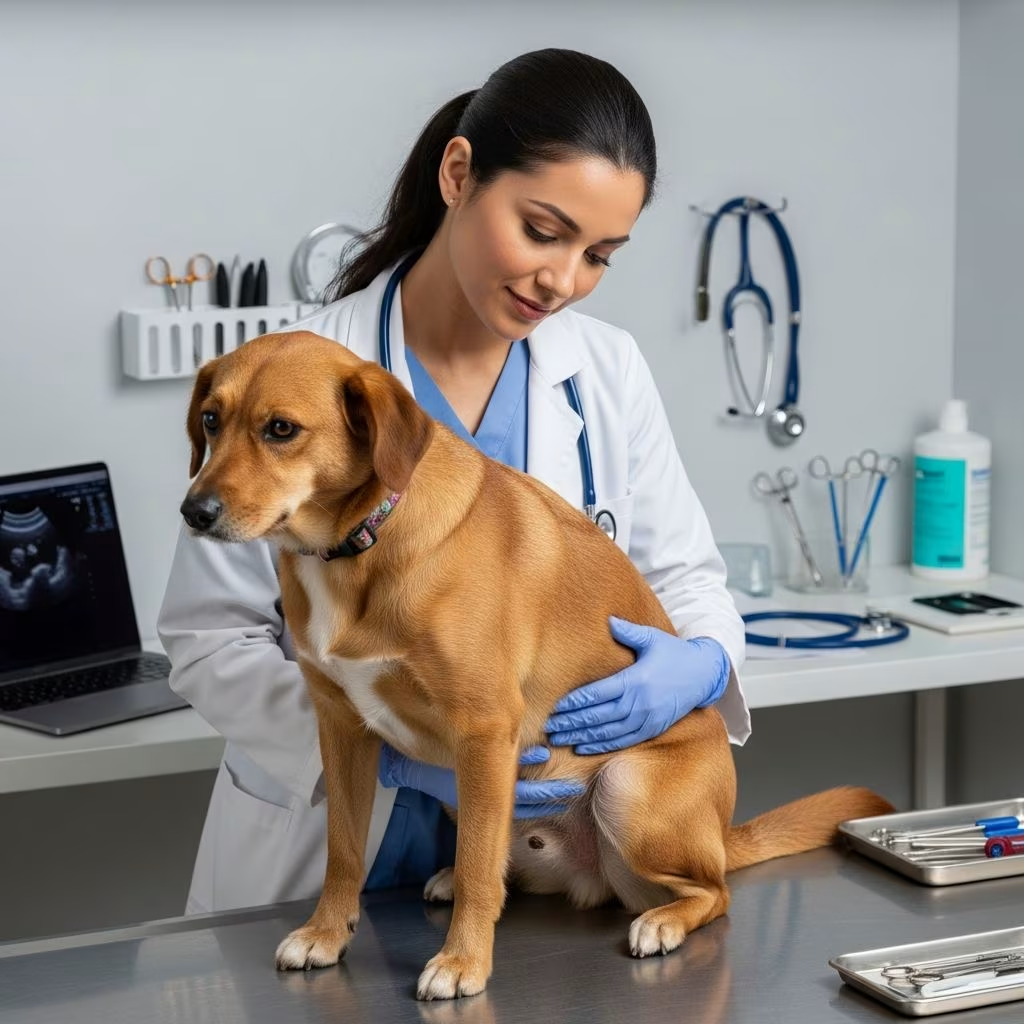
Dogs, as beloved companions and valued breeding animals, can encounter a range of reproductive challenges that impact fertility, pregnancy, and overall well-being. Understanding these issues is crucial for pet owners and breeders alike to ensure timely intervention and optimal outcomes. This article delves into the primary disorders affecting canine reproduction, drawing from veterinary expertise to outline symptoms, diagnostic approaches, treatments, and preventive measures.
Understanding the Canine Estrous Cycle
The foundation of canine reproductive health lies in the estrous cycle, which differs from continuous cycling species. Female dogs experience proestrus, marked by vulvar swelling and bloody vaginal discharge as estrogen levels rise, lasting about 9 days on average. Males are attracted but mating is typically refused. Estrus follows, where ovulation occurs around day 13, progesterone rises, and the female accepts the male for 5-10 days. Diestrus, lasting roughly 2 months in non-pregnant dogs, involves uterine preparation influenced by progesterone, while anestrus is a resting phase of variable length. Disruptions in this cycle often signal underlying problems.
Common Causes of Infertility in Female Dogs
Infertility manifests as failure to conceive after mating, prolonged intervals between heats, or absence of puberty estrus by 24 months. Key culprits include hormonal imbalances like hypothyroidism, which first affects reproduction, or silent heats missed by owners. Structural issues, such as vaginal strictures, hinder mating, while infections impair sperm or embryo viability.
- Hormonal Factors: Low progesterone (<5 ng/mL during estrus) or elevated estradiol may indicate cycling errors.
- Infectious Agents: Brucella canis screening is standard, as it causes infertility without obstruction unless metritis is severe.
- Anatomical Abnormalities: Clitoral enlargement or ambiguous genitalia warrant karyotyping.
Males may suffer from low libido, poor semen quality, or conditions like phimosis, where the penis fails to extrude.
Life-Threatening Uterine Infections: Pyometra Explained
Pyometra stands out as a critical emergency in unspayed females, typically 8 weeks post-estrus. Bacteria invade the uterus, filling it with pus and toxins that lead to sepsis. Symptoms include lethargy, vomiting, polydipsia, and vulvar discharge (open cervix) or abdominal distension (closed cervix). Middle-aged dogs without litters are most susceptible.
| Symptom | Open Pyometra | Closed Pyometra |
|---|---|---|
| Vulvar Discharge | Present (purulent) | Absent |
| Abdominal Signs | Mild distension | Severe, rapid |
| Systemic Effects | Gradual | Rapid sepsis risk |
Diagnosis involves ultrasound revealing uterine fluid, bloodwork showing leukocytosis, and history review. Treatment prioritizes ovariohysterectomy; medical options with prostaglandins are riskier for breeding animals.
Hormonal and Cystic Disorders
Follicular cysts in older bitches prolong proestrus with thickened discharge, halting due to luteinizing hormone deficiency. Pseudopregnancy mimics gestation with mammary development, milk production, and behavioral changes like nesting, even post-spay if ovarian remnants persist. Avoid spaying during these episodes to prevent recurrence. Ovarian remnants post-surgery can trigger cycles or false pregnancies.
Male Reproductive Challenges
Males face cryptorchidism (undescended testes), raising cancer risk, testicular torsion causing acute pain and scrotal swelling, or Brucella-induced orchitis. Phimosis requires surgical correction to avert urinary issues. Semen evaluation is key for breeders assessing fertility.
Pregnancy Complications and Dystocia
Dystocia, or difficult birth, arises from uterine inertia, malpositioned puppies, or maternal exhaustion. Labor stages include Stage I (12-24 hours: contractions, restlessness, clear discharge), Stage II (puppy expulsion, <2 hours intervals), and Stage III (placenta delivery). Interventions range from oxytocin for primary inertia to C-section for prolonged efforts. Abortion or stillbirths may stem from infections or trauma.
Risk Factors for Dystocia
- Brachycephalic breeds (e.g., Bulldogs).
- Small litters or oversized puppies.
- Prior reproductive issues.
Diagnostic Approaches for Reproductive Problems
Veterinarians employ a multi-faceted strategy:
- Physical Exam: Digital vaginal assessment for strictures, thyroid palpation.
- Cytology and Cultures: Vaginal smears for cycle stage, cultures for infections.
- Hormone Assays: Progesterone, LH (detects spay status), estradiol, thyroid panel.
- Imaging: Ultrasound for uterine pathology, x-rays for pregnancy confirmation.
- Semen Analysis: For males.
Brucella testing is routine due to zoonotic potential and fertility impact.
Treatment and Management Strategies
Treatments vary by diagnosis:
- Infections: Antibiotics guided by culture; prostaglandins for open pyometra.
- Hormonal: Thyroid supplements if inherited hypothyroidism confirmed.
- Surgical: Spay for non-breeders, C-section for dystocia, castration for torsed testes.
Breeding females benefit from progesterone monitoring to time matings accurately.
Prevention Tips for Dog Owners and Breeders
Proactive care minimizes risks:
- Spay non-breeding females post-first heat to evade pyometra.
- Annual Brucella screening for breeders.
- Track cycles meticulously; use vaginal cytology for timing.
- Select against hereditary issues like cryptorchidism.
- Maintain nutrition and avoid obesity, which delays estrus.
FAQs on Canine Reproductive Health
What are the first signs of pyometra in my dog?
Lethargy, increased thirst, vomiting, and vulvar discharge 1-2 months post-heat. Seek emergency vet care immediately.
Can spayed dogs still have reproductive issues?
Yes, ovarian remnant syndrome can cause estrus or pseudopregnancy. Ultrasound confirms remnants.
How do I know if my dog is in heat?
Vulvar swelling, bloody discharge (proestrus), male attraction, and acceptance of mating (estrus). Cytology aids confirmation.
Is Brucella canis contagious to humans?
Rarely, but breeders should test annually as it causes infertility and abortions.
When should I worry about no pregnancy after breeding?
Confirm via ultrasound at 25-30 days; progesterone >5 ng/mL indicates ovulation.
Choosing Veterinary Reproductive Services
Specialized vets offer semen chilling, AI, progesterone tracking, and C-sections. Facilities like those emphasizing Brucella protocols ensure safe breeding.
References
- Canine reproductive diseases and abnormalities — dvm360. 2023-05-01. https://www.dvm360.com/view/canine-reproductive-diseases-and-abnormalities-proceedings
- Management of Reproduction in Dogs — MSD Veterinary Manual. 2024-01-15. https://www.msdvetmanual.com/dog-owners/reproductive-disorders-of-dogs/management-of-reproduction-in-dogs
- Common Reproductive Health Issues in Pets — Bluegrass Veterinary Hospital. 2024-03-20. https://bluegrassvet.net/common-reproductive-health-issues-in-pets-and-how-to-address-them/
- Canine reproductive disorders — Vet Times. 2023-11-10. https://www.vettimes.com/clinical/small-animal/canine-reproductive-disorders
- Introduction to Reproductive Disorders of Dogs — Merck Veterinary Manual. 2024-02-01. https://www.merckvetmanual.com/dog-owners/reproductive-disorders-of-dogs/introduction-to-reproductive-disorders-of-dogs
- Reproduction Control Guidelines — WSAVA. 2023-07-15. https://wsava.org/global-guidelines/reproduction-guidelines/



