
Canine Reproductive Cycles and Progesterone Testing
Master the science of optimal breeding windows using progesterone monitoring
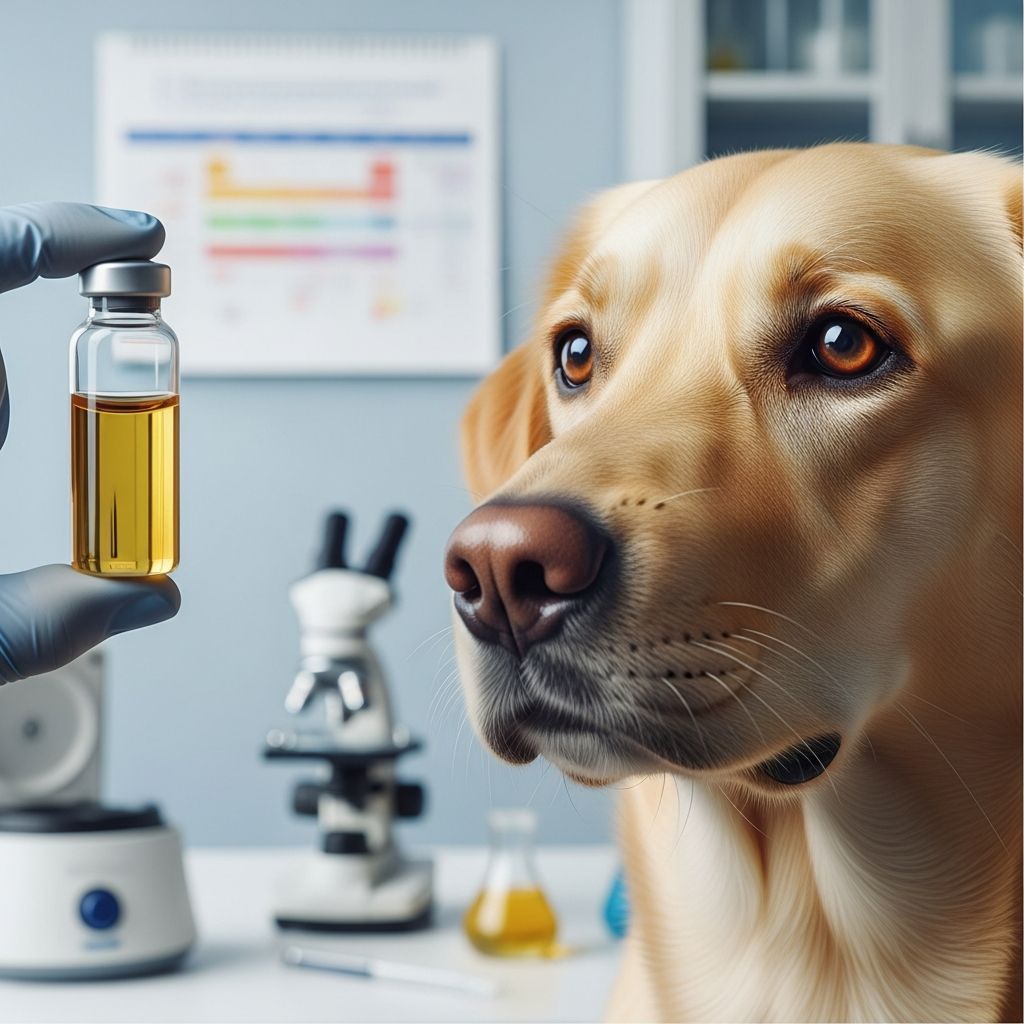
The female dog’s reproductive system follows a complex hormonal pattern that cycles throughout her reproductive years. For breeders seeking to time matings effectively, understanding these cycles and leveraging progesterone testing represents a critical advancement in reproductive management. This approach transforms breeding from guesswork into a science-based practice that significantly improves success rates and optimizes outcomes for both dam and puppies.
The Four-Phase Reproductive Cycle
Female dogs experience estrous cycles composed of four distinct physiological phases, each characterized by specific hormonal environments and behavioral markers. These phases represent a continuous cycle that repeats throughout a dog’s reproductive lifespan, with timing and intensity varying considerably among individual animals and breeds.
Phase One: Proestrus
Proestrus marks the beginning of a heat cycle and typically persists for six to eleven days on average, though considerable individual variation exists. During this phase, the ovaries begin secreting elevated levels of estrogen, which triggers visible physiological changes. The most apparent sign is bloody vaginal discharge, ranging from mild spotting to more pronounced bleeding, and swelling of the vulva or external genitalia becomes progressively more pronounced.
Female dogs in proestrus attract male attention and often display playful, flirtatious behaviors toward potential mates. However, despite their attractiveness to males, they remain unreceptive to breeding during this phase and will refuse mounting attempts. This distinction is crucial for breeders, as attempting to breed during proestrus typically results in failure and wasted reproductive cycles.
Phase Two: Estrus
Estrus represents the fertile window when female dogs actively invite breeding and conception becomes possible. This phase typically lasts five to nine days but exhibits extreme individual variation, ranging from as brief as one day to as long as twenty days in exceptional cases. The transition into estrus occurs when estrogen levels decline while progesterone begins its significant rise, triggering a surge in luteinizing hormone (LH) that causes ovulation.
The hormonal cascade during estrus produces characteristic behavioral and physical changes. Vaginal discharge typically transitions from bloody to straw-colored or pink, though variations exist among individuals. The vulva remains swollen and turgid, signaling receptivity to breeding. During this critical phase, the eggs are released from ovarian follicles, establishing the fertile period that permits successful fertilization.
Phase Three: Diestrus
Diestrus begins when the female ceases exhibiting signs of estrus, particularly when she no longer assumes the standing posture receptive to mounting. This phase is characterized by substantially elevated progesterone levels that peak between two to three weeks after ovulation, then plateau at elevated concentrations for one to two weeks before gradually declining over ten to thirty days. Progesterone elevation occurs regardless of pregnancy status, maintaining the uterine environment needed for potential embryo implantation and development.
During diestrus, females no longer attract males and actively resist mating attempts. External genitalia return to normal appearance, becoming visually indistinguishable from the subsequent anestrus phase. This phase encompasses both pregnancy (if conception occurred) and non-pregnant cycles, making progesterone monitoring valuable for confirming ovulation success.
Phase Four: Anestrus
Anestrus represents the quiescent period following a completed heat cycle, whether the female became pregnant or returned to baseline fertility. Progesterone levels remain consistently low throughout this prolonged phase. During anestrus, the uterus undergoes involution—a complex repair process that restores the organ to its pre-cycle state and prepares it for future reproductive activity. This process typically requires approximately four months to complete fully.
Timing and Frequency of Heat Cycles
Most unspayed female dogs experience two heat cycles annually, typically separated by five to eleven months of interval. This translates to rough six-month spacing, though considerable individual and breed-specific variation occurs. Some dogs may cycle more closely together or with extended intervals between heats. Notably, certain breeds like the Basenji and Tibetan Mastiff represent exceptions to the standard two-cycles-per-year pattern, typically cycling only once yearly.
The first heat cycle typically occurs when female dogs reach approximately two-thirds of their adult body size, which creates a wide age range for initial estrus. Smaller breed females may enter their first heat as early as six months of age, while larger breed females often do not experience their initial cycle until eighteen months or later. This dramatic variation between individuals and breeds necessitates individualized monitoring rather than reliance on age-based predictions.
The Science of Progesterone Monitoring
Progesterone serves as the primary hormonal marker for identifying ovulation timing in female dogs. This pregnancy-maintenance hormone remains present in minimal quantities before ovulation begins, then rises sharply just before and during the late estrus phase. Veterinary professionals measure progesterone concentration in blood serum to identify when ovulation has occurred and predict the optimal window for breeding success.
Progesterone Threshold Values
Progesterone levels follow predictable patterns that correlate with reproductive phases. Prior to ovulation, progesterone remains near baseline, typically below one nanogram per milliliter (ng/mL). As the LH surge triggers ovulation, progesterone rises above baseline to concentrations exceeding 1.5 to 2.5 ng/mL. Once ovulation occurs, progesterone continues climbing and remains substantially elevated throughout diestrus, maintaining the uterine environment necessary for pregnancy establishment.
The identification of this initial progesterone rise—termed the “surge”—represents the practical key to determining breeding timing. When progesterone levels cross into the elevated range, breeders can calculate the fertile window and optimize their breeding strategy accordingly.
Optimal Testing Protocol
Effective progesterone monitoring follows a systematic approach beginning early in the heat cycle. Veterinarians typically initiate progesterone testing on approximately day five of the detected heat cycle, then continue drawing blood samples every other day until the LH surge is detected through elevated progesterone readings. This regular monitoring schedule identifies the precise moment when ovulation occurs, allowing breeders to time matings for maximum fertility and conception likelihood.
Serial blood sampling proves substantially more informative than single-point testing, as individual samples may provide misleading information or fail to capture the dynamics of hormonal change. The pattern of progesterone rise matters more than any isolated measurement, making sequential monitoring the gold standard for breeding management.
Identifying the Fertile Window
The fertile period does not encompass the entire estrus phase but rather concentrates during specific days within this window. Research indicates that the fertile period typically occurs during the final four to five days of estrus, following the LH surge and coinciding with optimal progesterone elevation. This condensed fertile window explains why precision in timing dramatically improves conception rates.
Progesterone testing enables breeders to calculate accurate due dates when pregnancy confirms, as the relationship between ovulation timing and gestation length becomes precisely known. This predictability transforms breeding from an uncertain proposition into a manageable, science-based reproductive strategy with quantifiable outcomes.
Breed Variations and Individual Differences
While general patterns characterize canine reproductive cycles, substantial individual variation creates practical challenges for breeders relying solely on behavioral or physical signs. Some female dogs experience silent heats where behavioral signs remain subtle or where minimal bloody discharge occurs, potentially causing novice breeders to overlook active heat cycles entirely. Additionally, exceptionally clean females may groom away discharge so thoroughly that external signs become imperceptible to human observers.
Progesterone testing eliminates these challenges by providing objective, hormone-based confirmation of reproductive status independent of behavioral variation or individual fastidiousness. This objective approach ensures no fertile cycles go undetected due to subtle presentation.
Complementary Diagnostic Approaches
While progesterone testing represents the primary method for determining ovulation timing, vaginal cytology offers valuable supplementary information about which phase of the heat cycle a female occupies at any given moment. Cytological smears examine vaginal cells under microscopic magnification, revealing characteristic patterns associated with different cycle phases.
However, single cytological smears can prove misleading, potentially detecting vaginal inflammation (vaginitis) or other conditions rather than accurately reflecting cycle status. Therefore, veterinarians typically perform multiple smears collected sequentially throughout the heat cycle, using the pattern of cellular changes alongside progesterone measurements to triangulate breeding recommendations.
Implications for Breeding Success
The application of progesterone testing in breeding management produces measurable improvements in outcomes. By identifying the precise fertile window, breeders can optimize timing to coordinate with maximum egg viability and sperm longevity, significantly increasing conception rates. This precision proves particularly valuable for valuable breeding animals, as it reduces failed cycles and associated economic costs while improving welfare through reduced unnecessary breeding attempts.
Furthermore, accurate ovulation dating enables precise calculation of expected whelping dates, allowing breeders to prepare appropriately and monitor pregnant females for complications with scientific precision rather than uncertainty. This systematic approach represents a transition from traditional breeding practices toward evidence-based reproductive management.
Key Takeaways for Dog Breeders
- Four distinct phases compose the canine reproductive cycle, each with characteristic hormonal profiles and behavioral changes
- Progesterone surge provides the most reliable indicator of ovulation, occurring just before eggs are released
- Sequential blood testing every other day starting day five of heat cycle identifies optimal breeding timing
- Fertile window concentrates in the final four to five days of estrus, requiring precise timing for maximum success
- Individual variation in cycle presentation makes objective progesterone testing more reliable than behavioral assessment alone
- Complementary methods like vaginal cytology provide additional information when used alongside progesterone monitoring
References
- Progesterone Testing for Dogs: When to Do It and How Often — American Kennel Club. https://www.akc.org/expert-advice/dog-breeding/progesterone-testing/
- Ovulation & Progesterone Timing — Plantation Park Animal Hospital. https://plantationanimalhospitalnc.com/reproductive/ovulation-and-progesterone-timing
- Recognizing Signs of Dog Heat Cycles & When to Breed — Purina Pro Club. https://www.purinaproclub.com/pro-resources/learning-hub/breeding/recognizing-signs-dog-heat-cycle-when-to-breed
- Dog estrous cycles — Cornell University College of Veterinary Medicine. https://www.vet.cornell.edu/departments-centers-and-institutes/riney-canine-health-center/canine-health-topics/dog-estrous-cycles
- Progesterone in Female Dogs — Schultz Veterinary Clinic. https://schultzvetclinic.com/canine-reproduction/progesterone-timing/
- Catalyst® Progesterone Simplifying the Canine Reproductive Cycle Using Progesterone — IDEXX. https://www.idexx.com/files/CLD-12211-00%20Simplifying%20the%20Canine%20Reproductive%20Cycle%20Using%20Progesterone.pdf
- Breeding Management of Bitches — Merck Veterinary Manual. https://www.merckvetmanual.com/management-and-nutrition/management-of-reproduction-dogs-and-cats/breeding-management-of-bitches
Similar Articles








Read full bio of medha deb




