Canine Renal Issues Guide
Comprehensive insights into recognizing, managing, and supporting dogs with kidney problems for better quality of life.
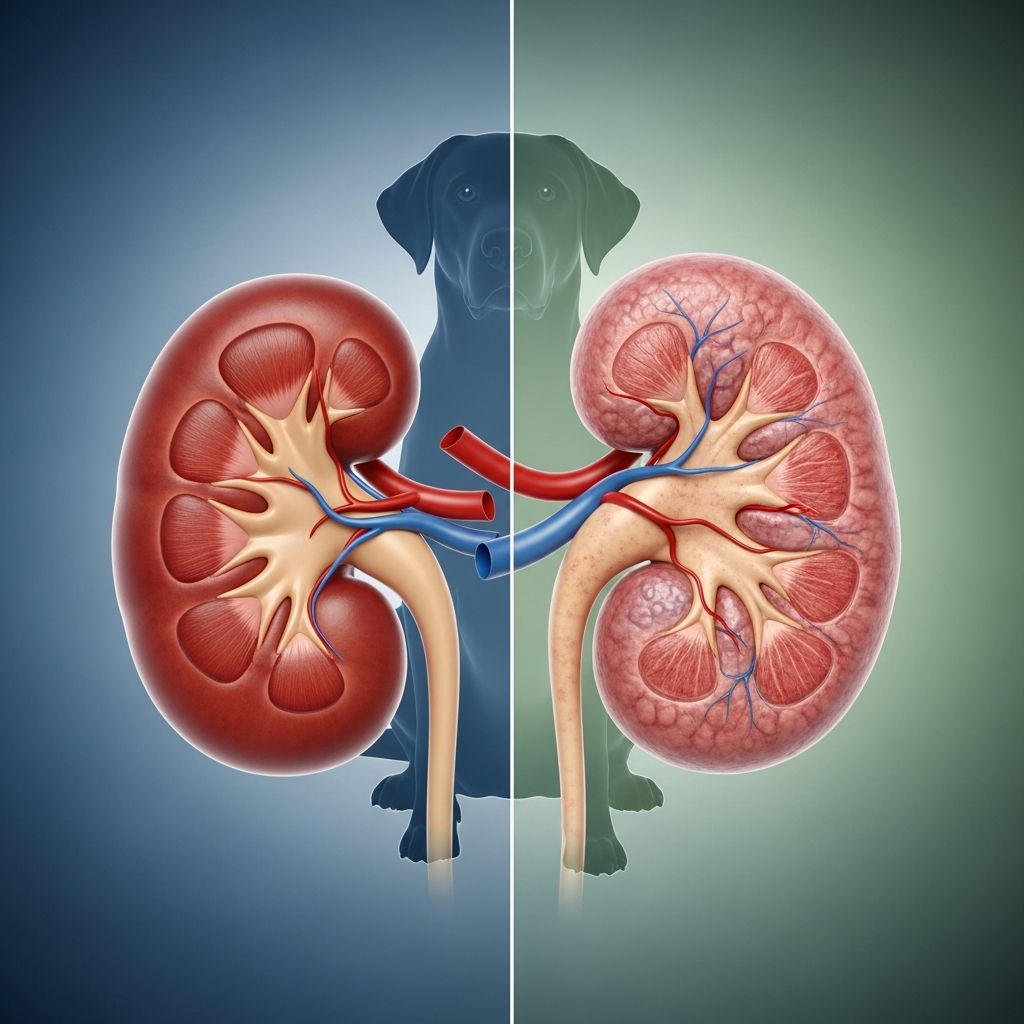
Renal disorders represent a significant health challenge for dogs, affecting their ability to filter waste and maintain bodily balance. These conditions range from sudden acute failures to progressive chronic diseases, each requiring prompt recognition and tailored interventions to enhance comfort and extend life.
Understanding the Kidney’s Role in Canine Health
The kidneys serve as vital organs in dogs, performing critical functions such as filtering blood to remove toxins, regulating fluid levels, balancing electrolytes, and producing hormones that support red blood cell production and bone health. When these organs falter, waste accumulates, leading to systemic issues that impact overall vitality.
Daily, a healthy dog’s kidneys process vast amounts of blood, producing urine to excrete unnecessary substances while conserving essential nutrients. Disruptions in this process can stem from various triggers, underscoring the importance of vigilant monitoring by pet owners.
Distinguishing Acute and Chronic Renal Conditions
Renal problems in dogs fall into two primary categories: acute kidney injury, which strikes rapidly often due to toxins or infections, and chronic kidney disease, a gradual decline typically linked to aging or genetics.
Acute Kidney Injury: Sudden Onset Threats
Acute cases develop swiftly, sometimes within hours or days, frequently from ingesting poisons like antifreeze, grapes, or certain medications. Symptoms emerge abruptly, demanding immediate veterinary intervention to prevent irreversible damage.
Without rapid treatment, such as intensive fluid therapy, survival rates drop sharply, highlighting the need for emergency response.
Chronic Kidney Disease: A Slow Progression
Unlike acute episodes, chronic disease builds over months or years, often in senior dogs. It results from cumulative wear, infections, or congenital factors, with kidneys losing function incrementally until clinical signs become evident.
Early stages may lack obvious symptoms, making routine check-ups crucial for detection before advanced deterioration occurs.
Key Indicators of Kidney Dysfunction
Owners should watch for behavioral and physical changes signaling renal distress. Common signs include:
- Excessive thirst and urination, as kidneys struggle to concentrate urine.
- Lethargy and reduced activity levels.
- Loss of appetite, nausea, or vomiting.
- Weight loss despite normal intake.
- Bad breath with an ammonia-like odor from toxin buildup.
- Bloody or strained urination.
- Pale gums indicating anemia.
These symptoms overlap between acute and chronic forms but intensify in severity during crises. Noticing subtle shifts early can profoundly influence outcomes.
Diagnostic Approaches for Accurate Assessment
Veterinarians employ a multi-step process to confirm renal issues and determine their extent. Initial evaluations often start with blood tests measuring creatinine, blood urea nitrogen (BUN), and electrolyte levels, alongside urinalysis to check protein presence and concentration.
Imaging like ultrasounds or X-rays reveals structural abnormalities such as stones or tumors, while advanced cases might involve biopsies for definitive staging. The International Renal Interest Society (IRIS) staging system guides prognosis and treatment based on these findings.
| Stage | Creatinine Level | Typical Management |
|---|---|---|
| 1 | <1.4 mg/dL | Monitoring, address underlying causes |
| 2 | 1.4-2.8 mg/dL | Diet changes, blood pressure control |
| 3 | 2.9-5.0 mg/dL | Fluid therapy, medications |
| 4 | >5.0 mg/dL | Supportive care, palliative options |
This table outlines IRIS stages, aiding in understanding disease progression.
Treatment Strategies for Acute Episodes
For acute kidney injury, hospitalization is standard, featuring intravenous fluids to flush toxins and restore hydration. Supportive medications combat infections, protect the stomach, or bind toxins, with dialysis reserved for severe, specialized cases.
Monitoring urine output ensures kidney recovery, and early intervention often yields positive results if damage isn’t extensive.
Managing Chronic Kidney Disease Long-Term
Chronic management focuses on slowing progression and alleviating symptoms through a combination of diet, medications, and lifestyle adjustments. Key elements include:
- Prescription Renal Diets: Lower in protein, phosphorus, and sodium to ease kidney workload and reduce toxin buildup.
- Fluid Supplementation: Subcutaneous fluids at home maintain hydration and promote waste elimination.
- Medications: Anti-nausea drugs, appetite stimulants like mirtazapine or capromorelin, blood pressure controllers (e.g., ACE inhibitors), and anemia treatments.
- Regular Monitoring: Frequent bloodwork tracks disease advancement.
These measures can extend quality life for years in early-diagnosed dogs.
Nutritional Interventions: Fueling Recovery
Diet plays a pivotal role, with veterinary-formulated foods designed specifically for renal support. These diets feature high-quality proteins in moderated amounts, omega-3 fatty acids for anti-inflammatory benefits, and controlled minerals to prevent secondary complications like hyperphosphatemia.
Transition gradually to avoid digestive upset, and ensure constant fresh water access to encourage intake. Supplements like potassium may be added based on blood results.
Home Care Essentials for Renal Patients
Pet owners become key caregivers post-diagnosis. Administering subcutaneous fluids—warm lactated Ringer’s solution under the skin—several times weekly keeps dogs comfortable. Track daily water consumption, urine output, weight, and appetite in a journal for vet consultations.
Gentle exercise maintains muscle tone without exhaustion, and stress reduction through calm environments supports immune function.
Advanced Interventions and When They’re Needed
Rarely, options like peritoneal dialysis or kidney transplants enter consideration at specialty centers, though availability and success rates limit their use. Chemotherapy or radiation targets cancer-related renal issues palliatively.
Most dogs thrive on conservative management, with end-stage decisions guided by quality-of-life assessments.
Preventive Measures to Safeguard Kidney Health
Proactive steps mitigate risks: secure household toxins, avoid nephrotoxic NSAIDs without vet approval, maintain dental hygiene to prevent bacterial spread, and schedule annual senior wellness exams for early detection.
Breed-specific vigilance applies to predisposed lines like Shih Tzus or Lhasa Apsos.
Prognosis: Factors Influencing Outcomes
Survival varies widely; acute cases recover fully with swift care, while chronic stages 3-4 average months to a couple years with diligent management. Positive indicators include early intervention, owner compliance, and absence of comorbidities.
Open discussions with vets about humane endpoints ensure dignified care.
Frequently Asked Questions (FAQs)
What causes kidney failure in dogs?
Common culprits include toxins (antifreeze, grapes), infections, obstructions, genetics, and age-related decline.
Can dogs live long with kidney disease?
Yes, many enjoy extended lives through diet, fluids, and meds, especially if caught early.
Is there a home test for dog kidney problems?
No reliable at-home tests exist; professional blood and urine analyses are essential.
How much do treatments cost?
Costs range from $500 for initial diagnostics to ongoing $100-300 monthly for supplies and visits.
Does diet alone cure kidney disease?
No, it manages symptoms but doesn’t reverse damage; comprehensive care is required.
References
- The signs of kidney disease in dogs and treatment options – Vetster — Vetster. 2023. https://vetster.com/en/wellness/kidney-disease-in-dogs-everything-you-need-to-know
- Kidney Failure in Dogs – PetMD — PetMD. 2023. https://www.petmd.com/dog/conditions/urinary/kidney-failure-dogs
- Chronic Kidney Disease: Living with Your Pet and the Diagnosis — Michigan State University College of Veterinary Medicine. 2023. https://cvm.msu.edu/vdl/client-education/guides-for-pet-owners/chronic-kidney-disease-living-with-your-pet-and-the-diagnosis
- Kidney Disease in Dogs: Signs, Symptoms, Treatments — American Kennel Club. 2023. https://www.akc.org/expert-advice/health/dog-kidney-disease/
- Chronic Kidney Disease in Dogs | VCA Animal Hospitals — VCA Hospitals. 2023. https://vcahospitals.com/know-your-pet/kidney-failure-chronic-in-dogs
- Renal Failure in Dogs | Causes, Symptoms & Treatment — WCR Animal Hospital. 2021-05-17. https://www.wcrah.com/site/blog-flat-rock-vet/2021/05/17/renal-failure-dogs
Similar Articles







Read full bio of Sneha Tete