

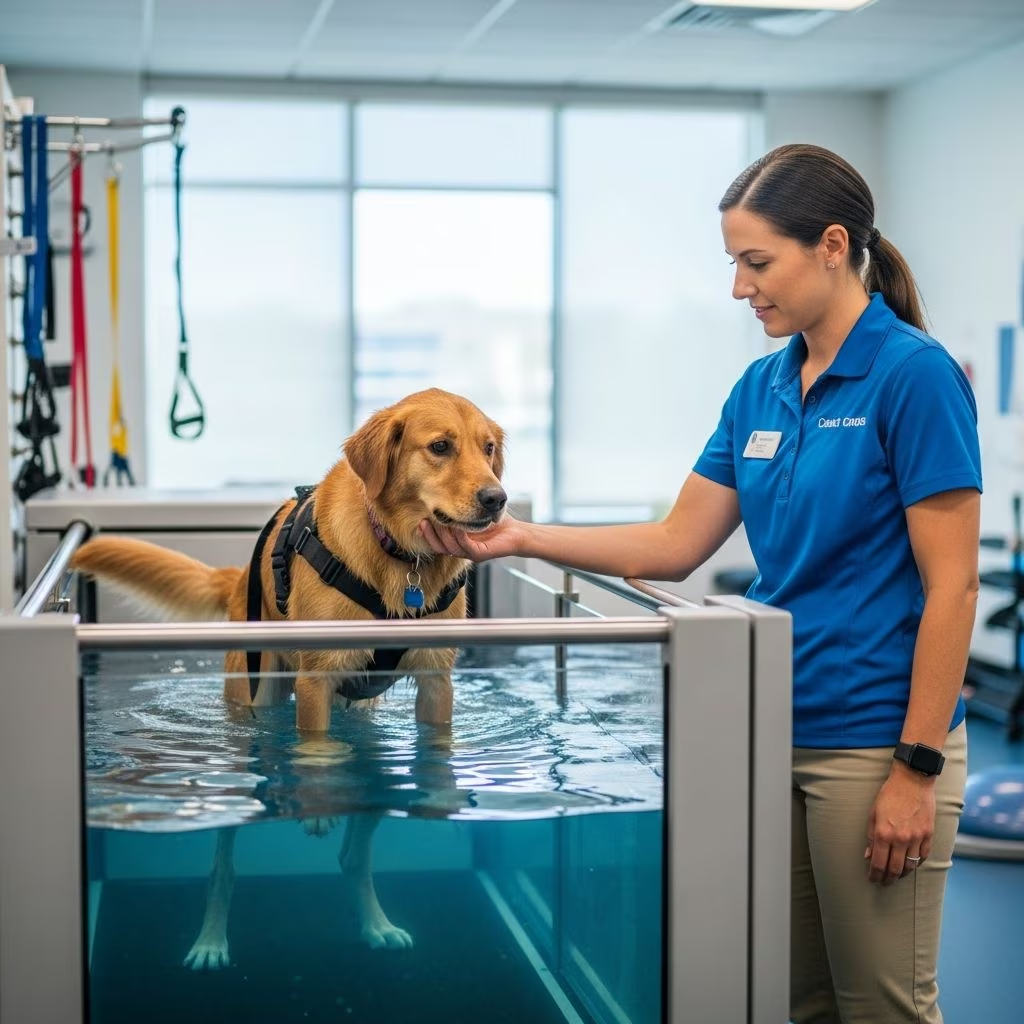
Canine rehabilitation therapy offers dogs a pathway to recovery and enhanced vitality, particularly after surgeries, injuries, or in managing chronic conditions. This specialized veterinary care combines targeted exercises, therapeutic modalities, and professional guidance to restore function, alleviate discomfort, and promote long-term health.
Understanding Canine Rehabilitation Therapy
Rehabilitation therapy for dogs mirrors human physical therapy but is tailored to canine anatomy and behavior. It involves a customized plan developed by certified veterinary rehabilitation professionals, incorporating assessments of the dog’s condition, goals, and lifestyle. Common techniques include hydrotherapy, therapeutic exercises, massage, acupuncture, and laser therapy, all aimed at optimizing recovery.
For dogs facing post-surgical recovery, neurological disorders, or orthopedic issues, rehab provides non-invasive support that accelerates healing while minimizing reliance on medications. Early intervention often yields the best results, helping pets regain confidence and joy in daily activities.
Primary Advantages for Your Dog’s Health
The advantages of canine rehab extend across physical, mental, and emotional domains, significantly elevating a dog’s quality of life. Key benefits include:
- Pain Reduction: Therapies like hydrotherapy and manual techniques decrease inflammation and stimulate endorphin release, offering natural pain relief superior to medications alone.
- Enhanced Mobility: Targeted exercises improve joint range of motion, muscle flexibility, and overall movement quality, restoring independence.
- Strength Building: Resistance training combats muscle atrophy, bolstering strength, endurance, and performance levels.
- Faster Recovery: Structured programs speed tissue repair and prevent complications, shortening downtime after procedures.
- Improved Circulation: Modalities such as massage and underwater treadmill work boost blood flow, aiding oxygenation and toxin removal.
Conditions That Benefit Most from Rehab
Rehabilitation therapy proves invaluable for a spectrum of canine ailments. Here’s a breakdown of prevalent conditions and rehab’s role:
| Condition | Rehab Focus | Expected Outcomes |
|---|---|---|
| Orthopedic Surgery (e.g., cruciate ligament repair) | Controlled exercises, hydrotherapy | Reduced stiffness, quicker return to function |
| Osteoarthritis | Joint mobilization, weight management | Pain alleviation, sustained mobility |
| Intervertebral Disc Disease (IVDD) | Neuromuscular strengthening | Improved coordination, minimized progression |
| Hip Dysplasia | Strengthening, balance training | Enhanced stability, comfort in movement |
| Obesity-Related Issues | Cardio exercises, metabolic boost | Weight loss, joint relief |
| Sports Injuries | Agility-specific rehab | Scar prevention, performance optimization |
These interventions not only address immediate symptoms but also prevent secondary issues like further joint degeneration or compensatory injuries.
How Rehabilitation Therapy Works in Practice
A typical rehab program begins with a thorough veterinary evaluation, including gait analysis, range-of-motion tests, and pain assessments. Therapists then craft individualized plans, often spanning 4-12 weeks with 1-3 sessions per week.
Sessions might feature:
- Hydrotherapy: Underwater treadmills reduce joint stress while building muscle—ideal for overweight or arthritic dogs.
- Therapeutic Exercises: Balance boards, cavaletti poles, and sit-to-stands enhance proprioception and core strength.
- Modalities: Cold/heat therapy, ultrasound, and electrical stimulation target inflammation and promote healing.
- Home Programs: Owners receive guided exercises to continue progress between visits, fostering consistency.
Progress is monitored via objective measures like goniometry (joint angle measurement) and force plate analysis, ensuring adjustments for optimal results.
Scientific Evidence Supporting Canine Rehab
Research underscores rehab’s efficacy. A study on patients with musculoskeletal disorders (analogous to canine applications) found rehabilitation programs significantly improved quality of life, reduced pain and anxiety, with large effect sizes (Cohen’s d = 0.984 for standard rehab, 0.857 for adjunct therapies).
Veterinary sources confirm physical therapy hastens recovery from injuries, minimizes atrophy, and enhances function without invasiveness. For chronic conditions like osteoarthritis, rehab preserves joint health and delays surgical needs.
Mental and Emotional Boosts from Therapy
Beyond physical gains, rehab uplifts mental well-being. Dogs experience reduced stress through engaging activities, mirroring human therapy benefits where anxiety drops significantly. Owners report stronger bonds, as active participation in sessions builds trust and routine.
For senior dogs or those with degenerative conditions like wobbler syndrome, rehab maintains mental sharpness via cognitive stimulation from varied exercises, combating depression-like lethargy.
Integrating Rehab into Daily Canine Care
Preventive rehab suits active breeds prone to injuries, such as Labrador Retrievers in agility or working dogs. Incorporating low-impact activities like swimming year-round fortifies resilience.
Post-rehab maintenance—stretching routines, weight control, and orthopedic bedding—sustains benefits. Collaborate with vets to blend rehab with nutrition and pharmacology for holistic care.
Choosing the Right Rehabilitation Provider
Select certified canine rehabilitation therapists (CCRT or similar credentials) at facilities equipped for aquatic and land therapies. Inquire about success rates, client testimonials, and integration with primary veterinary care.
Cost varies ($50-150 per session), often covered partially by pet insurance. Start with a consultation to gauge suitability.
Frequently Asked Questions (FAQs)
What is the typical duration of a canine rehab program?
Programs last 4-12 weeks, with frequency tailored to the dog’s needs and progress.
Is hydrotherapy safe for all dogs?
Yes, under supervision; it’s low-impact and buoyant, ideal for joint issues, but consult for respiratory or open-wound cases.
Can puppies undergo rehab?
Yes, for congenital issues or growth-related problems, using age-appropriate gentle methods.
How soon after surgery can rehab begin?
Often within 24-48 hours for passive therapies, advancing to active as healing progresses.
Does pet insurance cover rehab?
Many plans do; verify coverage for rehabilitation services specifically.
Long-Term Impact on Canine Wellness
Consistent rehab not only resolves acute issues but fortifies overall resilience. Dogs emerge stronger, more agile, and happier, often extending lifespan and activity levels into seniority. By addressing root causes proactively, owners invest in a vibrant future for their companions.
Embrace canine rehab as a cornerstone of modern veterinary care—it’s a proven, compassionate route to renewed vigor.
References
- The role of dog therapy in clinical recovery and improving quality of life — PMC/NCBI. 2024. https://pmc.ncbi.nlm.nih.gov/articles/PMC11167866/
- The Benefits of Physical Rehabilitation for Dogs & Cats — Snider Veterinary Services. 2024-09-15. https://www.sniderveterinaryservices.com/site/blog/2024/09/15/physical-rehabilitation-dogs-cats
- 8 Amazing Benefits of Physical Rehabilitation for Dogs — Dixah. 2023-07-21. https://www.dixah.com/site/blog/2023/07/21/benefits-physical-rehabilitation-dog
- The Role of Pet Physical Therapy & Rehabilitation in Veterinary — Crestview Animal Hospital. 2024-08-15. https://www.crestviewah.com/site/blog/2024/08/15/pet-physical-therapy-rehabilitation
- Dog Physical Therapy: Everything a Pet Parent Should Know — PetMD. N/A. https://www.petmd.com/dog/general-health/dog-physical-therapy
- No Bones About It: Physical Therapy Helps Dogs Too — Phoenix Physical Therapy. N/A. https://phoenixphysicaltherapy.com/no-bones-about-it-physical-therapy-helps-dogs-too/



