

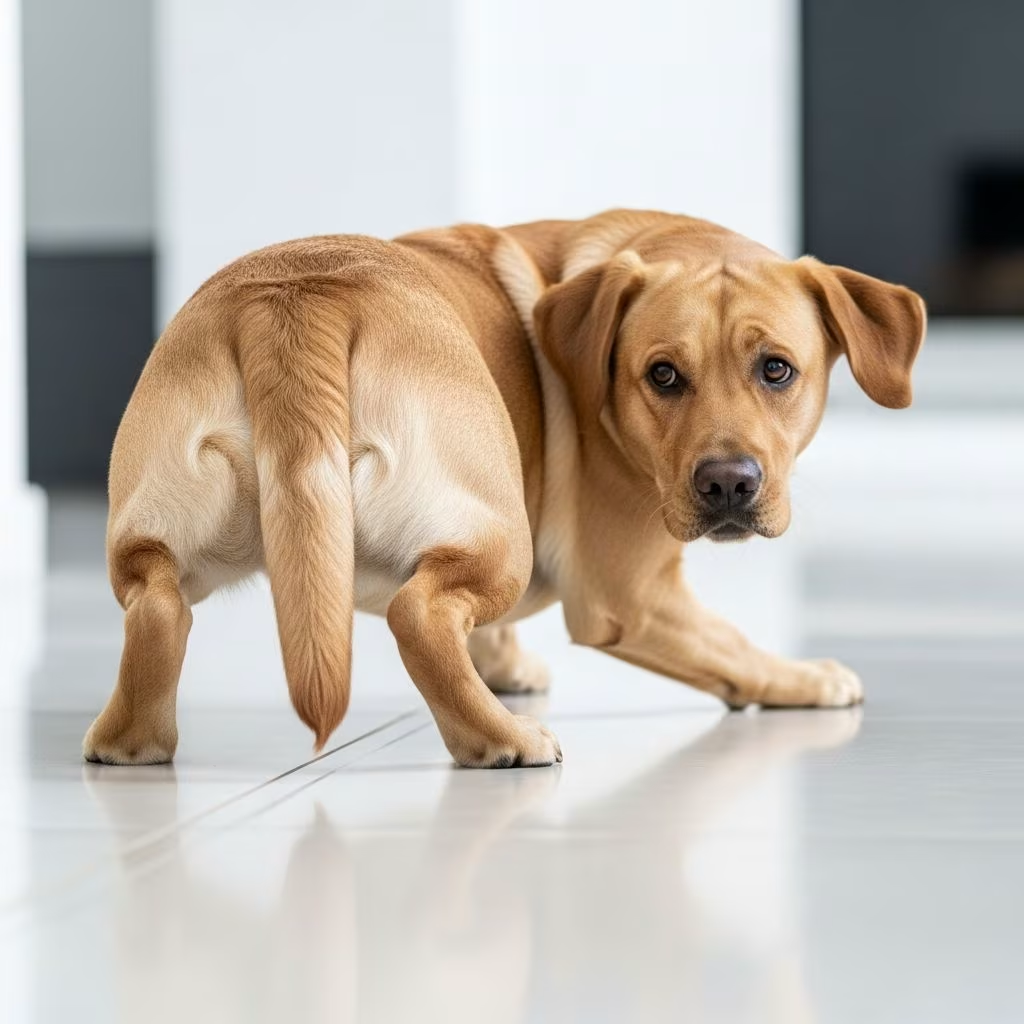
When your dog suddenly starts dragging their rear end across your carpet, it’s not just an awkward or amusing moment—it’s a clear signal that something needs attention. This behavior, commonly known as scooting, is your pet’s way of communicating discomfort or irritation in the anal region. Understanding what triggers this behavior and how to address it is essential for any responsible dog owner.
What Scooting Tells Us About Our Dogs
Dogs engage in scooting when they experience itching, pain, or discomfort in their rear end area. This behavior serves a specific purpose: your dog is attempting to alleviate whatever is bothering them. The scooting motion helps them scratch an itch or relieve pressure they’re experiencing. Rather than viewing this behavior as merely annoying, recognizing it as a communication tool allows you to take appropriate action to help your pet.
While occasional scooting may happen to any dog, persistent or frequent scooting is not normal and warrants investigation. The key to helping your dog is identifying the underlying cause, as treatment approaches vary significantly depending on what’s driving the behavior.
Primary Culprits Behind Scooting Behavior
Anal Gland Complications
The most common reason dogs scoot is anal gland issues. These small glands, located on either side of the anus, produce a fluid that dogs use to mark territory. When these glands become blocked, impacted, or inflamed, they create significant discomfort.
When anal glands are not functioning properly, dogs experience several uncomfortable symptoms:
- Persistent scooting and dragging motions
- Excessive licking or chewing around the rear area
- Noticeable swelling around the anus
- A strong, unpleasant fishy odor
- Difficulty during bowel movements
In severe cases, impacted anal glands can develop into painful abscesses. An abscess requires professional veterinary intervention, including lancing, draining, antibiotics, and pain management. This progression underscores the importance of addressing scooting promptly rather than hoping it resolves on its own.
Parasitic Infections
Intestinal parasites represent another significant cause of scooting behavior. Tapeworms are particularly notable culprits, as dogs can contract them by ingesting fleas carrying immature tapeworm larvae. Once tapeworms mature in the stomach, they exit the body, causing intense itching and irritation around the anus during this process.
If your dog has tapeworms, you’ll likely notice additional telltale signs beyond scooting:
- Rice-like segments visible around the anus
- Worm segments in feces or bedding
- General itchiness throughout the body
- Possible weight loss despite normal appetite
Regular deworming and flea prevention are critical for avoiding parasitic infections that lead to scooting.
Allergic Reactions and Skin Sensitivities
Allergies—both food-related and environmental—frequently trigger scooting behavior. When dogs experience allergic reactions, inflammation develops around the anal region, creating discomfort and itching. This allergic inflammation can actually cause anal glands to fill more rapidly than normal, creating a frustrating cycle where temporary relief from gland expression doesn’t solve the underlying problem.
Dogs with allergies often exhibit additional symptoms alongside scooting:
- Ear infections or ear scratching
- Paw licking and chewing
- Generalized itching across the body
- Red or inflamed skin patches
Managing allergic scooting typically requires a comprehensive approach including dietary trials, medication, and environmental modifications.
Flea-Related Issues
Even a single flea bite can trigger problematic scooting in sensitive dogs. Flea allergy dermatitis develops when a dog has an allergic reaction to flea saliva, resulting in intense itching and skin inflammation. This condition is distinct from the direct irritation caused by parasites themselves, making prevention through regular flea control essential.
Additional Contributing Factors
Hygiene and Grooming Concerns
Sometimes the cause of scooting is more straightforward than medical issues. Matted fur around the rear end or fecal matter stuck to the area can trigger scooting as your dog attempts to clean themselves. Additionally, dogs with loose stools may experience fecal matter irritating the skin around the anus, leading to scooting behavior.
Anatomical and Physical Conditions
Certain physical structures make some dogs more prone to scooting. Small and overweight dogs, in particular, may experience scooting due to their body conformation, as their rear-end anatomy may predispose them to anal gland issues. Skin infections localized to the rectal area, small wounds, or rare conditions like perianal fistulas can also produce scooting-like behavior.
Gastrointestinal Distress
Diarrhea itself can trigger scooting through two mechanisms: the loose stool irritates the sensitive skin around the anus, and repeated exposure to acidic feces causes redness and rawness. Addressing the underlying cause of diarrhea often resolves associated scooting.
When Professional Veterinary Care Becomes Essential
Knowing when to schedule a veterinary appointment is crucial for your dog’s wellbeing. You should seek immediate veterinary attention if:
- Scooting occurs repeatedly over several days
- Your dog appears lethargic or in obvious pain
- You notice swelling, discharge, or foul odors
- Scooting accompanies vomiting, diarrhea, or unexplained weight loss
- Your dog’s anal area shows bloody discharge or severe enlargement
Early intervention prevents minor irritation from escalating into serious medical conditions requiring more intensive treatment.
Treatment Approaches for Scooting
Anal Gland Management
If anal gland issues are causing scooting, treatment depends on the specific problem. Veterinarians may express the anal sacs to relieve pressure and discomfort. This procedure can be performed at home by trained owners or by a veterinary professional. However, unnecessary expression should be avoided, as frequent manual expression can cause trauma to the glands themselves.
For infected anal glands, antibiotics become necessary to treat the infection, often accompanied by pain medication for comfort. In cases of severe inflammation, anti-inflammatory medications help reduce swelling and pain. Warm compresses applied to the area can provide additional comfort.
If an abscess has formed, more aggressive intervention may be needed, including lancing and flushing the sacs under general anesthesia.
Dietary Interventions
Increasing dietary fiber represents an effective preventive and therapeutic approach for anal gland issues. High-fiber diets promote regular, firm bowel movements, which naturally express the anal glands during defecation, reducing the likelihood of impaction.
You can boost your dog’s fiber intake by adding specific foods to their regular diet:
- Canned pumpkin (unsweetened)
- Sweet potato
- Green beans
These additions not only increase fiber but also support digestive health and can prevent constipation-related issues that exacerbate scooting.
Managing Persistent Scooting
If your dog continues scooting more than two days after anal gland expression, or requires expressions more frequently than every few weeks, further investigation is warranted. In these cases, allergies—particularly food and environmental allergies—are the most common culprits. Your veterinarian can help identify underlying allergic causes and recommend appropriate management strategies.
Prevention Strategies for Long-Term Health
Regular Veterinary Oversight
Consistent veterinary check-ups form the foundation of scooting prevention. During routine visits, your veterinarian can assess your dog for common causes including anal gland issues, parasites, and allergies. Regular preventive care, including vaccinations, deworming, and parasite control, maintains your dog’s overall health and reduces scooting risk.
Comprehensive Parasite Control
Implementing a year-round parasite prevention program protects against intestinal parasites and fleas that trigger scooting. Discuss appropriate parasite prevention options with your veterinarian based on your dog’s lifestyle, age, and health status.
Grooming and Hygiene Practices
Maintaining proper grooming, especially around the rear end, prevents debris accumulation that can trigger scooting. Regular bathing and appropriate grooming help keep the anal area clean and reduce irritation from matted fur or fecal matter.
Understanding Recurrent Scooting
When scooting becomes a recurring problem despite treatment, underlying issues often persist. Rather than viewing repeated scooting as a recurring gland problem, consider that allergies may be driving recurrent discomfort and gland fullness. Skin infections, food sensitivities, or environmental allergens could all contribute to ongoing issues.
Your veterinarian can investigate beyond the obvious symptoms to identify root causes. This might include elimination diet trials to identify food triggers, environmental assessments, or skin cultures to rule out infections. Addressing the true underlying cause prevents the frustrating cycle of temporary relief followed by recurring problems.
Frequently Asked Questions
Can I treat scooting at home?
While some at-home measures like dietary fiber additions and warm compresses can help, veterinary evaluation is recommended to identify the underlying cause. Unnecessary anal gland expression can cause harm, so professional guidance is important.
Is scooting ever normal dog behavior?
Occasional scooting may happen, but frequent or persistent scooting indicates an underlying problem requiring veterinary attention.
How can I tell if my dog has anal gland problems?
Signs include scooting, excessive licking of the rear area, swelling around the anus, and a strong fishy odor.
What’s the connection between diarrhea and scooting?
Diarrhea irritates the skin around the anus through repeated exposure to loose, acidic stool, prompting scooting as a response to discomfort.
Conclusion: Supporting Your Dog’s Comfort
Dog scooting is never something to ignore, as it consistently signals that your pet is experiencing discomfort. Whether the cause stems from anal gland issues, parasites, allergies, or other factors, professional veterinary evaluation provides the pathway to accurate diagnosis and effective treatment. By understanding the common causes of scooting and recognizing when professional intervention is needed, you can help your dog return to comfort and normal behavior while preventing complications from developing. Your attentiveness to this behavior demonstrates genuine care for your pet’s wellbeing and quality of life.
References
- Why Is My Dog Dragging Its Bottom? — WebMD Pets. Accessed March 2026. https://www.webmd.com/pets/dogs/dog-dragging-bottom
- Why Is My Dog Scooting? Common Causes and When to See a Vet — Ruby Veterinary Urgent Care. Accessed March 2026. https://www.rubyvet.com/blog/why-is-my-dog-scooting-common-causes-and-when-to-see-a-vet
- Dog Scooting: Causes and Remedies — DoggieLawn. Accessed March 2026. https://doggielawn.com/blogs/blog/dog-scooting-causes-and-remedies
- Why Is My Dog Scooting? — American Kennel Club. Accessed March 2026. https://www.akc.org/expert-advice/health/why-is-my-dog-scooting/
- Why Dogs Scoot Their Butt Across the Floor — Harlingen Veterinary Clinic. Accessed March 2026. https://harlingenveterinaryclinic.com/blog/why-dogs-scoot-their-butt-across-the-floor/
- Why is my Dog Scooting and How to Help — AKC Reunite. Accessed March 2026. https://www.akcreunite.org/scooting/
- Scooting in Dogs — PDSA (People’s Dispensary for Sick Animals). Accessed March 2026. https://www.pdsa.org.uk/pet-help-and-advice/pet-health-hub/symptoms/scooting-in-dogs
- Why Do Dogs Scoot Their Butts? — Best Friends Veterinary Hospital. Accessed March 2026. https://bestfriendsvet.org/blog/why-dogs-scoot-their-butts/



