

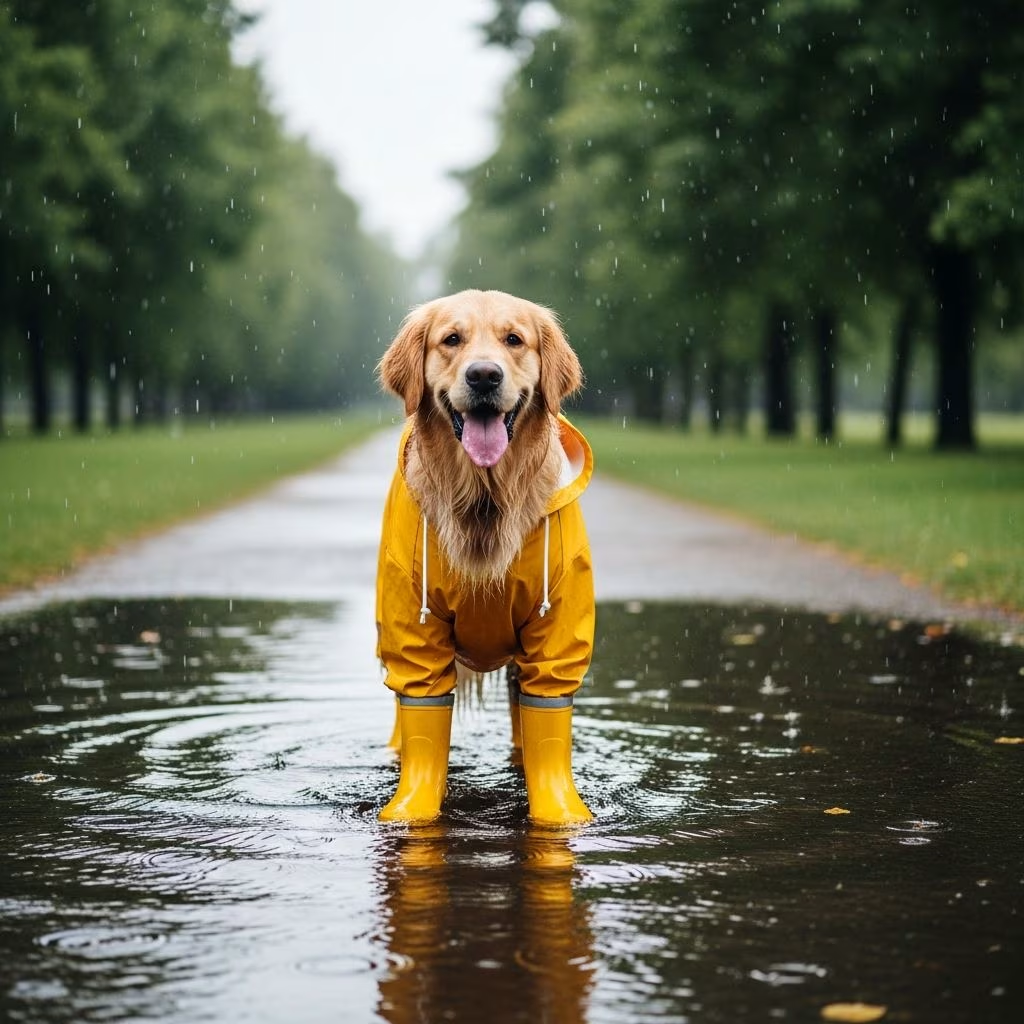
Pet ownership comes with many decisions, and one question that frequently arises among dog lovers is whether their canine companions genuinely need raincoats. While some view them as fashionable accessories, the reality is far more practical and health-focused. Waterproof protective gear for dogs serves multiple important functions beyond simply keeping them dry during rainfall.
Understanding the Role of Waterproof Dog Apparel
Raincoats for dogs function as more than decorative items. They serve as barriers against moisture, wind, and cold temperatures that can compromise your pet’s well-being. The primary purpose is to maintain your dog’s comfort and health during inclement weather conditions, though the benefits extend far beyond what many pet owners initially recognize.
When selecting protective gear for your dog, it’s essential to understand that different breeds have varying vulnerabilities to weather conditions. A dog’s coat type, body composition, and age all influence whether waterproof protection becomes a necessity rather than a luxury.
Breeds and Dogs That Benefit Most from Rain Protection
Certain dogs are far more susceptible to discomfort and health issues during wet weather. Understanding which dogs benefit most from raincoats helps you make informed decisions about your pet’s needs.
- Small breed dogs: Miniature and toy breeds have less body mass to generate natural warmth, making them vulnerable to rapid heat loss when wet
- Short-haired varieties: Breeds like Pitbulls and French Bulldogs lack sufficient coat density to shed water effectively
- Hairless or nearly hairless dogs: These breeds have minimal natural protection and require additional barriers against environmental elements
- Senior dogs: Older canines have reduced ability to regulate body temperature and may suffer from arthritis aggravated by cold, damp conditions
- Long-haired breeds: Paradoxically, dogs with extensive fur benefit from raincoats because their coats retain water for extended periods, taking hours to dry completely
- Specific breeds prone to back issues: Dachshunds and similar dogs with elongated spines experience increased pain during cold, wet weather
How Moisture Exposure Affects Canine Health
Prolonged exposure to rain and dampness creates conditions favorable for various health complications in dogs. The moisture environment can trigger physical discomfort and create pathways for infections that pet owners might not immediately connect to weather exposure.
When dogs remain wet for extended periods, their body temperature drops, leading to shivering and decreased activity levels. In severe cases, this can progress to hypothermia, particularly in smaller breeds or those with minimal body fat reserves. The risk becomes especially acute during cold, rainy weather when ambient temperatures are already low.
Moisture also creates an ideal breeding ground for bacterial and fungal organisms. Dogs with sensitive skin or those prone to dermatitis may develop infections or inflammatory reactions when their skin remains damp. This is particularly concerning for breeds with skin folds or dense undercoats where moisture can become trapped.
Extended wetness can lead to respiratory complications, including pneumonia and other respiratory infections. Additionally, the constant dampness may trigger ear infections, as moisture trapped in the ear canal creates an environment where microorganisms flourish.
The Comfort Factor: Behavioral Responses to Rain
Many dogs display genuine anxiety or resistance when facing rainy weather conditions. This behavioral response isn’t merely stubbornness but reflects their legitimate discomfort with being wet. When dogs resist outdoor activities during rainfall, they’re communicating their physical distress.
Providing protective gear can transform a dog’s relationship with rainy-day walks. When a dog feels dry and comfortable, they’re more likely to engage in regular outdoor exercise, which remains crucial for their physical and mental well-being regardless of weather conditions. Adequate exercise supports weight management, cardiovascular health, and mental stimulation.
Dogs that overcome their rain-related anxiety through protective gear experience improved quality of life and maintain better behavioral patterns. The confidence gained from comfort during challenging weather conditions can have lasting positive effects on your dog’s overall demeanor.
Practical Benefits for Pet Owners and Households
Beyond the direct benefits to your dog, raincoats provide significant advantages for pet owners managing their homes and daily routines. These practical considerations often motivate owners to invest in protective gear.
| Household Benefit | Description |
|---|---|
| Reduced Cleaning Requirements | Waterproof barriers prevent mud and dirt from accumulating on your dog’s coat, eliminating extensive cleanup after outdoor adventures |
| Home Cleanliness | Protected dogs track significantly less moisture, mud, and debris through your living spaces, keeping floors and furniture cleaner |
| Grooming Frequency | Fewer baths and grooming appointments become necessary when your dog’s coat remains clean and protected from environmental contaminants |
| Cost Savings | Reduced grooming visits and fewer deep-cleaning sessions for your home offset the initial investment in quality protective gear |
| Coat Health | Preventing excessive wetting reduces matting, tangling, and the shedding that results from attempting to groom wet, damaged fur |
Fur Health and Shedding Prevention
A dog’s coat represents their primary defense against environmental elements and temperature regulation. When rainwater saturates a dog’s fur, it creates several cascading problems that affect both the coat’s immediate condition and long-term health.
Wet fur becomes heavy and clings to the skin, restricting the natural insulating air gaps that dry fur provides. This weight causes discomfort and hinders your dog’s natural grooming efforts. When dogs attempt to groom their water-logged coats, they can create mats and tangles that damage individual hair shafts.
The damage from excessive moisture encourages shedding as your dog’s body removes compromised hair to promote new growth. A raincoat prevents this cycle by maintaining your dog’s dry coat, reducing shedding episodes and maintaining overall coat quality. This benefit extends to both your dog’s appearance and the reduced hair cleanup required in your home.
For dogs with long hair, the advantage becomes even more pronounced. Long coats can require many hours to dry completely, extending the period during which mats and tangles form. A raincoat eliminates this prolonged dampness entirely.
Protection Against Wind and Cold Combinations
Rainy weather rarely arrives alone. Wind, cold temperatures, and precipitation typically occur in combination, creating challenging conditions that go beyond simple moisture exposure. A quality raincoat addresses this trio of environmental stressors simultaneously.
Wind amplifies heat loss from a wet dog’s body, accelerating the progression toward hypothermia. A windproof raincoat blocks this additional cooling effect while the waterproof barrier prevents moisture from penetrating to the skin underneath. This combined protection proves especially valuable in temperate climates where cold rain accompanies gusty conditions.
Dogs suffering from joint problems or arthritis experience increased pain during cold, damp weather. A protective coat that maintains body warmth and prevents moisture exposure can measurably reduce their discomfort and improve mobility during winter months.
Visibility and Safety During Poor Weather
Many modern dog raincoats feature reflective strips or bright coloring that enhances your dog’s visibility during foggy or rainy conditions. This safety feature proves valuable during darker months when reduced visibility makes it harder for vehicles, cyclists, and other hazards to notice your dog.
Enhanced visibility becomes particularly important for dogs that escape their yards or become lost during adverse weather. The reflective elements make search and rescue efforts easier and reduce the risk of accidents during emergency situations.
Skin Protection Considerations for Sun-Sensitive Dogs
While raincoats primarily address wet weather challenges, they offer an unexpected secondary benefit for dogs with sensitive skin or limited fur coverage. Short-haired dogs are more susceptible to sunburn and UV-related skin damage, even during cool weather.
Dogs that wear raincoats during cold, sunny conditions receive UV protection alongside weather defense. This becomes particularly valuable for hairless or nearly hairless breeds and for any dog with a history of skin sensitivities or previous sun damage.
Selecting the Appropriate Protective Gear
Multiple raincoat styles exist, each designed for different body types, sizes, and specific needs. Understanding the available options helps you choose gear that genuinely fits your dog’s anatomy and your lifestyle requirements.
Full-body coverage coats extend from the neck to the tail base, protecting the maximum surface area. These work well for small to medium dogs and provide comprehensive weather defense.
Raincoats with leg coverage extend protection to all four limbs, particularly valuable for dogs that frequently encounter water or mud during outdoor exploration.
Back-only protection covers just the dorsal surface, offering a lighter option for dogs that mainly need protection along their spine and sides.
Material construction varies significantly among available products. Waterproof fabrics prevent water penetration, while fleece linings or nylon interiors provide insulation. Breathable materials allow moisture to escape, reducing the risk of sweat accumulation underneath the coat.
Frequently Asked Questions
Do all dogs need raincoats?
No, not all dogs require raincoats. Dogs with thick, double-layered coats and adequate body fat can tolerate rain without protection. However, small breeds, short-haired dogs, seniors, and certain susceptible varieties benefit significantly from protective gear during wet weather.
Can raincoats cause discomfort or overheating?
Quality raincoats are designed to minimize discomfort. Proper fit is essential—gear should be snug enough to stay in place but loose enough to allow normal movement. Breathable materials prevent overheating during active outdoor sessions. Most dogs acclimate to wearing protective gear within a few exposures.
How do I measure my dog for the correct raincoat size?
Measure your dog’s chest circumference at the widest point and the length from the collar area to the base of the tail. Compare these measurements against the manufacturer’s sizing chart. Proper fit prevents the coat from slipping while allowing adequate comfort.
Should my dog wear a raincoat for every outdoor outing?
Use raincoats whenever rain is likely and your dog falls into a vulnerable category. Brief sunny walks don’t require protection, but planned outdoor adventures during rainy weather warrant gear. During cold, damp seasons, many owners use raincoats routinely.
What’s the difference between a raincoat and a regular dog jacket?
Raincoats are specifically waterproof, while regular jackets may provide insulation without water resistance. Raincoats typically feature non-absorbent materials that shed water, whereas dog jackets absorb moisture. For wet weather, true raincoats offer superior protection.
Making the Final Decision
Whether your dog needs a raincoat depends on multiple factors including breed characteristics, age, health status, climate conditions, and your dog’s individual comfort preferences. Rather than viewing raincoats as optional accessories, consider them as practical health and comfort tools for dogs that genuinely benefit from additional protection.
Investing in quality protective gear demonstrates commitment to your dog’s well-being during all weather conditions. The combination of health benefits, behavioral improvements, and household advantages makes raincoats a worthwhile consideration for most dog owners with vulnerable pets.
References
- Top 5 Reasons Why Your Dog Needs a Raincoat — Supertails. Accessed January 30, 2026. https://supertails.com/blogs/wellness/top-5-reasons-why-your-dog-needs-a-raincoat
- Why Veterinarians Recommend Dog Rain Coats — RIFRUF Queens. Accessed January 30, 2026. https://rifrufqueens.com/blogs/blog/veterinarians-recommend-dog-rain-coats
- Does Your Dog Need a Raincoat? When to Use Dog Raincoats — American Kennel Club. Accessed January 30, 2026. https://www.akc.org/expert-advice/lifestyle/dog-raincoats/
- Why Your Dog Needs a Rain Jacket: A Must-Have for Wet Weather Adventures — Rocky Mountain Dog. Accessed January 30, 2026. https://rockymountaindog.ca/blogs/news/why-your-dog-needs-a-rain-jacket-a-must-have-for-wet-weather-adventures
- Are dog raincoats useful? — Leopold’s Finest. Accessed January 30, 2026. https://www.leopolds-finest.de/en/blogs/news/regenmantel-ein-unverzichtbares-hundezubehor
- When does your dog need a raincoat? — Hurtta. Accessed January 30, 2026. https://hurtta.com/en-ch/blogs/guides/rainy-day-heroes



