

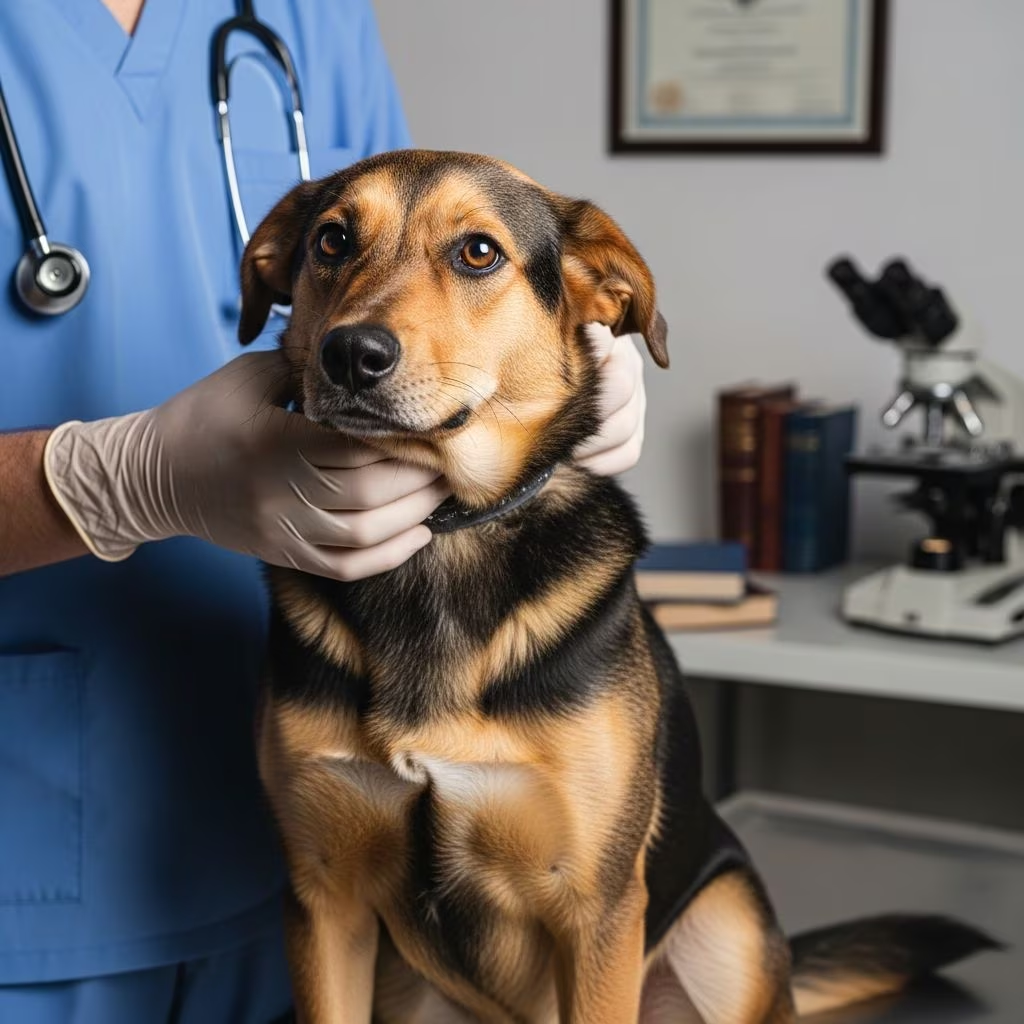
Understanding Canine Rabies Virus
Canine rabies virus is one of the most serious infectious diseases affecting dogs worldwide, and it remains a significant public health concern. Rabies is a 100% fatal disease of mammals caused by lyssaviruses that attack the central nervous system. Because there is no effective treatment once clinical signs appear and the disease can also infect humans, vaccination against the rabies virus is required by law in most states. Dogs are considered the major vectors of rabies, with over 99 percent of human rabies cases transmitted from dogs to humans via dog bites. Understanding this disease is crucial for dog owners, veterinarians, and anyone who works with animals.
The rabies virus is a bullet-shaped, enveloped RNA virus measuring 180 by 70 nanometers, belonging to the Lyssavirus genus within the Rhabdovirus family. The virus targets the nervous system and is invariably fatal once clinical symptoms manifest. However, with proper preventive measures and prompt post-exposure treatment, rabies in both dogs and humans can be effectively prevented.
Transmission and Exposure Routes
Understanding how canine rabies spreads is essential for prevention. The most common mode of rabies virus transmission is through the bite and virus-containing saliva of an infected host. However, the disease can spread through multiple routes:
– Direct bite wounds with saliva contact- Contamination of mucous membranes (eyes, nose, mouth)- Aerosol transmission (rare)- Corneal and organ transplantations (exceptionally rare)
More than 90 percent of rabies exposure around the globe is through rabid dogs, making canine contact the primary transmission concern. Dogs may excrete the rabies virus in their saliva before clinical signs appear, potentially leading to infection of an unsuspecting and untreated bite victim. Research has documented cases where dogs recovered from clinical rabies and intermittently excreted virus in saliva for extended periods, with virus isolation occurring at 42, 169, and 305 days after recovery.
Notably, rabies is NOT contracted by simply petting an infected animal—direct contact with saliva or a fresh wound is necessary. However, it is best to play it safe and avoid all physical contact with animals suspected of having rabies.
Incubation Period and Clinical Development
The incubation period—the time between infection and symptom onset—varies considerably in dogs. Most clinical cases of rabies in dogs develop within 21 to 80 days after exposure; however, the incubation period may be shorter or considerably longer. The virus incubation period in dogs may vary from one week to several months and may be influenced by the site of infection, the virus dose, and the virus strain.
This variable incubation period creates a significant diagnostic challenge. In humans, one recorded case of rabies in the United States had an incubation period estimated reliably to be greater than 8 years, demonstrating how unpredictably this disease can manifest.
Clinical Signs and Symptoms
Identifying clinical signs of rabies in dogs is vital, though diagnosis by clinical signs alone is inadequate. Many rabid dogs develop “dumb rabies,” which can easily be overlooked. Dogs with rabies may exhibit the following symptoms:
– Changes in behavior and temperament- Excessive drooling or foaming at the mouth- Hypersensitivity to light, sound, or touch- Paralysis, often beginning in the hind legs- Aggression or unusual fearfulness- Disorientation and confusion- Difficulty swallowing- Jaw dropping or facial paralysis- Sudden death without prior signs
Some infected dogs may die without showing any signs of rabies, making prevention through vaccination the only reliable protection.
Geographic Distribution and Variants
Rabies affects dogs worldwide, but the presence and prevalence of specific canine rabies virus variants differ by region. The canine rabies virus variant was established in dogs and coyotes in Texas but was eliminated by the beginning of the 21st century through comprehensive vaccination programs. However, the canine rabies virus variant continues to exist in Africa, Asia, the Middle East, and parts of Central and South America and the Caribbean, with the potential to spread throughout the United States if reintroduced.
This geographic distinction highlights why vaccination remains critical, particularly for dogs in areas with known rabies presence or those with potential exposure to wildlife.
Diagnosis and Laboratory Testing
Definitive diagnosis of rabies requires laboratory confirmation, particularly since clinical signs alone are insufficient for diagnosis. When a dog exhibits signs consistent with rabies or has bitten a person, veterinarians follow specific protocols. Any healthy domestic dog that exposes a person (through bites or by depositing saliva in a fresh wound or on a mucous membrane) should be confined for 10 days; if the animal develops any clinical signs of rabies during that period, it should be euthanized and its brain promptly submitted for rabies diagnosis, taking care not to damage the brain and to include the brainstem.
The brain tissue examination using direct fluorescent antibody testing remains the gold standard for confirming rabies diagnosis. This procedure must be conducted carefully to preserve tissue integrity for accurate results.
Prevention Through Vaccination
Vaccination is the most effective strategy for preventing canine rabies and protecting both dogs and human populations. Rabies is considered a core vaccine for dogs, and the rabies vaccine is typically administered to pets in a separate injection at the same time as the canine distemper combination vaccine. However, the rabies vaccine can also be given alone at a separate visit or simultaneously with other vaccines such as the Lyme disease vaccine.
Vaccination requirements and schedules vary by location:
– Initial rabies vaccination is typically given at 12-16 weeks of age- A booster is administered one year later- Subsequent boosters are given every 1-3 years, depending on the vaccine used and local regulations- Vaccination requirements are mandated by law in most states
By preventing dogs from contracting the disease through vaccination, we can also prevent it from spreading to humans. This preventive approach not only halts the transmission of rabies but also reduces the fear and stigma associated with dogs, which in turn lowers the risk of unnecessary culls and mistreatment.
Management of Exposed Dogs
Proper management of dogs exposed to rabies is critical for public health protection. The National Association of State Public Health Veterinarians (NASPHV) recommends specific protocols:
Unvaccinated Dogs
Any unvaccinated dog exposed to rabies should be euthanized immediately. If the owner is unwilling to do this, the animal should be placed in strict isolation with no human or animal contact for 4 to 6 months and vaccinated against rabies as soon as possible upon entry into quarantine.
Vaccinated Dogs
If an exposed domestic animal is currently vaccinated, it should receive medical assessment and wound care, be revaccinated immediately, and be closely observed for 45 days.
Community Control and Prevention Strategies
Integrated veterinary management of local animal populations represents the most cost-effective, humane, and long-term solution to eliminating regional rabies virus variants. Comprehensive prevention and control strategies include:
– Notification of suspected cases and euthanasia protocols- Decrease of contact rates between susceptible dogs through leash laws and dog movement control- Mass immunization campaigns targeting both owned and stray dogs- Stray dog control and management of unvaccinated populations- Dog registration requirements- Oral vaccination of wildlife reservoirs- Education to avoid exposure to suspect animals- Promotion of responsible animal ownership
Effective surveillance is crucial for tracking and tracing rabies outbreaks back to their source, achieved through hotlines where the public can report sightings of potentially rabid dogs, partnerships with animal welfare organizations, and collaborations with hospitals that report human rabies cases. This approach, known as Integrated Bite Case Management (IBCM), has proven highly effective in reducing rabies incidence in communities that implement it comprehensively.
Human Post-Exposure Prophylaxis
Despite the severity of rabies, modern medical intervention offers hope for human bite victims. For healthy, unvaccinated patients bitten by a rabid animal, post-exposure prophylaxis consists of wound care, local infiltration of rabies immune globulin, and vaccine administration on days 0, 3, 7, and 14. When provided in a timely and appropriate manner, modern post-exposure prophylaxis virtually assures human survival.
Rabies in humans can be prevented after exposure by proper wound care, infiltration of all bite sites with rabies immune globulin in the unvaccinated individual, and administration of several doses of rabies vaccine. All persons at occupational risk of rabies virus exposure, including veterinarians, should receive pre-exposure vaccination.
Global Impact and Public Health Significance
Canine rabies represents a looming threat to public health because rabid dogs bite humans, resulting in thousands of deaths every year. More than 99 percent of human rabies deaths are attributable to dogs, making this disease a critical global health concern, particularly in developing regions. Despite existing vaccines and post-exposure prophylactic treatment, rabies remains a neglected disease that is poorly controlled throughout much of the developing world, particularly in Africa and Asia, where most human rabies deaths occur.
However, with sustained international commitments and comprehensive vaccination programs, global elimination of rabies from domestic dog populations—the most dangerous vector to humans—is considered a realistic goal.
Frequently Asked Questions About Canine Rabies
Q: Can a dog recover from rabies?
A: Once clinical signs of rabies appear, the disease is 100% fatal in dogs. However, research has documented rare cases where dogs survived clinical rabies and subsequently intermittently excreted the virus in saliva, though this is extremely uncommon.
Q: How long after a bite should I seek medical attention?
A: Seek medical attention immediately after any animal bite. Post-exposure prophylaxis is most effective when administered promptly. Vaccine administration on days 0, 3, 7, and 14 provides optimal protection when proper wound care and rabies immune globulin infiltration are also provided.
Q: Is the rabies vaccine safe for my dog?
A: Yes, rabies vaccines are safe and effective. The benefits of vaccination far outweigh any minimal risks. Vaccination is required by law in most states and is essential for protecting both your dog and your community.
Q: Can I get rabies from petting an infected dog?
A: No, rabies is not contracted by simply petting an infected animal. The virus requires direct contact with saliva through a bite or fresh wound. However, it is best to avoid all physical contact with animals suspected of having rabies.
Q: What should I do if my vaccinated dog is bitten by a potentially rabid animal?
A: Contact your veterinarian immediately. Your vaccinated dog should receive medical assessment, wound care, immediate revaccination, and close observation for 45 days. Prompt veterinary intervention significantly reduces rabies risk.
Q: How often does my dog need rabies boosters?
A: Booster frequency depends on the specific vaccine used and local regulations, typically ranging from every 1 to 3 years. Your veterinarian can recommend the appropriate schedule based on your location and your dog’s vaccine type.
References
- Rabies in Animals – Nervous System — MSD Veterinary Manual. 2024. https://www.msdvetmanual.com/nervous-system/rabies/rabies-in-animals
- Canine Rabies: A Looming Threat to Public Health — PubMed Central (NIH). 2015. https://pmc.ncbi.nlm.nih.gov/articles/PMC4513477/
- What is rabies? — Veterinary Practice. 2024. https://www.veterinary-practice.com/article/what-is-rabies
- Canine Distemper/Parvo/Bordetella and Rabies Vaccine — Vetstreet. https://www.vetstreet.com/care/canine-distemper-parvo-bordetella-and-rabies-vaccine
- Excretion of Street Rabies Virus in the Saliva of Dogs — JAMA Network. https://jamanetwork.com/journals/jama/fullarticle/656160
- Myths & Facts About Rabies — Total Veterinary Care. https://www.totalveterinarycare.com/for-dog-lovers/myths-facts-about-rabies/



