

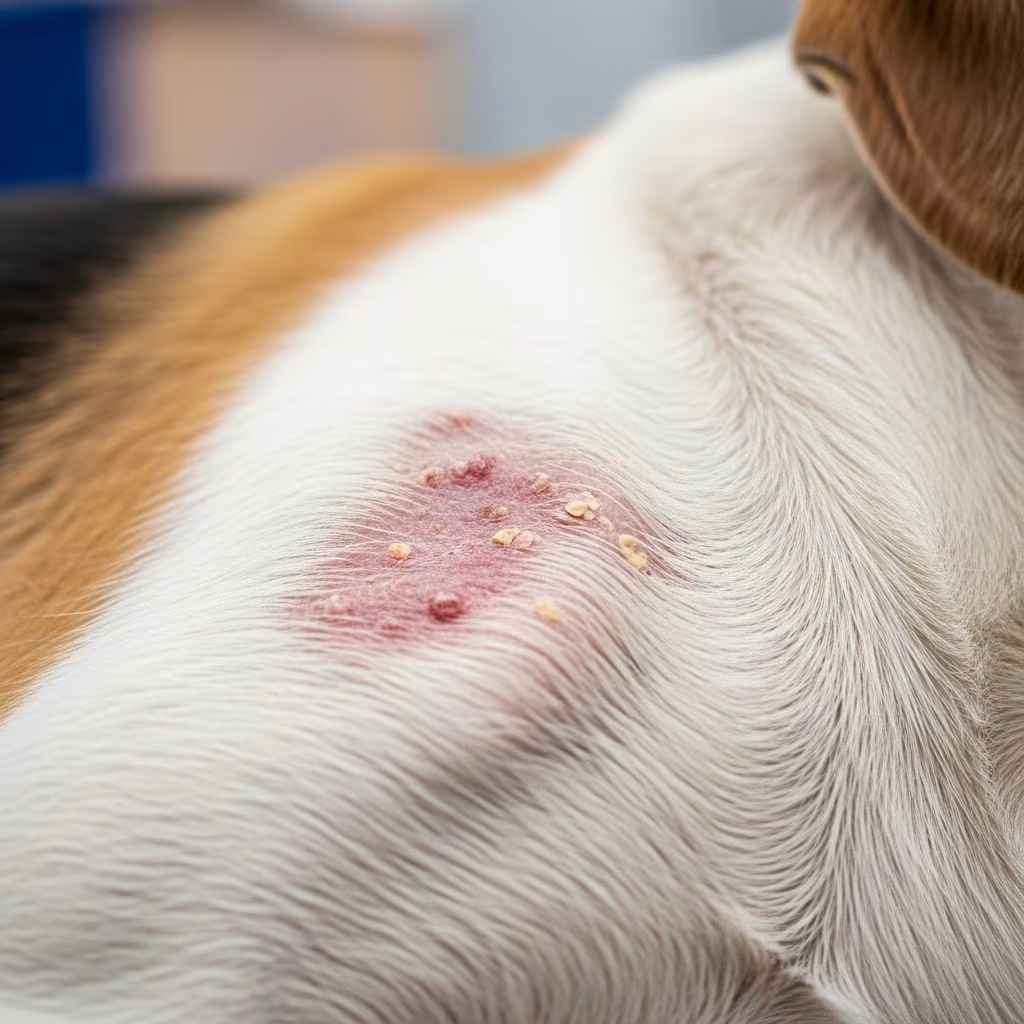
Psoriasis in dogs manifests as a rare autoimmune disorder leading to thickened, scaly skin patches due to rapid cell turnover triggered by immune irregularities. While uncommon compared to allergies or infections, it demands prompt attention to alleviate discomfort and prevent complications.
Understanding the Nature of Canine Skin Psoriasis
Unlike human psoriasis, which is well-documented, canine versions are less prevalent and often mimic other dermatological issues. The condition arises when the dog’s immune system malfunctions, prompting excessive skin cell production that forms visible plaques. This overproduction stems from T-cell abnormalities, where the body mistakenly attacks healthy cells, resulting in inflammation and persistent itchiness.
Breeds such as West Highland White Terriers and Golden Retrievers show higher susceptibility, possibly due to genetic factors combined with environmental triggers. Early recognition is vital, as unchecked scratching can lead to secondary bacterial infections or hot spots—moist, rapidly expanding lesions from self-trauma.
Key Indicators of Psoriasis in Dogs
Owners often first notice excessive scratching or biting at specific areas, signaling underlying irritation. Common signs include:
- Dry, flaky skin forming silvery scales over red bases, particularly on elbows, knees, ears, and the back.
- Thickened plaques that may crack and bleed after intense grooming.
- Persistent odor from accumulated debris or secondary yeast overgrowth.
- Hair loss in affected zones, revealing inflamed skin beneath.
- Behavioral shifts like restlessness at night due to unrelieved itching.
These symptoms can intensify in warm, humid conditions, exacerbating hot spot development. Differentiating from eczema or seborrhea requires professional evaluation, as visual similarities abound.
Root Causes Behind Immune-Mediated Skin Issues
The primary driver is a compromised immune response, where T-cells proliferate abnormally, accelerating keratinocyte division. This cascade builds epidermal layers faster than shedding occurs, creating scaly accumulations.
Contributing factors include:
- Allergens: Food sensitivities, pollen, or household dust can weaken immunity, mimicking or worsening psoriasis.
- Genetics: Hereditary predispositions in certain breeds heighten risk.
- Environmental stressors: Harsh shampoos, excessive bathing, or dry climates strip natural oils, aggravating dryness.
- Infections or parasites: Fleas, mites, or bacterial entry via scratches provide immune overload.
Though not contagious, these elements collectively disrupt skin barrier function, inviting chronic cycles of inflammation.
Diagnostic Approaches for Accurate Identification
Veterinarians employ a multi-step process to confirm psoriasis over lookalikes like allergies or fungal infections. Initial exams involve skin scrapings, cytology, and fungal cultures to rule out parasites or microbes.
| Method | Purpose | Details |
|---|---|---|
| Skin Biopsy | Definitive confirmation | Microscopic analysis reveals hyperkeratosis and T-cell infiltration. |
| Cytology | Infection check | Swabs identify bacteria or yeast overgrowth. |
| Allergy Testing | Trigger identification | Intradermal or blood tests pinpoint environmental culprits. |
| Clinical History | Pattern assessment | Reviews diet, grooming, and symptom chronology. |
This thorough protocol ensures tailored interventions, avoiding missteps that prolong suffering.
Topical Therapies for Immediate Relief
Localized treatments form the cornerstone of management, targeting inflammation and scaling directly. Medicated shampoos with coal tar, sulfur, or salicylic acid exfoliate plaques while soothing itch.
- Moisturizers: Emollients containing evening primrose oil or omega fatty acids restore hydration, reducing cracking.
- Antiseptics: Potassium permanganate soaks disinfect sores and curb bacterial spread.
- Steroid Creams: Low-potency topicals like hydrocortisone calm acute flares, applied sparingly to avoid thinning.
Regular bathing—weekly with vet-approved formulas—prevents buildup without over-drying. Pairing with humidifiers in arid homes maintains skin moisture.
Advanced Pharmaceutical Interventions
For moderate to severe cases, systemic options modulate immunity precisely. Key medications include:
- Apoquel (oclacitinib): Blocks itch-signaling cytokines like IL-31, offering rapid relief with minimal immunosuppression.
- Cytopoint: Monoclonal antibody injections neutralize IL-31 directly, administered every 4-8 weeks by professionals.
- Atopica (cyclosporine): Suppresses T-cell activation via calcineurin inhibition, ideal for long-term control.
- Corticosteroids: Prednisone pulses for flares, tapered to minimize side effects like thirst or appetite changes.
Monitoring is essential, especially around vaccinations, to balance efficacy and safety.
Nutritional Strategies to Bolster Skin Health
Diet profoundly influences immune resilience and epidermal integrity. High-quality proteins, sans fillers like corn or by-products, form the base.
Essential supplements:
- Omega-3/6 fatty acids from fish oil reduce inflammation.
- Zinc and vitamins C/D enhance barrier repair and immunity.
- Probiotics support gut-skin axis, mitigating allergy contributions.
Transition gradually, consulting vets for hypoallergenic formulas. Case studies show combined dietary shifts yielding marked improvements alongside meds.
Lifestyle Modifications for Long-Term Management
Beyond meds, holistic adjustments curb flares:
- Groom gently with soft brushes to remove scales without trauma.
- Limit sun overexposure, as UV can paradoxically soothe or irritate.
- Control parasites via monthly preventives.
- Reduce stress through routine exercise and enrichment.
Elizabethan collars prevent mutilation during peaks, allowing healing.
Preventive Measures and Prognosis
While incurable, psoriasis proves manageable with vigilance. Annual dermatology checks for at-risk breeds catch recurrences early. Prognosis brightens with adherence—many dogs enjoy symptom-free intervals.
Frequently Asked Questions (FAQs)
Is dog psoriasis contagious?
No, it’s an internal immune issue, not transmissible to other pets or humans.
How long until treatments work?
Topicals offer relief in days; systemic drugs within 24-48 hours, full control in weeks.
Can diet alone cure it?
Diet supports but rarely suffices without meds for moderate cases.
What breeds are prone?
Terriers and retrievers, though any dog can develop it.
When to see a vet urgently?
If bleeding, odor, or lethargy accompanies skin changes.
References
- Dog Psoriasis and Skin Problems: Signs, Causes, and Treatments — Revival Animal Health. 2023. https://www.revivalanimal.com/learning-center/dog-psoriasis-and-skin-problems-signs-causes-and-treatments
- What you need to know about psoriasis in dogs — Creative Science. 2023. https://creative.science/education/what-you-need-to-know-about-psoriasis-in-dogs
- Treatment options for psoriasis in dogs — Pets4Homes. 2024. https://www.pets4homes.co.uk/pet-advice/treatment-options-for-psoriasis-in-dogs.html
- Can Dogs Get Psoriasis? — WagWalking. 2023. https://wagwalking.com/wellness/can-dogs-get-psoriasis
- Canine skin autoimmune diseases — Cornell University College of Veterinary Medicine. 2024-02-01. https://www.vet.cornell.edu/departments-centers-and-institutes/riney-canine-health-center/canine-health-information/canine-skin-autoimmune-diseases
- Understanding Canine Skin Disorders — Creedmoor Road Animal Hospital. 2023. https://creedmoorroadanimalhospital.com/pet-dermatology-in-raleigh-nc/understanding-canine-skin-disorders/



