

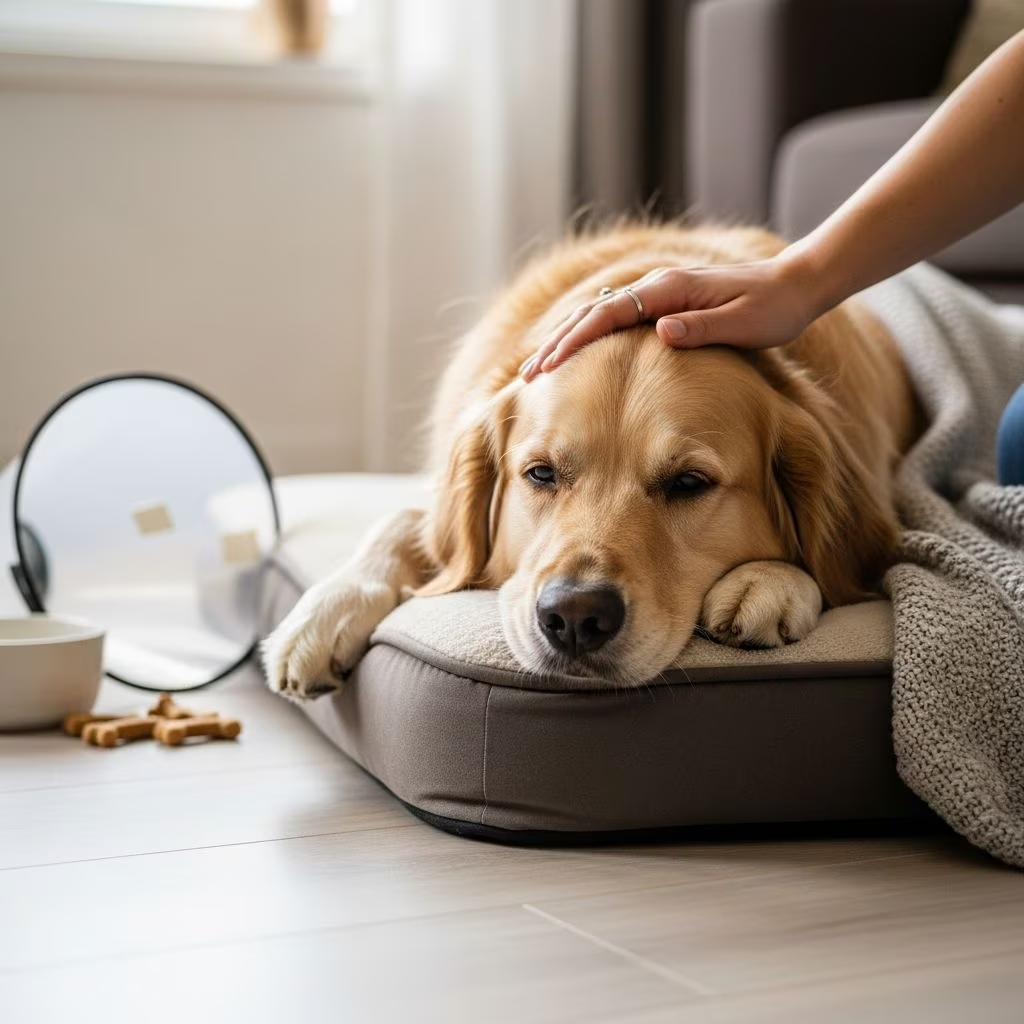
Surgical procedures, whether routine or complex, represent a significant physical event for your dog. The period following surgery is equally critical to the procedure itself, as proper aftercare directly influences healing speed, complication rates, and long-term outcomes. Understanding what to expect during recovery and implementing evidence-based care strategies will help your dog return to optimal health with minimal risk of setbacks.
The Immediate Post-Surgical Period: First 48 Hours
The first two days following surgery establish the foundation for successful recovery. During this window, your dog’s body is managing multiple challenges simultaneously: metabolizing anesthesia, responding to surgical trauma, and initiating the biological repair process.
Expect your dog to exhibit grogginess and mild disorientation as anesthetic agents clear from their system. This altered state is completely normal and typically resolves within the first 24 hours. Some dogs appear confused about their surroundings or move unsteadily, which can be distressing for owners but represents expected physiological recovery.
Appetite suppression commonly occurs during this period. Most dogs regain interest in food within 24 hours, though some may show delayed appetite return. This temporary reduction in food intake rarely requires intervention and should normalize as your dog’s neurological function stabilizes.
Pain and localized swelling at the surgical site are anticipated responses. Your veterinarian will have prescribed appropriate pain management medications—administering these on schedule is essential, regardless of whether your dog visibly displays discomfort. Post-operative pain medication also reduces stress and promotes rest, both critical for healing.
Environmental Optimization for Recovery
Creating an appropriate recovery environment directly affects your dog’s healing trajectory. The physical space where your dog rests should prioritize comfort, safety, and minimal stress.
Select a quiet area away from household traffic, other pets, and sudden stimuli. High-energy environments trigger excitement and movement, counteracting the necessary rest phase. A dedicated recovery zone—whether a crate, bedroom corner, or bathroom—should feature:
- Soft, clean bedding that supports comfortable positioning without excessive softness that promotes movement
- Climate control maintaining temperatures between 68°F and 75°F (20°C–24°C)
- Adequate ventilation and freedom from drafts
- Easy access to water bowls and elimination breaks without navigating stairs or obstacles
- Minimal visual or auditory disturbances
If your home layout necessitates multiple floors, consider temporarily relocating your dog’s recovery area to ground level to eliminate stair climbing entirely. Stairs impose significant strain on healing tissues and increase fall risk during mobility limitations.
Controlling Physical Activity: The Foundation of Healing
Activity restriction represents the single most important post-operative care element, yet it presents practical challenges for active dogs and concerned owners. Understanding why limitation is necessary helps maintain resolve when your dog pleads for normal activity.
Excessive movement during early healing phases creates tension on incision sites and surrounding tissues. This mechanical stress can trigger:
- Incision separation or dehiscence, where sutured layers pull apart
- Seroma formation, fluid accumulation between tissue layers causing delayed healing
- Infection risk through contamination of compromised incision integrity
- Increased inflammation extending recovery timelines
- In orthopedic cases, hardware migration or breakage of surgical implants
Most procedures require activity restriction for 7–10 days minimum, with complex surgeries requiring 4–8 weeks or longer. Your veterinarian will specify exact limitations based on your dog’s specific procedure and individual factors.
Standard activity restrictions include:
- Elimination of running, jumping, and rough play
- Leash-only outdoor excursions for bathroom breaks
- Avoidance of stairs whenever possible
- Restricted interaction with other animals
- Prohibition on swimming or bathing during early healing phases
- Crate rest recommended for certain procedures, particularly orthopedic surgeries
Implementing these restrictions can be challenging with energetic dogs. Offer mental stimulation through puzzle toys, sniffing games with treats hidden in blankets, and quiet companionship rather than physical activity. This approach maintains engagement while respecting healing requirements.
Managing Post-Operative Pain and Discomfort
Pain management extends beyond comfort; it facilitates healing by reducing stress hormones that impede tissue repair and promotes rest necessary for recovery. Untreated or under-treated pain increases anxiety, prevents sleep, and encourages excessive movement—all counterproductive to healing.
Your veterinarian will prescribe pain medications tailored to your dog’s surgical type, size, and individual response. Administering medications precisely as directed—on schedule rather than only when pain becomes apparent—maintains consistent comfort levels and prevents breakthrough pain that disrupts rest.
Never substitute human pain relievers for veterinary-prescribed medications. Common over-the-counter painkillers intended for human use can cause serious toxicity in dogs and may interfere with prescribed regimens.
Monitor your dog for signs of inadequate pain control: restlessness, panting, reluctance to move, or excessive vocalization. If these symptoms persist despite following medication schedules, contact your veterinarian immediately to discuss potential dosage adjustments or alternative pain management strategies.
Nutritional Support During Recovery
Proper nutrition accelerates tissue repair and strengthens your dog’s immune system during recovery. While some appetite suppression is normal immediately post-surgery, reintroducing appropriate food gradually and maintaining balanced nutrition supports healing efficiency.
Offer your dog’s regular diet in small portions when appetite returns, typically within 24 hours. Frequent small meals are preferable to larger, infrequent portions. Ensure constant access to fresh water, as proper hydration supports all physiological healing processes.
If your veterinarian has recommended dietary modifications, follow these instructions precisely. Some procedures benefit from increased protein to support tissue reconstruction, while others may require temporary dietary adjustments for gastrointestinal comfort.
Avoid offering treats, table scraps, or diet changes during recovery unless specifically recommended by your veterinarian. Dietary inconsistency can disrupt digestive function already stressed by surgery and medications.
Incision Care and Monitoring Protocols
Regular incision inspection enables early identification of complications, allowing prompt veterinary intervention. Examine the surgical site twice daily using good lighting and clean hands.
Healthy incisions display these characteristics:
- Clean, dry appearance without excessive oozing or discharge
- Minimal swelling that gradually decreases over days
- Edges remaining in close approximation without gaping
- Absence of redness extending beyond immediate incision margins
- Sutures or staples remaining intact and properly positioned
Concerning signs requiring immediate veterinary attention include:
- Discharge with pus, blood, or foul odor
- Increasing redness, warmth, or swelling after initial 48 hours
- Incision opening or gaping between sutures
- Excessive licking or chewing at the incision site
- Fever or systemic signs of infection
Keep the incision clean and dry. Avoid bathing or swimming until your veterinarian confirms the wound has sufficiently healed, typically after suture removal. Moisture introduces bacteria and compromises incision integrity. If cleaning is necessary, use only sterile saline or products specifically recommended by your veterinarian.
Prevent your dog from licking or chewing the incision by using an appropriately-fitted Elizabethan collar (cone) if necessary. Self-trauma to surgical sites can undo proper healing and introduce infection.
Recovery Timeline: What to Expect at Each Stage
Recovery progression varies significantly based on surgery type, your dog’s age, overall health, and individual healing capacity. Understanding typical milestones helps distinguish normal recovery from concerning complications.
Days 1–2 (Immediate Post-Op): Grogginess, mild disorientation, decreased appetite, pain and swelling at incision site. Primary focus: comfort, pain management, and rest.
Days 3–7 (Early Healing Phase): Improved alertness and appetite, visible incision swelling beginning to diminish. Your dog may appear ready for normal activity but should remain restricted. Many veterinarians schedule suture removal around day 10–14 if non-absorbable sutures were placed.
Weeks 2–4 (Continued Healing): Most dogs show significant improvement in mobility and energy levels. However, internal healing continues progressing beneath healed skin. Tissue remains fragile, and activity should remain restricted until cleared by your veterinarian.
Weeks 4–8+ (Extended Recovery for Complex Procedures): Orthopedic surgeries and major abdominal procedures often require extended restriction. Your veterinarian may recommend physical rehabilitation exercises during this phase to restore strength and mobility.
Rehabilitation and Progressive Activity Restoration
As initial healing progresses, your veterinarian may recommend gentle rehabilitation to optimize recovery outcomes and prevent complications like muscle atrophy.
Appropriate rehabilitation interventions include:
- Controlled leash walks: Short, slow-paced walks on flat terrain without hills or obstacles
- Passive range-of-motion exercises: Veterinarian-guided gentle joint movement
- Hydrotherapy: Water-based exercise that reduces joint stress while building strength
- Laser therapy: Photobiomodulation promoting circulation and reducing inflammation
- Massage therapy: Gentle tissue manipulation enhancing circulation
Never initiate rehabilitation without professional guidance. Exercises performed incorrectly or prematurely can cause additional injury. Your veterinarian will provide specific instruction on timing, intensity, and progression.
Full Recovery Expectations by Surgery Type
| Surgery Type | Typical Recovery Duration | Activity Restrictions |
|---|---|---|
| Spay or Neuter | 10–14 days | Strict restriction first 7–10 days; gradual progression afterward |
| Dental Procedures | 3–5 days | Soft food diet; minimal activity restriction |
| Mass or Tumor Removal | 2–3 weeks | Moderate restriction; incision care critical |
| Orthopedic Surgery (ACL, fracture repair) | 8–12 weeks | Strict restriction; structured rehabilitation protocol required |
| Abdominal Surgery (bloat, obstruction) | 4–6 weeks | Extended restriction; physical rehabilitation often recommended |
Identifying Healing Progress and Complications
Monitor your dog for indicators of proper healing. Progressive improvement in these areas suggests appropriate recovery:
- Steadily decreasing incision swelling and redness
- Restored appetite and normal bowel/urinary function
- Improved mobility and willingness to move comfortably
- Reduced pain evident through decreased panting, restlessness, or vocalization
- Normal behavior and personality returning
Contact your veterinarian immediately if your dog exhibits:
- Persistent fever or lethargy beyond 48 hours
- Signs of incision infection or dehiscence
- Significant swelling not improving after 7 days
- Inability or unwillingness to bear weight on affected limbs (orthopedic cases)
- Vomiting, diarrhea, or loss of appetite persisting beyond 24–48 hours
- Excessive pain despite pain medication administration
Frequently Asked Questions About Post-Surgical Recovery
- Is excessive sleeping after surgery normal?
- Yes. Increased sleep during the first 24–48 hours results from anesthesia metabolism and pain medication effects. This rest is beneficial and promotes healing. Contact your veterinarian if lethargy persists beyond 48 hours or appears accompanied by other concerning symptoms.
- When should my dog return for follow-up veterinary examination?
- Most veterinarians schedule follow-up visits 7–14 days post-surgery for suture removal and incision assessment. If you notice concerning symptoms, contact your veterinarian immediately rather than waiting for the scheduled appointment.
- Can my dog go outside during recovery?
- Short, controlled leash walks for bathroom elimination are appropriate after the first few days. Avoid extended outdoor time, off-leash activity, or environments with other animals. Keep outdoor exposure brief and controlled.
- What should I feed my dog after surgery?
- Maintain your dog’s regular diet once appetite returns, typically within 24 hours. Offer small, frequent portions. Avoid dietary changes unless recommended by your veterinarian. Ensure constant access to fresh water.
- How long until my dog can resume normal play and exercise?
- Timeline depends on surgery type. Most routine procedures allow gradual activity increases after 7–10 days, with full unrestricted activity permitted after 2–3 weeks. Orthopedic and major abdominal surgeries require much longer restriction, often 8–12 weeks. Always follow your veterinarian’s specific timeline.
- What if my dog refuses to stay calm during recovery?
- Consult your veterinarian about appropriate anxiety management strategies. Some dogs benefit from crate training, prescription anti-anxiety medication, or increased mental stimulation through puzzle toys and sniffing games rather than physical activity.
Conclusion: Commitment to Comprehensive Recovery
Successful post-surgical recovery requires consistent attention to detail, patience, and close collaboration with your veterinary team. By creating an appropriate recovery environment, implementing activity restrictions, managing pain effectively, maintaining proper nutrition, and monitoring the incision site, you significantly enhance healing outcomes and minimize complication risk.
Remember that every dog heals individually. Age, breed, overall health status, and surgery complexity all influence recovery timelines. Trust your veterinarian’s specific guidance for your dog’s situation, and don’t hesitate to contact them with questions or concerns. Your vigilant post-operative care directly determines whether your dog returns to full health with minimal complications or encounters preventable setbacks that extend recovery and compromise long-term outcomes.
References
- Post-Operative Instructions in Dogs — VCA Animal Hospitals. https://vcahospitals.com/know-your-pet/post-operative-instructions-in-dogs
- After Surgery: How to Care for Your Pet — ASPCA Spay Neuter Alliance. https://www.aspca.org/aspca-spay-neuter-alliance/after-surgery-instructions
- Caring for Your Cat or Dog After Surgery — MedVet. https://www.medvet.com/post-surgery-care-for-pet/
- Comfort a Dog After Surgery: Vet-Approved Tips — Dublin Vet Clinic. https://www.dublinvetclinic.com/comfort-dog-after-surgery-vet-tips/
- How Many Days Does It Take for a Dog to Recover from Surgery? — Mission Road Animal Clinic. https://www.missionroadanimalclinic.com/how-many-days-does-it-take-dog-to-recover-from-surgery/



