

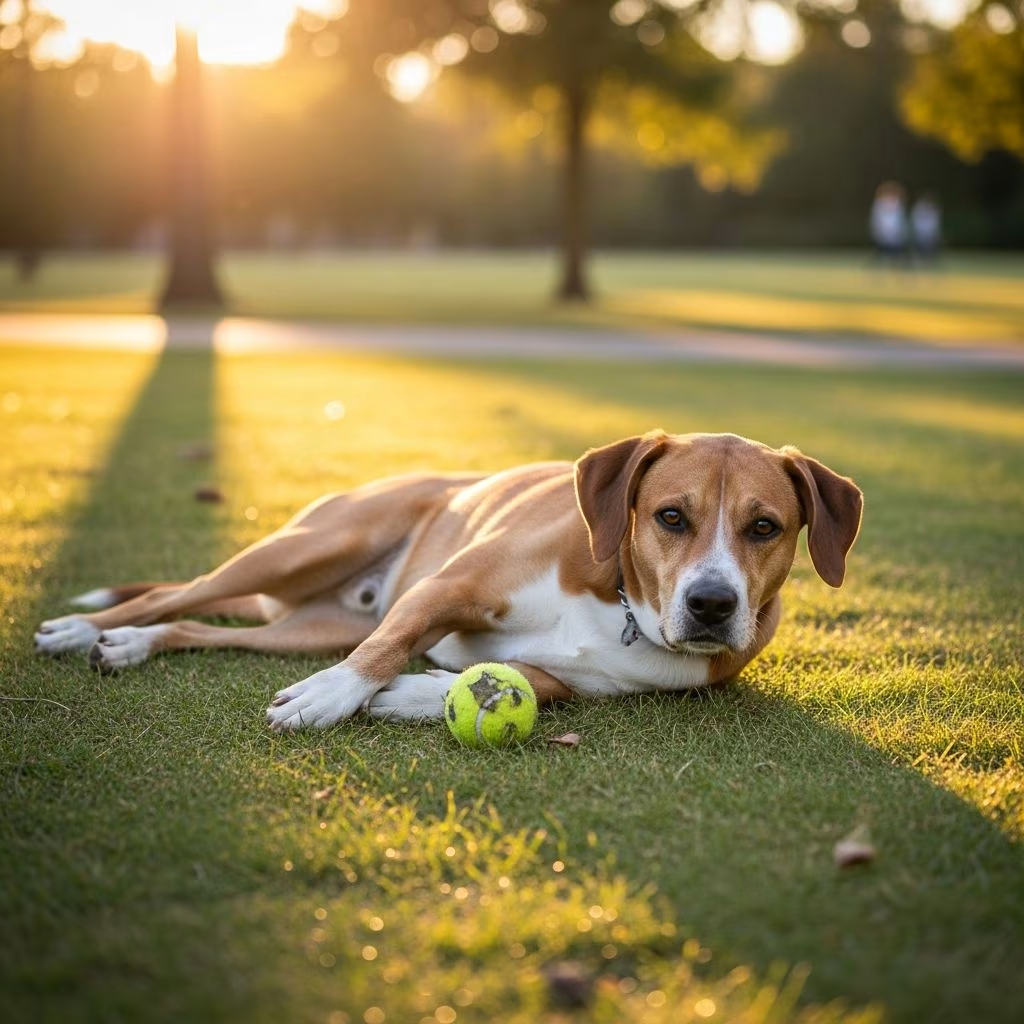
After an energetic play session or a long walk, it is common to see your dog settle down and rest. However, understanding the difference between normal tiredness and concerning exhaustion is essential for maintaining your canine companion’s health and well-being. Dogs experience physical and metabolic changes during exercise that require time to normalize, but when recovery takes longer than expected or accompanied by unusual symptoms, it may signal that something is amiss.
The Physiology of Exercise Recovery in Dogs
When your dog engages in physical activity, multiple systems in the body work together to fuel movement and maintain function. The cardiovascular system pumps blood more rapidly, muscles consume stored energy, and the respiratory system works harder to deliver oxygen throughout the body. During this time, the body also generates heat, which the dog must dissipate through panting and increased blood flow to the skin.
Recovery involves the reversal of these processes. In a healthy dog, the heart rate should return to normal within a few minutes after exercise concludes, and breathing should stabilize relatively quickly. The muscles repair themselves by replenishing energy stores, and the body restores normal acid-base and electrolyte balance. This recovery process relies heavily on proper cardiovascular function, healthy muscles, and an efficient respiratory system.
During prolonged or intense exercise, the body consumes significant amounts of water and electrolytes while generating excess heat. The dog’s panting mechanism helps cool the body but can lead to dehydration if adequate water is not available or if the exercise duration is excessive. Training and conditioning can improve how efficiently a dog’s body manages these demands, allowing for faster recovery and greater exercise tolerance overall.
What Constitutes Normal Post-Exercise Fatigue
Distinguishing between healthy tiredness and problematic exhaustion begins with understanding what normal fatigue looks like. A dog that has engaged in appropriate exercise typically displays the following characteristics:
- Settles calmly after drinking water and consuming their regular food
- Breathing returns to normal within ten to fifteen minutes following the activity
- Moves comfortably without limping or stiffness later that day and the following day
- Regains normal energy levels within a few hours and is ready for regular activities the next morning
- Shows interest in play or interaction after a reasonable rest period
A tired dog after appropriate exercise will often seek a comfortable place to rest, may drink water, and will eventually fall asleep. Upon waking, the dog should be alert and mobile. This pattern indicates that the exercise matched the dog’s current fitness level and capacity.
Identifying Signs of Overexertion
Overexertion occurs when the intensity, duration, or frequency of exercise exceeds what your dog’s body can safely tolerate. The signs of overexertion manifest in both immediate and delayed ways, providing multiple opportunities to recognize when your dog has been pushed too hard.
Immediate Physical Indicators
Excessive panting is perhaps the most visible sign of overexertion. While panting during exercise is normal, panting that remains heavy long after you have stopped exercising is not. Dogs pushed to their limits may pant intensely for ten to twenty minutes or longer, struggling to calm their breathing or breathing with an open mouth and wide tongue even while simply walking slowly. If your dog’s breathing has not returned to normal within approximately ten to fifteen minutes after a regular walk or run, the session was likely too demanding.
Muscular pain and stiffness typically appear after the dog has rested following excessive exercise. You may notice your dog struggling to rise from a lying position, refusing to walk up or down stairs, or moving with visible discomfort. These signs indicate that the muscles have been stressed beyond their conditioning level and require recovery time.
Behavioral changes during exercise sessions reveal when fatigue is setting in. Dogs experiencing exhaustion may show reluctance to continue, repeatedly lying down mid-activity, or demonstrating noticeably lower stamina on routes that were previously manageable. During training sessions specifically, an exhausted dog may actively seek escape routes, make visible efforts to retreat from the activity, or show an inability to perform previously mastered skills as well as usual.
Delayed Recovery Indicators
Persistent lethargy after exercise is a key warning sign. If your dog continues to appear tired even after a prolonged rest period and shows little energy for normal activities, this may indicate delayed recovery. This differs from normal post-exercise napping and represents a concerning pattern of prolonged low energy.
Changes in movement patterns emerge in the hours and days following overexertion. Limping, favoring one leg, stiffness when getting up after rest, reluctance to jump on furniture or into the car, and flinching when certain muscles or joints are touched all suggest exercise-induced injuries or strain.
Appetite changes can accompany overexertion. A dog that normally eats eagerly may show reduced appetite or no interest in food after excessive exercise, a response related to the body’s recovery demands and stress state.
Health Conditions That Affect Recovery Speed
Some dogs recover slowly after exercise not because they have been overexerted, but because an underlying health condition impairs their body’s ability to bounce back effectively. Recognizing these conditions is crucial for appropriate management and preventing serious complications.
Cardiovascular Issues
Heart disease significantly impacts exercise recovery. Dogs with conditions such as valve insufficiency or cardiomyopathy have impaired heart function that reduces the heart’s ability to pump blood efficiently. This leads to reduced oxygen supply throughout the body, which slows recovery dramatically. Dogs with heart disease may develop weakness, fatigue, and lethargy, and show a reduced ability to exercise even with minimal activity. A heart that takes longer than normal to return to its baseline rhythm after exertion warrants veterinary evaluation.
Respiratory Complications
Respiratory diseases, such as chronic bronchitis or pulmonary fibrosis, impair the dog’s ability to take in oxygen efficiently. This means the body cannot quickly compensate for the oxygen deficit created during exercise, and recovery is prolonged. Brachycephalic breeds—those with flat faces like Pugs, French Bulldogs, and Boston Terriers—have airway structures that make breathing during exercise inherently more difficult. These breeds experience noisy or labored breathing, gagging, and risk of collapse in heat or with intense effort, requiring shorter walks and careful monitoring.
Metabolic and Muscular Disorders
Muscle inflammation, metabolic diseases like hypothyroidism, and other muscular disorders prevent the body from working efficiently. When the body cannot process energy or repair muscle tissue effectively, fatigue persists long after exercise concludes. Certain conditions also affect electrolyte balance and carbohydrate metabolism, which are critical for both energy production during exercise and recovery afterward.
Environmental and Individual Risk Factors
Beyond health conditions, several factors influence how quickly and completely a dog recovers from exercise.
Age and Physical Fitness
Younger, well-conditioned dogs typically recover faster than older dogs or those in poor physical condition. Dogs that are not regularly exercised or are overweight often have difficulty recovering quickly after exertion. Appropriate physical training is the most effective way to increase a dog’s capacity for exercise and reduce fatigue, as training leads to more effective oxygen use in body tissues, increased blood volume, and beneficial muscle adaptations.
Heat and Humidity
Environmental conditions dramatically affect a dog’s exercise tolerance and recovery. Overexercising in warm or humid weather can rapidly lead to heat exhaustion and then heatstroke, a life-threatening emergency. Signs of heatstroke include extreme, noisy, or distressed panting; bright red, pale, or blue-tinged gums; drooling, vomiting, or diarrhea; confusion; disorientation; or collapse, with body temperature exceeding 40–41°C (104–105.8°F). Dogs with heatstroke require immediate cooling and emergency veterinary treatment.
Nutrition and Hydration
A dog’s diet and access to water directly impact recovery capacity. Dehydration and electrolyte imbalances resulting from inadequate fluid intake during or after exercise can cause fatigue and exhaustion. Ensuring your dog has access to fresh water before, during, and after exercise is essential, particularly in warm weather or during extended activity sessions.
Comparing Normal Tiredness to Dangerous Exhaustion
| Characteristic | Normal Post-Exercise Tiredness | Dangerous or Concerning Exhaustion |
|---|---|---|
| Breathing Pattern | Returns to normal within 10–15 minutes | Heavy panting persists beyond 15–20 minutes |
| Recovery Timeline | Settles calmly after water and rest | Requires significantly more recovery time than usual |
| Movement | Comfortable movement, no limping | Limping, stiffness, difficulty rising from rest |
| Appetite | Normal eating patterns resume | Refusal to eat or markedly reduced appetite |
| Energy Levels | Returns to normal within hours | Persistent lethargy even after rest |
| Behavior | Alert and interactive after rest | Seeking escape routes, showing reluctance to move |
When to Seek Veterinary Care
Certain signs indicate that your dog requires professional veterinary evaluation without delay. You should take your dog to an emergency clinic if they show severe low energy accompanied by pale gums, labored breathing, or complete inability to move. Additionally, if your dog’s recovery time becomes noticeably longer than usual or if recovery is accompanied by symptoms like loss of appetite, weakness, or collapse, veterinary assessment is warranted to rule out underlying health issues.
Strategies for Safe Exercise and Recovery
Preventing overexertion begins with understanding your individual dog’s capacity. Gradually increase exercise intensity and duration rather than jumping to high-activity levels immediately. Warm up your dog’s muscles before intense exercise, which helps delay the onset of fatigue. Provide access to fresh water throughout activity, and ensure your dog acclimates to hot environments before engaging in exercise during warm weather.
Monitor your dog during exercise for signs of fatigue and be willing to end the session when you observe reduced energy, poor performance of commands, or behavioral changes. This responsiveness prevents overexertion before it causes injury or distress. Maintain a consistent exercise schedule that matches your dog’s age, breed, and fitness level rather than alternating between sedentary periods and intense activity.
Frequently Asked Questions
How long should normal dog recovery take after exercise?
In a healthy dog, breathing should return to normal within ten to fifteen minutes after typical exercise. Heart rate should normalize within a few minutes. Full recovery—returning to normal activity levels and energy—typically occurs within a few hours.
What is the difference between fatigue and exhaustion in dogs?
Fatigue is the normal tiredness that follows appropriate exercise and resolves with rest. Exhaustion refers to extreme tiredness that persists unusually long, may be accompanied by physical symptoms like limping or heavy panting, and can indicate overexertion or health problems.
Can certain dog breeds recover slower than others?
Yes. Brachycephalic breeds with flat faces inherently have more difficulty with breathing during exercise and recovery. Older dogs and those with underlying health conditions also recover more slowly. Properly conditioning your dog through consistent, appropriate exercise can improve recovery time.
Is it normal for a dog to be sore after exercise?
Mild soreness that resolves within a day or two may be normal, especially if your dog is returning to exercise after a period of inactivity. However, persistent soreness, limping, or reluctance to move warrants veterinary evaluation to rule out strain or injury.
What should I do if my dog shows signs of heat exhaustion?
Move your dog to a cool environment immediately, provide fresh water, and apply cool (not cold) water to the body. Seek veterinary care promptly, as heat exhaustion can progress to life-threatening heatstroke.
References
- Delayed Recovery after Exertion in Dogs — PetsVetCheck. Accessed January 2026. https://petsvetcheck.de/en/symptoms/dog/erholung-nach-belastung-langsam/
- 5 Signs Your Dog Is Getting Too Much Exercise — PetMD. https://www.petmd.com/dog/general-health/signs-your-dog-getting-too-much-exercise
- Signs of Overexercising a Dog: Catch Problems Early — Qpaws. https://qpaws.com/blog/signs-of-overexercising-a-dog-catch-problems-early
- Fatigue and Exercise in Dogs — Merck Veterinary Manual. https://www.merckvetmanual.com/dog-owners/metabolic-disorders-of-dogs/fatigue-and-exercise-in-dogs
- Dog Fatigue: When to End a Training Session — AKC Pet Insurance. https://www.akcpetinsurance.com/blog/canine-fatigue-6-signs-your-training-session-is-done-
- Lethargic Dog: How to Tell If It’s an Emergency & What to Do — GSVS. https://gsvs.org/blog/dog-lethargic-is-it-an-emergency/
- Reduced Ability to Exercise — Cummings School of Veterinary Medicine, Tufts University. https://vet.tufts.edu/foster-hospital-small-animals/specialty-services/cardiology/heartsmart/heart-disease-symptoms/reduced-ability-exercise



