

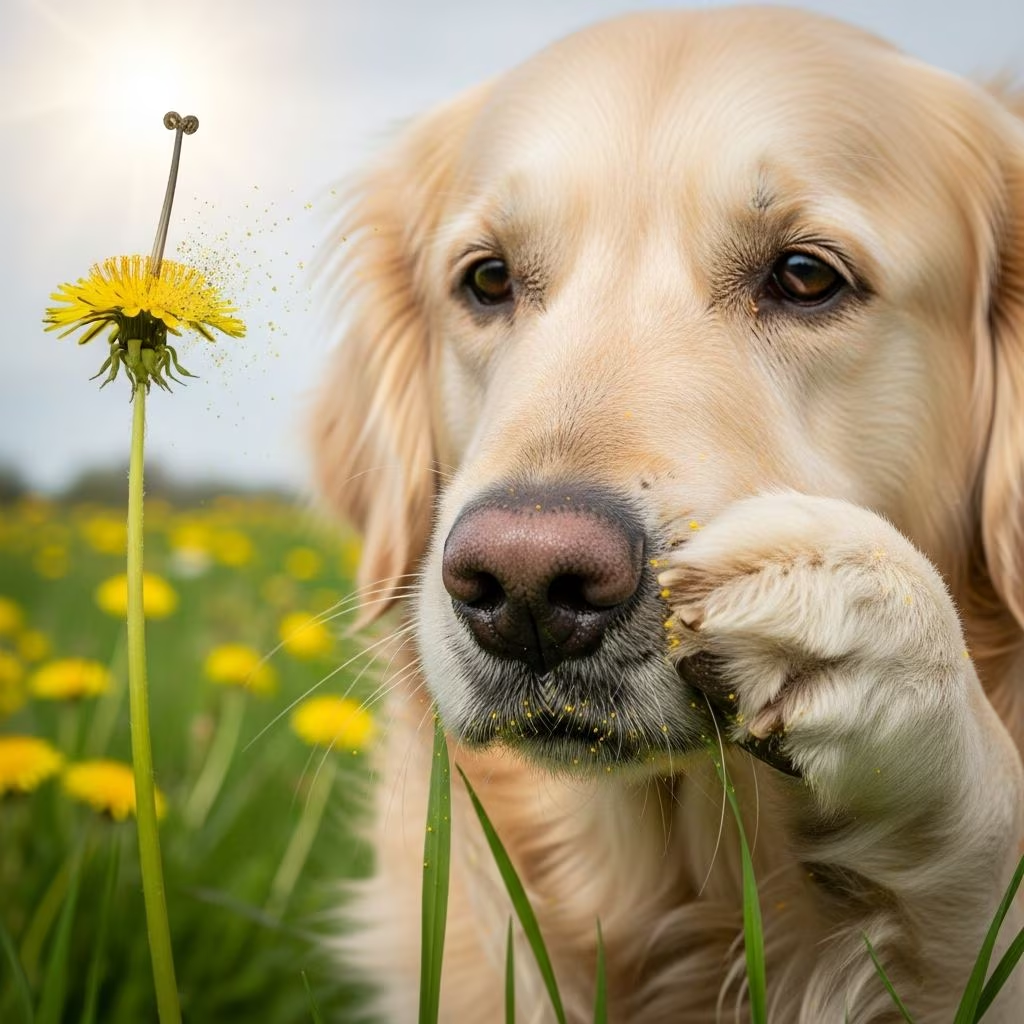
Dogs can develop pollen allergies similar to human hay fever, triggered by airborne particles during warmer months. These reactions cause discomfort through itching, respiratory issues, and skin problems, but targeted management strategies can significantly improve their quality of life.
Understanding Pollen Reactions in Canines
Pollen allergies in dogs arise when their immune systems overreact to proteins in plant pollen, leading to inflammation. Unlike food allergies, these are typically seasonal, peaking in spring and summer when grasses, trees, and weeds release pollen. Certain breeds with thinner coats or sensitive skin, such as Labrador Retrievers or Bulldogs, may be more prone, though any dog can be affected.
The condition manifests differently from humans due to dogs’ inability to rub their noses or blow them easily. Instead, they paw at their faces, shake their heads excessively, or chew on limbs. Environmental factors like high pollen counts exacerbate symptoms, making outdoor activities challenging during peak seasons.
Recognizing the Warning Signs
Early detection is crucial for preventing secondary issues like infections. Owners often notice changes in behavior alongside physical cues. Common indicators include:
- Persistent sneezing, sometimes in bursts
- Red, watery eyes with frequent blinking or pawing
- Clear nasal discharge that may thicken over time
- Intense skin itching leading to hot spots or hair loss
- Red rashes, especially on paws, belly, or muzzle
- Coughing or wheezing in more severe cases
- Lethargy or reduced interest in play
These symptoms mimic other conditions like infections or parasites, so tracking when they appear—correlating with local pollen forecasts—helps narrow it down.
Primary Triggers Behind Canine Pollen Sensitivity
Grass pollen is a frequent culprit, sticking to fur during walks. Tree pollens from oak or birch and weed pollens like ragweed also play roles, varying by region. Indoor allergens such as dust mites or mold can compound outdoor exposure. Genetic predisposition influences susceptibility, with some dogs inheriting heightened immune responses.
| Pollen Type | Season | Common Impact Areas |
|---|---|---|
| Tree | Spring | Eyes, Nose |
| Grass | Summer | Skin, Paws |
| Weed | Fall | Respiratory, Skin |
This table outlines seasonal patterns, aiding owners in anticipating flare-ups based on geography.
Diagnostic Approaches for Accurate Identification
Veterinarians start with a thorough history, noting symptom timing and severity. Physical exams check for skin lesions or ear issues. Intradermal skin testing pinpoints specific allergens by injecting tiny amounts under the skin and observing reactions. Blood tests like Heska’s Allercept screen for antibodies against common pollens.
Elimination trials rule out food allergies by switching to hypoallergenic diets for 8-12 weeks. Ruling out parasites via fecal exams or skin scrapes ensures comprehensive assessment. Advanced imaging like X-rays may evaluate nasal passages for structural problems.
Veterinary-Prescribed Medical Interventions
Treatment focuses on symptom relief and allergen avoidance since complete cures are rare. Veterinarians tailor plans based on severity.
- Topical Therapies: Medicated shampoos with oatmeal or chlorhexidine soothe skin. Eye drops with antihistamines reduce ocular inflammation, while nasal sprays target runny noses.
- Antihistamines: Diphenhydramine (Benadryl) or cetirizine (Zyrtec) block histamine effects. Dosing is weight-based—typically 1mg/lb every 8-12 hours—but only under vet guidance to avoid unsafe additives.
- Corticosteroids: Oral or injectable prednisone reduces swelling quickly but is short-term due to side effects like increased thirst. Inhaled forms via chambers like AeroDawg minimize systemic impact.
- Advanced Options: Apoquel or Cytopoint injections provide itch relief for weeks by targeting specific itch signals, ideal for chronic cases.
Immunotherapy: Long-Term Desensitization
For persistent allergies, immunotherapy builds tolerance. After testing identifies triggers, custom vaccine shots or sublingual drops are administered weekly, then monthly. Success rates reach 60-80% over 6-12 months, reducing reliance on drugs.
Owners report fewer symptoms and better mobility, though patience is key as full effects take time.
Environmental and Home-Based Strategies
Minimizing exposure complements meds. Wipe paws and coats post-walks with damp cloths. Bathe weekly with hypoallergenic shampoo to remove pollen—avoid overbathing to preserve skin oils. Vacuum frequently and use HEPA filters indoors.
Schedule walks for early morning or evening when pollen is lower. Mow lawns short and avoid grassy parks during peaks. Keep windows closed on high-pollen days, opting for air conditioning.
Holistic and Supportive Remedies
Natural aids include omega-3 supplements from fish oil to calm inflammation. Probiotics support gut health, potentially modulating immunity. Herbal rinses with chamomile offer mild soothing, but consult vets first.
A pollen diary tracks symptoms against bloom calendars, pinpointing culprits for targeted avoidance.
Preventing Complications from Untreated Allergies
Chronic itching invites bacterial infections, leading to pyoderma or ear otitis. Scratching creates wounds prone to hot spots. Respiratory distress can worsen to pneumonia if ignored. Proactive care prevents vet bills and suffering.
Seasonal Preparation Checklist
- Consult vet pre-season for prescriptions
- Stock wipes, shampoos, and meds
- Monitor pollen apps
- Update flea preventives (they can mimic allergies)
- Plan indoor activities
Frequently Asked Questions (FAQs)
Can all dogs get pollen allergies?
Yes, though some breeds are more susceptible. Symptoms vary by individual sensitivity.
Is Benadryl safe for dogs with hay fever?
In proper doses, yes, but vet approval is essential to avoid toxicity.
How long do allergy seasons last for dogs?
Typically 2-3 months per type, overlapping regionally.
Can diet help pollen allergies?
Hypoallergenic or novel protein diets rule out food triggers and support skin health.
When should I see a vet for my dog’s symptoms?
Immediately if symptoms persist >48 hours, worsen, or include breathing issues.
Breed-Specific Vulnerabilities
Short-nosed breeds like Pugs struggle more with nasal symptoms due to anatomy. Long-coated dogs trap pollen easily. Mixed breeds often show hybrid resilience but still need vigilance.
In summary, pollen allergies challenge dogs seasonally, but combined vet care, home strategies, and early intervention restore comfort. Regular check-ups ensure tailored, evolving plans.
References
- Hay Fever in Dogs: Signs, Symptoms, & Treatment — Purina. 2025-06-05. https://www.purina.com/articles/dog/health/respiratory/hay-fever-in-dogs
- Can Dogs Get Hay Fever? | Signs and Treatment — Vets Now. N/A. https://www.vets-now.com/pet-care-advice/can-dogs-get-hay-fever/
- Pet allergy – Diagnosis & treatment — Mayo Clinic. N/A. https://www.mayoclinic.org/diseases-conditions/pet-allergy/diagnosis-treatment/drc-20352198
- Allergic Rhinitis in Dogs — Trudell Animal Health. N/A. https://trudellanimalhealth.com/blogs/blog/allergic-rhinitis-in-dogs
- Allergy Medicine for Dogs: 10 Solutions to Calm Your Dog’s Itch — ToeGrips. N/A. https://toegrips.com/allergy-medicine-for-dogs-2/
- Dog Seasonal Allergies: Symptoms and Treatment — PetMD. N/A. https://www.petmd.com/dog/conditions/skin/seasonal-allergies-dogs



