Understanding Canine Play: The Psychology Behind Tug-of-War
Explore why dogs love tug-of-war and how this game benefits their physical and mental health.
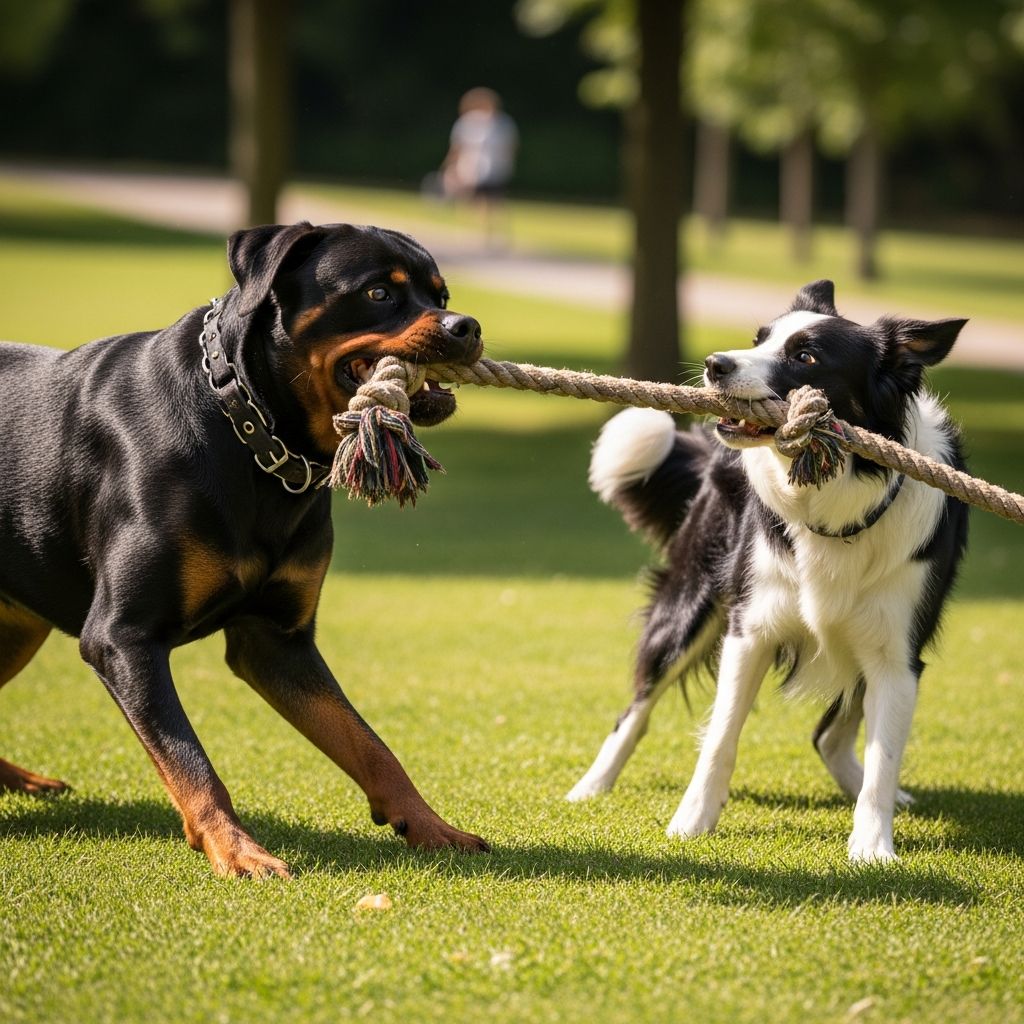
Tug-of-war stands as one of the most beloved interactive games between dogs and their owners, yet many people misunderstand its purpose and implications for canine behavior. What appears to be a simple game of pulling on opposite ends of a rope is actually a complex interaction that taps into fundamental aspects of dog psychology, physical development, and emotional bonding. Understanding why dogs are naturally drawn to this activity requires examining the intersection of evolutionary biology, behavioral science, and the specific ways dogs interact with their human companions.
The Evolutionary Foundation of Pulling and Tugging
Dogs are direct descendants of wolves, and this ancestral heritage shapes many of their behavioral preferences and instinctive drives. Throughout their evolutionary history, canines engaged in cooperative behaviors involving the manipulation of prey, including tearing and pulling apart food sources. Tug-of-war directly mimics these ancestral hunting and feeding behaviors, allowing modern dogs to express deeply ingrained predatory instincts within a safe, controlled environment.
When a dog engages in a tug-of-war game, they are essentially performing movements that their wild relatives would execute during a successful hunt. The sharp yanking motions, the pulling from the shoulders and neck, and the shaking action all correspond to the natural techniques canines use to immobilize and process prey. This is not aggression or dominance-seeking behavior—it is the expression of a perfectly normal biological drive that has been channeled into an appropriate interactive game.
The fact that puppies are particularly enthusiastic about tug-of-war demonstrates how early this preference emerges. Young dogs instinctively understand that pulling and tugging represent rewarding activities, making tug-of-war an ideal game for animals at nearly any life stage.
Physical Exercise and Energy Management
Beyond the psychological components, tug-of-war provides substantial physical benefits that contribute to overall canine health and well-being. This game is particularly valuable for managing the energy levels of dogs that might otherwise develop behavioral problems stemming from insufficient activity or stimulation.
The game involves multiple muscle groups working in coordinated effort, engaging the dog’s shoulders, neck, jaw, and core muscles in ways that many other games do not emphasize. For growing puppies, this physical engagement supports proper muscular development and body awareness. For adult dogs, regular tug-of-war sessions contribute to cardiovascular fitness and muscular maintenance.
The intensity of tug-of-war allows dogs to expend considerable energy in relatively short periods. This makes it particularly useful for high-energy breeds or individual dogs with elevated activity requirements. By providing this outlet, owners can reduce the likelihood of destructive behaviors that often emerge when dogs have insufficient physical outlets for their natural drives.
Cognitive Stimulation and Strategic Thinking
While physical exertion forms one important component of tug-of-war’s appeal, the cognitive demands of the game are equally significant. Dogs engaged in tug-of-war are not passively using their muscles; they are actively thinking about strategy, anticipating their opponent’s movements, and adjusting their approach based on feedback.
During gameplay, dogs must:
- Anticipate when their owner will pull or release the toy
- Adjust their grip and pulling angle based on resistance
- Strategize about the most effective way to maintain control of the toy
- Process commands such as “drop” or “release” when the rules require them to disengage
These cognitive demands keep dogs mentally sharp and focused, providing stimulation that complements their physical activity. For dogs that may be prone to anxiety or boredom, this combination of mental and physical engagement offers meaningful enrichment that strengthens overall psychological well-being.
Building Self-Control and Impulse Management
One of the most valuable training applications of tug-of-war involves teaching dogs to regulate their impulses and respond to behavioral boundaries. When structured with clear rules and expectations, tug-of-war becomes an excellent tool for developing self-control.
By establishing consistent commands such as “out” or “drop,” owners teach their dogs to disengage from the game despite their enthusiasm and excitement. This teaches puppies and dogs that external signals, even during moments of high arousal, take precedence over their immediate impulses. The ability to regulate responses despite strong emotional or physical stimulation is a foundational skill that transfers to many other aspects of dog training and behavior management.
Progressive training can incorporate additional commands into the game structure. Owners might ask their dogs to sit before resuming play or to wait at a distance before retrieving the toy. These integrated commands transform tug-of-war from simple recreation into a sophisticated training opportunity.
Strengthening the Human-Canine Bond
The interactive nature of tug-of-war creates a unique opportunity for emotional connection between dogs and their owners. This game inherently requires mutual participation and cooperation, fostering a shared experience that strengthens the emotional bond between human and animal.
Unlike many solo play activities where a dog might play with a toy independently, tug-of-war demands active engagement from both participants. This mutual involvement creates a context in which the dog and owner share an enjoyable experience, building positive associations with interaction and cooperation.
The collaborative nature of the game—where both participants contribute to the play experience—teaches dogs that interaction with their owner is rewarding and enjoyable. This strengthens attachment and can improve overall obedience and responsiveness in other contexts.
Confidence Development and Emotional Resilience
Successful participation in tug-of-war, particularly allowing the dog to occasionally win, contributes to confidence building and emotional resilience. Dogs that experience success and accomplish goals during play develop a stronger sense of self-efficacy and confidence in their interactions.
This confidence-building aspect is particularly significant for dogs that are naturally anxious, fearful, or socially withdrawn. A shy dog that successfully “wins” a tug-of-war game experiences a sense of accomplishment that can translate into increased confidence in other situations. The positive emotional experience associated with successful play can gradually reduce anxiety and build psychological resilience.
Debunking the Dominance Myth
One persistent misconception about tug-of-war centers on the belief that allowing a dog to win will establish or reinforce dominant behavior patterns. This theory, rooted in outdated dominance-based training philosophies, has been thoroughly refuted by contemporary behavioral science.
Research has conclusively demonstrated that the outcome of tug-of-war games does not affect the dog-human relationship’s dominance dimensions. Dogs do not interpret winning a game as establishing social hierarchy or dominance. Instead, they view tug-of-war primarily as an inherently rewarding interactive activity.
When conducted with established rules and mutual respect, tug-of-war represents a healthy and enjoyable activity that does not create behavioral problems. The key distinction lies in how the game is structured—games with clear boundaries, consistent rules, and positive reinforcement create an entirely different context than uncontrolled, aggressive interactions.
Channeling Natural Drives Productively
Dogs possess multiple innate drives that motivate their behavior, including prey drive, hunt drive, and pack-oriented social drives. Tug-of-war provides a socially acceptable outlet for these powerful biological motivations.
The prey drive—the instinct to chase, grab, and possess objects—finds direct expression in tug-of-war. The hunt drive—the motivation to stalk and capture prey—is similarly engaged through the game’s structure. By providing these outlets within the context of an interactive game, owners allow their dogs to fulfill fundamental biological imperatives while simultaneously directing that energy toward positive interactions.
This productive channeling of natural drives is especially important for preventing behavioral problems. Dogs that lack appropriate outlets for prey and hunt drives may develop excessive play-biting, inappropriate chasing, or destructive behaviors directed toward household items. Regular tug-of-war provides a healthy alternative that satisfies these drives while reinforcing positive behavior patterns.
Using Tug-of-War as a Training Tool
Beyond its recreational value, tug-of-war functions effectively as a powerful reinforcement tool in behavior training programs. For dogs that find food treats less motivating, the opportunity to engage in tug-of-war can serve as a highly valued reward.
The high-value nature of the game makes it useful for reinforcing desired behaviors such as focused attention, immediate obedience, or successful completion of training exercises. By using tug-of-war as a consequential reinforcer—a reward that follows desired behavior—trainers can encourage sustained focus and engagement during training sessions.
When systematically incorporated into training protocols, tug-of-war creates teachable moments where dogs learn important lessons about behavioral expectations while remaining motivated and engaged.
Playing Safe: Guidelines for Responsible Tug-of-War
While tug-of-war offers substantial benefits, responsible play practices are essential to maximize safety and effectiveness. Certain dogs—particularly those with histories of resource guarding, possessiveness, or aggression—may require modified approaches or careful supervision.
Establishing clear game structure helps prevent problems:
- Establish consistent “start” and “stop” commands that the dog understands and reliably follows
- Use designated tug toys separate from other toys to clarify which objects are appropriate for this game
- Implement regular breaks between tug sessions to manage arousal levels
- Ensure the dog can release the toy immediately when requested
- Avoid intense play when the dog is already in a heightened emotional state
- Monitor intensity and stop play if the dog becomes overly aggressive or loses control
For dogs with low arousal thresholds—those that become excited easily—poorly structured tug-of-war can potentially escalate arousal to problematic levels. In these cases, professional guidance from a certified dog trainer or behaviorist may prove beneficial in structuring the game appropriately.
Age Considerations and Life Stage Adaptations
Puppies benefit enormously from tug-of-war as a tool for teaching appropriate play behavior and establishing behavioral boundaries early in development. The game teaches young dogs when interaction is acceptable and when it is time to disengage.
For adult dogs, tug-of-war continues to provide physical exercise, mental stimulation, and bonding opportunities. Senior dogs can continue enjoying modified versions of the game that respect their physical limitations while maintaining cognitive engagement and emotional connection to their owners.
Integration Into Daily Routines
Trainers recommend incorporating tug-of-war using interval training approaches that manage arousal levels effectively. A recommended session structure involves two to three tug sequences interspersed with problem-solving exercises or obedience tasks. This alternation allows dogs to experience high excitement followed by calmer, thoughtful activities, teaching them to regulate their own emotional states.
After the final tug sequence, ending the session with a lower-stimulation activity provides closure and allows the dog to transition back to normal emotional levels. This structured approach maximizes benefits while minimizing the risk of excessive arousal or behavioral problems.
Conclusion: A Game of Multiple Dimensions
Tug-of-war represents far more than a simple recreational activity between dogs and their owners. This interactive game engages dogs’ evolutionary heritage, provides essential physical and cognitive stimulation, teaches valuable self-control skills, and strengthens the human-canine bond. By understanding the psychological and biological foundations of the game, owners can implement tug-of-war as both an enjoyable pastime and a sophisticated training tool that supports comprehensive canine development and well-being.
References
- Rooney, N. J., Bradshaw, J. W., & Robinson, I. H. — Applied Animal Behaviour Science. 2000. Research on dog-human interaction during interactive play. https://doi.org/10.1016/S0168-1591(00)00141-5
- Wild One Blogs — Content and Educational Resources. 2024. Why Do Dogs Like Tug of War? The Definitive Truth. https://wildone.com/blogs/content/why-do-dogs-like-tug-of-war
- MyWoof Educational Content — Dog Behavior Guides. 2024. Why Does My Dog Love Tug-of-War Games? https://mywoof.com/blogs/articles/why-does-my-dog-love-tug-of-war-games
- Einstein Dog Training — Professional Training Resources. 2025. Playing Tug-of-War with Puppies: A Fun and Beneficial Game. https://www.einsteindogtraining.com/blog-fenton-howell-lansing/2025/1/23
- American Kennel Club — Official AKC Expert Advice. 2024. Is Tug-of-War Bad for Dogs? https://www.akc.org/expert-advice/lifestyle/is-tug-of-war-bad-for-dogs/
- Karen Pryor Clicker Training — Professional Training Methods. 2024. How to Calm Your Dog by Playing Tug. https://clickertraining.com/how-to-calm-your-dog-by-playing-tug/
Similar Articles







Read full bio of medha deb