

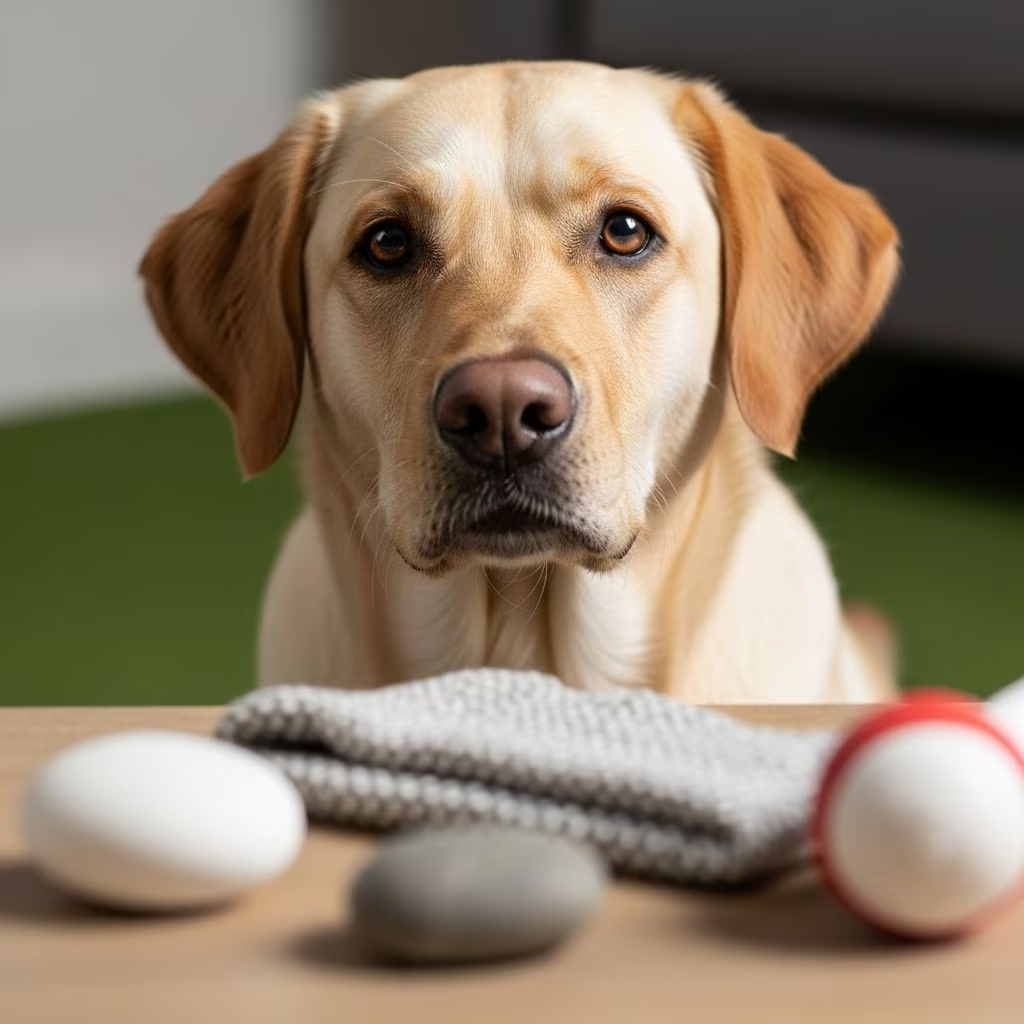
Pet owners sometimes encounter perplexing behaviors that leave them wondering about their dog’s health and wellbeing. One such concern is when dogs develop an unusual appetite for items that aren’t food—a condition known as pica. This compulsive eating disorder can affect dogs of any age, though it occurs most frequently in adolescent and adult canines. Understanding the underlying causes, recognizing warning signs, and implementing appropriate interventions are essential steps in protecting your dog’s health and preventing potentially life-threatening complications.
What Is Pica and Why It Matters
Pica represents a behavioral or medical disorder characterized by a compelling urge to consume materials that have no nutritional value. Dogs with pica may consume rocks, dirt, fabric, cardboard, plastic, or numerous other inedible substances. This condition differs from normal exploratory chewing or occasional ingestion of foreign objects—pica involves a repetitive, compulsive pattern that can indicate underlying physical or psychological distress.
The significance of recognizing pica extends beyond behavioral curiosity. When dogs consume non-food items, they face several serious health risks. Toxic substances can poison your dog, sharp objects may lacerate the mouth, throat, or digestive tract, and hard materials can crack or damage teeth and gums. Perhaps most critically, ingested foreign bodies may become lodged in the intestinal tract, creating a life-threatening blockage that often requires emergency surgical intervention.
Distinguishing Medical from Behavioral Causes
Veterinary professionals recognize that pica can stem from physiological (medical) or psychological (behavioral) origins. This distinction is crucial because treatment approaches differ significantly depending on the underlying etiology. A thorough veterinary evaluation is necessary to differentiate between these two categories and develop an appropriate treatment plan.
Medical Conditions Associated with Pica
Numerous health conditions can trigger pica behavior in dogs. When dogs experience nutritional deficiencies, they may instinctively attempt to compensate by consuming unusual substances. This is particularly evident in geophagia, where dogs consume soil, clay, and dirt in an effort to obtain missing minerals. Anemia, characterized by insufficient red blood cells or hemoglobin, commonly causes this specific manifestation of pica. Dogs that cannot properly absorb nutrients from their regular diet may also develop this behavior as their body signals a need for supplementation.
Gastrointestinal diseases represent another significant medical category associated with pica. Inflammatory bowel disease, pancreatic disorders, and liver disease can all disrupt normal digestive function and nutrient absorption. Endocrine conditions such as diabetes and thyroid disease may increase appetite and trigger abnormal eating patterns. Parasitic infections, particularly hookworms and tapeworms, compromise nutrient absorption and can lead to pica development.
Medications can also contribute to pica as an unwanted side effect. Steroid treatments like prednisone, anti-seizure medications such as phenobarbital, and certain benzodiazepines can significantly increase appetite, potentially leading to pica behavior. Some veterinarians note that cancer—particularly tumors affecting the stomach or intestines—can trigger pica in affected dogs.
Pain itself can be an overlooked trigger for pica. Research has documented cases where dogs experiencing chronic pain conditions engage in pica behavior, with the behavior resolving once appropriate pain management is implemented.
Behavioral and Environmental Factors
When medical causes have been ruled out, behavioral factors frequently account for pica development. Boredom stands as one of the most common behavioral triggers, particularly in dogs lacking sufficient mental and physical stimulation. Dogs are intelligent animals requiring engagement beyond basic exercise—they need problem-solving activities, breed-specific enrichment, and outlets for natural behaviors like digging, chasing, or scenting.
Anxiety disorders, especially separation anxiety, frequently manifest as pica behavior. Dogs experiencing stress from environmental changes, unusual noises, new household members, or relocations may resort to eating non-food items as a coping mechanism. In some cases, pica becomes reinforced when dogs discover that engaging in the behavior garners attention from their owners, even if that attention is negative—this transforms pica into an attention-seeking behavior.
Compulsive disorder represents another psychological category where dogs engage in extreme, repetitive behaviors that interfere with normal functioning. Additionally, inadequate socialization with humans and other dogs can contribute to pica development, particularly in dogs prone to anxiety or stress.
Breed Predispositions and Risk Factors
While pica can affect any dog, certain breeds demonstrate increased susceptibility. Terriers, spaniels, collies, and Labradors show higher rates of pica than other breeds, though researchers have not definitively established why these genetic predispositions exist. High-energy breeds that receive insufficient exercise and mental stimulation face particularly elevated risk for developing pica.
Age represents another significant risk factor. Older dogs face increased likelihood of developing pica due to age-related medical conditions such as intestinal tumors, inflammatory bowel disease, chronic kidney disease, and Cushing’s disease.
Recognizing Symptoms and Complications
The primary symptom of pica is obvious—observing your dog consuming or attempting to consume non-food items. However, several secondary symptoms may indicate pica or its complications:
- Vomiting or regurgitation after consuming foreign materials
- Diarrhea or constipation resulting from intestinal irritation
- Loss of appetite despite increased eating of non-food items
- Weight loss or failure to gain weight appropriately
- Lethargy or decreased activity levels
- Abdominal pain or distension
- Difficulty defecating or bloody stools
- Excessive drooling or signs of mouth pain
Emergency symptoms requiring immediate veterinary attention include severe vomiting, complete inability to defecate, signs of extreme abdominal pain, collapse, or evidence of toxin ingestion. Intestinal blockage constitutes a medical emergency—foreign bodies lodged in the gastrointestinal tract can cut off blood supply to affected tissues, leading to necrosis and life-threatening complications.
Diagnostic Approaches
Veterinarians employ multiple diagnostic strategies to identify pica’s underlying cause. A thorough medical history documenting when pica began, which materials the dog consumes, frequency of incidents, and any concurrent symptoms provides essential information. Physical examination assesses overall health status, checking for signs of pain, nutritional deficiency, or gastrointestinal distress.
Laboratory testing typically includes bloodwork to evaluate for anemia, nutritional deficiencies, organ dysfunction, endocrine disorders, and parasitic infections. Fecal analysis identifies parasitic infections. Imaging studies such as radiographs or ultrasound may be necessary to detect foreign bodies, tumors, or structural abnormalities. In some cases, more advanced diagnostics like CT scans or endoscopy provide detailed visualization of the gastrointestinal tract.
Treatment Strategies for Medical Pica
When veterinary evaluation identifies a medical cause, treatment focuses on addressing the underlying condition. For nutritional deficiencies, dietary modifications, supplementation, or changes to feeding schedules may resolve pica. Dogs with zinc or iron deficiencies require supplementation under veterinary guidance to ensure appropriate absorption and prevent overdosing.
Medical conditions like inflammatory bowel disease, pancreatic insufficiency, or parasitic infections require specific treatments targeting those conditions. Once the underlying medical issue improves, pica often resolves spontaneously. Dogs experiencing medication-induced pica may benefit from dose adjustments, medication changes, or feeding schedule modifications—providing smaller, more frequent meals can help satisfy appetite without medication-induced hunger spikes.
For dogs with pain-related pica, appropriate pain management through medications, physical therapy, or other interventions frequently eliminates the pica behavior.
Behavioral Management and Treatment
Addressing behavioral pica requires a comprehensive approach targeting the root psychological cause. Dogs suffering from anxiety may benefit from behavioral modification combined with anxiety medications prescribed by a veterinarian. Graduated desensitization and counter-conditioning can help dogs cope with specific anxiety triggers.
Enrichment represents the cornerstone of treating boredom-related pica. Owners should provide diverse mental stimulation through puzzle toys, interactive feeders, scent work activities, and problem-solving games. Rotating toys prevents habituation and maintains novelty. Increasing physical exercise appropriate to the dog’s age, breed, and health status helps expend energy that might otherwise be directed toward pica.
Environmental management involves removing access to items the dog is likely to consume. Preventing the dog from accessing dirt, rocks, fabric, or other tempting materials reduces opportunity for pica behavior. Crate training can provide safe spaces when supervision isn’t possible.
For attention-seeking pica, owners must consciously avoid reinforcing the behavior through attention—ignoring pica episodes while providing abundant attention for appropriate behaviors is essential. Consulting with a board-certified veterinary behaviorist helps develop individualized treatment plans addressing specific behavioral patterns.
Natural and Complementary Approaches
Some dog owners explore complementary treatments alongside conventional veterinary care. Adaptil pheromone diffusers and calming collars may help anxious dogs manage stress-related pica. Calming supplements and chewables designed to support relaxation can complement other anxiety management strategies. Probiotics support digestive health and may benefit dogs with intestinal conditions contributing to pica.
However, these approaches should complement rather than replace veterinary diagnosis and treatment. Owners should discuss any supplements or natural remedies with their veterinarian to ensure compatibility with prescribed medications and appropriateness for their dog’s specific condition.
Prevention Strategies
Preventing pica development requires proactive management combining appropriate nutrition, exercise, enrichment, and stress reduction. Feeding high-quality, nutritionally balanced diets ensures dogs receive necessary vitamins and minerals. Providing adequate physical activity appropriate to breed and age prevents boredom-related pica. Mental stimulation through training, play, and interactive activities keeps dogs engaged and satisfied.
Creating stable, predictable home environments minimizes stress-related triggers. Gradual introductions to environmental changes, proper socialization, and positive experiences with novel stimuli help prevent anxiety-related pica. Regular veterinary check-ups identify emerging health conditions before they trigger pica behavior.
When to Seek Veterinary Care
Any instance of pica warrants veterinary evaluation to rule out medical causes. Urgent veterinary attention is necessary if your dog shows signs of intestinal blockage, ingests toxic substances, or displays severe symptoms. Even when pica appears behavioral, veterinary guidance ensures appropriate diagnosis and treatment planning.
Prognosis and Long-Term Management
The prognosis for pica varies depending on underlying causes and how promptly appropriate treatment begins. Dogs with medical causes often show improvement once the underlying condition is addressed. Behavioral pica may require ongoing management through environmental modification, consistent enrichment, and continued behavioral work. Some dogs respond quickly to interventions, while others require extended treatment periods. Patience, consistency, and veterinary guidance maximize success.
References
- What Is Pica in Dogs? Causes, Symptoms, and Treatment — GoodRx Pet Health. 2024. https://www.goodrx.com/pet-health/dog/pica-in-dogs-causes
- Pica in Dogs: Causes, Diagnosis, Treatment — Best Friends Animal Society. https://bestfriends.org/pet-care-resources/pica-dogs-causes-diagnosis-treatment
- What is Pica in Dogs and How to Treat It — Purina. https://www.purina.com/articles/dog/health/symptoms/pica-in-dogs
- Pica in Dogs: Causes, Treatment & Prevention — Pawlicy Advisor. https://www.pawlicy.com/blog/pica-in-dogs/
- Pica in Dogs: What to Know — American Kennel Club. https://www.akc.org/expert-advice/health/pica-in-dogs/
- Pica in Dogs — PetMD. https://www.petmd.com/dog/conditions/behavioral/pica-dogs
- Pica (compulsive eating of non-food items) in Dogs — Vetster. https://vetster.com/en/symptoms/dog/pica-compulsive-eating-of-non-food-items-in-dogs



